· 9 min read
Can Dogs Eat Cinnamon Toast? A Pet Parent’s Guide to Risks, Benefits, and Safer Alternatives
It’s a lazy Sunday morning, and you’re savoring a warm slice of cinnamon toast—golden, buttery, dusted with sweet cinnamon sugar. Out of the corner of your eye, you spot those big, puppy-dog eyes staring up at you, tail thumping gently. “Just a tiny bite?” you wonder. “Can dogs even eat cinnamon toast?”
If you’ve ever found yourself asking this question, you’re not alone. As pet parents, we want to share the little joys of life with our furry companions, but it’s crucial to know what’s safe (and what’s not) before offering them a taste. Cinnamon toast is a beloved breakfast staple, but is it okay to share with your dog? The answer isn’t a simple “yes” or “no”—it depends on the ingredients, portion size, and your dog’s unique health needs.
In this guide, we’ll break down everything you need to know: whether cinnamon toast is safe, the potential benefits of cinnamon for dogs, the hidden risks in that sweet, toasty slice, and healthier alternatives to satisfy your pup’s cravings. Let’s dive in!
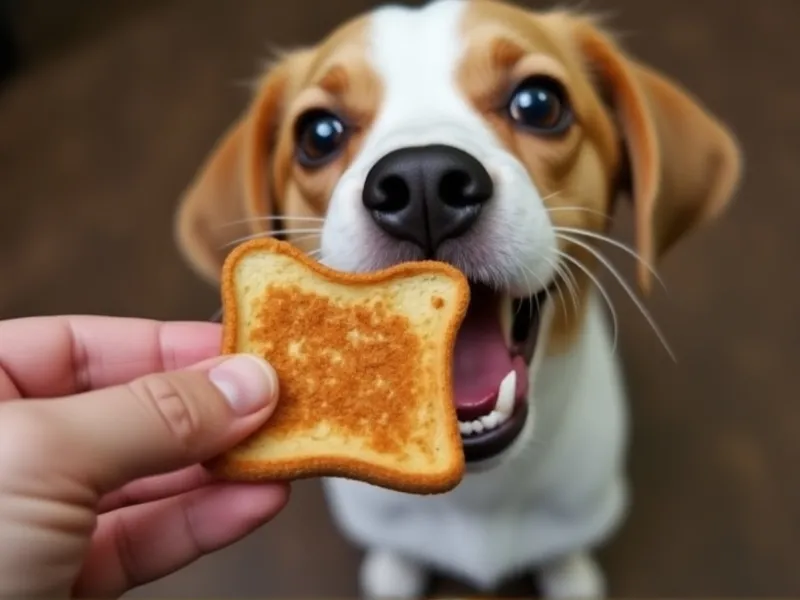
Table of Contents
- Can Dogs Eat Cinnamon Toast? The Short Answer
- The Benefits of Cinnamon for Dogs (Yes, Cinnamon Itself Has Perks!)
- The Risks of Cinnamon Toast for Dogs (Why the “Toast” Part Is a Problem)
- How Much Cinnamon Toast Is “Safe”? Spoiler: Less Than You Think
- Healthier Alternatives to Cinnamon Toast
- FAQ: Your Cinnamon Toast Questions Answered
- Conclusion: Enjoy Your Toast, but Keep Your Pup’s Health in Mind
- References
Can Dogs Eat Cinnamon Toast? The Short Answer
Let’s cut to the chase: Dogs can technically eat small amounts of plain cinnamon without harm, but cinnamon toast is a different story. The problem isn’t the cinnamon itself (in moderation, it’s generally safe) but the other ingredients that make up that tasty slice: sugar, butter, and the bread itself.
Think of it this way: Cinnamon toast is like a “junk food” for dogs. It’s not toxic, but it’s packed with empty calories, added sugars, and fats that offer little nutritional value—and can even pose health risks. So while a tiny crumb here or there is unlikely to hurt your dog, making it a regular treat is a bad idea.
The Benefits of Cinnamon for Dogs (Yes, Cinnamon Itself Has Perks!)
Before we dive into the risks, let’s give cinnamon some credit: This fragrant spice isn’t just for human breakfasts—it actually has potential health benefits for dogs when used sparingly and without added sugars or fats. Here’s why cinnamon might be a minor win for your pup:
1. Rich in Antioxidants
Cinnamon is loaded with antioxidants, which help fight free radicals in the body and reduce inflammation. A 2019 study in the Journal of Animal Science and Biotechnology noted that cinnamon’s antioxidant properties may support overall cellular health in dogs, though more research is needed on specific doses.
2. May Support Blood Sugar Regulation
Some studies suggest cinnamon can help stabilize blood sugar levels by improving insulin sensitivity. This could be particularly helpful for dogs with diabetes (though always consult your vet before adding cinnamon to a diabetic dog’s diet). The American Kennel Club (AKC) mentions that small amounts of cinnamon may aid in managing blood sugar, but it’s not a substitute for veterinary care.
3. A Source of Fiber and Minerals
Cinnamon contains small amounts of fiber, which supports digestive health, as well as minerals like manganese (important for bone health) and potassium (regulates heart function). Again, these benefits are minimal—your dog would need to eat a lot of cinnamon to get significant nutrients, which isn’t safe—but it’s a nice bonus!
4. Natural Anti-Microbial Properties
Cinnamon has mild anti-microbial effects, which may help fight bacteria and fungi. Some pet parents even sprinkle a tiny bit on their dog’s food to help freshen breath (though it’s no substitute for regular teeth brushing!).
The Risks of Cinnamon Toast for Dogs (Why the “Toast” Part Is a Problem)
Now, let’s talk about why cinnamon toast itself is risky. Remember: The cinnamon is the “good” part (in small doses), but the rest of the ingredients? Not so much.
1. Sugar: A Recipe for Obesity and Diabetes
Most cinnamon toast is dusted with cinnamon sugar—a mix of cinnamon and white sugar. Dogs have no biological need for added sugars, and too much can lead to:
- Obesity: Extra calories from sugar quickly add up, leading to weight gain and related issues like joint pain or heart disease.
- Dental Problems: Sugar feeds harmful bacteria in your dog’s mouth, increasing the risk of cavities and gum disease.
- Diabetes: Chronic sugar intake can impair insulin function, raising the risk of type 2 diabetes in dogs (yes, dogs can get diabetes too!).
2. Butter: High Fat = Pancreatitis Risk
Butter (or margarine) makes toast creamy and delicious, but it’s also high in saturated fat. Dogs’ bodies aren’t designed to process large amounts of fat, and a fatty treat like butter can trigger pancreatitis—a painful, potentially life-threatening inflammation of the pancreas. Even a small pat of butter can cause digestive upset (vomiting, diarrhea) in sensitive dogs.
3. Bread: Empty Calories and Choking Hazards
Plain bread isn’t toxic to dogs, but it’s a “filler” food with little nutritional value. White bread, in particular, is refined and low in fiber, which can spike blood sugar. Worse, if your dog gulps down a chunk of toast without chewing, it could pose a choking hazard—especially for small breeds or dogs who eat too quickly.
4. Cinnamon in Excess: Irritation and Hypoglycemia
While small amounts of cinnamon are safe, too much can cause problems. According to the ASPCA, large doses of cinnamon can irritate a dog’s mouth, throat, or stomach, leading to coughing, sneezing, or vomiting. In rare cases, very high amounts (think: a whole jar of cinnamon) can lower blood sugar to dangerous levels (hypoglycemia), causing weakness, tremors, or even seizures.
How Much Cinnamon Toast Is “Safe”? Spoiler: Less Than You Think
Let’s say you’re at the breakfast table, and your dog gives you that irresistible “please share” stare. How much cinnamon toast can you safely offer?
The answer: Almost none.
A good rule of thumb: If you must share, stick to a crumb no bigger than a pea for small dogs (e.g., Chihuahuas, Yorkies) or a crumb the size of a blueberry for large dogs (e.g., Labs, German Shepherds). Even then, ask yourself: Is this worth the risk of stomach upset or contributing to long-term health issues?
For context, a single slice of cinnamon toast can contain:
- 1–2 teaspoons of sugar (way more than a dog needs in a day)
- 1–2 tablespoons of butter (high fat!)
- Refined bread (empty calories)
Compare that to your dog’s daily calorie needs: A 30-pound dog, for example, needs only about 600 calories per day. A small corner of cinnamon toast could add 50–100 empty calories—nearly 20% of their daily intake!
Bottom line: Cinnamon toast isn’t worth the risk. Save it for yourself, and opt for healthier treats instead.
Healthier Alternatives to Cinnamon Toast
If your dog loves the smell of cinnamon and begs for a bite, there are safer ways to satisfy their curiosity without compromising their health. Here are some vet-approved alternatives:
1. Plain Cinnamon Sprinkle
Sprinkle a tiny pinch (no more than 1/8 teaspoon for small dogs, 1/4 teaspoon for large dogs) of unsweetened cinnamon on your dog’s regular food. It adds flavor without sugar or fat.
2. Dog-Friendly “Cinnamon Toast”
Make a DIY version using:
- A small piece of unsweetened, whole-grain bread (toast it lightly to avoid sogginess).
- A thin spread of mashed banana (natural sweetness!) instead of butter.
- A dusting of plain cinnamon.
Offer just a 1-inch square as an occasional treat.
3. Fresh Fruits with Cinnamon
Dogs love sweet flavors! Try slicing up an apple (remove the core and seeds!) or a banana, sprinkle with a pinch of cinnamon, and offer a small piece. It’s packed with fiber and vitamins—way better than toast!
4. Commercial Cinnamon Dog Treats
Many pet brands make cinnamon-flavored treats with no added sugars or harmful ingredients. Look for options with whole-food ingredients (e.g., pumpkin, oats) and “cinnamon” listed near the top of the ingredient list.
FAQ: Your Cinnamon Toast Questions Answered
Q: Is cinnamon itself toxic to dogs?
A: No, cinnamon is non-toxic to dogs in small amounts. The ASPCA lists cinnamon as safe, but large doses can cause digestive upset or hypoglycemia.
Q: What if my dog ate a whole slice of cinnamon toast?
A: Don’t panic, but monitor them closely for 24 hours. Watch for vomiting, diarrhea, lethargy, or loss of appetite. If symptoms occur, contact your vet. For small dogs or those with health issues (e.g., diabetes, pancreatitis), call your vet immediately.
Q: Can dogs have cinnamon rolls or cinnamon sugar?
A: No! Cinnamon rolls are even worse than toast—they’re loaded with sugar, butter, and often raisins (which are toxic to dogs). Cinnamon sugar is just sugar + cinnamon, so it’s a double no.
Q: Is butter safe for dogs?
A: In tiny amounts (like a lick off your finger), butter is unlikely to harm most dogs, but it’s high in fat and offers no nutritional value. Avoid making it a habit.
Q: Are there dogs who should never have cinnamon?
A: Yes. Puppies (under 6 months), dogs with diabetes, pancreatitis, or digestive issues, and dogs on medication for blood sugar should avoid cinnamon entirely. Always check with your vet first.
Conclusion: Enjoy Your Toast, but Keep Your Pup’s Health in Mind
At the end of the day, sharing a meal with your dog is about love—but love means keeping them safe. Cinnamon toast might seem harmless, but its sugar, fat, and empty calories make it a poor choice for your furry friend.
Instead of risking an upset stomach or long-term health issues, opt for safer, healthier treats: a sprinkle of cinnamon on their kibble, a banana slice with cinnamon, or a commercial dog treat made with wholesome ingredients. And when in doubt, always consult your vet—they know your dog’s unique needs best.
So go ahead, enjoy your cinnamon toast. Your pup will forgive you… especially if you follow it up with a game of fetch or a belly rub (their favorite “treats” anyway!).
References
- American Society for the Prevention of Cruelty to Animals (ASPCA). “Toxic and Non-Toxic Plants: Cinnamon.” aspca.org
- American Kennel Club (AKC). “Can Dogs Eat Cinnamon?” akc.org
- PetMD. “Can Dogs Eat Cinnamon? Benefits and Risks.” petmd.com
- Journal of Animal Science and Biotechnology. “Cinnamon as a Functional Feed Additive: Its Potential Role in Sustainable Poultry and Livestock Production.” 2019.
- Veterinary Centers of America (VCA). “Pancreatitis in Dogs.” vcahospitals.com