· 7 min read
Can Dogs Eat Churu Cat Treats? The Surprising Truth Every Pet Parent Should Know
Picture this: You’re snuggled up on the couch, treating your cat to their favorite Churu stick—a creamy, squishy delight that makes them purr like a lawnmower. Out of the corner of your eye, you see your dog, tail thumping, nose twitching, staring at that tiny tube like it’s the Holy Grail. “Can I share?” their big, sad eyes seem to say. If you’ve ever found yourself in this scenario, you’re not alone. Churu cat treats have taken the pet world by storm, but can our canine companions safely sneak a taste? Let’s dive in.
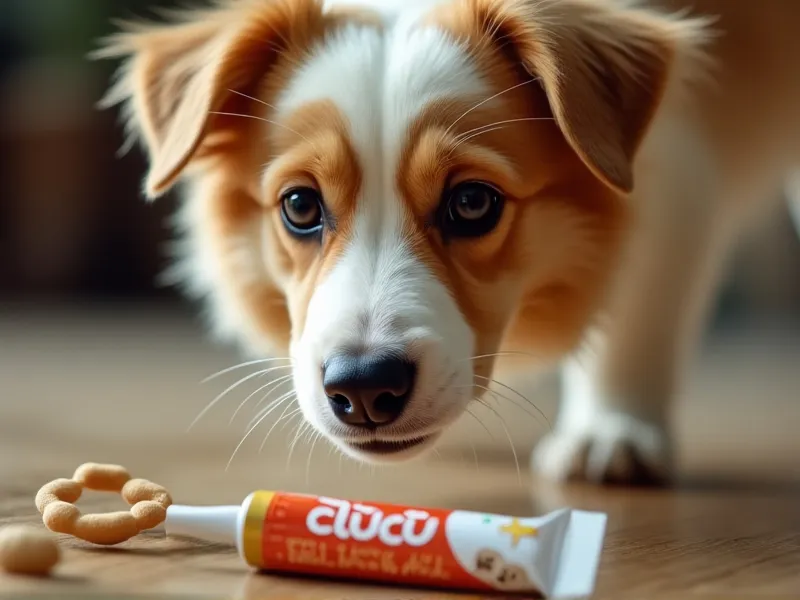
Table of Contents
- Can Dogs Eat Churu Cat Treats? The Short Answer
- What Are Churu Cat Treats, Anyway?
- Potential Benefits of Churu for Dogs (Yes, There Are Some!)
- The Risks: Why Churu Isn’t Ideal for Dogs
- How Much Churu Can Dogs Safely Eat? Guidelines by Size
- Healthier Alternatives to Churu for Dogs
- FAQ: Your Top Churu-for-Dogs Questions Answered
- Conclusion: Moderation + Vet Advice = Happy Pup
Can Dogs Eat Churu Cat Treats? The Short Answer
Yes, dogs can technically eat small amounts of Churu cat treats occasionally, but they are not designed for canine nutrition and come with risks. Think of Churu as a “once-in-a-blue-moon” snack, not a regular part of your dog’s diet. To keep your pup safe, stick to tiny portions, avoid overfeeding, and always check the ingredients first.
What Are Churu Cat Treats, Anyway?
If you’re not familiar, Churu (pronounced “choo-roo”) are soft, tube-shaped treats made by brands like Inaba. Originally created for cats, they’re loved for their creamy texture, strong meaty aroma, and easy-to-serve format—you can squeeze them directly into your cat’s mouth or mix them into food to entice picky eaters.
Most Churu ingredients are simple:
- Protein source: Chicken, tuna, salmon, or shrimp (the star of the show).
- Moisture: Water or broth (to keep them soft).
- Thickeners: Agar-agar (a plant-based gelatin), carrageenan, or locust bean gum (to give that creamy texture).
- Additives: Sometimes vitamins (like taurine, critical for cats), minerals, or small amounts of sugar/salt for palatability.
Importantly, Churu are formulated for cats’ unique needs—high protein, moderate fat, and taurine (an amino acid cats can’t produce on their own). Dogs, on the other hand, have different nutritional requirements, which is why these treats aren’t a perfect fit.
Potential Benefits of Churu for Dogs (Yes, There Are Some!)
While Churu aren’t ideal for dogs, they do offer a few minor perks when given carefully:
1. Hydration Boost
Churu are ~80-90% water, making them a tasty way to sneak extra moisture into your dog’s diet—great for pups who hate drinking water or those prone to dehydration (like senior dogs or active breeds in hot weather).
2. High-Quality Protein
Most Churu list real meat (chicken, tuna) as the first ingredient. Protein is essential for dogs’ muscle health, energy, and immune function. A tiny bite can add a little extra protein to their day.
3. Gentle on Picky Eaters or Sick Dogs
If your dog is under the weather, refusing food, or recovering from an illness, the soft texture and strong aroma of Churu might entice them to eat. Just ask your vet first if your dog has dietary restrictions!
4. Trace Nutrients
Some varieties include small amounts of fiber (from thickeners like agar-agar) or potassium (from broth), which support digestion and heart health. But don’t rely on Churu for these—they’re treats, not supplements!
The Risks: Why Churu Isn’t Ideal for Dogs
Now, the flip side: Churu can pose risks if overfed or given too often. Here’s what to watch for:
1. High Sugar or Salt Content
Some Churu flavors (especially “seafood medley” or “chicken & cheese”) add sugar or salt to make them more appealing to cats. Dogs don’t need extra sugar, and too much salt can lead to sodium ion poisoning (symptoms: vomiting, diarrhea, seizures, even death in extreme cases). Always check the label for “sugar” or “sodium” near the top of the ingredients list.
2. Stomach Upset
Churu are rich and fatty compared to most dog treats. Dogs with sensitive stomachs may experience diarrhea, vomiting, or gas after eating them—especially if they gobble them up too fast. Puppies, seniors, or dogs with pancreatitis are extra vulnerable here.
3. Choking Hazard
The soft, squeezable texture might seem safe, but small dogs (like Chihuahuas or Yorkies) could choke if given a large chunk. Even bigger dogs might swallow a whole stick without chewing, leading to an upset stomach or blockage.
4. Nutritional Imbalance
Dogs need a balanced diet with specific ratios of protein, fat, carbs, and vitamins. Churu are high in protein but low in other key nutrients (like calcium or phosphorus) that dogs need. Feeding too many could throw off their diet, leading to deficiencies over time.
5. Allergies or Sensitivities
If your dog is allergic to fish (tuna, salmon) or chicken, Churu could trigger itching, hives, or ear infections. Always test a tiny amount first and watch for reactions.
How Much Churu Can Dogs Safely Eat? Guidelines by Size
If you decide to share a Churu with your dog, portion control is critical. Here’s a general rule of thumb based on your dog’s weight:
| Dog Size | Weight Range | Safe Portion (Per Week) | Frequency |
|---|---|---|---|
| Small | 5–10 lbs | ¼ to ½ of a Churu stick | Once weekly max |
| Medium | 10–30 lbs | ½ of a Churu stick | Once weekly max |
| Large | 30+ lbs | 1 full Churu stick | Once weekly max |
Pro Tips:
- Break the Churu into pea-sized pieces to avoid choking.
- Mix it into your dog’s regular food instead of feeding it alone (slows them down!).
- Never feed Churu to dogs with diabetes, kidney disease, or pancreatitis (the sugar/salt/fat is too risky).
Healthier Alternatives to Churu for Dogs
Why risk it with cat treats when there are dog-specific options that are safer and more nutritious? Here are our top picks:
1. Dog-Safe Soft Treats
Brands like Zuke’s Mini Naturals, Blue Buffalo Wilderness Soft-Moist Treats, or Merrick Power Bites are made for dogs, with balanced nutrients, low sugar, and no cat-specific additives.
2. Plain Cooked Meat
A tiny cube of boiled chicken, turkey, or lean beef is a protein-packed, low-risk treat. No added salt or spices!
3. Pumpkin Puree (Unsweetened)
Canned pumpkin (not pie filling!) is rich in fiber and great for digestion. Freeze it in small cubes for a cool, creamy snack—dogs love the texture!
4. Greek Yogurt (Plain, Unsweetened)
A spoonful of plain Greek yogurt offers probiotics for gut health and calcium for bones. Avoid flavors with xylitol (toxic to dogs!).
5. Frozen Fruit
Blueberries, banana slices, or watermelon chunks are low-calorie, hydrating, and full of vitamins. Just skip grapes/raisins (toxic to dogs!).
FAQ: Your Top Churu-for-Dogs Questions Answered
Q: My dog ate a whole Churu stick! Should I panic?
A: Probably not, but monitor them. One stick is unlikely to be toxic, but they may have diarrhea or vomiting from the richness. If they’re lethargic, bloated, or in pain, call your vet.
Q: Are all Churu flavors safe for dogs?
A: Some are riskier than others. Avoid “sugar-free” Churu (check for xylitol, though rare in Churu) and those with added salt. Plain chicken or turkey flavors are safer than seafood (lower mercury risk).
Q: Can puppies eat Churu?
A: Puppies have sensitive tummies—skip Churu. Stick to puppy-specific treats until they’re 6+ months old.
Q: My dog is a picky eater. Can I use Churu to get them to eat kibble?
A: Try dog-safe alternatives first (like mixing in a little warm water or plain chicken broth). If you use Churu, only a tiny squeeze—too much will make them refuse kibble altogether!
Q: Is xylitol in Churu?
A: Xylitol (a sugar substitute toxic to dogs) is rare in Churu, but always check the label. Most Churu use regular sugar or no sugar, but better safe than sorry!
Conclusion: Moderation + Vet Advice = Happy Pup
Dogs can enjoy a tiny taste of Churu cat treats now and then, but they’re far from the best choice. The risks (stomach upset, choking, sugar) often outweigh the minor benefits. When in doubt, stick to dog-specific treats or fresh, whole foods—your pup’s belly (and your peace of mind) will thank you.
As always, if you have questions about your dog’s diet, consult your vet. They know your pup’s health history and can help you choose treats that keep them safe and happy.
Here’s to many tail wags—and safe snacking!
References
- American Kennel Club (AKC). “Human Foods Dogs Can and Can’t Eat.” akc.org
- ASPCA Animal Poison Control. “Toxic and Non-Toxic Plants and Foods.” aspca.org
- VCA Hospitals. “Feeding Your Dog: Commercial Foods, Homemade Diets, and Treats.” vcahospitals.com
- Pet Poison Helpline. “Xylitol Toxicity in Dogs.” petpoisonhelpline.com