· 8 min read
Can Dogs Eat Churu? The Ultimate Guide for Curious Pet Parents
If you’ve ever found yourself staring into your dog’s big, pleading eyes while you’re doling out a tube of Churu to your cat, you’re not alone. Churu—those silky,肉泥-like treats beloved by felines—have a way of turning even the most well-behaved dogs into instant beggars. But before you cave to those puppy-dog eyes, you’re probably wondering: Is Churu safe for dogs?
As a pet parent, it’s natural to want to share the things your pets love—but when it comes to cross-species treats, caution is key. In this guide, we’ll break down everything you need to know about Churu and dogs: whether it’s safe, its potential benefits, hidden risks, how much to feed (if any), and healthier alternatives to keep your pup happy and healthy.
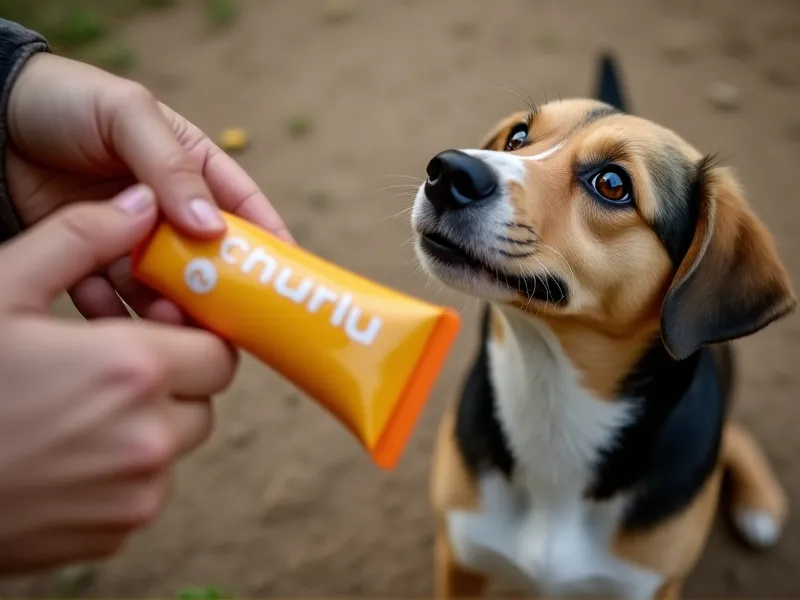
Table of Contents
- Can Dogs Eat Churu? The Short Answer
- What Is Churu, Anyway?
- Potential Benefits of Churu for Dogs
- Protein: A Building Block for Pups
- Hydration: A Moist Treat for Thirsty Dogs
- Palatability: Great for Picky Eaters
- Risks to Watch Out For
- Stomach Upset: New Foods and Digestive Distress
- Choking Hazard: Texture and Size Matters
- Nutritional Imbalance: Treats vs. Balanced Meals
- Hidden Ingredients: What to Check For
- How Much Churu Can Dogs Safely Eat?
- Healthier Alternatives to Churu for Dogs
- FAQ: Your Churu Questions Answered
- Conclusion: Moderation and Common Sense
- References
Can Dogs Eat Churu? The Short Answer
Yes, dogs can eat small amounts of Churu occasionally—but it’s not ideal.
Churu is designed as a cat treat, not a dog treat. While its main ingredients (like chicken, tuna, or salmon) are generally safe for dogs, it lacks the balanced nutrition dogs need and may contain additives that could upset their stomachs. Think of it like sharing a bite of your cat’s wet food: not toxic, but not something you’d want to make a regular habit.
What Is Churu, Anyway?
For the uninitiated, Churu is a popular brand of cat treat (made by INABA and others) known for its smooth, squeezable texture and meaty flavor. It’s often marketed as a “lickable treat” or “puree,” with ingredients like chicken, tuna, salmon, or shrimp, mixed with water and thickeners (like locust bean gum) to create a creamy consistency.
Cats love Churu for its high moisture content (great for hydration) and strong meaty taste. But with its soft texture and savory aroma, it’s no wonder dogs are often tempted to sneak a taste.
Potential Benefits of Churu for Dogs
While Churu isn’t a “superfood” for dogs, it does offer a few potential upsides when given sparingly:
1. Protein: A Building Block for Pups
Most Churu varieties are made with real meat (chicken, tuna, etc.) as the first ingredient. Protein is essential for dogs, supporting muscle growth, immune function, and healthy skin and coat. A small dollop of Churu can add a protein boost to your dog’s diet—though they’ll get far more balanced protein from their regular dog food.
2. Hydration: A Moist Treat for Thirsty Dogs
Churu is mostly water (up to 80% moisture in some formulas), which can help keep dogs hydrated—especially senior dogs or those who struggle to drink enough water. If your dog is a picky drinker, a tiny amount of Churu mixed into their kibble might encourage them to lap up extra moisture.
3. Palatability: Great for Picky Eaters or Sick Dogs
Dogs recovering from illness, dental issues, or those who turn up their nose at regular food may find Churu’s soft texture and strong flavor appealing. It can be used as a “medication mask” (hiding pills in a small amount) or a gentle way to entice a dog with a reduced appetite.
Risks to Watch Out For
While Churu isn’t toxic to dogs, there are several risks to consider before sharing:
1. Stomach Upset: New Foods and Digestive Distress
Dogs have sensitive digestive systems, and introducing a new food—even a small amount—can cause diarrhea, vomiting, or gas. Churu’s high moisture content and unfamiliar thickeners (like locust bean gum) may be harder for some dogs to digest, especially if they’re prone to stomach issues.
2. Choking Hazard: Texture and Size Matters
Churu’s thick, sticky texture can pose a choking risk, especially for small dogs or those who gulp their food. If your dog tries to swallow a large glob without chewing, it could get stuck in their throat. Always supervise your dog when offering Churu, and break it into tiny pieces if needed.
3. Nutritional Imbalance: Treats vs. Balanced Meals
Dogs need a diet balanced in protein, fat, carbohydrates, vitamins, and minerals. Churu is high in protein but lacks other essential nutrients (like calcium, phosphorus, or omega-3s) that dogs get from their regular food. Feeding too much Churu can replace nutrient-dense meals, leading to deficiencies over time.
4. Hidden Ingredients: What to Check For
While most Churu formulas are simple, always read the label for red flags:
- Added sugars or sweeteners: Rare in Churu, but avoid any with xylitol (a toxic sugar substitute for dogs).
- Onions, garlic, or chives: These are toxic to dogs, but Churu typically doesn’t contain them.
- High fat content: Some “rich” varieties (like salmon or shrimp) may be high in fat, which can cause pancreatitis in dogs if overfed.
How Much Churu Can Dogs Safely Eat?
The golden rule for treats: No more than 10% of your dog’s daily calories should come from treats. For Churu, this means tiny portions—think “sample size,” not a full tube.
Here’s a general guideline based on your dog’s size:
- Small dogs (under 20 lbs): ¼ to ½ teaspoon, once or twice a week.
- Medium dogs (20–50 lbs): ½ to 1 teaspoon, once or twice a week.
- Large dogs (50+ lbs): 1 to 2 teaspoons, once or twice a week.
Never feed Churu daily, and avoid giving it to dogs with sensitive stomachs, pancreatitis, or dietary restrictions. When in doubt, ask your vet for personalized advice.
Healthier Alternatives to Churu for Dogs
Instead of sharing cat treats, opt for these dog-safe alternatives that are more nutritious and better suited to your pup’s needs:
1. Dog-Specific Lickable Treats
Brands like Kong, Zuke’s, and Merrick make “lickable” or “puree” treats formulated for dogs. These often have added vitamins, lower fat, and no cat-specific additives.
2. Plain Cooked Meat
A small piece of boiled chicken, turkey, or lean beef is a protein-rich, low-risk treat. It’s cheaper than Churu and contains no unnecessary thickeners.
3. Pumpkin Puree (Unsweetened)
Plain canned pumpkin (not pie filling) is high in fiber and great for digestion. Serve a teaspoon mixed into kibble or frozen into a “pumpkin pop” for a cool treat.
4. Greek Yogurt (No Xylitol)
Plain, unsweetened Greek yogurt is packed with protein and probiotics to support gut health. Avoid flavors with added sugar or xylitol.
5. Frozen Blueberries or Carrots
For a crunchy, low-calorie snack, try fresh blueberries (antioxidants!) or baby carrots (crunchy and good for teeth).
FAQ: Your Churu Questions Answered
Q: Can puppies eat Churu?
A: Puppies have even more sensitive stomachs than adult dogs. It’s best to avoid Churu until they’re at least 6 months old and their digestive systems are more developed. Stick to puppy-specific treats instead.
Q: Is Churu safe for diabetic dogs?
A: Maybe, but proceed with caution. Churu is low in sugar (most formulas have no added sugar), but it’s high in protein and may affect blood sugar levels. Ask your vet before offering it to a diabetic dog.
Q: My dog ate a whole tube of Churu! Should I panic?
A: Probably not, but monitor them closely. A full tube may cause diarrhea or vomiting due to the unfamiliar ingredients. If your dog is small, has a history of pancreatitis, or shows severe symptoms (lethargy, bloating), contact your vet.
Q: Can dogs eat Churu with fish (tuna, salmon)?
A: Fish-based Churu is generally safe, but avoid overfeeding. Tuna is high in mercury, and salmon may contain parasites if not fully cooked (Churu’s fish is cooked, so this is low risk). Stick to small, occasional amounts.
Conclusion: Moderation and Common Sense
Churu isn’t toxic to dogs, but it’s not a treat you should make a habit of sharing. While its protein and moisture can offer minor benefits, the risks of stomach upset, choking, or nutritional imbalance outweigh the perks.
If you do decide to let your dog try Churu, keep portions tiny, read the label for harmful ingredients, and always supervise them. And when in doubt, consult your vet—especially if your dog has health issues like allergies or pancreatitis.
At the end of the day, the best treat for your dog is one made for dogs: balanced, nutritious, and tailored to their needs. Your pup will thank you for choosing their health over a fleeting taste of the cat’s snack!
References
- American Society for the Prevention of Cruelty to Animals (ASPCA). “People Foods to Avoid Feeding Your Pets.” aspca.org
- VCA Animal Hospitals. “Treats for Dogs: Guidelines for Healthy Snacking.” vcahospitals.com
- INABA Pet Products. “Churu Cat Treat Ingredients.” inabausa.com
- PetMD. “Can Dogs Eat Tuna?” petmd.com