· 8 min read
Can Dogs Eat Christmas Trees? A Pet Parent’s Guide to Holiday Safety
The holiday season is here, and your home is probably decked out with the sights and smells of Christmas: twinkling lights, a cozy fire, and that iconic centerpiece—the Christmas tree. But if you’re a pet parent, you’ve likely noticed something else, too: your dog eyeing that tree like it’s the best chew toy they’ve ever seen. Maybe they’ve already sneaked a sniff, nipped a needle, or even tried to drag a low-hanging branch across the room. Cue the panic: Can dogs eat Christmas trees? Is that fragrant pine or fir a harmless curiosity, or a hidden hazard for your furry friend?
As pet parents, we want to keep our pups safe while still enjoying the magic of the season. In this guide, we’ll break down everything you need to know—from whether real or artificial trees are riskier, to the potential dangers (and very minimal benefits) of letting your dog near the tree, plus how to keep them happy and healthy all holiday long. Let’s dive in!
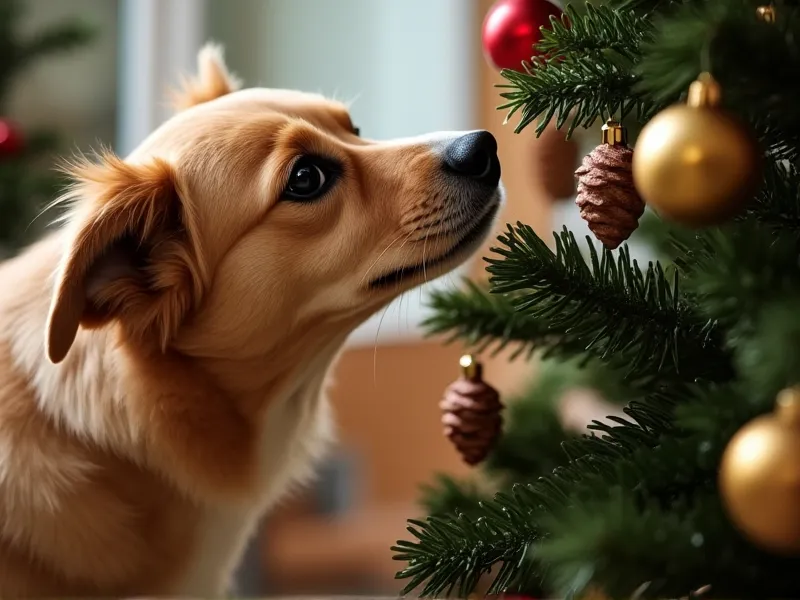
Table of Contents
- Can Dogs Eat Christmas Trees? The Short Answer
- Potential “Benefits”: Are There Any Upsides?
- Risks to Watch For: Why Christmas Trees Can Be Dangerous
- How Much Is “Safe”? (Hint: Probably None)
- Healthier Alternatives to Christmas Tree Snacking
- FAQ: Your Most Pressing Questions Answered
- Conclusion: Enjoy the Holidays Safely with Your Pup
- References
Can Dogs Eat Christmas Trees? The Short Answer
Let’s cut to the chase: No, dogs should not eat Christmas trees—real or artificial.
While most common Christmas tree species (like pine, fir, and spruce) aren’t toxic to dogs, they’re far from safe. Even small amounts of needles, branches, or sap can cause discomfort or serious health issues. Artificial trees, meanwhile, come with their own risks, from sharp plastic parts to chemical coatings. And let’s not forget the decorations: tinsel, ornaments, lights, and tree stand water are often more dangerous than the tree itself!
In short: The tree is for looking at, not licking. Let’s unpack why.
Potential “Benefits”: Are There Any Upsides?
You might be thinking, “But my dog loves greens—could there be any small benefits to letting them nibble a needle or two?” It’s a fair question, but the answer is… not really.
Some sources claim pine needles contain trace amounts of fiber, potassium, or vitamins. While it’s true that some plants (like fresh parsley or carrots) offer safe, nutrient-rich crunch for dogs, Christmas tree needles are a poor source of these. Here’s why:
- Fiber: Dogs need fiber for digestion, but they get plenty from high-quality dog food, pumpkin, or sweet potatoes. Pine needles are sharp, tough, and indigestible—they’ll irritate the gut, not help it.
- Potassium: This mineral supports heart and muscle health, but your dog’s diet already includes balanced levels. A few needles won’t add meaningful potassium, and the risks far outweigh any tiny “benefit.”
- Vitamins: Any vitamins in needles are negligible, and the needles themselves can damage your dog’s mouth, throat, or intestines.
In short: There’s no nutritional reason to let your dog eat Christmas tree parts. Save the “greens” for safe, dog-friendly snacks instead!
Risks to Watch For: Why Christmas Trees Can Be Dangerous
Now, let’s get serious about the risks. Even “non-toxic” trees can cause big problems for dogs. Here’s what to watch for:
1. Physical Irritation & Gastrointestinal Upset
Real tree needles (pine, fir, spruce) are sharp, stiff, and pointy—like tiny shards of glass in your dog’s mouth and gut. When swallowed, they can:
- Scratch the throat or gums, causing pain or bleeding.
- Irritate the stomach lining, leading to vomiting, diarrhea, or loss of appetite.
- Get stuck in the intestines, causing blockages (a life-threatening emergency requiring surgery).
Artificial trees are no better: Their plastic needles are often brittle and can splinter, leading to similar GI issues. Plus, some artificial trees are coated in flame retardants or chemicals that can irritate your dog’s skin or mouth.
2. Choking Hazards
Small needles, broken branches, or loose artificial tree parts are perfect choking risks—especially for small dogs or puppies. Even if your dog doesn’t choke, swallowing sharp fragments can tear their esophagus or intestines.
3. Pesticides & Chemicals
Real Christmas trees are often sprayed with pesticides, fertilizers, or preservatives to keep them fresh longer. These chemicals can be toxic if ingested, causing drooling, tremors, or more severe reactions. Artificial trees may also have chemical coatings (like lead in older models) that are harmful if chewed.
4. Tree Stand Water: A Hidden Danger
Don’t forget the water in the tree stand! Stagnant water can breed bacteria or mold, which can make your dog sick if they lap it up. Some people also add “tree preservatives” to the water, which may contain fertilizers or chemicals toxic to pets.
5. Decorations: More Risk Than the Tree Itself
The tree is just the starting point—its decorations are often the biggest threat. Think:
- Tinsel: Dogs love its shiny, stringy texture, but it can wrap around intestines and cause fatal blockages.
- Ornaments: Glass or plastic ornaments can shatter, cutting your dog’s mouth or paws. Small ornaments (like bulbs or candy canes) are choking hazards.
- Lights & Cords: Chewing on wires can lead to electric shock or burns.
- Garland: Thick, stringy garland can get stuck in your dog’s throat or gut.
How Much Is “Safe”? (Hint: Probably None)
So, if your dog accidentally eats a pine needle or two, do you need to rush to the vet? Maybe not—small, one-time ingestions might only cause mild stomach upset (like a few episodes of diarrhea). But intentional feeding is never safe, and even “small amounts” can add up.
The truth is: There’s no “safe” quantity of Christmas tree parts for dogs. Every pup is different—what causes mild irritation in one dog could lead to a blockage in another (especially small breeds or dogs prone to gobbling things up).
If your dog has a habit of sneaking tree snacks, take action: Use a pet gate to block access, trim low branches, or spray the tree with a pet-safe deterrent (like bitter apple spray). And always supervise your dog around the tree!
Healthier Alternatives to Christmas Tree Snacking
Instead of letting your dog munch on the tree, give them these safe, festive “treats” to satisfy their curiosity:
1. Dog-Friendly Greens
If your pup loves leafy snacks, try these safe options:
- Fresh parsley: Adds a fresh, grassy flavor and is packed with vitamins A and C.
- Carrot sticks: Crunchy, low-calorie, and great for dental health.
- Green beans: Steamed or raw, they’re a fiber-rich, crunchy snack.
2. Festive Chew Toys
Keep your dog busy (and away from the tree) with holiday-themed chew toys:
- Rope toys: Great for teething puppies or heavy chewers.
- Kong toys: Stuff with peanut butter (xylitol-free!) or plain yogurt for a long-lasting treat.
- Rubber chew toys: Look for ones shaped like Christmas trees, snowmen, or bones—festive and fun!
3. Safe Holiday Treats
Skip the candy canes and opt for dog-safe holiday snacks:
- Pumpkin dog cookies: Homemade or store-bought (check for safe ingredients like pumpkin, oats, and peanut butter).
- Freeze-dried turkey: A lean, protein-rich treat (just avoid seasoned or cooked turkey with bones).
- Coconut oil: A small spoonful (melted or solid) can soothe itchy skin and add a tasty topping to their kibble.
FAQ: Your Most Pressing Questions Answered
Q: My dog ate a pine needle—should I panic?
A: Take a deep breath! A single needle is unlikely to cause serious harm, but monitor your dog for 24–48 hours. Watch for vomiting, diarrhea, lethargy, or loss of appetite. If you notice these signs, or if your dog ate a large amount, call your vet.
Q: Are artificial Christmas trees safer than real ones?
A: Not necessarily. Artificial trees avoid pesticides and sharp natural needles, but they can have plastic fragments, chemical coatings, or small parts that break off. Plus, they still have decorations (tinsel, lights) that are dangerous. The safest tree is one your dog can’t reach!
Q: What if my dog drinks tree stand water?
A: Tree stand water can harbor bacteria, mold, or chemicals (like preservatives). If your dog laps it up, offer fresh water and watch for vomiting or diarrhea. If they drink a lot, contact your vet.
Q: Can dogs eat Christmas tree sap?
A: No! Sap is sticky, can get stuck in your dog’s fur or mouth, and may contain resins that irritate the GI tract. Some saps are also sweet, which can attract dogs—but sugar isn’t good for pups (it can lead to obesity or diabetes).
Q: Are all Christmas trees non-toxic to dogs?
A: Most common trees (pine, fir, spruce) are non-toxic, but there’s one exception: yew trees. Yew is highly toxic to dogs (and humans!) and can cause seizures, heart failure, or death. Avoid yew trees entirely!
Conclusion: Enjoy the Holidays Safely with Your Pup
The Christmas tree is a symbol of joy, but for dogs, it can be a minefield of risks. While real and artificial trees aren’t toxic, their needles, branches, and decorations pose serious dangers—from stomach upset to choking or blockages.
This holiday season, focus on prevention: Keep the tree out of reach, secure decorations, and offer your dog safe alternatives to snack on. And if your pup does sneak a tree treat, stay calm, monitor for symptoms, and don’t hesitate to call your vet.
After all, the best gift you can give your furry friend this Christmas is a safe, happy holiday. Now go enjoy those twinkling lights—with your pup by your side (and far from the tree)!
References
- American Society for the Prevention of Cruelty to Animals (ASPCA). “Christmas Trees.” aspca.org/pet-care/animal-poison-control/toxic-and-non-toxic-plants/christmas-tree
- Pet Poison Helpline. “Holiday Hazards: Christmas Trees.” petpoisonhelpline.com/holiday-hazards-christmas-trees/
- VCA Animal Hospitals. “Christmas Tree Safety for Pets.” vcahospitals.com/know-your-pet/christmas-tree-safety-for-pets
- American Kennel Club (AKC). “Is Christmas Tree Pine Toxic to Dogs?” akc.org/expert-advice/health/is-christmas-tree-pine-toxic-to-dogs/