· 9 min read
Can Dogs Eat Chow Mein? A Pet Parent’s Guide to Risks, Benefits, and Safer Alternatives
It’s Friday night, and you’ve just picked up your favorite takeout: a heaping plate of chow mein, fragrant with soy sauce, crisp veggies, and tender noodles. As you settle in to eat, your dog trots over, tail wagging, and plops down at your feet—those big, soulful eyes begging for a bite. You pause, fork hovering. “Just a tiny piece,” you think. “What harm could it do?”
But wait—can dogs eat chow mein? Is that innocent bite actually putting your pup’s health at risk? If you’ve ever found yourself in this scenario, you’re not alone. Many pet parents wonder if human foods like chow mein are safe to share with their dogs. In this guide, we’ll break down the facts: the potential benefits (yes, there are a few!), the very real risks, how much (if any) is safe, and healthier alternatives to satisfy your dog’s cravings without compromise.
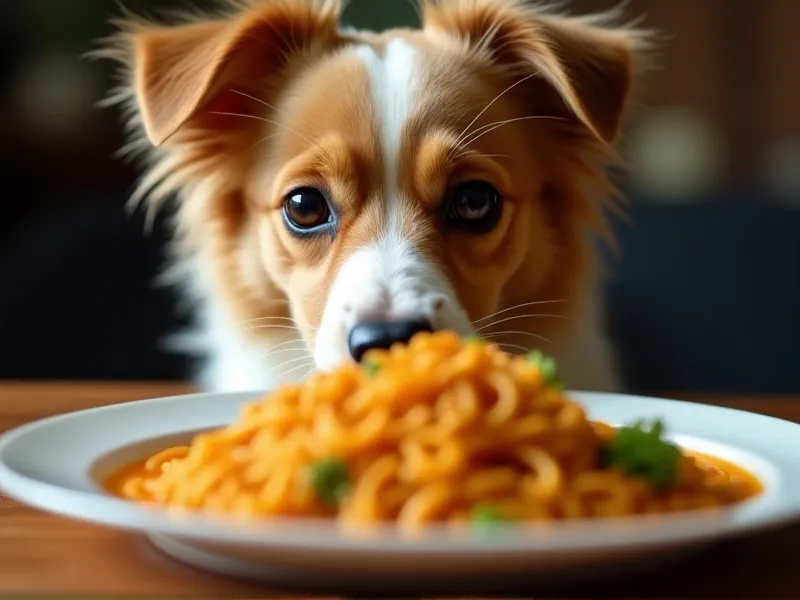
Table of Contents
- Can Dogs Eat Chow Mein? The Short Answer
- Potential Benefits of Chow Mein for Dogs (Yes, There Are a Few!)
- Nutrient Boost from Veggies
- Fiber for Digestive Health
- Potassium for Heart and Muscle Function
- The Risks of Feeding Chow Mein to Dogs (Why Caution is Key)
- High Sodium: A Hidden Danger
- Added Sugars: Empty Calories with Consequences
- Garlic and Onion: Toxic to Dogs
- Stomach Upset and Pancreatitis Risk
- Choking and Intestinal Blockage Hazards
- How Much Chow Mein is Safe for Dogs? (If Any)
- Portion Guidelines by Dog Size
- When to Avoid It Altogether
- Healthier Alternatives to Chow Mein for Dogs
- Homemade “Dog-Friendly Chow Mein”
- Simple Veggie Snacks
- Lean Protein + Whole Grain Combos
- Frequently Asked Questions (FAQ)
- Conclusion: Prioritize Your Pup’s Health
- References
1. Can Dogs Eat Chow Mein? The Short Answer
Let’s cut to the chase: Dogs can technically eat a tiny, occasional bite of plain, unseasoned chow mein, but it’s not recommended as a regular treat.
Chow mein itself isn’t inherently toxic to dogs, but most store-bought or restaurant versions are loaded with ingredients that can harm your pup, like high sodium, added sugars, garlic, and onion. Even “plain” chow mein often contains hidden seasonings or sauces that pose risks. For this reason, it’s generally safer to avoid sharing your chow mein with your dog—and if you do, it should be an extremely rare, small indulgence.
2. Potential Benefits of Chow Mein for Dogs (Yes, There Are a Few!)
Before we dive into the risks, let’s acknowledge the silver linings. If you did have a batch of chow mein with minimal seasoning (no soy sauce, garlic, or onion) and lots of fresh veggies, there could be a few minor benefits. These are far from reasons to feed chow mein regularly, but it’s helpful to understand what’s in it.
Nutrient Boost from Veggies
Many chow mein recipes include veggies like carrots, broccoli, snow peas, or bell peppers. These are packed with vitamins and minerals that are great for dogs:
- Carrots: Rich in beta-carotene (which converts to vitamin A, supporting eye health and immune function).
- Broccoli: A good source of vitamin C (antioxidant) and vitamin K (bone health).
- Bell peppers: High in vitamin C and fiber, with low calories.
But here’s the catch: These veggies are only beneficial if they’re fresh, unseasoned, and not cooked in oil or sauce. Most restaurant chow mein veggies are sautéed in salty oil or soy sauce, which negates these benefits.
Fiber for Digestive Health
Veggies and whole-grain noodles (if used) in chow mein can provide fiber, which supports healthy digestion in dogs. Fiber helps regulate bowel movements and keeps the gut microbiome happy. However, dogs don’t need much extra fiber, and too much (from raw or overcooked veggies) can cause gas or diarrhea.
Potassium for Heart and Muscle Function
Veggies like spinach (sometimes in chow mein) or carrots are good sources of potassium, an electrolyte that helps regulate heart rhythm and muscle function. Again, this is only a plus if the veggies are unseasoned—sodium in chow mein can deplete potassium levels, undoing any benefit.
Bottom line: The “benefits” of chow mein are minimal and easily obtained from safer, dog-specific foods (like steamed carrots or plain broccoli florets).
3. The Risks of Feeding Chow Mein to Dogs (Why Caution is Key)
Now, let’s get to the serious stuff. The risks of feeding chow mein to dogs far outweigh any minor benefits. Here’s what to watch out for:
High Sodium: A Hidden Danger
Sodium is the biggest concern with chow mein. Most restaurant chow mein is drowning in soy sauce, which is extremely high in salt. A single cup of restaurant chow mein can contain 500–1,500 mg of sodium—and the average dog only needs 100–200 mg of sodium per day (depending on size).
Too much sodium can lead to:
- Salt toxicity: Symptoms include vomiting, diarrhea, excessive thirst/urination, lethargy, seizures, or even death in severe cases.
- Dehydration: High salt intake pulls water from your dog’s cells, leading to dry gums, sunken eyes, or weakness.
- Long-term issues: Chronic high sodium can cause high blood pressure, kidney damage, or heart disease.
Added Sugars: Empty Calories with Consequences
Some chow mein sauces (especially sweet and sour variations) contain added sugars or honey. Dogs have no nutritional need for sugar, and excess can lead to:
- Obesity: Extra calories from sugar contribute to weight gain, which raises the risk of diabetes, joint pain, and heart disease.
- Dental issues: Sugar feeds harmful bacteria in your dog’s mouth, leading to cavities and gum disease.
Garlic and Onion: Toxic to Dogs
Many chow mein recipes (even savory ones) include garlic or onion powder, minced garlic, or scallions for flavor. These are members of the Allium family, which is toxic to dogs.
Alliums damage a dog’s red blood cells, causing a condition called hemolytic anemia, where red blood cells can’t carry oxygen properly. Symptoms include weakness, pale gums, lethargy, and dark urine. Even small amounts (like a sprinkle of garlic powder) can be dangerous, especially for small dogs.
Stomach Upset and Pancreatitis Risk
Chow mein is often greasy, with oil used to sauté noodles and veggies. Greasy foods can irritate a dog’s stomach, leading to vomiting, diarrhea, or pancreatitis—a painful inflammation of the pancreas.
Pancreatitis is serious: it can cause severe abdominal pain, loss of appetite, and even organ failure. Dogs with a history of pancreatitis or sensitive stomachs are especially at risk.
Choking and Intestinal Blockage Hazards
Long, stringy chow mein noodles pose a choking risk, especially for small dogs. If swallowed whole, they can also get stuck in the intestines, causing a blockage (which may require surgery to remove). Even broken noodles can clump together, leading to digestive issues.
4. How Much Chow Mein is Safe for Dogs? (If Any)
If you must share a bite of chow mein with your dog (we get it—those puppy eyes are hard to resist!), follow these strict guidelines:
Portion Guidelines by Dog Size
- Small dogs (under 20 lbs): No more than 1–2 tiny bites (about the size of a pea).
- Medium dogs (20–50 lbs): A teaspoon-sized portion (e.g., 1–2 small noodle pieces and a sliver of plain veggie).
- Large dogs (50+ lbs): Up to a tablespoon (but still, only if it’s unseasoned).
When to Avoid It Altogether
Never feed chow mein to your dog if:
- It contains garlic, onion, scallions, or leeks (even a little!).
- It’s coated in soy sauce, oyster sauce, or sweet and sour sauce (high sodium/sugar).
- It’s greasy or fried (pancreatitis risk).
- Your dog has health issues (kidney disease, heart problems, diabetes, or a sensitive stomach).
- Your dog is a puppy (their digestive systems are more delicate).
Pro tip: When in doubt, skip it. The risk isn’t worth the momentary tail wag.
5. Healthier Alternatives to Chow Mein
Instead of sharing chow mein, treat your pup to these dog-safe alternatives that satisfy their craving for something savory or crunchy—without the risks:
Homemade “Dog-Friendly Chow Mein”
Whip up a batch of this simple, vet-approved version:
- Noodles: Cook 1–2 plain, unseasoned whole-grain noodles (e.g., brown rice noodles) until soft.
- Veggies: Steam small pieces of carrots, green beans, or broccoli (no oil or salt).
- Protein (optional): Add a tiny bit of boiled chicken breast or turkey (no seasoning).
Mix together and serve as an occasional treat (1–2 tablespoons max for large dogs).
Simple Veggie Snacks
Most dogs love crunchy veggies! Try:
- Steamed or raw carrot sticks (great for teeth!).
- Frozen green beans (cool, crunchy, and low-calorie).
- Plain cucumber slices (hydrating and refreshing).
Lean Protein + Whole Grain Combos
Dogs thrive on protein and whole grains. Try:
- A spoonful of plain, cooked quinoa with boiled salmon (omega-3s for coat health).
- Oatmeal (cooked in water) with a dash of cinnamon (safe in small amounts) and blueberries.
6. Frequently Asked Questions (FAQ)
Q: Can dogs eat chow mein noodles alone (without sauce or veggies)?
A: Plain, unseasoned noodles (like cooked rice noodles) are not toxic, but they’re empty calories. They offer no nutritional value and pose a choking risk if too long. Stick to small, broken pieces as a very rare treat.
Q: My dog ate a lot of chow mein—what should I do?
A: If your dog ate chow mein with garlic/onion, or a large amount (more than the portion guidelines), contact your vet immediately. Symptoms of toxicity (vomiting, diarrhea, lethargy) can appear within hours. For plain chow mein, monitor for stomach upset (bloating, diarrhea) and offer plenty of fresh water to flush sodium.
Q: Is vegetable chow mein safer than meat chow mein for dogs?
A: Not necessarily. Vegetable chow mein still contains sauce (high sodium) and may have garlic/onion. The veggies are the only “safe” part, but they’re better served separately.
Q: Can puppies eat chow mein?
A: No. Puppies have sensitive digestive systems and are more prone to sodium toxicity or stomach upset. Stick to puppy-specific food and approved treats.
Q: Are there any types of chow mein that are “safe” for dogs?
A: No commercial or restaurant chow mein is truly “safe” for dogs. Even “low-sodium” versions often have hidden seasonings or garlic.
7. Conclusion: Prioritize Your Pup’s Health
At the end of the day, sharing a tiny bite of plain chow mein with your dog is unlikely to cause immediate harm—but why risk it? The high sodium, hidden toxins, and empty calories make chow mein a poor choice for our furry friends.
Instead, opt for the many dog-safe alternatives we’ve shared, and when in doubt, consult your vet. They can help you create a treat plan that keeps your pup happy, healthy, and tail-wagging for years to come.
After all, your dog loves you unconditionally—show them the same love by choosing treats that nourish, not harm.
8. References
- American Society for the Prevention of Cruelty to Animals (ASPCA). “Toxic and Non-Toxic Plants: Onion.” aspca.org
- PetMD. “Sodium Toxicity in Dogs.” petmd.com
- VCA Hospitals. “Pancreatitis in Dogs.” vcahospitals.com
- Cummings School of Veterinary Medicine at Tufts University. “Nutrition for Dogs: What’s in a Balanced Diet?” tuftscvm.org