· 8 min read
Can Dogs Eat Chorizo and Eggs? What Pet Parents Need to Know
It’s a lazy Sunday morning, and you’re in the kitchen, the smell of sizzling chorizo filling the air. Next to it, a pan of fluffy scrambled eggs is taking shape—your go-to comfort breakfast. At your feet, your dog sits patiently, tail thumping against the floor, those big, soulful eyes locked on your plate. “Just a tiny bite?” you think. “Surely chorizo and eggs can’t hurt, right?”
If you’ve ever found yourself in this scenario, you’re not alone. As pet parents, we want to share the things we love with our furry friends, but when it comes to human food, not everything on our plates is safe for dogs. So, can dogs eat chorizo and eggs? Let’s dive into the details to keep your pup happy, healthy, and out of harm’s way.
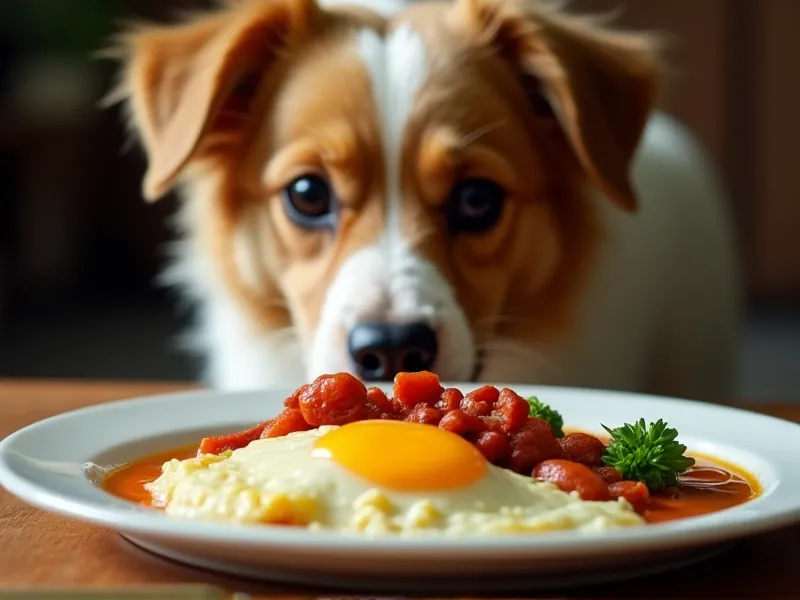
Table of Contents
- Can Dogs Eat Chorizo and Eggs? The Short Answer
- The Potential Benefits: Let’s Talk About Eggs
- The Risks: Why Chorizo is a Concern (and Eggs in Excess)
- Safe Feeding Guidelines: If You’re Considering Eggs
- Healthier Alternatives to Chorizo and Eggs
- Frequently Asked Questions (FAQ)
- Conclusion: When in Doubt, Ask Your Vet
1. Can Dogs Eat Chorizo and Eggs? The Short Answer
Let’s cut to the chase: Dogs should not eat chorizo, but plain, cooked eggs can be a safe, occasional treat in moderation.
Chorizo is a highly processed sausage typically made with pork, spices (like garlic or onion), salt, and preservatives—all of which pose risks to dogs. Eggs, on the other hand, are a nutrient-dense food packed with protein, vitamins, and minerals that can benefit your pup when prepared properly.
The key here is context. A bite of plain scrambled egg might be harmless, but even a small piece of chorizo could lead to digestive upset or worse. Let’s break down the “why” behind both.
2. The Potential Benefits: Let’s Talk About Eggs
Eggs are often called “nature’s multivitamin,” and for good reason. When cooked and served plain (no salt, butter, or seasoning), they can offer several benefits to dogs:
High-Quality Protein
Eggs are a complete protein, meaning they contain all nine essential amino acids dogs need for muscle growth, tissue repair, and overall energy. Protein is especially important for active dogs, puppies, and senior dogs maintaining muscle mass.
Essential Vitamins & Minerals
- Vitamin A: Supports eye health, immune function, and skin/coat health.
- B Vitamins (B12, Biotin, Riboflavin): Aid in cell function, energy production, and healthy metabolism. Biotin, in particular, is great for a shiny coat!
- Vitamin D: Helps absorb calcium and phosphorus, supporting strong bones and teeth.
- Minerals: Iron (oxygen transport), selenium (antioxidant), and zinc (immune support).
Gentle on Tummies
Vets often recommend plain cooked eggs as a bland food for dogs with upset stomachs. They’re easy to digest and can help soothe gastrointestinal irritation (think: after a bout of diarrhea or vomiting).
Affordable & Accessible
Eggs are budget-friendly and easy to prepare, making them a convenient occasional treat or supplement to your dog’s regular diet.
What About Chorizo?
Chorizo, unfortunately, has no redeeming nutritional value for dogs. It’s a processed meat designed for human taste buds, not canine health. Let’s talk about why it’s risky.
3. The Risks: Why Chorizo is a Concern (and Eggs in Excess)
Chorizo: A Recipe for Trouble
Chorizo is loaded with ingredients that are problematic for dogs, even in small amounts:
High Fat Content
Most chorizo is made with fatty pork, which can trigger pancreatitis in dogs. The pancreas produces enzymes to digest food, but a high-fat meal can cause it to become inflamed—a painful, potentially life-threatening condition. Symptoms include vomiting, diarrhea, lethargy, and loss of appetite.
Excess Sodium
Chorizo is extremely salty. Dogs need only a tiny amount of sodium (about 100mg per 1000 calories) to function. A single ounce of chorizo can contain 400–600mg of sodium—way more than a small dog’s daily limit! Too much salt leads to:
- Dehydration
- Increased thirst/urination
- Sodium ion poisoning (symptoms: vomiting, diarrhea, tremors, seizures, even death in severe cases).
Toxic Spices
Many chorizo varieties include garlic, onion, or chili peppers. Garlic and onions are toxic to dogs (even in small amounts) because they contain N-propyl disulfide, which damages red blood cells and causes anemia. Symptoms may take days to appear and include weakness, pale gums, and lethargy.
Preservatives
Processed meats like chorizo often contain nitrates/nitrites (to preserve color and flavor). While research on their effects in dogs is limited, these chemicals are linked to cancer in humans and may pose long-term risks to pets.
Choking Hazard
Chorizo is dense and chewy, which could cause choking, especially in small dogs or those who gulp their food.
Eggs in Excess: When Too Much of a Good Thing is Bad
While eggs are generally safe, overfeeding can lead to issues:
- Weight Gain: Eggs are calorie-dense (about 70 calories per large egg). Too many can contribute to obesity, especially if your dog is already on a calorie-controlled diet.
- Biotin Deficiency (Raw Eggs Only): Raw egg whites contain avidin, a protein that binds to biotin and prevents absorption. Cooking eggs neutralizes avidin, so this is only a risk with raw eggs (which also carry salmonella risk—more on that later).
- Digestive Upset: A sudden large serving of eggs (e.g., an entire scrambled egg for a Chihuahua) can cause diarrhea or vomiting, especially if your dog isn’t used to them.
4. Safe Feeding Guidelines: If You’re Considering Eggs
If you want to share eggs with your dog, follow these rules to keep them safe:
Stick to Cooked Eggs
Always cook eggs thoroughly (scrambled, boiled, or poached). Raw eggs may contain salmonella or E. coli, which can make both you and your dog sick. Cooking also removes the avidin risk from egg whites.
No Additives
Skip the salt, pepper, butter, oil, or cheese. Plain eggs only! Seasonings can irritate your dog’s stomach or, in the case of garlic/onion powder, be toxic.
Portion Control
Treat eggs as an occasional snack, not a meal replacement. A general rule:
- Small dogs (under 20 lbs): ¼ to ½ egg, once or twice a week.
- Medium dogs (20–50 lbs): ½ to 1 egg, once a week.
- Large dogs (50+ lbs): 1 egg, once a week.
Monitor for Allergies
While rare, some dogs are allergic to eggs. Watch for signs like itching, red skin, ear infections, or digestive upset after feeding. If you notice these, stop giving eggs and consult your vet.
Never Feed Chorizo
There’s no “safe” amount of chorizo for dogs. Even a tiny bite could cause stomach upset or pancreatitis. Keep it far from their reach!
5. Healthier Alternatives to Chorizo and Eggs
If you want to treat your dog to a “breakfast” of their own, skip the chorizo and opt for these dog-friendly alternatives:
Plain Cooked Proteins
- Boiled chicken breast: Lean, easy to digest, and packed with protein.
- Turkey: Low-fat and rich in B vitamins.
- Salmon: Cooked, boneless salmon offers omega-3 fatty acids for a shiny coat (avoid raw, as it may contain parasites).
Veggie Add-Ins
- Sweet potato: Cooked and mashed, it’s a great source of fiber and vitamins A and C.
- Green beans: Crunchy, low-calorie, and full of fiber (steamed or raw, no salt).
- Carrots: Raw or cooked, they’re a healthy, teeth-cleaning snack.
Dog-Friendly Breakfast Bowl Recipe
Whip up this simple meal for your pup:
- ¼ cup cooked, plain chicken breast (shredded)
- 1 tbsp boiled egg (mashed)
- 1 tbsp cooked sweet potato (mashed)
- A sprinkle of blueberries (antioxidants!)
Mix and serve warm—your dog will thank you!
6. Frequently Asked Questions (FAQ)
Q: My dog stole a piece of chorizo—what should I do?
A: Stay calm. If it was a small piece (e.g., a bite-sized chunk), monitor your dog for 24 hours for vomiting, diarrhea, lethargy, or increased thirst. If they ate a large amount or show symptoms, contact your vet immediately—pancreatitis or salt poisoning can escalate quickly.
Q: Can dogs eat chorizo-flavored eggs (without the actual chorizo)?
A: No. Even if you skip the chorizo, seasoning like garlic powder, onion powder, or chili flakes is still toxic. Stick to plain, unseasoned eggs.
Q: Are raw eggs ever safe for dogs?
A: Most vets recommend cooking eggs to avoid salmonella risk. While some raw-fed dogs eat raw eggs, there’s a chance of bacterial infection, especially in puppies, seniors, or immunocompromised dogs.
Q: Can puppies eat eggs?
A: Yes, in moderation! Puppies need extra protein, but introduce eggs slowly (start with ¼ egg) to avoid digestive upset. Consult your vet first, especially if they’re on a specialized puppy diet.
Q: Is there a “safe” type of chorizo (e.g., turkey chorizo or low-sodium)?
A: No. Even turkey chorizo is high in fat, salt, and often contains garlic/onion. There’s no such thing as “dog-safe” chorizo.
7. Conclusion: When in Doubt, Ask Your Vet
At the end of the day, sharing food with our dogs is a way to show love—but their health always comes first. While plain, cooked eggs can be a nutritious occasional treat, chorizo is best kept off their menu entirely.
Every dog is different: a large, active dog might tolerate a small egg better than a tiny, sensitive pup. If you’re unsure about adding eggs to their diet, or if your dog has health issues (like pancreatitis, kidney disease, or allergies), always consult your vet first.
So, next time you’re making breakfast, skip the chorizo for your dog—but feel free to share a tiny bite of plain scrambled egg (after asking your vet, of course). Your pup will love the special treat, and you’ll have peace of mind knowing you’re keeping them safe.
Happy feeding, and here’s to many more tail-wagging breakfasts!
References
- American Society for the Prevention of Cruelty to Animals (ASPCA). Toxic and Non-Toxic Plants & Foods. aspca.org/pet-care/animal-poison-control
- American Kennel Club (AKC). Can Dogs Eat Eggs? akc.org/expert-advice/nutrition/can-dogs-eat-eggs
- PetMD. Pancreatitis in Dogs. petmd.com/dog/conditions/digestive/c_dg_pancreatitis
- VCA Hospitals. Salt Poisoning in Dogs. vcahospitals.com/know-your-pet/salt-poisoning-in-dogs