· 8 min read
Can Dogs Eat Chorizo? The Surprising Truth Every Pet Parent Should Know
It’s a sunny Sunday morning, and you’re whipping up a batch of huevos rancheros—complete with sizzling chorizo. The kitchen smells of smoky paprika and garlic, and suddenly, you feel a soft nudge at your ankle. Your dog, Luna, is gazing up at you with those big, soulful eyes, tail thumping like a metronome. “Just a tiny bite?” you think. “What harm could it do?”
If you’ve ever found yourself in this scenario, you’re not alone. Many pet parents wonder if sharing human foods like chorizo is safe for their furry friends. After all, dogs are part of the family, and it’s hard to resist those puppy-dog eyes. But when it comes to chorizo, the answer isn’t as simple as “yes” or “no.”
In this guide, we’ll break down everything you need to know about chorizo and dogs: what chorizo is, whether it’s safe, the potential risks (and very few benefits), how much (if any) your dog can eat, and healthier alternatives to satisfy their snack cravings. Let’s dive in!
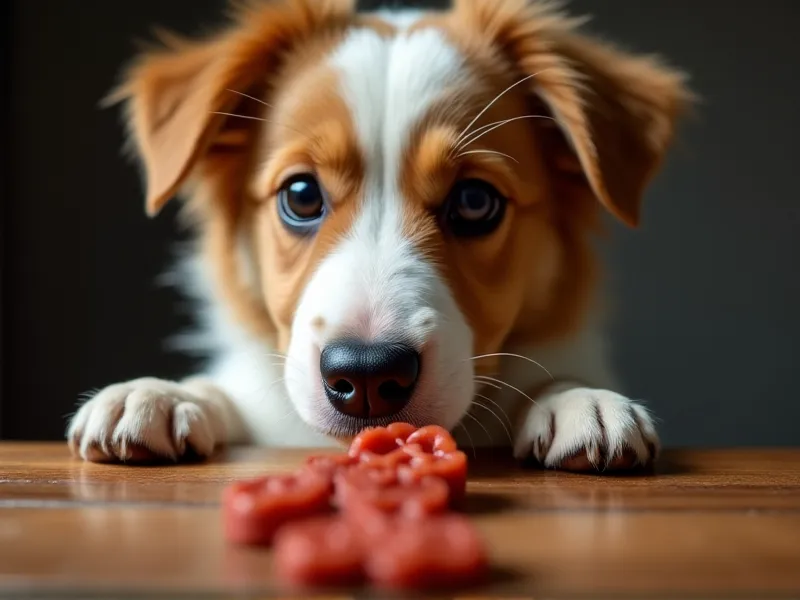
Table of Contents
- What Is Chorizo, Anyway?
- Can Dogs Eat Chorizo? The Short Answer
- Potential Benefits of Chorizo for Dogs (Spoiler: They’re Minimal)
- The Risks of Feeding Chorizo to Dogs (Why It’s Best to Avoid)
- High Fat: A Recipe for Pancreatitis
- Excess Sodium: Dangerous for Dogs’ Kidneys
- Toxic Spices: Garlic, Onion, and More
- Preservatives: Hidden Health Hazards
- Choking Risks: The Casing and Texture
- How Much Chorizo Can Dogs Safely Eat?
- Healthier Alternatives to Chorizo
- FAQ: Your Chorizo Questions Answered
- Conclusion: Prioritize Your Dog’s Health
What Is Chorizo, Anyway?
Before we answer whether dogs can eat chorizo, let’s clarify what chorizo actually is. Chorizo is a spicy, flavorful sausage with roots in Spain and Latin America, though variations exist worldwide. Most commonly, it’s made from ground pork (though beef or turkey versions exist) mixed with a bold blend of spices like paprika (smoked or sweet), garlic, cumin, oregano, and chili peppers.
There are two main types:
- Spanish chorizo: Typically cured and dried, similar to salami. It’s firm, shelf-stable, and often eaten sliced or added to stews.
- Mexican chorizo: Fresh (not cured) and raw, requiring cooking before eating. It’s softer, more crumbly, and often used in tacos, breakfast dishes, or soups.
Both types share a few key traits: high fat content, generous salt, and a punch of spices. And as we’ll explore, these traits are exactly what make chorizo risky for dogs.
Can Dogs Eat Chorizo? The Short Answer
No, chorizo is not safe for dogs to eat.
While a tiny, accidental bite might not harm your dog immediately, chorizo is packed with ingredients that pose serious health risks. From high fat and salt to toxic spices, this sausage is best kept far from your pup’s bowl. Let’s break down why.
Potential Benefits of Chorizo for Dogs (Spoiler: They’re Minimal)
At first glance, chorizo might seem like it has some nutritional upside—it is meat, after all. Let’s acknowledge the few potential benefits, but with a big caveat: these are overshadowed by the risks.
- Protein: Pork (the main ingredient) is a good source of protein, which dogs need for muscle health, energy, and immune function. However, chorizo’s protein comes with a side of unhealthy fat and additives, making it a poor choice compared to lean, unseasoned meats.
- Iron and Zinc: Pork contains iron (supports red blood cells) and zinc (aids skin, coat, and immune health). Again, these nutrients are better obtained from safer sources like plain chicken, turkey, or beef.
- B Vitamins: Pork has B vitamins (B12, niacin) that help with energy metabolism. But once again, the risks of chorizo far outweigh this minor benefit.
The Risks of Feeding Chorizo to Dogs (Why It’s Best to Avoid)
Now, let’s get to the heart of the matter: why chorizo is dangerous for dogs. Here are the biggest risks:
1. High Fat Content: A Recipe for Pancreatitis
Chorizo is extremely high in fat. Even leaner versions (like turkey chorizo) contain far more fat than dogs should consume. Dogs have sensitive digestive systems, and a high-fat diet can trigger pancreatitis—a painful, potentially life-threatening condition where the pancreas becomes inflamed.
Symptoms of pancreatitis include:
- Vomiting (often frequent or projectile)
- Diarrhea (may be bloody)
- Abdominal pain (your dog may hunch over, whine, or resist touch near their belly)
- Lethargy or weakness
- Loss of appetite
Pancreatitis requires immediate veterinary care. In severe cases, it can lead to organ failure or death.
2. Excess Sodium: Dangerous for Dogs’ Kidneys
Dogs need salt to survive, but only in tiny amounts. The average dog needs about 100-200 mg of sodium per day (depending on size). A single serving of chorizo, however, can contain 500-1,000 mg of sodium—more than a dog’s entire daily requirement!
Too much salt causes sodium ion poisoning, which disrupts the balance of fluids in your dog’s body. Symptoms include:
- Extreme thirst and urination
- Vomiting or diarrhea
- Tremors or seizures
- Rapid heartbeat
- Confusion or disorientation
In severe cases, high sodium can lead to kidney damage, coma, or death.
3. Toxic Spices: Garlic, Onion, and More
Chorizo’s signature flavor comes from spices like garlic, onion, paprika, and chili peppers—all of which are problematic for dogs:
- Garlic and Onion: These belong to the Allium family, which is toxic to dogs. Even small amounts can damage red blood cells, leading to anemia (symptoms: weakness, pale gums, lethargy). Mexican chorizo often contains fresh garlic, while Spanish chorizo may have garlic powder—both are dangerous.
- Paprika: While not toxic, paprika is highly irritating to dogs’ digestive systems. It can cause stomach upset, diarrhea, or inflammation.
- Chili Peppers: Capsaicin (the compound that makes chili spicy) can burn your dog’s mouth, throat, and stomach, leading to pain, vomiting, or excessive drooling.
4. Preservatives: Hidden Health Hazards
Many chorizos (especially cured varieties like Spanish chorizo) contain preservatives like nitrates or nitrites to extend shelf life and enhance color. While the FDA deems these safe for humans in small amounts, they’re linked to health issues in dogs, including an increased risk of cancer and methemoglobinemia (a blood disorder that reduces oxygen transport).
Some chorizos also contain BHA/BHT, synthetic antioxidants linked to liver and kidney damage in pets.
5. Choking Risks: The Casing and Texture
Chorizo’s casing (often made from animal intestines) is tough and indigestible. If your dog swallows a piece whole, it could get stuck in their throat or intestines, causing choking or an obstruction—both medical emergencies. Even crumbled chorizo can pose a risk if your dog eats too quickly.
How Much Chorizo Can Dogs Safely Eat?
None.
Veterinarians universally recommend avoiding chorizo entirely. Even a small amount (like a bite-sized piece) can cause stomach upset in sensitive dogs. Larger portions? Think pancreatitis, sodium poisoning, or anemia from garlic/onion.
If your dog accidentally snags a tiny crumb (e.g., a drop from the pan), monitor them for 24 hours. Watch for vomiting, diarrhea, or lethargy. If they ate more than a bite (or if the chorizo contained garlic/onion), contact your vet immediately. Better safe than sorry!
Healthier Alternatives to Chorizo
Just because chorizo is off the table doesn’t mean you can’t share tasty (and safe!) snacks with your pup. Here are some dog-friendly alternatives that satisfy their love for meaty flavors without the risks:
1. Lean, Unseasoned Meats
- Cooked Chicken/Turkey: Boiled or baked (no salt, spices, or oil) is a top choice. High in protein, low in fat, and easy to digest.
- Plain Beef: Lean cuts like sirloin, cooked thoroughly and chopped into small pieces.
2. Eggs
- Boiled Eggs: A protein-packed snack with vitamins A, D, and B12. Just avoid adding salt or butter.
3. Dog-Safe Fruits and Veggies
- Carrots: Crunchy, low-calorie, and great for dental health.
- Blueberries: Rich in antioxidants (just a few at a time—they’re high in sugar!).
- Green Beans: Fresh or steamed, a fiber-rich treat.
4. Commercial Dog Treats
Look for high-quality treats with simple ingredients (e.g., “chicken” as the first ingredient, no added salt/spices). Brands like Blue Buffalo, Wellness, or Zuke’s are good options.
FAQ: Your Chorizo Questions Answered
Q: My dog ate a chorizo sausage—what should I do?
A: Stay calm. First, check the ingredients (did it have garlic/onion?). Then, contact your vet immediately. Even if your dog seems fine, garlic/onion toxicity can take 2-5 days to show symptoms. Bring the chorizo package (if available) to help your vet assess the risk.
Q: Is Spanish chorizo safer than Mexican chorizo for dogs?
A: No. Both are high in fat, salt, and spices. Spanish chorizo may have more preservatives, while Mexican chorizo often has fresh garlic/onion—both are risky.
Q: Can dogs eat chorizo-flavored dog treats?
A: Maybe, but read the label! Some “chorizo-flavored” dog treats use safe spices and no garlic/onion. Stick to brands you trust, and avoid any with Allium ingredients.
Q: What if my dog only eats a tiny bit of chorizo occasionally?
A: Even small, occasional amounts add up. Over time, excess salt can strain kidneys, and garlic/onion can cause cumulative damage to red blood cells. It’s not worth the risk!
Conclusion: Prioritize Your Dog’s Health
At the end of the day, sharing food with your dog is about love—but love means keeping them safe. Chorizo’s high fat, salt, toxic spices, and preservatives make it a risky choice, even in small bites.
Instead of chorizo, opt for lean meats, eggs, or dog-safe fruits/veggies. Your pup will wag their tail just as hard (if not harder!) for a plain chicken treat as they would for a spicy sausage.
And when in doubt? Always consult your vet. They know your dog’s unique health needs and can help you make the best choices for their diet.
Here’s to many happy, healthy snack times with your furry friend—minus the chorizo!
References
- American Society for the Prevention of Cruelty to Animals (ASPCA). “Toxic and Non-Toxic Plants.” aspca.org/pet-care/animal-poison-control/toxic-and-non-toxic-plants
- American Kennel Club (AKC). “Can Dogs Eat Pork?” akc.org/expert-advice/nutrition/can-dogs-eat-pork/
- VCA Hospitals. “Pancreatitis in Dogs.” vcahospitals.com/know-your-pet/pancreatitis-in-dogs
- Pet Poison Helpline. “Allium Poisoning in Dogs and Cats.” petpoisonhelpline.com/poison/allium/