· 7 min read
Can Dogs Eat Chomps Beef Sticks? A Pet Parent’s Guide to Safe Snacking
It’s a familiar scene: You’re curled up on the couch, savoring a Chomps beef stick—salty, satisfying, and perfectly chewy. Suddenly, you feel a wet nose nudge your hand. You look down to find your dog, tail thumping, ears perked, those irresistible puppy eyes begging, “Can I have a bite?”
As a pet parent, your first thought is probably, “Is this safe?” After all, you want to treat your fur baby, but not at the cost of their health. Chomps beef sticks are marketed as “human-grade” and “natural,” but does that mean they’re dog-friendly? Let’s dive into the details to help you make the best choice for your pup.
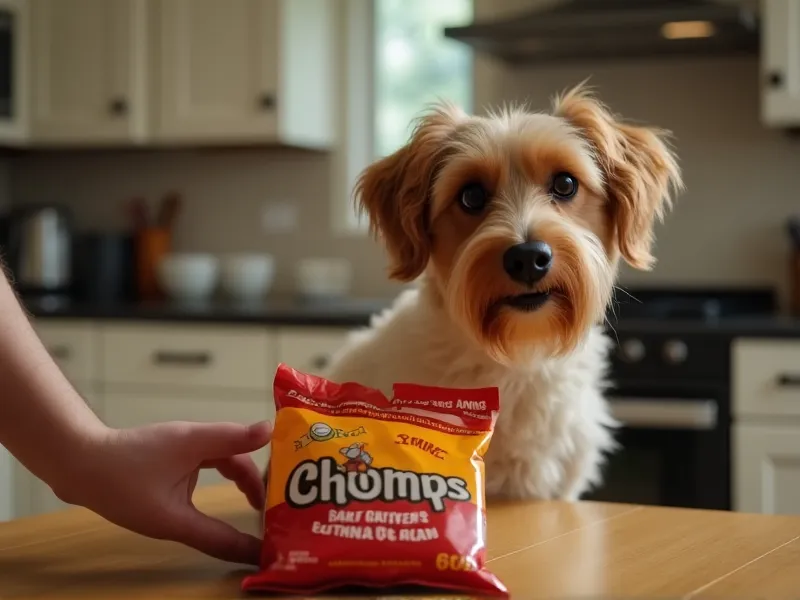
Table of Contents
- The Short Answer: Can Dogs Eat Chomps Beef Sticks?
- Potential Benefits of Chomps for Dogs (When Given Safely)
- Risks to Watch For: Why Not All Chomps Are Created Equal
- Feeding Guidelines: How Much (and How Often) Is Safe?
- Healthier Alternatives to Chomps for Your Dog
- FAQ: Your Most Pressing Questions Answered
- Conclusion: Treat Smart, Keep Your Pup Happy
The Short Answer: Can Dogs Eat Chomps Beef Sticks?
Yes, dogs can eat Chomps beef sticks occasionally—but with important caveats.
Chomps are made with real beef (a protein source dogs love) and often contain minimal ingredients, which is a plus. However, not all Chomps flavors or varieties are safe, and even “safe” ones can pose risks if overfed or given to dogs with specific health issues. The key is to check the ingredient list, watch portion sizes, and treat them as a special snack, not a meal replacement.
Potential Benefits of Chomps for Dogs (When Given Safely)
When chosen carefully and fed in moderation, Chomps can offer some perks for your pup. Let’s break down the potential benefits:
1. High-Quality Protein Source
Most Chomps sticks are made with 100% beef as the first ingredient (check the label to confirm!). Protein is essential for dogs: it supports muscle growth, repairs tissue, and keeps their coat shiny and skin healthy. For active dogs or those recovering from illness, a little extra protein from a treat can be a nice boost.
2. Minimal Fillers (in Some Varieties)
Many Chomps products pride themselves on being “clean” snacks, free from artificial preservatives, colors, or flavors. This is a win for pet parents who want to avoid mystery ingredients. For example, Chomps’ Original Beef Stick lists only beef, water, sea salt, and natural flavors—no corn, soy, or wheat. Less filler means fewer empty calories and a lower risk of triggering food sensitivities.
3. Convenient Training Tool
Chomps are small, portable, and easy to break into bite-sized pieces—perfect for training sessions! A tiny chunk can motivate your dog to learn new commands or reinforce good behavior. Just remember: training treats should make up no more than 10% of their daily calories (more on that later!).
Risks to Watch For: Why Not All Chomps Are Created Equal
While Chomps can be a safe treat, they’re not without risks. Here’s what to watch out for before sharing:
1. Hidden Toxic Ingredients
Not all Chomps flavors are dog-safe. Some varieties include ingredients that are toxic to dogs, such as:
- Onion/garlic powder: These can damage a dog’s red blood cells, leading to anemia (even in small amounts).
- Xylitol: A sugar substitute found in “sugar-free” products (like some flavored Chomps). Xylitol causes a dangerous drop in blood sugar and liver failure in dogs—even a tiny amount is deadly.
- Excess salt: Dogs need only small amounts of sodium (about 100mg per kg of body weight daily). Some Chomps sticks have high salt content (e.g., 300mg per stick), which can lead to dehydration, kidney issues, or salt toxicity (symptoms: vomiting, diarrhea, seizures).
Pro tip: Always read the ingredient list! Stick to plain beef or turkey Chomps, and avoid flavors like “Spicy Jalapeño” or “Hickory Smoked” (which may contain onion/garlic).
2. Choking Hazard
Chomps are chewy, but they can still pose a choking risk—especially for small dogs, aggressive chewers, or dogs who gulp treats without chewing. If the stick is too big, your dog might try to swallow it whole, leading to a blockage in their throat or intestines.
How to prevent this: Break the stick into small pieces before feeding, and always supervise your dog while they’re eating. If your dog tends to wolf down treats, skip Chomps altogether and opt for softer snacks.
3. Stomach Upset (from Overfeeding)
Even safe Chomps can cause digestive issues if given in large quantities. Dogs’ tummies are sensitive to sudden changes in diet, and too much beef jerky can lead to:
- Diarrhea
- Vomiting
- Bloating (especially in deep-chested breeds like Great Danes or Boxers)
This is why portion control is critical!
Feeding Guidelines: How Much (and How Often) Is Safe?
Chomps should be an occasional treat, not a daily staple. Here’s how to feed them safely:
1. Check the Calorie Count
Treats should make up no more than 10% of your dog’s daily calories. For example:
- A 10lb dog (needs ~300 calories/day) can have up to 30 calories from treats—about ¼ of a Chomps stick.
- A 50lb dog (needs ~800 calories/day) can have up to 80 calories—about ½–1 full stick.
Check the Chomps label for calories per stick (most are ~70–100 calories).
2. Size Matters
- Small dogs (under 20lbs): Break a Chomps stick into 4–6 tiny pieces. Offer 1–2 pieces at a time, 1–2 times per week.
- Medium dogs (20–50lbs): ¼–½ a stick, once or twice a week.
- Large dogs (50+ lbs): Up to 1 full stick, once a week.
3. Avoid Feeding to Dogs with Health Issues
Skip Chomps if your dog has:
- Kidney disease (high sodium is dangerous)
- Pancreatitis (fatty treats can trigger flare-ups)
- Diabetes (sugar in some varieties spikes blood sugar)
- Food allergies (beef may be an allergen for some dogs)
Healthier Alternatives to Chomps for Your Dog
If you’re hesitant about Chomps, or want to mix up your dog’s treats, try these safer, nutrient-dense alternatives:
1. Homemade Beef Jerky
Make your own dog-safe jerky by slicing lean beef (like sirloin) into thin strips, baking at 200°F for 2–3 hours (no salt, spices, or sugar!). This way, you control the ingredients and sodium.
2. Fresh Fruits and Veggies
Many dogs love crunchy, low-calorie snacks like:
- Carrots: High in fiber and vitamin A (good for eyesight).
- Apples: Rich in antioxidants (remove the core and seeds, which contain cyanide).
- Blueberries: Packed with vitamins and anti-inflammatory properties.
3. Vet-Recommended Treats
Look for treats specifically formulated for dogs, such as:
- Zuke’s Mini Naturals: Small, low-calorie, and made with real meat.
- Wellness Core Pure Rewards: Grain-free, high-protein, and free from artificial ingredients.
- Greenies Dental Chews: Help clean teeth while satisfying the urge to chew.
FAQ: Your Most Pressing Questions Answered
Q: Can puppies eat Chomps beef sticks?
A: Puppies (under 6 months) have sensitive digestive systems. It’s best to wait until they’re older (6+ months) and their tummies are more resilient. Even then, stick to tiny pieces and monitor for diarrhea.
Q: My dog ate a whole pack of Chomps! What should I do?
A: Stay calm, but monitor them closely. Symptoms of overindulgence include vomiting, diarrhea, or lethargy. If you notice these, contact your vet. If the pack contained toxic ingredients (onion, xylitol), call your vet or the ASPCA Animal Poison Control Center (888-426-4435) immediately.
Q: Are Chomps “human-grade” treats safer for dogs?
A: “Human-grade” means the ingredients are fit for people to eat, but that doesn’t automatically make them dog-safe. Dogs have different nutritional needs (e.g., they can’t process xylitol or excess salt). Always prioritize treats made for dogs over human snacks.
Q: Can senior dogs eat Chomps?
A: Senior dogs may have health issues (kidney, dental) that make Chomps risky. Ask your vet first—they may recommend softer, lower-sodium treats instead.
Conclusion: Treat Smart, Keep Your Pup Happy
Chomps beef sticks can be a tasty, occasional treat for dogs—if you choose the right variety, feed them in moderation, and avoid toxic ingredients. Always read the label, break sticks into small pieces, and supervise your dog while they snack.
Remember: Every dog is different! What works for one pup may not work for another. When in doubt, check with your vet—they know your dog’s health history and can help you make the best choice.
At the end of the day, the goal is to keep your fur baby happy and healthy. A little love (and a safe treat!) goes a long way. 🐾
References
- American Society for the Prevention of Cruelty to Animals (ASPCA). “People Foods to Avoid Feeding Your Pets.” aspca.org/pet-care/animal-poison-control/people-foods-avoid-feeding-your-pets
- U.S. Food and Drug Administration (FDA). “How to Choose Safer Pet Treats.” fda.gov/animal-veterinary/animal-health-literacy/how-choose-safer-pet-treats
- Coates, J. (2021). “Can Dogs Eat Beef Jerky?” PetMD. petmd.com/dog/nutrition/can-dogs-eat-beef-jerky
- World Small Animal Veterinary Association (WSAVA). “Global Nutrition Committee: Feeding Guidelines.” wsava.org/global-nutrition-committee