· 8 min read
Can Dogs Eat Chocolate Cookies? The Sweet Truth Every Pet Parent Needs to Know
It’s a lazy Saturday morning, and you’re savoring a warm chocolate chip cookie—crunchy on the edges, gooey in the middle. Suddenly, a wet nose nudges your hand, and those big, soulful eyes lock onto your treat. “Just a tiny bite?” you think. “Surely one little piece won’t hurt my good boy, right?”
If you’ve ever found yourself in this scenario, you’re not alone. Chocolate cookies are a beloved human snack, but when it comes to our furry friends, the rules change. Today, we’re diving into the question: Can dogs eat chocolate cookies? Spoiler: The answer isn’t as simple as “yes” or “no”—but we’ll break it down, so you can keep your pup safe and happy.
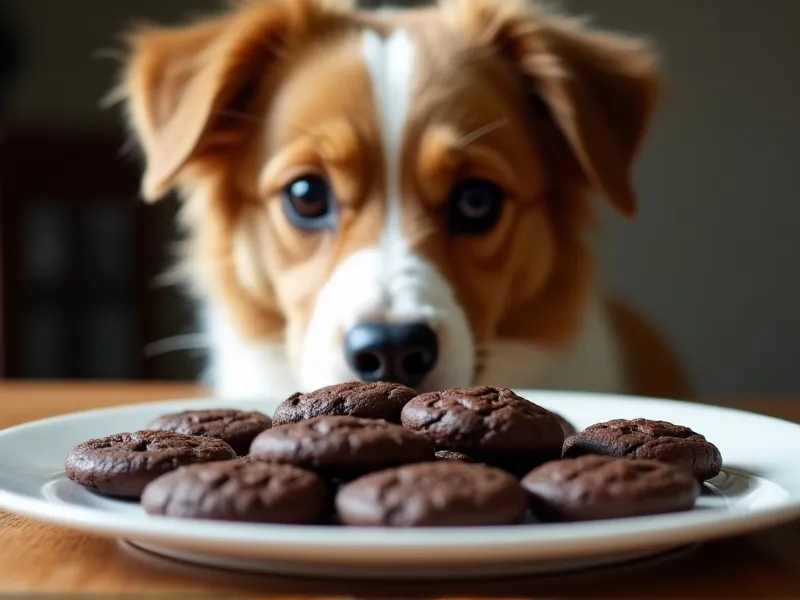
Table of Contents
- Can Dogs Eat Chocolate Cookies? The Short Answer
- The Ingredients Breakdown: What’s in a Chocolate Cookie?
- The Risks of Chocolate for Dogs: Why It’s Toxic
- Are There Any “Benefits” to Chocolate Cookies for Dogs?
- How Much Chocolate is Too Much? A Toxicity Guide
- What to Do If Your Dog Ate a Chocolate Cookie
- Healthier Alternatives: Treats Your Dog Will Love
- FAQ: Your Chocolate Cookie Questions Answered
- Conclusion: Prioritizing Your Dog’s Safety
Can Dogs Eat Chocolate Cookies? The Short Answer
No, dogs should not eat chocolate cookies.
While a single chocolate chip might not send your dog to the emergency vet, chocolate itself is toxic to dogs, and most chocolate cookies contain enough chocolate (and other harmful ingredients) to pose a serious risk. Even “small” amounts can lead to symptoms like vomiting, diarrhea, or worse—especially in small dogs, puppies, or dogs with health conditions.
Let’s unpack why.
The Ingredients Breakdown: What’s in a Chocolate Cookie?
To understand why chocolate cookies are risky, let’s start with the basics: What is in a typical chocolate cookie? Most recipes include:
- Flour (usually wheat)
- Sugar (white, brown, or powdered)
- Butter or oil
- Eggs
- Chocolate (chips, chunks, or cocoa powder)
- Vanilla extract
- Leavening agents (baking soda/powder)
Some may also include extras like nuts (e.g., walnuts, macadamia nuts), raisins, or artificial sweeteners (like xylitol).
While ingredients like flour, eggs, and butter aren’t inherently toxic to dogs, the chocolate and added sugars (and potential hidden dangers like xylitol) are the real problems. Let’s zoom in on the worst offenders.
The Risks of Chocolate for Dogs: Why It’s Toxic
Chocolate contains two stimulants that are toxic to dogs: theobromine and caffeine. Humans metabolize these compounds quickly, but dogs process them much slower—meaning they build up in their system, leading to poisoning.
How Toxicity Works:
Theobromine affects the central nervous system, heart, and kidneys. Even small amounts can cause:
- Restlessness, hyperactivity
- Increased heart rate or arrhythmias (irregular heartbeat)
- Vomiting, diarrhea, or excessive thirst
- Muscle tremors or seizures
- In severe cases, organ failure or death
The danger depends on three factors:
- Type of chocolate: Dark chocolate, unsweetened baking chocolate, and cocoa powder have the highest theobromine levels. Milk chocolate has less, and white chocolate has the least (but is still not safe!).
- Amount eaten: More chocolate = higher risk.
- Your dog’s size: Small dogs (e.g., Chihuahuas, Yorkies) are far more vulnerable than large breeds (e.g., Great Danes, Labradors).
Other Hidden Risks in Cookies:
- Sugar overload: Excess sugar leads to obesity, dental disease, and diabetes in dogs—even in “small” amounts over time.
- Xylitol: Some “sugar-free” cookies use xylitol, an artificial sweetener that’s extremely toxic to dogs. Just 0.1 grams per pound of body weight can cause life-threatening hypoglycemia (low blood sugar), seizures, or liver failure. Always check labels!
- High fat content: Butter and oil can trigger pancreatitis (inflammation of the pancreas) in dogs, which is painful and potentially fatal.
- Choking hazards: Large cookie chunks or nuts can get stuck in your dog’s throat, especially in small breeds.
Are There Any “Benefits” to Chocolate Cookies for Dogs?
You might wonder: “But cookies have oats, right? Or maybe some fiber from flour?” It’s true—some ingredients in cookies (like oats, if used) contain fiber, and eggs have protein. But these “benefits” are negligible compared to the risks.
Think of it this way: Feeding your dog a chocolate cookie is like giving them a tiny, dangerous package of empty calories. The sugar, fat, and toxic chocolate far outweigh any minor nutritional perks. Your dog’s body doesn’t need processed sugars or theobromine—so why risk it?
How Much Chocolate is Too Much? A Toxicity Guide
Worried about portion sizes? Let’s put it in perspective. The ASPCA notes that theobromine toxicity in dogs typically starts at 20 mg per pound of body weight, with severe toxicity at 60 mg per pound.
Here’s a quick reference for common chocolate types (based on theobromine content per ounce):
- Unsweetened baking chocolate: ~450 mg/oz
- Dark chocolate (70-85% cocoa): ~130 mg/oz
- Milk chocolate: ~44 mg/oz
- White chocolate: ~0.25 mg/oz (still has trace amounts + sugar/fat risks)
Example Scenarios:
- A 10-pound dog: Just 1 ounce of milk chocolate (~44 mg) is enough to reach the 20 mg/lb toxicity threshold. A standard chocolate chip cookie has ~0.1-0.3 ounces of milk chocolate. So 3-4 cookies could cause mild symptoms.
- A 50-pound dog: They’d need ~5 ounces of milk chocolate to hit 20 mg/lb. That’s about 15-20 chocolate chip cookies—unlikely, but still risky due to sugar/fat.
- Any dog + dark chocolate: Even 0.5 ounces of dark chocolate (65 mg) could sicken a 10-pound dog.
Pro tip: When in doubt, use the Pet Poison Helpline’s chocolate toxicity calculator to estimate risk based on your dog’s weight and chocolate type.
What to Do If Your Dog Ate a Chocolate Cookie
If you catch your dog sneaking a chocolate cookie (or find crumbs and suspect they did), stay calm—and act fast. Here’s what to do:
- Check the details: Note the type of cookie (milk/dark chocolate? sugar-free?), how many they ate, and your dog’s weight.
- Call your vet or the Pet Poison Helpline: (855) 764-7661 (fees may apply). They’ll help assess the risk and guide you.
- Do NOT induce vomiting unless told to: Some cases (e.g., if they ate a lot, or if the cookie had nuts/raisins) require professional care. Vomiting could worsen choking or damage the esophagus.
- Monitor for symptoms: Watch for vomiting, diarrhea, restlessness, increased thirst/urination, or seizures. These can appear within 2-4 hours (or up to 12 hours for dark chocolate).
Even if your dog seems fine, it’s better to call—some symptoms (like heart issues) can be silent until it’s too late.
Healthier Alternatives: Treats Your Dog Will Love
Instead of sharing your chocolate cookie, spoil your pup with these safe, tasty alternatives:
1. Homemade Dog Cookies
Whip up a batch with dog-friendly ingredients like:
- Oats (fiber!)
- Pumpkin puree (no added sugar—great for digestion)
- Peanut butter (no xylitol! Check labels)
- Mashed banana
- Carrots or sweet potato
Recipe idea: Mix 1 cup oats, ½ cup pumpkin, 2 tbsp peanut butter, and 1 egg. Roll into balls, flatten, bake at 350°F for 15-20 minutes. Store in the fridge!
2. Fresh Fruits & Veggies
Dogs love crunchy, sweet snacks—try:
- Blueberries (antioxidants)
- Apple slices (remove seeds!)
- Carrot sticks (low-calorie, great for teeth)
- Green beans (cooked or raw)
3. Store-Bought Dog Treats
Look for brands with simple, human-grade ingredients (e.g., Zuke’s, Wellness, or Merrick). Avoid treats with added sugars, artificial flavors, or “by-products.”
FAQ: Your Chocolate Cookie Questions Answered
Q: What if my dog only ate one chocolate chip?
A: A single chocolate chip (milk chocolate) is unlikely to harm a medium/large dog. But monitor them for 24 hours—if they act off, call your vet. Small dogs (under 10 lbs) should still be checked.
Q: Is white chocolate safe for dogs?
A: White chocolate has minimal theobromine, but it’s high in sugar and fat. It can cause stomach upset or pancreatitis, so it’s best to avoid.
Q: Can puppies eat chocolate cookies?
A: Puppies have smaller bodies and developing organs, making them more sensitive to toxins. Even a small cookie could be dangerous—never feed them chocolate.
Q: Are there any cookies dogs can safely eat?
A: Yes! Look for dog-specific cookies (no chocolate/xylitol) or make your own with safe ingredients (see the “Healthier Alternatives” section).
Q: How long after eating chocolate will symptoms show?
A: Symptoms usually start within 2-4 hours, but dark chocolate can take 6-12 hours. If your dog ate a lot, symptoms may last 24-48 hours.
Conclusion: Prioritizing Your Dog’s Safety
At the end of the day, chocolate cookies are a human treat—not a dog’s. While it’s tempting to share, the risk of toxicity, sugar overload, or pancreatitis isn’t worth the tail wags (trust us, they’ll wag just as hard for a carrot stick!).
If your dog accidentally eats a chocolate cookie, stay calm and call your vet. For everyday treats, opt for dog-safe snacks where you control the ingredients. Your pup’s health (and those puppy eyes) will thank you.
Remember: When in doubt about a food, always check with your vet. They know your dog’s unique needs best!
References
- American Society for the Prevention of Cruelty to Animals (ASPCA). (n.d.). Chocolate Toxicity in Dogs.
- Pet Poison Helpline. (n.d.). Chocolate Poisoning in Dogs.
- American Veterinary Medical Association (AVMA). (2021). Xylitol Poisoning in Dogs.
- Cummings School of Veterinary Medicine at Tufts University. (2020). Pancreatitis in Dogs.