· 9 min read
Can Dogs Eat Chocolate Cake? The Sweet Truth Every Pet Parent Needs to Know
It’s your birthday, and the kitchen is filled with the warm aroma of vanilla and chocolate. You’ve spent hours frosting a decadent chocolate cake, and as you set it on the counter, your dog—tail thumping, eyes glued to the treat—trots over. Their nose twitches, and they let out a soft whine, as if begging, “Can I have a bite?”
We’ve all been there. Our dogs are family, and sharing life’s little joys (like cake!) feels natural. But when it comes to chocolate cake, that innocent “tiny bite” could be more dangerous than you think. So, can dogs eat chocolate cake? Let’s dive into the sweet (and sometimes bitter) details to keep your pup safe.
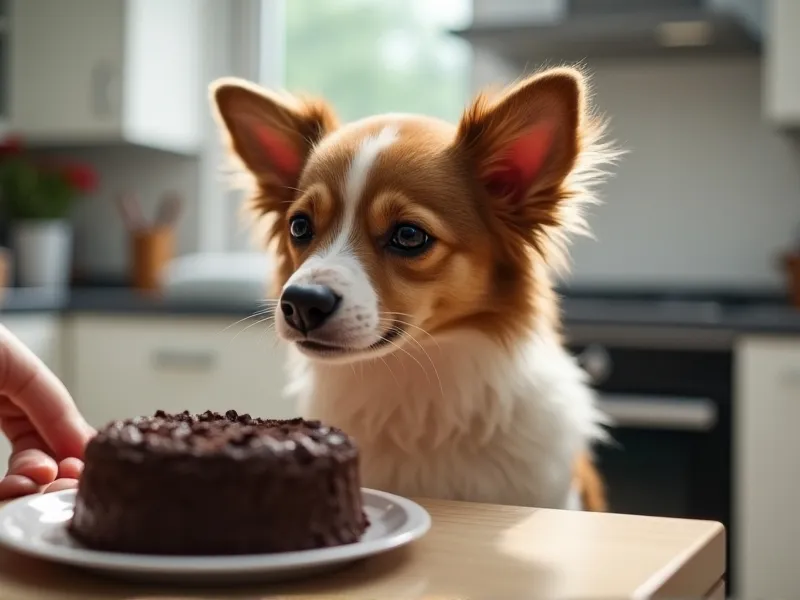
Table of Contents
- Can Dogs Eat Chocolate Cake? The Short Answer
- What’s in Chocolate Cake, Anyway? Breaking Down the Ingredients
- Potential “Benefits” of Chocolate Cake for Dogs (Spoiler: They’re Minimal)
- The Risks of Chocolate Cake for Dogs: Why It’s a Big No-No
- Chocolate Toxicity: Theobromine, the Silent Threat
- Sugar Overload: Obesity, Diabetes, and Dental Woes
- Stomach Upset and Pancreatitis Risks
- Choking Hazards: Sprinkles, Nuts, and Decorations
- How Much Chocolate Cake Is “Safe” for Dogs? (Hint: Probably None)
- What to Do If Your Dog Accidentally Eats Chocolate Cake
- Healthier Alternatives: Dog-Friendly “Cake” Ideas to Celebrate Safely
- FAQ: Your Chocolate Cake and Dog Questions, Answered
- Conclusion: Celebrate with Love (and Dog-Safe Treats!)
Can Dogs Eat Chocolate Cake? The Short Answer
No, dogs should not eat chocolate cake.
At first glance, chocolate cake might seem harmless—after all, it’s just flour, sugar, and a little chocolate, right? But the key ingredient here is chocolate, which is toxic to dogs. Even small amounts can cause serious health issues, and larger portions could be life-threatening. While some ingredients in cake (like eggs or carrots, if added) might offer tiny nutritional perks, the risks of chocolate, sugar, and other additives far outweigh any benefits.
What’s in Chocolate Cake, Anyway? Breaking Down the Ingredients
To understand why chocolate cake is risky, let’s first unpack what’s typically in it:
- Chocolate: The star of the show, but also the most dangerous. Whether it’s cocoa powder, chocolate chips, or frosting, chocolate contains theobromine—a compound dogs can’t metabolize effectively.
- Sugar: Loads of it! From granulated sugar to powdered sugar in frosting, excess sugar is terrible for dogs’ health.
- Butter/Oil: High in fat, which can upset a dog’s stomach or trigger pancreatitis.
- Flour: Usually wheat flour, which is not toxic but offers little nutritional value for dogs (and some may have allergies).
- Eggs: A rare “safe” ingredient—eggs are a good source of protein for dogs, but they’re only a tiny part of cake.
- Decorations: Sprinkles, nuts, raisins, or hard candies, which pose choking risks or additional toxins (raisins and macadamia nuts are toxic to dogs!).
Potential “Benefits” of Chocolate Cake for Dogs (Spoiler: They’re Minimal)
You might wonder, “If there are eggs or veggies in the cake, can’t those help my dog?” Let’s be real: Chocolate cake is not a health food—for humans or dogs. Any “benefits” are negligible and easily overshadowed by the risks.
For example:
- Eggs: Yes, eggs have protein and vitamins, but you’re better off scrambling a plain egg for your dog than hiding it in a sugary, chocolatey cake.
- Carrots or Bananas: Some recipes add these for moisture or sweetness. Carrots are great for dogs (crunchy, low-calorie, and full of fiber!), but again—feed them raw or steamed, not in a cake loaded with sugar and chocolate.
In short: There’s no nutritional reason to feed your dog chocolate cake. Save the “benefits” for intentional, dog-safe treats!
The Risks of Chocolate Cake for Dogs: Why It’s a Big No-No
Now, let’s get serious about the dangers. Chocolate cake isn’t just “unhealthy”—it can be toxic. Here’s why:
1. Chocolate Toxicity: Theobromine, the Silent Threat
Chocolate contains theobromine, a stimulant similar to caffeine. Humans metabolize theobromine quickly, but dogs process it much slower, allowing it to build up in their system and cause poisoning.
Theobromine affects the heart, nervous system, and kidneys. Symptoms of chocolate toxicity include:
- Vomiting or diarrhea
- Restlessness, hyperactivity, or tremors
- Rapid breathing or increased heart rate
- Seizures
- In severe cases, coma or death
The risk depends on:
- Type of chocolate: Dark chocolate (60%+ cocoa) has the highest theobromine content, followed by milk chocolate. White chocolate has almost no theobromine (but is still loaded with sugar!).
- Dog’s size: A small dog (e.g., a 10-pound Chihuahua) is far more vulnerable than a 80-pound Labrador.
- Amount eaten: Even a few chocolate chips or a lick of frosting can cause issues in small dogs.
2. Sugar Overload: Obesity, Diabetes, and Dental Woes
Dogs don’t need sugar in their diet. Excess sugar from cake can lead to:
- Obesity: Extra calories turn to fat, increasing the risk of joint pain, heart disease, and other obesity-related issues.
- Diabetes: Chronic high sugar intake can damage the pancreas, leading to canine diabetes (a lifelong condition requiring insulin).
- Dental decay: Sugar feeds harmful bacteria in your dog’s mouth, causing cavities, gum disease, and bad breath.
3. Stomach Upset and Pancreatitis Risks
Chocolate cake is rich, fatty, and full of unfamiliar ingredients—all of which can wreak havoc on a dog’s digestive system. Even a small slice may cause:
- Nausea, vomiting, or diarrhea
- Abdominal pain
- Pancreatitis: This is inflammation of the pancreas, often triggered by high-fat foods. Pancreatitis is extremely painful and can be life-threatening, requiring emergency vet care.
4. Choking Hazards: Sprinkles, Nuts, and Decorations
Let’s not forget the extras! Sprinkles, nuts, raisins, or hard candy decorations are choking risks. Worse, some of these are toxic on their own:
- Raisins/grapes: Even a few can cause kidney failure in dogs.
- Macadamia nuts: Toxic, leading to weakness, vomiting, and hyperthermia.
- Xylitol: A sugar substitute sometimes used in “low-sugar” cakes—extremely toxic to dogs, causing seizures or liver failure.
How Much Chocolate Cake Is “Safe” for Dogs? (Hint: Probably None)
The truth is, there’s no “safe” amount of chocolate cake for dogs. Even a tiny bite could contain enough theobromine to harm a small dog. For example:
- A 10-pound dog only needs to eat 1 ounce of dark chocolate (about 1 square of baking chocolate) to risk severe toxicity.
- Milk chocolate is less concentrated, but a 10-pound dog would still be in danger after eating 3-4 ounces (a standard chocolate bar).
If your cake uses dark chocolate (e.g., fudge frosting or dark chocolate shavings), the risk is even higher. White chocolate has almost no theobromine, but it’s still packed with sugar and fat—so it’s not “safe,” just less toxic.
What to Do If Your Dog Accidentally Eats Chocolate Cake
Mistakes happen! If your dog sneaks a bite (or more) of chocolate cake, stay calm and act fast:
Step 1: Assess the Damage
- How much did they eat? A crumb vs. half the cake makes a big difference.
- What type of chocolate was in the cake? Dark, milk, or white? (Check the ingredients or packaging.)
- How big is your dog? Small dogs are more at risk than large breeds.
Step 2: Call Your Vet or the Pet Poison Helpline Immediately
Don’t wait for symptoms to appear—call a professional. Have this info ready:
- Your dog’s weight
- Type of chocolate (dark, milk, white)
- Estimated amount eaten
- Time since ingestion
Vets may recommend inducing vomiting (if done within 2 hours of eating) or giving activated charcoal to absorb toxins. In severe cases, your dog may need IV fluids or hospitalization.
Step 3: Monitor for Symptoms
Keep an eye on your dog for the next 24 hours. Symptoms of chocolate toxicity can start within 2-4 hours but may take up to 12 hours to appear. If you notice vomiting, diarrhea, restlessness, or seizures, head to the emergency vet immediately.
Healthier Alternatives: Dog-Friendly “Cake” Ideas to Celebrate Safely
You don’t have to skip the celebration—just swap chocolate cake for these dog-safe alternatives! These treats are low in sugar, free of chocolate, and packed with ingredients dogs love:
1. Carrot Cake (No Raisins, No Chocolate!)
Carrots are crunchy, sweet, and full of fiber and vitamin A. Try this simple recipe:
- 1 cup grated carrots
- 1 mashed banana
- ½ cup oats (ground into flour)
- 1 egg
- 2 tbsp honey (optional, for a little sweetness)
Bake at 350°F for 20-25 minutes. Frost with plain Greek yogurt (a dollop!) instead of buttercream.
2. Pumpkin “Cake” Muffins
Pumpkin is a dog superfood—rich in fiber and beta-carotene. Mix:
- 1 cup canned pumpkin (not pie filling!)
- 1 egg
- ½ cup peanut butter (no xylitol!)
- 1 cup whole wheat flour
Bake in muffin tins at 350°F for 15-20 minutes.
3. Banana Oat “Cake”
Bananas are naturally sweet and full of potassium. Blend:
- 2 ripe bananas
- 1 cup oats
- 1 egg
- 2 tbsp coconut oil
Press into a pan and bake at 350°F for 15 minutes. Top with a slice of banana for decoration!
4. Store-Bought Dog Cakes
Many pet bakeries now sell dog-safe “cakes” made with ingredients like sweet potato, apples, and yogurt. Look for options labeled “no chocolate” and “low sugar.”
FAQ: Your Chocolate Cake and Dog Questions, Answered
Q: My dog ate a tiny bite of chocolate cake—should I panic?
A: Panic won’t help, but act quickly! A single crumb is unlikely to harm a large dog, but even a small bite could affect a toy breed. Call your vet or the Pet Poison Helpline (855-764-7661) with details (dog’s weight, chocolate type, amount eaten) to get guidance.
Q: Is white chocolate cake safer than dark chocolate cake?
A: White chocolate has very little theobromine (the toxic compound), so it’s less toxic than dark or milk chocolate. However, it’s still high in sugar and fat, which can cause stomach upset or pancreatitis. It’s not “safe”—just less dangerous.
Q: Can puppies eat chocolate cake?
A: Puppies are even more vulnerable than adult dogs. Their smaller size and developing systems mean even a tiny amount of chocolate could be dangerous. Skip the cake and stick to puppy-safe treats like plain yogurt or mashed banana.
Q: My dog ate cake with raisins—what do I do?
A: Raisins are toxic to dogs, even in small amounts. Call your vet immediately. Kidney failure can set in quickly, so prompt treatment is critical.
Q: Can I give my dog “dog-safe” chocolate cake from the pet store?
A: Some pet bakeries sell “chocolate-flavored” cakes using carob (a dog-safe alternative to chocolate). These are fine in moderation, but check the ingredients to ensure no real chocolate, xylitol, or toxic add-ons (like raisins).
Conclusion: Celebrate with Love (and Dog-Safe Treats!)
Sharing special moments with our dogs is one of life’s greatest joys. But when it comes to chocolate cake, the risk isn’t worth the reward. Chocolate toxicity, sugar overload, and digestive issues can turn a happy celebration into a stressful emergency.
Instead of sharing your cake, opt for dog-friendly alternatives like carrot cake (sans raisins), pumpkin muffins, or banana treats. Your pup will wag their tail just as hard—and you’ll both enjoy the day without worry.
Remember: When in doubt, always consult your vet. They know your dog’s health best and can guide you on safe treats and portion sizes. After all, the best gift you can give your dog is a long, healthy, and happy life—one without chocolate cake.
Here’s to many more tail-wagging celebrations… with dog-safe treats, of course!
References
- American Society for the Prevention of Cruelty to Animals (ASPCA). “Chocolate.” aspca.org/pet-care/animal-poison-control/chocolate-poisoning
- Pet Poison Helpline. “Chocolate Toxicity in Dogs.” petpoisonhelpline.com/poison/chocolate
- VCA Animal Hospitals. “Pancreatitis in Dogs.” vcahospitals.com/know-your-pet/pancreatitis-in-dogs
- American Kennel Club (AKC). “Can Dogs Eat Carrots?” akc.org/expert-advice/nutrition/can-dogs-eat-carrots