· 8 min read
Can Dogs Eat Chocolate Brownies? What Pet Parents Need to Know
We’ve all been there: you’re curled up with a warm, fudgy chocolate brownie, and your dog gives you that look. The one with the big, pleading eyes, tail thumping gently, as if to say, “C’mon, share the love!” It’s hard to resist—after all, our dogs are family, and sharing treats feels like a sweet way to bond. But when it comes to chocolate brownies, that “tiny bite” might not be as harmless as it seems. Can dogs eat chocolate brownies? Let’s unpack the facts to keep your pup safe, healthy, and tail-waggingly happy.
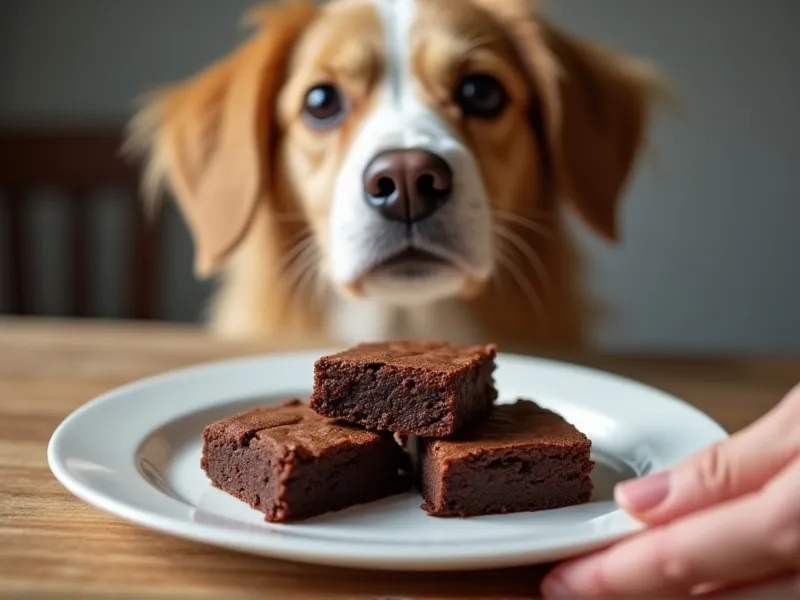
Table of Contents
- Can Dogs Eat Chocolate Brownies? The Short Answer
- The Risks of Chocolate Brownies for Dogs: Why They’re a No-Go
- Are There Any Benefits? Let’s Be Real
- How Much Chocolate Brownie Is Safe for Dogs? (Hint: Probably None)
- Healthier Alternatives to Chocolate Brownies
- FAQ: Your Top Questions Answered
- Conclusion: Sharing Is Caring—But Choose Wisely
Can Dogs Eat Chocolate Brownies? The Short Answer
No, dogs should not eat chocolate brownies. While it’s tempting to share a bite, chocolate brownies are loaded with ingredients that are toxic or harmful to dogs, with chocolate being the biggest culprit. Even small amounts can lead to serious health issues, and in severe cases, chocolate poisoning can be fatal. Let’s break down why these sweet treats are off-limits—and what to offer instead.
The Risks of Chocolate Brownies for Dogs: Why They’re a No-Go
Chocolate brownies might taste like heaven to us, but for dogs, they’re more like a “recipe for disaster.” Let’s break down the key dangers:
Chocolate: The Hidden Toxic Threat
Chocolate contains two stimulants harmful to dogs: theobromine and caffeine. Dogs lack the enzyme needed to metabolize theobromine efficiently, so it builds up in their system, causing poisoning. The darker the chocolate, the higher the theobromine content:
- Dark chocolate: 150–600 mg of theobromine per ounce.
- Milk chocolate: 10–60 mg per ounce.
- White chocolate: Minimal theobromine (0.25 mg per ounce), but still risky (more on that later).
Even a small amount can cause problems. For example:
- A 10-pound dog could experience toxicity from just 1 ounce of dark chocolate (about the size of a fun-sized candy bar).
- A 70-pound dog might need 8–10 ounces of milk chocolate to show severe symptoms, but smaller amounts can still cause vomiting or diarrhea.
Symptoms of chocolate poisoning include:
- Vomiting, diarrhea, or excessive drooling
- Restlessness, hyperactivity, or rapid breathing
- Increased heart rate, tremors, or seizures
- In severe cases: organ failure or death
Source: ASPCA Animal Poison Control Center
Sugar Overload: A Recipe for Long-Term Health Issues
Beyond chocolate, brownies are packed with sugar—sometimes 10–15 grams per small brownie. Dogs don’t need added sugar in their diet, and excess sugar can lead to:
- Obesity: Extra calories from sugar contribute to weight gain, which raises the risk of joint pain, diabetes, and heart disease.
- Dental disease: Sugar feeds harmful bacteria in your dog’s mouth, leading to cavities, gum disease, and bad breath.
- Pancreatitis: High-sugar, high-fat foods (like brownies) can trigger inflammation of the pancreas, a painful condition that requires emergency vet care. Symptoms include vomiting, lethargy, and loss of appetite.
Rich Ingredients: Stomach Upset and Pancreatitis Risk
Brownies are made with butter, oil, and sometimes heavy cream—all high in fat. Dogs have sensitive digestive systems, and rich foods can cause:
- Stomach upset: Diarrhea, gas, or bloating.
- Pancreatitis: As mentioned, fatty foods are a top trigger for this life-threatening condition. Even a single brownie could put your dog at risk, especially if they’re prone to pancreatitis (e.g., small breeds, overweight dogs).
Choking Hazards: Nuts, Chips, and Add-Ins
Many brownies include extras like nuts, chocolate chips, or even caramel bits. These add-ons pose their own risks:
- Nuts: Macadamia nuts are highly toxic to dogs (even a few can cause weakness, vomiting, or hyperthermia). Walnuts, almonds, or pecans can choke small dogs or cause intestinal blockages.
- Chocolate chips: Double the chocolate risk! Even mini chips add up.
- Hard bits: Caramel or toffee can get stuck in your dog’s teeth or throat, leading to choking or dental damage.
Are There Any Benefits? Let’s Be Real
You might wonder: “But brownies have eggs, flour, and maybe even a dash of banana—can’t those be good for dogs?” Let’s set the record straight: any “benefits” are negligible and far outweighed by the risks.
- Eggs: Yes, eggs are a great source of protein for dogs—but brownies use eggs in tiny amounts, mixed with sugar and fat. You’re better off giving your dog a plain, cooked egg instead.
- Flour: White flour offers little nutrition for dogs (whole wheat is better, but still not a “benefit” in a brownie).
- Fiber or potassium: These nutrients are minimal in brownies. For fiber, offer pumpkin; for potassium, bananas (in moderation).
In short: There’s no nutritional upside to feeding your dog a brownie. Save the eggs and veggies for safe homemade treats instead!
How Much Chocolate Brownie Is Safe for Dogs? (Hint: Probably None)
The truth is: There’s no “safe” amount of chocolate brownie for dogs. Even a bite could be dangerous, depending on:
- Your dog’s size: A Chihuahua is far more at risk than a Great Dane.
- The type of chocolate: Dark chocolate is deadlier than milk chocolate.
- The brownie’s size: A mini brownie vs. a full-sized slice.
If your dog accidentally eats a brownie, don’t panic—but act fast. Call your vet or the Pet Poison Helpline (855-764-7661) immediately. Provide details like:
- Your dog’s weight and breed.
- The type of chocolate (dark, milk, white).
- How much of the brownie they ate (estimate in ounces).
- When they ate it.
Your vet may recommend monitoring for symptoms, inducing vomiting (only if done quickly), or bringing your dog in for treatment (e.g., activated charcoal to absorb toxins, IV fluids).
Healthier Alternatives to Chocolate Brownies
Sharing treats is a great way to bond—so skip the brownie and try these dog-safe alternatives instead!
1. Homemade “Brownie” Treats (No Chocolate!)
Whip up these easy, pup-approved snacks:
Peanut Butter & Pumpkin Pup Treats
- 1 cup oats (blended into flour)
- ½ cup canned pumpkin (unsweetened)
- ¼ cup peanut butter (no xylitol!)
- 1 egg (whisked)
- Mix, roll into balls, bake at 350°F for 15–20 minutes.
Banana Oat Cookies
- 1 ripe banana (mashed)
- 1 cup oats
- 1 tbsp peanut butter (optional)
- Mix, flatten into cookies, bake at 350°F for 10–12 minutes.
2. Store-Bought Dog Treats
Look for high-quality treats with:
- Limited ingredients (no added sugar, artificial flavors, or chocolate).
- Protein as the first ingredient (e.g., chicken, salmon).
- Vet-recommended brands (e.g., Blue Buffalo, Zuke’s, or Merrick).
3. Fresh Fruits & Veggies (In Moderation)
Dogs love these healthy, low-calorie snacks:
- Blueberries (antioxidants!)
- Carrot sticks (crunchy and good for teeth)
- Apple slices (no seeds—they contain cyanide!)
- Frozen banana chunks (a cool summer treat).
FAQ: Your Top Questions Answered
Q: My dog ate a chocolate brownie—what should I do?
A: Stay calm! Call your vet or the Pet Poison Helpline (855-764-7661) right away. Provide details like your dog’s weight, the type of chocolate (dark/milk/white), how much they ate, and when. Do NOT induce vomiting unless your vet tells you to—some toxins can damage the esophagus on the way back up.
Q: Is white chocolate safer than dark chocolate in brownies?
A: White chocolate has almost no theobromine, so it’s less toxic—but it’s still packed with sugar and fat. A white chocolate brownie could cause stomach upset, diarrhea, or pancreatitis. It’s not “safe”—just “less deadly.”
Q: Can puppies eat chocolate brownies? What about small breeds?
A: Puppies and small breeds are extra vulnerable. Their tiny bodies process toxins more slowly, and even a bite of a dark chocolate brownie could be fatal. When in doubt: keep all brownies (and chocolate) out of reach!
Q: What if the brownie has no chocolate? (e.g., vanilla or caramel)
A: Even “chocolate-free” brownies are loaded with sugar, butter, and sometimes xylitol (an artificial sweetener extremely toxic to dogs). Xylitol can cause seizures or liver failure—so skip the vanilla brownie, too.
Q: My dog seems fine after eating a brownie—should I still worry?
A: Yes! Symptoms of chocolate poisoning can take 6–12 hours to appear. Even if your dog acts normal, call your vet. Better safe than sorry!
Conclusion: Sharing Is Caring—But Choose Wisely
At the end of the day, we all want to spoil our dogs. Sharing treats is a beautiful way to show love—but when it comes to chocolate brownies, that love could backfire. The risks (toxicity, pancreatitis, obesity) far outweigh any fleeting joy of a shared bite.
Instead, opt for dog-safe snacks like peanut butter treats, fresh fruits, or vet-approved commercial treats. Your pup will wag their tail just as hard—and you’ll both sleep better knowing they’re healthy and happy.
If you ever have questions about what’s safe for your dog, don’t hesitate to call your vet. They’re your best resource for keeping your furry friend in tip-top shape.
Here’s to many more years of tail wags, snuggles, and safe treat-sharing! 🐾
Sources: