· 8 min read
Can Dogs Eat Chitterlings? A Pet Parent’s Guide to Risks, Benefits, and Safer Alternatives
It’s a familiar scene: You’re gathered around the dinner table, savoring a hearty meal—maybe a plate of soul food, complete with collards, cornbread, and a heaping helping of chitterlings. Across the room, your dog sits, tail thumping, eyes locked on your plate, as if to say, “Can I have a bite too?”
As pet parents, we’ve all been there. Sharing food with our furry friends feels like a way to show love, but not all human foods are safe for dogs. Chitterlings—pig intestines, a staple in many cultural cuisines—are no exception. But can dogs eat chitterlings? Are they a harmless treat, or a hidden hazard?
In this guide, we’ll break down the facts: the potential benefits (yes, there are a few!), the serious risks, and whether it’s ever okay to let your pup sneak a taste. We’ll also share healthier alternatives to keep their tails wagging and bellies happy. Let’s dig in!
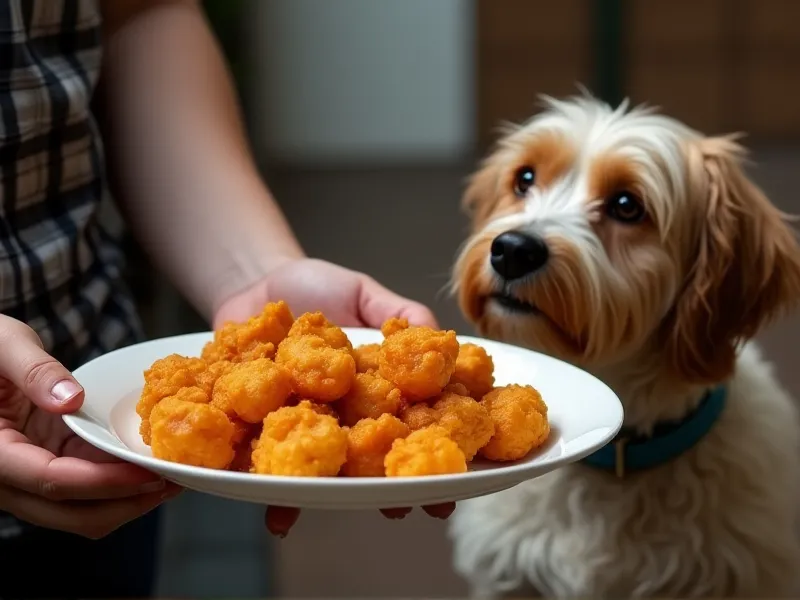
Table of Contents
- Can Dogs Eat Chitterlings? The Short Answer
- Potential Benefits of Chitterlings for Dogs (Spoiler: They’re Minimal)
- The Risks: Why Chitterlings Are Not Recommended for Dogs
- If You Insist: Safe Feeding Guidelines (Proceed with Caution!)
- Healthier Alternatives to Chitterlings
- FAQ: Your Chitterling Questions Answered
- Conclusion: Prioritize Your Pup’s Safety
Can Dogs Eat Chitterlings? The Short Answer
No, chitterlings are not recommended for dogs. While they may offer trace amounts of nutrients like protein and fiber, the risks—including bacterial contamination, digestive upset, pancreatitis, and exposure to toxic seasonings—far outweigh any potential benefits. In most cases, it’s best to avoid feeding chitterlings to your dog entirely.
Potential Benefits of Chitterlings for Dogs (Spoiler: They’re Minimal)
Before we dive into the risks, let’s acknowledge the small silver linings. Chitterlings, like many organ meats, contain some nutrients that could theoretically benefit dogs. However, these nutrients are easily found in safer, more reliable foods (which we’ll cover later!).
1. Protein
Chitterlings are animal tissue, so they contain protein—an essential nutrient for dogs, supporting muscle growth, immune function, and energy. But the protein in chitterlings is not “high-quality” compared to lean meats like chicken or turkey, and it’s often paired with high fat (more on that later).
2. Trace Minerals and Vitamins
Organ meats are rich in vitamins and minerals, and chitterlings are no exception. They may contain small amounts of:
- B vitamins (like B12 and niacin), which support brain function and energy metabolism.
- Zinc and iron, important for healthy skin, coat, and red blood cells.
- Fiber, from the intestinal lining, which can aid digestion in small doses.
3. Potassium
Potassium is vital for heart health and muscle function. Chitterlings have trace amounts, but again, this nutrient is far more concentrated in dog-safe foods like bananas or sweet potatoes.
The Risks: Why Chitterlings Are Not Recommended for Dogs
Now, let’s get to the critical part: the risks. Chitterlings pose several dangers to dogs, some of which can be life-threatening. Here’s what you need to know:
1. Bacterial Contamination (Salmonella, E. Coli, and More)
Chitterlings are pig intestines, which are naturally prone to harboring harmful bacteria like Salmonella and E. coli. Even after cooking, improper handling (like cross-contamination with raw meat) or undercooking can leave these pathogens behind. For dogs, this can cause severe gastrointestinal illness—think vomiting, diarrhea, fever, and lethargy. In extreme cases, it can lead to sepsis or organ failure.
Humans are at risk too! If your dog eats contaminated chitterlings, they can spread bacteria to you via saliva or feces, making this a risk for the whole family. The CDC warns that chitterlings are a common source of foodborne illness, especially during holiday seasons when they’re more frequently prepared.
2. High Fat Content: A Recipe for Pancreatitis
Chitterlings are high in fat, and dogs (especially small breeds, overweight dogs, or those with a history of pancreatitis) are sensitive to fatty foods. When a dog eats too much fat, their pancreas can become inflamed—a condition called pancreatitis. Symptoms include severe abdominal pain, vomiting, diarrhea, and loss of appetite. Pancreatitis is painful and can be fatal if left untreated.
3. Toxic Seasonings and Additives
Most chitterling recipes include seasonings like salt, garlic, onion, pepper, or spices. These are toxic to dogs:
- Garlic and onion (even in small amounts) can damage red blood cells, leading to anemia.
- Salt can cause sodium ion poisoning, resulting in excessive thirst, urination, seizures, or kidney failure.
Even “mild” seasonings like black pepper can irritate a dog’s digestive tract, causing vomiting or diarrhea.
4. Choking Hazard
Chitterlings have a chewy, rubbery texture, especially if not cooked until tender. If fed in large chunks, they can get stuck in your dog’s throat, leading to choking—a medical emergency. Small dogs are at particular risk due to their smaller airways.
5. Digestive Upset
Even without seasonings, chitterlings are rich and unusual for a dog’s digestive system. Many dogs will experience diarrhea, vomiting, or gas after eating chitterlings, simply because their bodies aren’t used to processing such a fatty, fibrous food.
If You Insist: Safe Feeding Guidelines (Proceed with Caution!)
We strongly advise against feeding chitterlings to your dog. But if your dog accidentally snags a small piece, or if you’re set on offering a tiny taste (we get it—those puppy eyes are tough!), follow these strict guidelines to minimize risk:
- Keep it plain. No seasonings, salt, garlic, onion, or spices. Only unseasoned, boiled chitterlings (never fried or sautéed).
- Cook thoroughly. Boil chitterlings for at least 2-3 hours to kill bacteria and soften the texture. Undercooked chitterlings are a bacterial and choking risk.
- Cut into tiny pieces. Slice into bite-sized bits (no larger than a pea for small dogs, a dime for large dogs) to prevent choking.
- Limit portion size. A tiny amount—like 1-2 teaspoons for small dogs, 1 tablespoon for large dogs—once in a blue moon. This is not a regular treat!
- Monitor for symptoms. After feeding, watch for vomiting, diarrhea, lethargy, or loss of appetite. If any occur, contact your vet immediately.
Healthier Alternatives to Chitterlings
Instead of chitterlings, treat your dog to these nutrient-dense, safe foods that offer the same (or better!) benefits without the risks:
1. Lean Proteins
- Chicken or turkey breast (boiled, no skin): High-quality protein, low in fat.
- Salmon (cooked, no bones): Rich in omega-3s for a shiny coat and joint health.
- Beef liver (cooked, in moderation): Packed with iron, B vitamins, and zinc (limit to 1-2 times per week, as too much can cause vitamin A toxicity).
2. Fiber-Rich Veggies
- Pumpkin (plain, canned): Soothes upset tummies and adds fiber.
- Sweet potato (cooked, mashed): High in fiber, potassium, and vitamins A and C.
- Green beans (steamed): Low-calorie, crunchy, and full of fiber.
3. Potassium-Packed Fruits
- Bananas (sliced): A natural source of potassium, vitamin B6, and fiber (great for training treats!).
- Blueberries: Antioxidants and vitamins, plus a low-sugar snack.
4. Dog-Safe Organ Meats
If you want to share organ meats (a nutrient powerhouse!), opt for chicken gizzards or beef kidney (cooked, plain). These are lower in fat than chitterlings and safer when fed in moderation.
FAQ: Your Chitterling Questions Answered
Q: My dog ate a handful of chitterlings—what should I do?
A: Stay calm. If the chitterlings were seasoned (garlic, onion, salt) or undercooked, contact your vet immediately. If they were plain and cooked, monitor your dog for 24-48 hours for vomiting, diarrhea, or lethargy. If symptoms appear, call your vet.
Q: Are cooked chitterlings safer than raw?
A: Cooking reduces bacterial risk but doesn’t eliminate it entirely (improper handling can still cause contamination). It also softens the texture, lowering choking hazards—but the high fat and seasoning risks remain.
Q: Can puppies eat chitterlings?
A: No. Puppies have sensitive digestive systems and are more prone to bacterial infections. Stick to their puppy food and vet-approved treats.
Q: Are chitterlings ever okay for dogs with sensitive stomachs?
A: Absolutely not. Dogs with sensitive stomachs (or conditions like IBS) are even more likely to experience diarrhea or vomiting from fatty, unfamiliar foods like chitterlings.
Conclusion: Prioritize Your Pup’s Safety
While chitterlings may hold cultural or nostalgic value for humans, they’re simply not worth the risk for our dogs. The potential for bacterial illness, pancreatitis, or choking far outweighs any minor nutritional benefits.
Instead of sharing your chitterlings, opt for safer, nutrient-dense treats like cooked chicken, sweet potato, or banana. Your dog will love them just as much—and you’ll have peace of mind knowing you’re keeping them healthy.
As always, if you’re unsure about a food, consult your vet. They can help you create a balanced diet that keeps your pup happy, healthy, and tail-wagging for years to come.
Here’s to many more shared meals—with treats that are as safe as they are delicious!
References
- American Society for the Prevention of Cruelty to Animals (ASPCA). “People Foods to Avoid Feeding Your Pets.” aspca.org
- Centers for Disease Control and Prevention (CDC). “Chitterlings (Pig Intestines) and Salmonella.” cdc.gov
- PetMD. “Can Dogs Eat Organ Meats?” petmd.com
- Veterinary Nutritionists at Tufts University. “Safe Human Foods for Dogs.” tuftscvm.org