· 8 min read
Can Dogs Eat Chipotle? A Pet Parent’s Guide to Sharing Your Favorite Bowl Safely
It’s a Tuesday night, and you’re savoring a burrito bowl from Chipotle—warm rice, zesty black beans, fresh veggies, and a drizzle of guacamole. Out of the corner of your eye, you notice your dog, Max, staring up at you with those irresistible puppy-dog eyes. His tail thumps gently, and he lets out a soft whine, as if asking, “Can I have a bite?”
We’ve all been there. Sharing food with our furry friends feels like a love language, but when it comes to human meals—especially ones as flavorful as Chipotle—it’s natural to wonder: Is this safe for my dog?
In this guide, we’ll break down whether dogs can eat Chipotle, explore the potential benefits and risks of its ingredients, and share guidelines (and healthier alternatives!) to keep your pup happy and healthy. Let’s dig in.
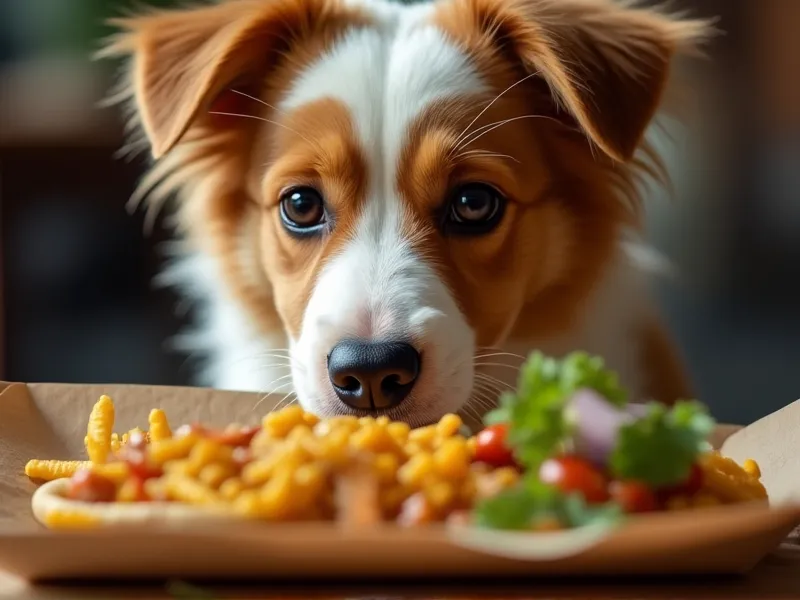
Table of Contents
- Can Dogs Eat Chipotle? The Short Answer
- The Potential Benefits: Are There Any?
- The Risks: Why Chipotle Might Be Harmful to Dogs
- Guidelines: If You Must Share, Here’s How
- Healthier Alternatives to Chipotle for Dogs
- FAQ: Your Burning Questions Answered
- Conclusion: Prioritizing Your Dog’s Health
- References
Can Dogs Eat Chipotle? The Short Answer
Let’s cut to the chase: Dogs should not eat Chipotle as a regular treat, and in most cases, it’s best to avoid sharing your meal altogether.
While some ingredients in Chipotle meals (like plain rice or unseasoned beans) might be safe for dogs in tiny amounts, the majority of components—think spices, sauces, cheese, and even certain veggies—pose risks. Chipotle’s meals are designed for human taste buds, packed with salt, fat, and flavorings that can upset your dog’s stomach or, in severe cases, lead to toxicity.
That said, if you’re tempted to share a tiny nibble (we get it—those puppy eyes are tough!), there are rules to follow. But first, let’s weigh the pros and cons.
The Potential Benefits: Are There Any?
At first glance, Chipotle’s menu might seem “healthy” for humans, but does that translate to dogs? Let’s look at a few ingredients that could offer minor benefits—if served plain and in moderation.
1. Brown Rice: A Source of Energy and Fiber
Plain, cooked brown rice (without salt, oil, or spices) is a common ingredient in many commercial dog foods. It’s easy to digest, provides carbohydrates for energy, and contains small amounts of B vitamins (which support brain function) and fiber (to aid digestion).
2. Black Beans: Fiber and Plant-Based Protein
Unseasoned, cooked black beans are rich in fiber, which can help regulate your dog’s bowel movements, and plant-based protein (though dogs need animal protein as their primary source). They also contain iron, magnesium, and potassium—minerals that support muscle and heart health.
3. Fresh Veggies: Vitamins and Antioxidants
Veggies like bell peppers, spinach, or lettuce (without dressing!) are low in calories and high in vitamins A, C, and K, plus antioxidants. For example, bell peppers are packed with vitamin C, which boosts the immune system, while spinach offers iron and folate.
But here’s the catch: These benefits only apply if the ingredients are plain. Once you add Chipotle’s seasonings, sauces, or toppings, the risks far outweigh any perks.
The Risks: Why Chipotle Might Be Harmful to Dogs
Now, let’s talk about the not-so-great parts. Chipotle meals are loaded with ingredients that can harm dogs—some more seriously than others. Here’s what to watch out for:
1. Toxic Spices: Onions and Garlic
Chipotle’s rice, beans, and salsas often contain onion and garlic powder (or fresh onions/garlic) for flavor. These are toxic to dogs, even in small amounts. According to the ASPCA, onions and garlic contain thiosulfate, which damages a dog’s red blood cells, leading to anemia. Symptoms include weakness, vomiting, diarrhea, and pale gums. In severe cases, it can be life-threatening.
2. High Sodium: A Recipe for Dehydration and Kidney Strain
Dogs need far less sodium than humans. The average adult dog requires only about 100–200 mg of sodium per day (depending on size), but a single Chipotle burrito bowl can contain 1,500 mg or more of sodium—7–15 times a dog’s daily needs! Excess sodium can cause dehydration, vomiting, diarrhea, and even sodium ion poisoning, which leads to tremors, seizures, or kidney damage.
3. Fatty Ingredients: Pancreatitis Risk
Cheese, sour cream, guacamole (yes, even the avocado-based kind), and chipotle sauce are high in fat. Dogs’ bodies aren’t designed to process large amounts of fat, which can trigger pancreatitis—a painful inflammation of the pancreas. Symptoms include severe abdominal pain, vomiting, lethargy, and loss of appetite. Pancreatitis can be life-threatening if left untreated.
4. Added Sugars: Empty Calories and Stomach Upset
Some Chipotle sauces, like honey vinaigrette or sweet chili, contain added sugars. Dogs don’t need sugar in their diet, and it can lead to obesity, dental issues, or an upset stomach (think diarrhea or gas).
5. Choking Hazards: Corn Kernels and Large Veggie Chunks
Corn kernels are small and hard, making them a choking risk for dogs—especially small breeds. Similarly, large pieces of veggies (like raw bell peppers) or tough greens (like kale stems) can get stuck in your dog’s throat or cause intestinal blockages.
6. Acidic Foods: Stomach Irritation
Tomatoes (in salsas), citrus (like lime juice in guacamole), and vinegar (in dressings) are acidic. These can irritate a dog’s stomach lining, leading to nausea, vomiting, or heartburn.
Guidelines: If You Must Share, Here’s How
We don’t recommend sharing Chipotle with your dog, but if you’re determined to let them taste a tiny bite (e.g., they stole a crumb off the floor), follow these rules to minimize risk:
1. Stick to Plain, Unseasoned Ingredients Only
Safe options (in tiny amounts):
- Plain, cooked white or brown rice (no salt, oil, or spices)
- Plain, cooked black beans (rinsed to remove excess sodium)
- Small pieces of raw or steamed veggies (bell peppers, spinach, lettuce—no dressing)
Avoid all of these:
- Any seasoned rice/beans (they contain onion/garlic)
- Cheese, sour cream, guacamole, or sauces
- Meat (Chipotle’s chicken, beef, or pork is seasoned with salt, spices, and sometimes garlic)
- Salsas, corn, or tortilla chips
2. Keep Portions Tiny
A “tiny amount” means no more than 1–2 bites for a medium-sized dog (e.g., a 30lb Beagle). For small dogs (under 10lbs), it’s more like a pea-sized piece. Remember: Treats should make up no more than 10% of your dog’s daily calories.
3. Monitor for Reactions
After sharing, watch your dog for 24 hours. Signs of trouble include:
- Vomiting or diarrhea
- Lethargy or weakness
- Loss of appetite
- Excessive thirst or urination
- Tremors or seizures
If you notice any of these, contact your vet immediately.
Healthier Alternatives to Chipotle for Dogs
Instead of sharing your burrito bowl, try these dog-safe “human food” treats that are both nutritious and delicious:
1. Plain Cooked Rice
Boil a small amount of white or brown rice (no salt!) and mix it into your dog’s regular food for a bland, easy-to-digest snack. Great for upset tummies!
2. Rinsed Black Beans
Cook a handful of black beans (without salt), rinse them to remove excess starch, and serve 1–2 tablespoons (depending on your dog’s size) as an occasional treat.
3. Steamed Veggies
Steam carrots, broccoli, or zucchini (no butter or salt) until soft. These are low-calorie, crunchy, and packed with vitamins.
4. Plain Chicken or Turkey
Boil a small piece of boneless, skinless chicken or turkey (no seasoning) and chop it into bite-sized pieces. Dogs love this lean protein!
5. Mashed Sweet Potato
Cook a sweet potato, mash it (no butter, sugar, or cinnamon), and serve a spoonful. It’s rich in fiber, vitamin A, and antioxidants.
FAQ: Your Burning Questions Answered
Q: Can dogs eat Chipotle’s white rice?
A: Plain, cooked white rice (without salt, oil, or spices) is safe in tiny amounts. But Chipotle’s rice is often seasoned with lime juice, salt, or garlic powder—so skip the restaurant version and cook your own plain rice at home.
Q: Is it okay if my dog ate a bite of my burrito?
A: If it was just a tiny bite (and didn’t include onions, garlic, or lots of cheese), your dog will likely be fine. Monitor for stomach upset, but don’t panic. If they ate a large chunk (e.g., a whole burrito), call your vet—especially if it contained onions, garlic, or fatty ingredients.
Q: Can dogs have Chipotle’s guacamole?
A: No. While plain avocado is safe for dogs (in small amounts), guacamole contains onions, garlic, salt, and lime juice—all of which can upset your dog’s stomach or cause toxicity.
Q: What about the corn salsa?
A: Corn kernels are a choking hazard, and salsa adds salt, acid, and sometimes onions. Skip it.
Q: Is Chipotle’s sofritas (tofu) safe for dogs?
A: Tofu itself is safe for dogs in small amounts, but Chipotle’s sofritas are seasoned with spices, salt, and garlic. Stick to plain, unseasoned tofu instead.
Conclusion: Prioritizing Your Dog’s Health
At the end of the day, sharing food with your dog is a sweet gesture—but Chipotle just isn’t the best choice. While a tiny bite of plain rice or veggies might not hurt, the risks (toxic spices, high sodium, fatty sauces) far outweigh the benefits.
Instead, opt for the healthier alternatives we mentioned, like plain rice, rinsed beans, or steamed veggies. Your dog will love the attention, and you’ll have peace of mind knowing you’re keeping them safe.
And remember: Every dog is different! If you’re unsure about a specific food, always consult your vet. They know your pup’s health history and can give personalized advice.
So next time you’re enjoying Chipotle, give your dog a belly rub instead of a bite. Trust us—they’ll love that just as much (maybe even more!).
References
- American Society for the Prevention of Cruelty to Animals (ASPCA). “Onions, Garlic, Chives, and Leeks.” aspca.org/pet-care/animal-poison-control/toxic-and-non-toxic-plants/onions-garlic-chives-leeks
- American Kennel Club (AKC). “Can Dogs Eat Rice?” akc.org/expert-advice/nutrition/can-dogs-eat-rice
- PetMD. “Pancreatitis in Dogs.” petmd.com/dog/conditions/digestive/c_dg_pancreatitis
- Veterinary Centers of America (VCA). “Sodium Ion Toxicity in Dogs.” vcahospitals.com/know-your-pet/sodium-ion-toxicity-in-dogs
- AKC. “Can Dogs Eat Beans?” akc.org/expert-advice/nutrition/can-dogs-eat-beans