· 9 min read
Can Dogs Eat Chinese Food? A Pet Parent’s Guide to Sharing Takeout Safely
It’s Friday night, and the aroma of sesame chicken, fried rice, and egg rolls fills your home. You’re settling in for a cozy night with your favorite Chinese takeout when you feel a soft nudge at your leg. Looking down, you meet your dog’s big, hopeful eyes—tail wagging, nose twitching, clearly begging for a bite. It’s hard to resist those puppy-dog eyes, but you pause: Can dogs eat Chinese food? Is sharing your meal a harmless treat, or could it put your pup’s health at risk?
If you’ve ever wondered this, you’re not alone. Chinese cuisine is beloved worldwide for its bold flavors and diverse ingredients, but many of those ingredients (think garlic, soy sauce, and spicy seasonings) aren’t meant for our four-legged friends. In this guide, we’ll break down the risks and occasional benefits of sharing Chinese food with your dog, offer safe guidelines for treats, and suggest healthier alternatives that let you bond without worry.
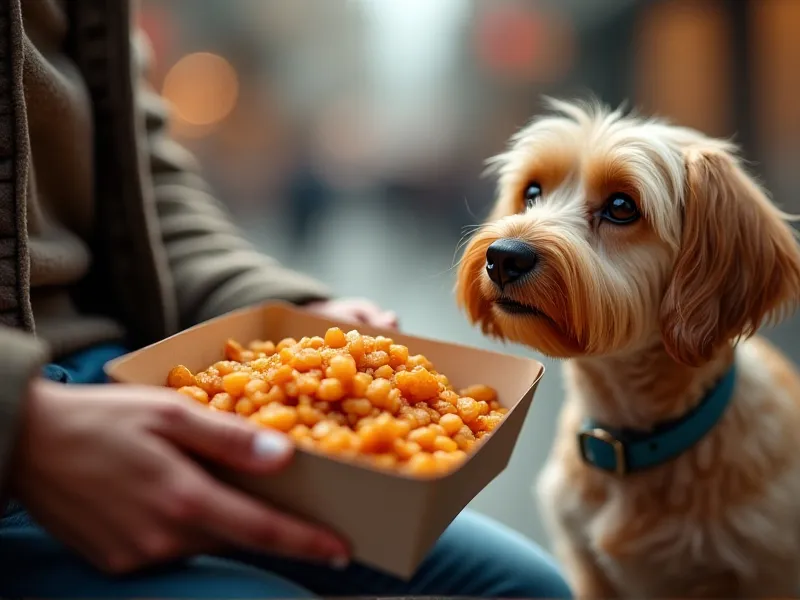
Table of Contents
- Is Chinese Food Safe for Dogs? The Short Answer
- Potential Benefits: When Chinese Food Ingredients Can Be Dog-Friendly
- Hidden Risks: Ingredients in Chinese Food That Harm Dogs
- Safe Feeding Guidelines: How (and When) to Share
- Healthier Alternatives to Sharing Human Chinese Food
- FAQ: Common Questions About Dogs and Chinese Food
- Conclusion: Love Them Enough to Keep Them Safe
Is Chinese Food Safe for Dogs? The Short Answer
It depends on the dish—and the ingredients. Some Chinese food components, like plain cooked chicken, steamed vegetables, or brown rice, are safe (and even nutritious) for dogs in small amounts. However, most Chinese dishes are loaded with ingredients that are toxic, high in sodium, or hard to digest, making them risky for our pets.
The biggest red flags? Garlic, onions, chives, and leeks (all part of the Allium family, which is toxic to dogs), excessive salt (from soy sauce, oyster sauce, or seasoning packets), and spicy or sugary sauces. Even “safe” dishes can become dangerous if they’re fried, covered in sauce, or mixed with harmful additives.
In short: Chinese food is not a regular part of a dog’s diet. At best, it’s an occasional, highly modified treat. At worst, it can lead to poisoning, digestive upset, or long-term health issues.
Potential Benefits: When Chinese Food Ingredients Can Be Dog-Friendly
While most Chinese food isn’t ideal for dogs, a few unseasoned, plain ingredients in certain dishes offer mild benefits. Let’s break them down:
1. Lean Proteins: A Boost of Amino Acids
Dishes like plain steamed chicken (without sauce), boiled shrimp (no butter or salt), or lean beef (unseasoned) are rich in protein, which supports muscle health, energy, and a shiny coat. Dogs need high-quality protein to thrive, and these ingredients (when stripped of sauce, garlic, or onions) can make a safe, occasional treat.
Example: A small piece of white meat chicken from moo goo gai pan (minus the sauce and mushrooms, which may be hard to digest) could be a tasty, protein-packed snack.
2. Veggies: Fiber, Vitamins, and Antioxidants
Many Chinese dishes include steamed or stir-fried vegetables like broccoli, carrots, green beans, or bok choy. These are low in calories and high in fiber (aids digestion), vitamin A (supports eye health), vitamin C (immune boost), and potassium (regulates blood pressure).
Pro tip: Avoid veggies cooked in oil, butter, or sauce. Stick to plain, steamed versions—your dog doesn’t need the extra fat or salt!
3. Whole Grains: Gentle Energy Source
Brown rice (a staple in dishes like fried rice, though fried versions are off-limits) is a whole grain rich in B vitamins, fiber, and manganese. In small amounts, plain brown rice can soothe an upset stomach (it’s often recommended for dogs with diarrhea) and provide slow-burning energy. White rice is also safe in moderation, though it’s less nutrient-dense.
Hidden Risks: Ingredients in Chinese Food That Harm Dogs
Now, let’s talk about the dangers—because these far outweigh the occasional benefits. Many beloved Chinese dishes contain ingredients that are toxic or harmful to dogs, even in small doses.
1. Garlic and Onions: The Silent Toxins
Garlic, onions, shallots, and chives (all Allium plants) are extremely toxic to dogs. They contain thiosulphate, a compound that damages red blood cells, leading to hemolytic anemia. Symptoms include weakness, lethargy, pale gums, vomiting, or dark urine—and in severe cases, it can be fatal.
Unfortunately, these ingredients are everywhere in Chinese cuisine: in stir-fries, fried rice, dumpling fillings, and even sauces like hoisin or black bean. Even a tiny amount (like a sprinkle of garlic powder) can harm small dogs.
2. High Sodium: A Recipe for Salt Poisoning
Soy sauce, oyster sauce, fish sauce, and seasoning packets are loaded with sodium. Just 1 tablespoon of soy sauce contains ~900mg of sodium—more than half the daily recommended amount for a 33-pound dog! Excess sodium causes:
- Extreme thirst and urination
- Sodium ion poisoning (symptoms: vomiting, diarrhea, tremors, seizures)
- Long-term kidney damage or high blood pressure
Example: A single bite of General Tso’s chicken (drenched in soy sauce-based sauce) could overload your dog’s system.
3. Sugar and Unhealthy Fats
Sweet and sour sauce, plum sauce, and honey garlic sauce are packed with sugar, which contributes to obesity, dental decay, and even diabetes in dogs. Fried dishes like egg rolls, fried chicken, or crab rangoon are high in trans fats and grease, leading to pancreatitis (a painful, life-threatening inflammation of the pancreas).
4. Choking Hazards and Digestive Upset
- Bones: Many Chinese dishes (like spare ribs or duck) contain small, sharp bones that can splinter and damage a dog’s throat or intestines.
- Large pieces: Hard vegetables (like uncut broccoli stalks) or tough meat chunks can choke small dogs.
- Spices: Chili flakes, ginger, or five-spice powder may irritate your dog’s stomach, causing vomiting or diarrhea.
- MSG: While research on MSG and dogs is limited, some vets caution against it, as it may trigger headaches, nausea, or restlessness in sensitive pups.
Safe Feeding Guidelines: How (and When) to Share
If you must share a tiny bite of your Chinese food (we get it—those puppy eyes are hard to resist!), follow these strict rules:
1. Stick to “Plain Jane” Ingredients
Only share unseasoned, unsauced, and unfried ingredients. Think:
- A small piece of plain steamed chicken (no skin, no bones)
- A few bites of steamed broccoli or green beans (no oil)
- A teaspoon of plain brown rice (no soy sauce or garlic)
2. Avoid These Dishes Entirely
Steer clear of:
- Any dish with garlic, onions, or chives (e.g., fried rice, stir-fries, dumplings)
- Saucy dishes (sweet and sour, General Tso’s, Kung Pao)
- Fried foods (egg rolls, fried chicken, tempura)
- Dishes with bones (spare ribs, duck)
- Seafood with shells (shrimp with tails, crab legs)
3. Keep Portions Tiny
Chinese food should never replace a meal. Treat it like a micro-treat—no more than 1–2 bites, depending on your dog’s size. For example:
- A Chihuahua might get 1 pea-sized piece of chicken.
- A Labrador could have 1–2 small cubes of steamed veggies.
4. Watch for Reactions
After sharing, monitor your dog for 24 hours. Symptoms like vomiting, diarrhea, lethargy, or excessive thirst could mean they ate something harmful. If you notice these, contact your vet immediately.
Healthier Alternatives to Sharing Human Chinese Food
Instead of risking your dog’s health with takeout, try these dog-safe “Chinese-inspired” alternatives. They’re just as tasty (to your pup!) and much safer:
1. Homemade “Doggy Stir-Fry”
Whip up a quick batch with:
- 1 cup plain cooked chicken (shredded)
- ½ cup steamed broccoli, carrots, or green beans (chopped small)
- ¼ cup cooked brown rice
Mix together and serve warm—no sauce needed!
2. Frozen Veggie Treats
Freeze small pieces of steamed carrots or green beans for a crunchy, low-calorie snack. Dogs love the texture, and you’ll love knowing they’re getting vitamins, not salt.
3. Commercial Dog Treats with “Asian Flavors”
Some pet brands make treats inspired by Chinese cuisine—like chicken and rice jerky or sweet potato “dumplings”—without harmful ingredients. Check the label for no garlic, onions, or excessive salt.
4. Plain Cooked Rice for Upset Tummies
If your dog has diarrhea, a small bowl of plain white rice (cooked in water) can soothe their stomach. Mix in a spoonful of plain boiled chicken for extra protein.
FAQ: Common Questions About Dogs and Chinese Food
Q: Can dogs eat fried rice?
A: No. Fried rice is usually cooked in oil, loaded with soy sauce, and often contains garlic or onions. Even plain fried rice is high in fat, which can cause pancreatitis.
Q: Is soy sauce safe for dogs?
A: No. Soy sauce is extremely high in sodium, which can lead to salt poisoning. Even a drop on a piece of chicken is too much.
Q: My dog stole a bite of my General Tso’s chicken! What should I do?
A: Monitor them closely. Look for symptoms like vomiting, diarrhea, excessive thirst, or lethargy. If they ate a large amount (or if they’re small), contact your vet—sauces often contain garlic, onions, or high sodium.
Q: Can dogs have egg rolls?
A: No. Egg rolls are fried, greasy, and often contain onions, garlic, or spices. The wrapper is also hard to digest and can cause blockages.
Q: Is white rice from Chinese food okay for dogs?
A: Plain white rice (no sauce, oil, or seasonings) in very small amounts is safe for most dogs. It’s often used as a bland diet for upset tummies, but it’s not nutritionally complete—don’t make it a regular meal.
Conclusion: Love Them Enough to Keep Them Safe
Sharing food with your dog is a sweet way to bond, but when it comes to Chinese takeout, it’s usually not worth the risk. Most dishes are loaded with toxic ingredients (garlic, onions), excessive salt, or unhealthy fats that can harm your pup.
Instead, stick to plain, unseasoned ingredients like steamed chicken, veggies, or rice as occasional treats—and opt for homemade or commercial dog-safe alternatives for daily snacks. When in doubt, always check with your vet before sharing human food.
After all, the best way to show your dog you care isn’t by sharing your takeout—it’s by keeping them happy, healthy, and by your side for years to come.
References
- American Veterinary Medical Association (AVMA). “Onions, Garlic, Chives, and Leeks: Toxic to Pets.” avma.org/resources/pet-owners/petcare/onions-garlic-chives-and-leeks-toxic-pets
- ASPCA. “Toxic and Non-Toxic Plants.” aspca.org/pet-care/animal-poison-control/toxic-and-non-toxic-plants
- PetMD. “Can Dogs Eat Rice?” petmd.com/dog/nutrition/can-dogs-eat-rice
- VCA Hospitals. “Sodium Ion Poisoning in Dogs.” vcahospitals.com/know-your-pet/sodium-ion-poisoning-in-dogs