· 9 min read
Can Dogs Eat Chili Powder? What Pet Parents Need to Know
You’re stirring a pot of spicy chili, the aroma filling the kitchen, when suddenly—oops! A sprinkle of chili powder spills onto the floor. Before you can grab a paper towel, your curious pup trots over, tongue lolling, and laps it up. Cue the panic: Is chili powder dangerous for dogs? Should you rush to the vet?
If you’ve ever wondered whether your dog can safely munch on chili powder (or if that accidental lick is cause for concern), you’re not alone. As pet parents, we’re always second-guessing what human foods are safe to share. Let’s dive into the facts, separate myth from reality, and keep your furry friend happy and healthy.
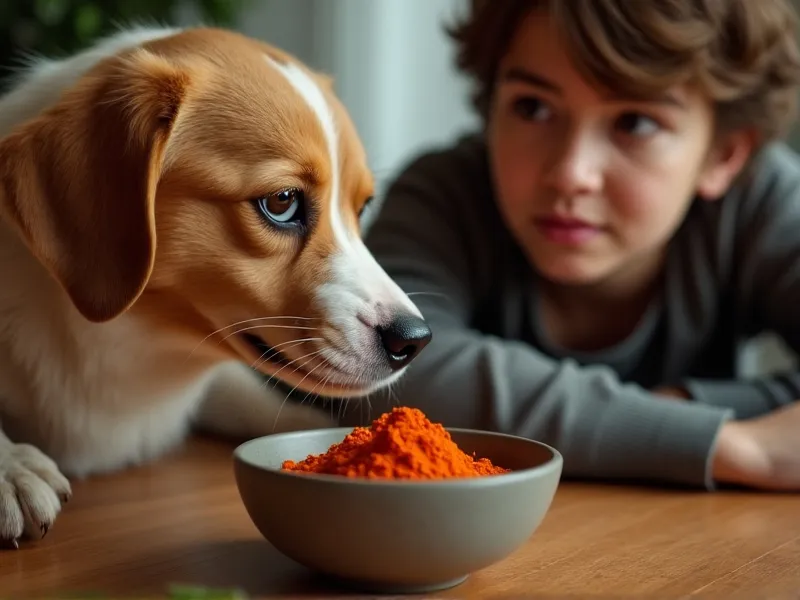
Table of Contents
- Can Dogs Eat Chili Powder? The Short Answer
- What Is Chili Powder, Anyway?
- Potential “Benefits” of Chili Powder for Dogs—Myth or Reality?
- Nutrients in Chili Powder
- Fiber Content
- Potassium
- The Risks of Feeding Chili Powder to Dogs (Why It’s Not Worth It)
- Capsaicin: The Spicy Culprit
- Stomach Upset and Digestive Distress
- Hidden Dangers: Garlic, Onion, and Salt
- Choking and Irritation Risks
- How Much Chili Powder Is “Safe” for Dogs? Accidental Ingestion vs. Intentional Feeding
- Healthier Alternatives to Chili Powder for Dogs
- Frequently Asked Questions (FAQ)
- Conclusion: Prioritize Your Pup’s Health
- References
1. Can Dogs Eat Chili Powder? The Short Answer
No, dogs should not eat chili powder. While a tiny, accidental sprinkle (like the one your pup licked off the floor) might not be life-threatening, chili powder offers no nutritional benefit to dogs and poses several risks—from upset tummies to more serious issues like toxicity from added ingredients. To keep your dog safe, it’s best to avoid feeding chili powder intentionally and keep it out of paws’ reach.
2. What Is Chili Powder, Anyway?
Before we dive into the risks and “benefits,” let’s clarify what chili powder actually is. Contrary to what the name suggests, it’s rarely just ground chili peppers. Most commercial chili powders are blends of spices, which can include:
- Dried, ground chili peppers (the main source of heat)
- Cumin
- Garlic powder
- Onion powder
- Paprika
- Oregano
- Salt
- Sometimes even sugar or other additives
This blend is key to understanding why chili powder is risky for dogs: it’s not just the “spicy” part that’s problematic, but often the hidden ingredients like garlic, onion, and excess salt.
3. Potential “Benefits” of Chili Powder for Dogs—Myth or Reality?
You might think, “If chili powder has vitamins and fiber, can’t it be a little healthy for my dog?” Let’s break down the nutrients often cited and whether they’re actually beneficial.
Nutrients in Chili Powder: Do Dogs Need Them?
Chili powder (specifically the chili pepper component) contains small amounts of vitamins A and C, as well as antioxidants. On paper, these sound good—vitamin A supports eye health, vitamin C boosts immunity, and antioxidants fight free radicals.
But here’s the catch: Dogs don’t need chili powder to get these nutrients. Commercial dog food is formulated to provide all the vitamins and antioxidants your pup needs, often from safer, more digestible sources like carrots (vitamin A), sweet potatoes (vitamin C), and leafy greens (antioxidants). Chili powder’s nutrient content is minimal compared to these whole foods, and the risks far outweigh any potential upside.
Fiber Content: A Tiny Amount, Not Worth the Risk
Chili powder does contain a small amount of dietary fiber (about 2-3 grams per tablespoon). Fiber is important for dogs’ digestive health, helping regulate bowel movements and keep their gut happy.
But again: Dogs get plenty of fiber from their regular diet. High-fiber dog foods, pumpkin puree (unsweetened), and vegetables like green beans or broccoli are far better sources of fiber—without the spicy kick or added toxins.
Potassium: Found in Safer Foods
Potassium is an electrolyte that supports heart health, muscle function, and nerve signaling. Chili powder has trace amounts, but so do many dog-safe foods: bananas, sweet potatoes, white potatoes (cooked, no skin), and spinach. These foods are not only richer in potassium but also easier for dogs to digest.
The Verdict on “Benefits”: Any nutrients in chili powder are negligible and can be obtained from safer, more palatable sources. Chili powder is not a health food for dogs—it’s a spice blend made for human taste buds, not canine nutrition.
4. The Risks of Feeding Chili Powder to Dogs (Why It’s Not Worth It)
Now, let’s get to the important part: the risks. Chili powder can cause everything from mild discomfort to severe health issues in dogs, depending on the amount and ingredients.
Capsaicin: The Spicy Culprit Behind Discomfort
Chili peppers (and thus chili powder) contain capsaicin, the compound that makes food taste “hot.” Dogs have fewer taste buds than humans, but they are sensitive to capsaicin—especially in their mouths, throats, and digestive tracts.
When a dog ingests capsaicin, it can cause:
- Oral irritation: Burning or stinging in the mouth, leading to excessive drooling, pawing at the face, or difficulty swallowing.
- Gastrointestinal upset: Nausea, vomiting, diarrhea, or abdominal pain. The capsaicin irritates the stomach lining, which can trigger inflammation.
- Respiratory issues: Inhaling chili powder (if it’s airborne) can irritate the nose and lungs, causing sneezing, coughing, or wheezing.
Stomach Upset and Digestive Distress
Even a small amount of chili powder can disrupt your dog’s digestive system. Dogs have shorter digestive tracts than humans, and their bodies aren’t designed to process spicy foods. Symptoms of digestive upset may include:
- Vomiting (sometimes with bile)
- Diarrhea (possibly watery or bloody, in severe cases)
- Loss of appetite
- Lethargy
In rare cases, severe vomiting or diarrhea can lead to dehydration, which requires veterinary attention.
Hidden Dangers: Garlic, Onion, and Salt
Remember how chili powder is often a blend? Two of the most common additives—garlic powder and onion powder—are toxic to dogs, even in small amounts.
Garlic and onion contain thiosulphate, a compound that damages red blood cells in dogs, leading to a condition called hemolytic anemia. Symptoms of garlic/onion toxicity include:
- Weakness
- Pale gums
- Rapid breathing
- Jaundice (yellowing of the skin or eyes)
- Dark urine
Salt is another concern. Excess salt intake can cause sodium ion poisoning, which leads to:
- Extreme thirst
- Frequent urination
- Vomiting
- Diarrhea
- Tremors or seizures (in severe cases)
Many chili powders are high in salt to enhance flavor, making them even riskier for dogs.
Choking Hazard (Yes, Even Powder!)
While chili powder itself is a fine powder, if your dog gets into a large amount (like a spilled container), they might inhale it accidentally. Inhaled powder can irritate the airways or, in rare cases, cause choking or aspiration pneumonia (if powder enters the lungs).
5. How Much Chili Powder Is “Safe” for Dogs? Accidental Ingestion vs. Intentional Feeding
The short answer: There’s no “safe” amount to feed intentionally. But what if your dog accidentally licks up a sprinkle off the floor?
- Small, accidental ingestion (a pinch or less): Likely no emergency. Your dog may drool, paw at their mouth, or have a mild upset stomach (e.g., soft stool). Offer fresh water and monitor them for a few hours. If symptoms worsen (vomiting, diarrhea, lethargy), call your vet.
- Larger amounts (a tablespoon or more) or chili powder with garlic/onion: This is cause for concern. Even a tablespoon of garlic powder can be toxic to small dogs (e.g., a 10-pound Chihuahua). Call your vet immediately if your dog ingests a significant amount, especially if you see symptoms like weakness, pale gums, or vomiting.
6. Healthier Alternatives to Chili Powder for Dogs
If you want to add flavor or nutrients to your dog’s diet, skip the chili powder and opt for these safe, dog-friendly alternatives:
For Fiber & Potassium:
- Pumpkin puree (unsweetened): Rich in fiber and potassium, great for digestive health.
- Sweet potatoes (cooked, mashed): Packed with fiber, vitamin A, and potassium.
- Carrots (raw or cooked): Crunchy, low-calorie, and full of fiber and vitamin A.
For Vitamins & Antioxidants:
- Blueberries: Antioxidant-rich and safe as an occasional treat.
- Spinach (cooked, in small amounts): Contains iron, vitamins A and C, and antioxidants.
- Broccoli florets (steamed): High in fiber and vitamin C (avoid large amounts, as it can cause gas).
For Safe “Flavor”:
- Turmeric: A anti-inflammatory spice (mix with a tiny bit of black pepper to boost absorption).
- Cinnamon: In small amounts, can add a warm flavor (avoid large doses, as it may irritate the mouth).
- Parsley: Fresh parsley adds a fresh taste and is rich in vitamins A and C.
7. Frequently Asked Questions (FAQ)
Q: My dog ate a small amount of chili powder—should I panic?
A: Probably not. A tiny sprinkle may cause mild drooling or an upset stomach, but monitor them for a few hours. If they vomit, have diarrhea, or seem lethargic, call your vet.
Q: Is paprika safe for dogs? Paprika is milder than chili powder.
A: Paprika is made from ground bell peppers (mild) or chili peppers (spicy). Mild paprika (no capsaicin) is generally safe in tiny amounts, but check the ingredients—some paprika blends may include garlic or salt. Better to avoid unless you’re sure it’s pure, plain paprika.
Q: Can dogs eat fresh chili peppers?
A: No. Fresh chili peppers contain capsaicin, just like chili powder, and can cause the same oral and digestive irritation.
Q: Are there any spices dogs can safely enjoy?
A: Yes! Turmeric (with black pepper), cinnamon (small amounts), ginger (for upset stomach), and oregano (fresh) are all safe in moderation. Always check with your vet before adding new spices to your dog’s diet.
8. Conclusion: Prioritize Your Pup’s Health
At the end of the day, chili powder is a human food—made for our taste buds, not our dogs’. While a tiny accidental lick might not be a disaster, there’s no reason to feed it intentionally. The risks (irritation, toxicity from additives, digestive upset) far outweigh any minimal “benefits.”
When in doubt, stick to your dog’s regular food and approved treats. If you want to spoil them, opt for fresh veggies, fruits, or dog-safe spices like turmeric. And if your dog ever ingests something questionable—including chili powder—don’t hesitate to call your vet.
Your pup’s health and happiness are worth it!
9. References
- American Society for the Prevention of Cruelty to Animals (ASPCA). Toxic and Non-Toxic Plants and Foods. aspca.org/pet-care/animal-poison-control
- PetMD. Can Dogs Eat Spices? What You Need to Know. petmd.com/dog/nutrition/can-dogs-eat-spices
- VCA Hospitals. Onion and Garlic Toxicity in Dogs. vcahospitals.com/know-your-pet/onion-and-garlic-toxicity-in-dogs
- American Kennel Club (AKC). Human Foods Dogs Can and Can’t Eat. akc.org/expert-advice/nutrition/human-foods-dogs-can-and-cant-eat