· 7 min read
Can Dogs Eat Chili Beans? The Surprising Truth Every Pet Parent Should Know
It’s a cozy Saturday night, and you’re savoring a bowl of hearty chili—rich, spicy, and packed with beans. Out of the corner of your eye, you notice your dog: tail thumping, nose twitching, and that irresistible “please share” stare. You pause, spoon mid-air. “Just a tiny bite can’t hurt, right?” you wonder. But before you cave to those puppy eyes, let’s get real: can dogs eat chili beans?
The answer isn’t as simple as “yes” or “no.” While beans themselves offer some nutritional perks, chili beans—with their spicy sauces, added sugars, and hidden toxins—can pose serious risks to your pup. In this guide, we’ll break down the facts, so you can keep your dog safe and healthy (and maybe still enjoy your chili in peace).
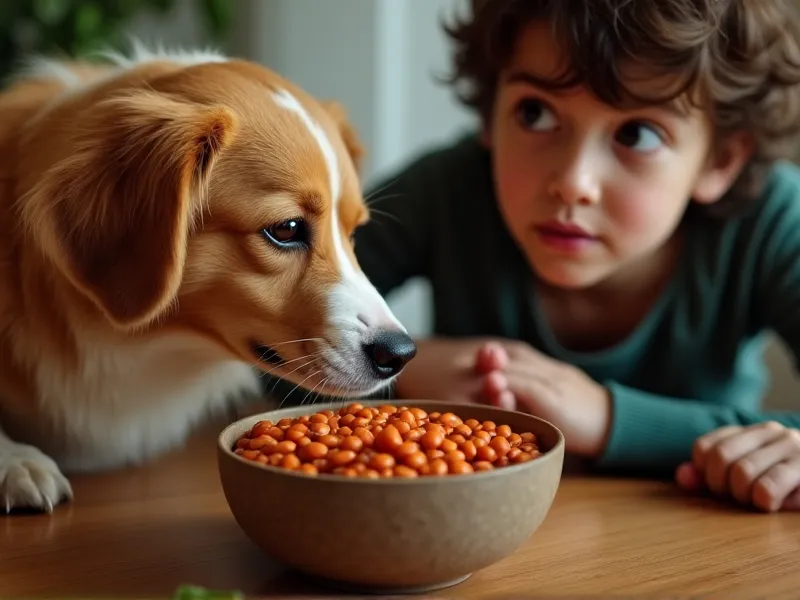
Table of Contents
- Can Dogs Eat Chili Beans? The Short Answer
- Potential Benefits of Beans for Dogs (With a Big Caveat)
- The Risks of Chili Beans: Why That Bite Might Be Harmful
- If You Must Share: Safe Guidelines for Chili Beans
- Healthier Alternatives to Chili Beans
- FAQ: Your Chili Bean Questions Answered
- Final Thoughts: Prioritizing Your Dog’s Health
Can Dogs Eat Chili Beans? The Short Answer
No, dogs should not eat chili beans—at least, not the typical store-bought or homemade chili beans you’d serve with your meal. Here’s why: Chili beans are rarely just “beans.” They’re usually simmered in a sauce loaded with spices (like chili powder, cumin, or paprika), salt, sugar, and sometimes even onions or garlic—all of which can be harmful to dogs.
Plain, cooked beans (like black beans or kidney beans, sans sauce) can be a safe, occasional treat in small amounts. But chili beans? The risks far outweigh any potential benefits. Let’s dig into the details.
Potential Benefits of Beans for Dogs (With a Big Caveat)
Before we dive into the risks, let’s acknowledge that beans themselves are nutrient-dense. If served plain and properly prepared, they can offer some benefits to dogs. Here’s what makes beans a (theoretically) healthy food:
1. Fiber for Digestive Health
Beans are rich in dietary fiber, which helps regulate your dog’s digestion. Fiber can prevent constipation, support a healthy gut microbiome, and even help dogs feel full longer (great for weight management).
2. Plant-Based Protein
Beans are a good source of plant protein, which can complement your dog’s regular diet (though dogs are primarily carnivores, they can thrive on a balanced mix of proteins). Protein supports muscle growth, tissue repair, and overall energy.
3. Essential Minerals
Beans contain key minerals like potassium (supports heart and muscle function), iron (aids red blood cell health), and magnesium (important for bone health and nerve function).
But here’s the catch: These benefits only apply to plain, cooked beans—no salt, no spices, no added sugars, and definitely no chili sauce. Chili beans, by definition, are seasoned, which cancels out these perks and introduces new risks.
The Risks of Chili Beans: Why That Bite Might Be Harmful
Chili beans are a far cry from plain beans. Let’s break down the dangerous ingredients commonly found in chili beans and how they affect your dog:
1. Onions and Garlic: Hidden Toxins
Many chili recipes (homemade or canned) include onions, garlic, or shallots for flavor. These ingredients are toxic to dogs, even in small amounts. They contain thiosulphate, a compound that damages a dog’s red blood cells, leading to hemolytic anemia. Symptoms include weakness, lethargy, pale gums, and dark urine. In severe cases, it can be life-threatening.
Source: ASPCA: Onions, Garlic, Chives
2. Spicy Seasonings: Stomach Upset
Chili powder, paprika, cumin, or cayenne are staples in chili. While humans love the heat, dogs’ digestive systems are sensitive to spices. Spicy foods can irritate their stomach lining, causing vomiting, diarrhea, abdominal pain, or excessive thirst. In rare cases, they might even lead to inflammation or ulcers.
3. High Sodium: A Hidden Danger
Canned chili beans (and many homemade recipes) are loaded with salt. Dogs need only a tiny amount of sodium in their diet—too much can lead to salt toxicity, which causes symptoms like vomiting, diarrhea, tremors, seizures, or even kidney damage. A single cup of canned chili can contain over 1,000 mg of sodium—way more than a small dog’s daily limit (which is around 100-200 mg for a 10-pound dog).
4. Added Sugar: Empty Calories
Some chili sauces include sugar or sweeteners to balance the heat. Dogs don’t need sugar in their diet, and excess sugar can lead to obesity, dental issues, or even diabetes over time.
5. Choking Hazard (Whole Beans)
Whole beans—especially larger varieties like kidney beans—can be a choking risk for small dogs or dogs who gulp their food. Cooked beans can also expand in the stomach, leading to bloat (a life-threatening condition where the stomach twists).
If You Must Share: Safe Guidelines for Chili Beans
We strongly recommend avoiding chili beans altogether. But if you’re in a pinch (say, your dog already stole a bite), here’s what to keep in mind:
1. Check the Ingredients First
If you’re considering sharing, read the label (for canned) or your recipe (for homemade). If it contains onions, garlic, spices, or high sodium, don’t share.
2. Serve Only Plain, Cooked Beans
If the chili beans are plain (no sauce, no spices, no additives), you could offer a tiny amount—about 1-2 tablespoons for a medium-sized dog, less for small breeds. But even then, moderation is key: beans are high in fiber, and too much can cause gas or diarrhea.
3. Monitor for Symptoms
If your dog eats chili beans (accidentally or intentionally), watch for signs of trouble: vomiting, diarrhea, lethargy, or pale gums. If you notice any of these, contact your vet immediately.
Healthier Alternatives to Chili Beans
Instead of risking chili beans, treat your dog to these safe, nutrient-packed alternatives:
1. Plain Cooked Beans
Stick to plain, unseasoned beans like black beans, pinto beans, or kidney beans. Rinse canned beans to remove excess sodium, then cook them until soft (never raw—raw beans contain lectins, which are toxic). Serve 1-2 tablespoons as an occasional treat.
2. Green Beans
Fresh or steamed green beans are a low-calorie, high-fiber snack. They’re crunchy, dogs love them, and they’re packed with vitamins A, C, and K. No cooking needed—just wash and serve!
3. Lentils
Cooked lentils (plain, no salt) are another great option. They’re high in protein, iron, and fiber, and they cook quickly. Mix a spoonful into your dog’s regular food for an extra nutrient boost.
4. Pumpkin (Plain, Canned)
Plain pumpkin (not pie filling!) is rich in fiber and beta-carotene. It’s great for digestive health and can soothe an upset stomach. Serve 1-2 tablespoons mixed into their food.
FAQ: Your Chili Bean Questions Answered
Q: Can dogs eat plain, cooked beans?
A: Yes! Plain, cooked beans (black, pinto, kidney, etc.) are safe in small amounts. They’re a good source of fiber and protein. Just avoid raw beans (toxic lectins) and skip the salt/spices.
Q: My dog ate a bite of my chili—should I panic?
A: Not necessarily, but monitor them closely. If the chili contained onions/garlic, or if your dog is small, contact your vet immediately. Symptoms like vomiting or lethargy mean it’s time to seek help.
Q: Are kidney beans toxic to dogs?
A: No, cooked kidney beans are safe. Raw kidney beans contain lectins, which can cause vomiting or diarrhea, so always cook them thoroughly.
Q: Can dogs eat chili with beans but no meat?
A: Even meatless chili is risky if it has spices, onions, or garlic. The beans themselves aren’t the issue—it’s the seasoning.
Q: How much sodium is too much for dogs?
A: A general rule: Dogs need about 100 mg of sodium per 10 pounds of body weight daily. Canned chili can have 1,000+ mg per cup—way over the limit!
Final Thoughts: Prioritizing Your Dog’s Health
While the occasional plain bean is safe, chili beans are best left off your dog’s menu. The spices, toxins, and excess salt simply aren’t worth the risk. Instead, opt for dog-friendly treats like green beans, plain cooked lentils, or pumpkin.
If you’re ever unsure about a food, consult your vet. They know your dog’s unique health needs and can guide you toward safe, healthy choices. After all, that wagging tail and happy bark are worth protecting—even if it means saying “no” to the chili.
References
- American Society for the Prevention of Cruelty to Animals (ASPCA). “Onions, Garlic, Chives.” https://www.aspca.org/pet-care/animal-poison-control/toxic-and-non-toxic-plants/onion-garlic-chives
- American Kennel Club (AKC). “Can Dogs Eat Beans? What You Need to Know.” https://www.akc.org/expert-advice/nutrition/can-dogs-eat-beans/
- PetMD. “Human Foods Dogs Can and Can’t Eat.” https://www.petmd.com/dog/nutrition/human-foods-dogs-can-and-cant-eat
- Veterinary Centers of America (VCA). “Salt Toxicity in Dogs.” https://vcahospitals.com/know-your-pet/salt-toxicity-in-dogs