· 8 min read
Can Dogs Eat Chickpea Pasta? What Pet Parents Need to Know
It’s a quiet weeknight, and you’re settling in for dinner with a bowl of golden, twirly chickpea pasta. It’s your go-to lately—high in protein, gluten-free, and way more satisfying than regular wheat pasta. As you take your first bite, you feel a wet nose nudge your hand. Looking down, you meet your dog’s soulful eyes, tail thumping softly. “Just a bite?” they seem to beg.
If you’re like many pet parents, you’ve wondered: Is this human food safe to share? Chickpea pasta is all the rage for health-conscious humans, but what about our four-legged friends? Can dogs eat chickpea pasta, or is it better to stick to their regular kibble?
In this guide, we’ll break down everything you need to know—from the nutritional benefits to the potential risks, plus how much (if any) is safe to serve. Let’s dig in!
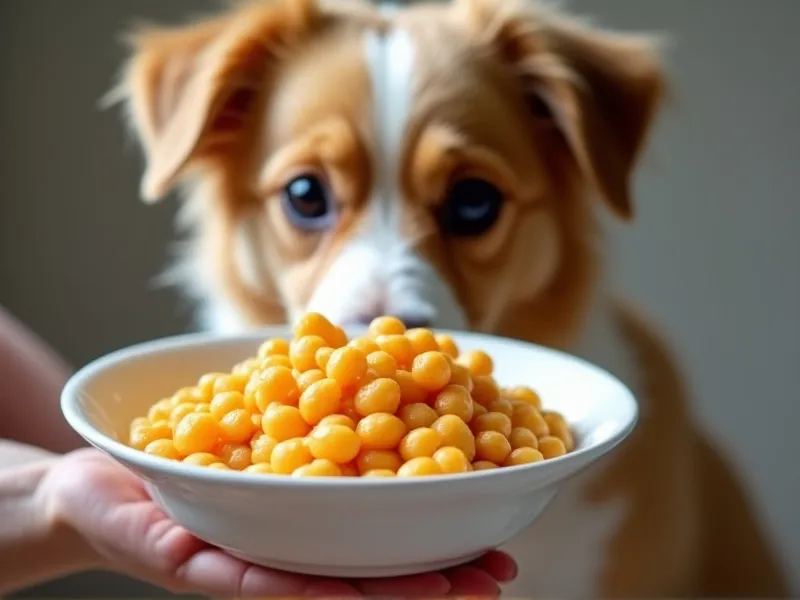
Table of Contents
- Can Dogs Eat Chickpea Pasta? The Short Answer
- Nutritional Benefits of Chickpea Pasta for Dogs
- Potential Risks to Watch For
- How Much Chickpea Pasta Can Dogs Safely Eat?
- Healthier Alternatives to Chickpea Pasta
- FAQ: Your Chickpea Pasta Questions Answered
- Conclusion: Moderation is Key
Can Dogs Eat Chickpea Pasta? The Short Answer
Yes, dogs can eat chickpea pasta in moderation—but with a few important caveats. Chickpea pasta is made from chickpeas (garbanzo beans), which are non-toxic and even nutritionally beneficial for dogs when prepared plain. However, the “pasta” part matters: some brands add sugars, salt, spices, or other ingredients that could harm your pup. Additionally, overfeeding or serving it improperly can lead to digestive upset or other issues.
In short: Chickpea pasta isn’t toxic, but it should never replace your dog’s balanced, species-appropriate diet. Think of it as an occasional treat, not a meal.
Nutritional Benefits of Chickpea Pasta for Dogs
Chickpea pasta’s star ingredient—chickpeas—is a nutritional powerhouse for dogs. Let’s break down why this legume-based pasta might be a better choice than, say, regular wheat pasta (if served carefully):
1. High-Quality Plant Protein
Chickpeas are packed with plant-based protein, and chickpea pasta typically contains 15–20g of protein per cup (cooked)—far more than traditional wheat pasta (which has about 7–8g per cup). Protein is essential for dogs: it supports muscle growth, repairs tissue, and keeps their coat shiny and skin healthy. For active dogs, senior dogs, or those recovering from illness, this extra protein can be a helpful boost.
2. Fiber for Digestive Health
Fiber is a dog’s digestive BFF, and chickpea pasta delivers. With 8–10g of fiber per cooked cup (vs. 2–3g in wheat pasta), it can help regulate your dog’s bowel movements, prevent constipation, and even support a healthy gut microbiome. A happy gut means better nutrient absorption and a stronger immune system—win-win!
3. Essential Vitamins & Minerals
Chickpea pasta is rich in key nutrients dogs need, including:
- Potassium: Critical for heart health, muscle function, and maintaining healthy blood pressure.
- Iron: Supports red blood cell production and energy levels (especially important for growing puppies or dogs with anemia).
- B Vitamins (Thiamine, Folate): Help convert food into energy and support brain function.
- Magnesium: Aids in bone health and nerve function.
4. Gluten-Free & Grain-Friendly
For dogs with wheat allergies, sensitivities, or gluten intolerance, chickpea pasta is a game-changer. Unlike traditional pasta, it’s naturally gluten-free, so it won’t trigger itchy skin, ear infections, or digestive issues in pups with grain sensitivities. Always check the label, though—some brands may process chickpea pasta in facilities that also handle wheat, which could lead to cross-contamination.
Potential Risks to Watch For
While chickpea pasta has perks, it’s not without risks—especially if you don’t read the label or overdo it. Here’s what to watch for:
1. Added Ingredients: Sugar, Salt, & Toxic Spices
Not all chickpea pasta is created equal. Many store-bought brands add extra ingredients to improve taste or texture, and some are dangerous for dogs:
- Sugar: Added sugars (like honey, agave, or “natural sweeteners”) can lead to obesity, dental issues, or even diabetes in dogs.
- Salt: Excess sodium (over 100mg per serving) can cause dehydration, kidney strain, or salt toxicity (symptoms: vomiting, diarrhea, seizures).
- Spices/Flavors: Garlic, onion, or “Italian seasoning” are toxic to dogs (they damage red blood cells). Even “low-sodium” or “herb-infused” varieties might contain these hidden dangers.
Rule of thumb: Always choose plain, unseasoned chickpea pasta with no added sugars, salt, or spices. The ingredient list should start and end with “chickpeas” (or “chickpea flour”).
2. Digestive Upset from Too Much Fiber
While fiber is good, too much fiber—especially introduced suddenly—can backfire. Chickpea pasta is high in soluble fiber, which can ferment in your dog’s gut and cause:
- Gas (hello, stinky roommates!)
- Bloating
- Diarrhea or loose stools
- Stomach cramps
This is especially true for dogs with sensitive stomachs or those unused to high-fiber foods. Always start with tiny portions and monitor their reaction.
3. Choking Hazard
Long, unbroken strands of pasta (even chickpea pasta) can pose a choking risk, especially for small dogs or those who gulp their food. Cooked pasta can also stick together, forming a “ball” that’s hard to swallow. To avoid this, break the pasta into small, bite-sized pieces before serving.
4. Legume Sensitivities (Rare but Possible)
While chickpeas are generally safe, some dogs may be sensitive to legumes (chickpeas, lentils, beans). Symptoms of a sensitivity include itchy skin, ear infections, or digestive upset. If your dog has never eaten chickpeas before, test with a tiny amount first.
How Much Chickpea Pasta Can Dogs Safely Eat?
The golden rule here is moderation. Chickpea pasta should be an occasional treat, not a meal replacement. The amount depends on your dog’s size, weight, and overall health. Here’s a general guideline:
| Dog Size | Weight Range | Safe Serving Size (Cooked, Plain Chickpea Pasta) |
|---|---|---|
| Small (e.g., Chihuahua, Pug) | 5–20 lbs | 1–2 tablespoons, broken into small pieces |
| Medium (e.g., Beagle, Bulldog) | 20–50 lbs | ¼ cup, broken into small pieces |
| Large (e.g., Lab, German Shepherd) | 50–100 lbs | ½ cup, broken into small pieces |
| Extra-Large (e.g., Great Dane, Mastiff) | 100+ lbs | ¾ cup, broken into small pieces |
Pro tips:
- Introduce slowly: Start with ½ the recommended serving and wait 24 hours to check for digestive upset.
- Mix with their food: Stir a small amount into their regular kibble to avoid overfeeding.
- Avoid daily treats: Stick to 1–2 times per week at most.
Healthier Alternatives to Chickpea Pasta
If you’re hesitant about chickpea pasta, or your dog didn’t love it, there are safer, more nutrient-dense human foods to share. Here are our top picks:
1. Plain Cooked Chickpeas
Skip the pasta and go straight to the source! Cooked, unsalted chickpeas are cheaper, have no added ingredients, and are easier to portion. Mash them up or serve whole (for larger dogs) as a high-protein, fiber-rich treat.
2. Steamed Veggies
Carrots, green beans, or sweet potatoes are low-calorie, high-fiber, and packed with vitamins. They’re safer than pasta (no choking risk if chopped) and gentler on sensitive tummies.
3. Plain Cooked Quinoa
Quinoa is a gluten-free, complete protein (contains all 9 essential amino acids) that’s easy to digest. Serve a small scoop mixed with their food for a nutrient boost.
4. Pumpkin (Unsweetened)
Canned pumpkin (not pie filling!) is a digestive superfood for dogs. It’s high in fiber and beta-carotene, and most dogs love the sweet taste. Great for settling upset stomachs or adding variety.
FAQ: Your Chickpea Pasta Questions Answered
Q: Is chickpea pasta better than regular wheat pasta for dogs?
A: It depends! Chickpea pasta has more protein, fiber, and nutrients than wheat pasta, making it a nutritionally superior option—if it’s plain and unseasoned. However, wheat pasta (plain, cooked) is also safe in small amounts for dogs without grain sensitivities. The key is avoiding added ingredients in either!
Q: Can puppies eat chickpea pasta?
A: Puppies can try small amounts of plain chickpea pasta, but their tummies are extra sensitive. Stick to 1–2 teaspoons (for small breeds) and monitor for gas or diarrhea. Always prioritize their puppy-specific food, which is formulated for their growing needs.
Q: My dog ate a whole bowl of chickpea pasta! What should I do?
A: Don’t panic, but keep an eye on them. Symptoms of overeating may include bloating, gas, diarrhea, or lethargy. If they show signs of severe discomfort (pacing, vomiting, inability to poop), contact your vet—excess fiber can cause intestinal blockages in rare cases.
Q: Is flavored chickpea pasta (e.g., spinach or tomato) safe?
A: Probably not. “Flavored” pastas often contain added salt, spices, or preservatives. For example, tomato-based pasta may have garlic or onion powder, which are toxic. Stick to plain chickpea pasta only.
Q: Can dogs with diabetes eat chickpea pasta?
A: Maybe, but ask your vet first. Chickpea pasta has a lower glycemic index than wheat pasta (meaning it raises blood sugar more slowly), but it still contains carbs. Your vet can help you decide if it fits into their meal plan.
Conclusion: Moderation is Key
So, can dogs eat chickpea pasta? Yes—but like all human foods, it’s a treat, not a staple. Plain, unseasoned chickpea pasta offers protein, fiber, and nutrients that can benefit your dog, but it’s not without risks (digestive upset, added ingredients, choking).
When in doubt, start small, read labels carefully, and always consult your vet before adding new foods to your dog’s diet—especially if they have allergies, diabetes, or other health conditions.
At the end of the day, the best thing you can give your dog is a balanced, species-appropriate diet. But sharing a tiny bite of your chickpea pasta? As long as it’s plain and portioned right, it might just become their new favorite “human food” treat.
Bon appétit (for both of you)!