· 8 min read
Can Dogs Eat Chickpeas? A Complete Guide for Pet Parents
You’re mid-snack, crunching on a handful of spiced roasted chickpeas, when your dog trots over. Their tail wags, and those big, soulful eyes lock onto your snack. “Just one little bite?” you think. After all, chickpeas are your go-to healthy snack—high in fiber, protein, and nutrients. But are they safe for your furry friend? Let’s dive into everything you need to know about dogs and chickpeas, from benefits to risks, portion sizes, and more.
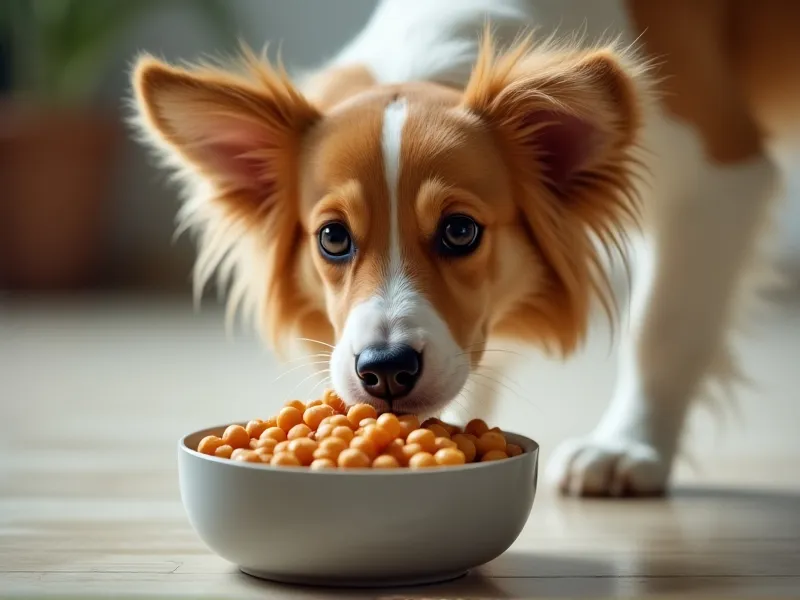
Table of Contents
- Can Dogs Eat Chickpeas? The Short Answer
- Nutritional Benefits of Chickpeas for Dogs
- Potential Risks of Feeding Chickpeas to Dogs
- How Much Chickpeas Can Dogs Safely Eat?
- Healthier Alternatives to Chickpeas
- Frequently Asked Questions (FAQ)
- Conclusion: Enjoy in Moderation
- References
Can Dogs Eat Chickpeas? The Short Answer
Yes, dogs can eat chickpeas—in moderation, and with proper preparation. Chickpeas (also called garbanzo beans) are non-toxic to dogs and can even offer some nutritional benefits. However, they’re not a “superfood” for pups, and there are important caveats to keep in mind (like avoiding added sugars or spices). Think of chickpeas as an occasional treat, not a replacement for your dog’s balanced, vet-approved diet.
Nutritional Benefits of Chickpeas for Dogs
Chickpeas are packed with nutrients that can support your dog’s health—when fed correctly. Let’s break down their key benefits:
1. Plant-Based Protein for Muscle Health
Chickpeas are a good source of plant-based protein (about 7-8 grams per ½ cup, cooked). Protein is essential for dogs to maintain strong muscles, repair tissues, and support a healthy immune system. While dogs are primarily carnivores, small amounts of plant protein can complement their diet—especially for active dogs or those on weight-management plans.
2. Fiber for Digestive Health
Fiber is a star nutrient in chickpeas (around 6-7 grams per ½ cup, cooked). Soluble fiber helps slow digestion, which can stabilize blood sugar levels, while insoluble fiber adds bulk to stool, supporting regular bowel movements. For dogs with occasional constipation, a tiny amount of cooked chickpeas might help—but too much fiber can backfire (more on that later!).
3. Essential Vitamins and Minerals
Chickpeas offer a range of vitamins and minerals that benefit dogs:
- Potassium: Supports heart health, muscle function, and fluid balance.
- Iron: Helps red blood cells carry oxygen throughout the body (important for energy levels).
- Vitamin B6: Aids in brain development and the production of neurotransmitters (like serotonin, the “happy hormone”).
- Folate (B9): Important for cell repair and growth, especially in puppies or pregnant dogs.
- Magnesium: Supports bone health and nerve function.
4. Antioxidants for Overall Wellness
Chickpeas contain antioxidants like lutein and zeaxanthin, which help fight free radicals (harmful molecules that damage cells). While research on antioxidants in dog diets is ongoing, these compounds may support eye health and reduce inflammation over time.
Potential Risks of Feeding Chickpeas to Dogs
While chickpeas can be beneficial, they’re not without risks—especially if fed improperly or in excess. Here’s what to watch for:
1. Digestive Upset (Gas, Bloating, Diarrhea)
Chickpeas are high in fiber, and dogs’ digestive systems aren’t always used to large amounts of plant-based fiber. Feeding too many chickpeas can lead to:
- Gas and bloating (uncomfortable for both you and your dog!).
- Diarrhea or loose stools (from rapid fermentation of fiber in the gut).
- Constipation (ironically, too much fiber can bulk up stool excessively if not paired with enough water).
2. Choking Hazard (Whole or Undercooked Chickpeas)
Whole, uncooked chickpeas are hard and dry—posing a choking risk, especially for small dogs or those who gulp food quickly. Even cooked whole chickpeas can get stuck in a dog’s throat if they don’t chew properly. To reduce this risk, mash or chop cooked chickpeas before feeding, or opt for canned chickpeas (rinsed, no salt added) which are softer.
3. Added Sugars, Salt, or Spices
Many store-bought chickpea products (like canned chickpeas, roasted chickpeas, or hummus) contain added ingredients that are harmful to dogs:
- Salt: Excess sodium can cause dehydration, high blood pressure, or kidney strain in dogs. Canned chickpeas often have added salt—always rinse them thoroughly to remove excess sodium.
- Sugar: Flavored chickpeas (e.g., honey-roasted) or sweetened hummus can lead to obesity, dental issues, or even diabetes in dogs.
- Spices/Seasonings: Garlic, onion, chili powder, or paprika are toxic to dogs. Even small amounts can damage red blood cells or cause gastrointestinal upset.
4. Allergic Reactions (Rare but Possible)
While uncommon, some dogs may be allergic to legumes (including chickpeas). Signs of an allergic reaction include itching, red skin, ear infections, or digestive issues (vomiting, diarrhea). If you notice these symptoms after feeding chickpeas, stop immediately and contact your vet.
How Much Chickpeas Can Dogs Safely Eat?
The key word here is moderation. Chickpeas should make up no more than 10% of your dog’s daily calorie intake (the rest should come from their regular, balanced dog food). Here’s a general guideline based on your dog’s weight:
| Dog Size | Weight Range | Safe Chickpea Portion (Cooked, Plain) |
|---|---|---|
| Small | Under 20 lbs | 1–2 tablespoons per day |
| Medium | 20–50 lbs | 2–3 tablespoons per day |
| Large | 50–100 lbs | 3–4 tablespoons per day |
| Extra-Large | Over 100 lbs | 4–5 tablespoons per day |
Pro Tips for Feeding Chickpeas:
- Cook them thoroughly: Raw chickpeas are hard to digest and may contain lectins (natural proteins that can irritate the gut). Boil or roast plain chickpeas until soft (no oil, salt, or spices).
- Avoid processed forms: Stick to plain, cooked chickpeas. Skip hummus (often has garlic/onion), roasted chickpeas with seasoning, or chickpea chips (high in salt/fat).
- Introduce slowly: Start with a tiny portion (e.g., 1 teaspoon for small dogs) and monitor for 24-48 hours. If there’s no gas, diarrhea, or vomiting, you can gradually increase (within the guidelines above).
Healthier Alternatives to Chickpeas
If you’re looking for low-risk, nutrient-dense treats, these alternatives are often safer or more digestible for dogs than chickpeas:
1. Green Beans
Low in calories, high in fiber, and packed with vitamins A, C, and K. Green beans are a crunchy, hydrating treat that most dogs love. Serve them raw (chopped for small dogs) or steamed—no added salt!
2. Carrots
Crunchy and full of beta-carotene (which converts to vitamin A, supporting eye health). Carrots are low in calories and help clean teeth—great for teething puppies or dogs prone to dental issues.
3. Pumpkin (Plain, Canned)
Plain, unsweetened pumpkin is a vet favorite for digestive health. It’s rich in fiber and beta-carotene, and can soothe both diarrhea and constipation. Just make sure it’s 100% pumpkin (not pumpkin pie filling, which has sugar and spices).
4. Sweet Potatoes
Cooked sweet potatoes are a great source of fiber, vitamin A, and antioxidants. They’re naturally sweet, so dogs often love them—just avoid adding butter, sugar, or marshmallows (yes, some people do that!).
Frequently Asked Questions (FAQ)
Q: Can dogs eat hummus?
A: No, most hummus is unsafe for dogs. Traditional hummus contains garlic and/or onion, which are toxic to dogs (even in small amounts). These ingredients can damage red blood cells, leading to anemia. Stick to plain, cooked chickpeas instead.
Q: Are canned chickpeas safe for dogs?
A: Yes, if rinsed thoroughly. Canned chickpeas often have added salt to preserve freshness. Rinse them under cold water for 30 seconds to remove excess sodium, then drain. Avoid canned chickpeas with added flavors (e.g., “low-sodium” is better than “spiced”).
Q: Can puppies eat chickpeas?
A: In small amounts, yes. Puppies have sensitive digestive systems, so start with ¼–½ teaspoon of mashed, cooked chickpeas. Monitor for digestive upset, and avoid if they’re on a specialized puppy diet (check with your vet first).
Q: My dog has diabetes—can they eat chickpeas?
A: Consult your vet first. Chickpeas are high in carbs (about 20 grams per ½ cup, cooked), which can spike blood sugar. While fiber may help slow absorption, dogs with diabetes need strict carb control. Your vet can advise if chickpeas fit into their meal plan.
Q: Can chickpeas help my dog lose weight?
A: Possibly, in tiny amounts. Chickpeas are low in fat and high in fiber, which can help dogs feel full with fewer calories. However, they’re not a weight-loss “miracle”—always work with your vet to create a safe, calorie-controlled diet for overweight dogs.
Conclusion: Enjoy in Moderation
Chickpeas can be a safe, healthy treat for dogs when prepared plain, cooked, and fed in small amounts. They offer protein, fiber, and key nutrients—but they’re no substitute for a balanced dog food. Always avoid added sugars, salt, or spices, and watch for signs of digestive upset.
Remember: Every dog is different! If your dog has health issues (like kidney disease, diabetes, or food allergies), or if you’re unsure whether chickpeas are right for them, consult your vet first. When in doubt, stick to tried-and-true treats like carrots or green beans.
So, the next time your dog begs for a chickpea, you can say “yes”—as long as it’s plain, cooked, and just a tiny bite. Your pup will thank you for the snack, and you’ll rest easy knowing you’re keeping them safe!
References
- American Kennel Club (AKC). “Can Dogs Eat Chickpeas?” AKC.org.
- PetMD. “Human Foods Dogs Can and Can’t Eat.” PetMD.com.
- Cummings Veterinary Medical Center at Tufts University. “Nutrition for Dogs.” TuftsVetNutrition.org.
- Veterinary Centers of America (VCA). “Foods Toxic to Dogs.” VCAHospitals.com.