· 7 min read
Can Dogs Eat Chicken Wings with Bones? The Surprising Truth Every Pet Parent Needs to Know
Picture this: You’re gathered around the table for game night, crispy chicken wings in hand, when your dog trots over, tail wagging, nose twitching. Those big, hopeful eyes seem to say, “C’mon, share the love!” It’s hard to resist—but before you toss them a wing, you pause. Can dogs eat chicken wings with bones?
It’s one of the most common questions pet parents ask, and for good reason. Chicken is a staple in many dog foods, so wings seem like a natural treat. But bones? They’re a whole different story. In this post, we’ll break down the risks, the (surprising) benefits, and what you should do if you want to spoil your pup safely.
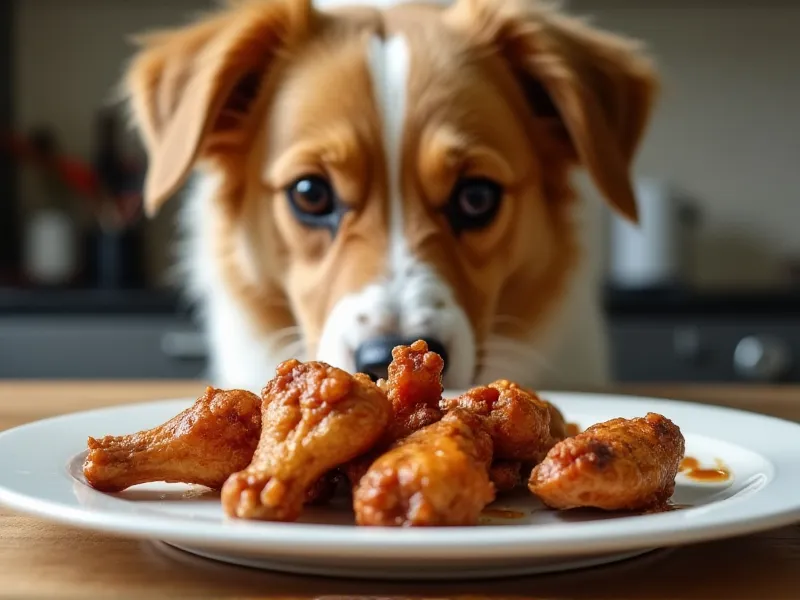
Table of Contents
- Can Dogs Eat Chicken Wings with Bones? The Short Answer
- Potential Benefits of Chicken Wings for Dogs (Yes, There Are Some!)
- The Risks: Why Chicken Bones (Even Cooked) Are a Big Concern
- How Much Is Safe? If You Must Share…
- Healthier Alternatives to Chicken Wings
- FAQ: Your Top Questions Answered
- Conclusion: Prioritize Safety, But Don’t Deprive the Pups (Too Much!)
Can Dogs Eat Chicken Wings with Bones? The Short Answer
No, dogs should not eat chicken wings with bones.
Cooked bones, in particular, are a serious hazard, while raw bones come with their own set of risks. Even if your dog has “always eaten bones and been fine,” the danger is real—and it’s not worth gambling with their health. Let’s dig into why, plus the rare exceptions where small amounts of boneless chicken might be okay.
Potential Benefits of Chicken Wings for Dogs (Yes, There Are Some!)
Before we dive into the risks, let’s acknowledge the elephant in the room: Chicken itself is fantastic for dogs. Chicken wings, when deboned and prepared safely, can offer some nutritional perks. Here’s what makes them appealing:
1. High-Quality Protein
Chicken is a lean, complete protein, meaning it contains all the essential amino acids dogs need for muscle growth, repair, and overall energy. Protein is crucial for dogs of all ages—puppies need it for development, adults for maintaining muscle mass, and seniors for preserving strength.
2. Key Nutrients: B Vitamins, Potassium, and More
Chicken wings (minus the bones and seasoning) are packed with nutrients:
- B Vitamins (B6, B12): Support brain function, energy production, and a healthy coat.
- Potassium: Regulates heart rhythm and muscle function.
- Selenium: An antioxidant that boosts immune health.
3. Glucosamine from Cartilage
The soft cartilage and connective tissue in chicken wings (think: the skin, tendons, and joint bits) contain glucosamine and chondroitin—nutrients known to support joint health and reduce inflammation, especially in older dogs or those with arthritis.
4. Natural “Fiber” for Digestion
While chicken wings aren’t a high-fiber food, the cartilage and small amounts of connective tissue can act as a gentle digestive aid, supporting gut health in moderation.
The Risks: Why Chicken Bones (Even Cooked) Are a Big Concern
Now, the not-so-fun part: The risks of feeding chicken wings with bones far outweigh the benefits. Here’s why vets and organizations like the ASPCA caution against it:
1. Cooked Bones Splinter—Badly
Cooking chicken bones (even slightly) dries them out, making them brittle and prone to splintering. Unlike raw bones, which are flexible and more likely to bend, cooked bones shatter into sharp, needle-like pieces when chewed. These fragments can:
- Perforate the esophagus, stomach, or intestines: Leading to internal bleeding, infection, or even death.
- Cause blockages: Small splinters can get stuck in the digestive tract, requiring surgery to remove.
The ASPCA explicitly warns: “Cooked bones are dangerous because they become brittle and can splinter, causing choking or serious damage to the dog’s mouth, throat, or intestines.”
2. Choking Hazard
Chicken wing bones are small and irregularly shaped, making them easy for dogs to swallow whole—especially small breeds or greedy chewers. A bone stuck in the throat can block airflow, leading to choking (a life-threatening emergency).
3. Raw Bones: Bacteria and Choking Risks
Some raw food advocates argue that “raw chicken wings are safe,” but they’re not risk-free. Raw bones can still:
- Choke your dog: Small wings (like those from cornish hens) are a particular hazard for small dogs.
- Carry bacteria: Salmonella, E. coli, and Campylobacter can live on raw chicken, risking illness for both your dog and your family (especially kids or immunocompromised humans).
The AVMA (American Veterinary Medical Association) notes that raw meat diets “pose a risk of illness to people and dogs” due to bacterial contamination.
4. Fat and Seasoning = Pancreatitis Risk
Most chicken wings we eat are fried, sauced, or seasoned with salt, garlic, onion, or sugar. Even “plain” roasted wings have skin, which is high in fat. Excess fat (or garlic/onion, which are toxic to dogs) can trigger pancreatitis—an inflammation of the pancreas that causes severe pain, vomiting, and diarrhea. In severe cases, pancreatitis can be fatal.
Sugar (from BBQ or honey-based sauces) is also a problem: It contributes to obesity, dental decay, and even diabetes in dogs.
How Much Is Safe? If You Must Share…
If you’re dead-set on sharing a bite of your chicken wing with your pup (we get it—those puppy eyes are powerful!), follow these strict rules:
Only Feed Boneless, Unseasoned, Cooked Chicken
- Remove all bones: Even tiny “splinter” bones can cause harm.
- Skip the skin and sauce: Skin is high in fat; sauce often has garlic, onion, or sugar.
- Cook thoroughly: No pink meat—undercooked chicken increases bacterial risk.
Limit Portions to “Treat Size”
A good rule: Treats (including chicken) should make up no more than 10% of your dog’s daily calories. For a 30-pound dog, that’s about 1-2 bite-sized pieces of boneless chicken per week.
Avoid If Your Dog Has Health Issues
Dogs with pancreatitis, obesity, or digestive sensitivities should skip chicken wings entirely. Always check with your vet first if your dog has a preexisting condition.
Healthier Alternatives to Chicken Wings
Why risk it when there are plenty of safe, delicious alternatives your dog will love? Here are our top picks:
1. Boneless, Skinless Chicken Breast
The gold standard! Cooked, unseasoned chicken breast is lean, protein-packed, and easy to digest. Shred it into their kibble or serve as a standalone treat.
2. Frozen Green Beans
Crunchy, low-calorie, and full of fiber—frozen green beans make a great “chew toy” for teething puppies or weight-conscious dogs.
3. Apple Slices (No Seeds!)
Sweet, crunchy, and rich in vitamins A and C. Just remove the core and seeds (seeds contain small amounts of cyanide, which is toxic).
4. Pumpkin (Plain, Canned)
A spoonful of plain pumpkin (not pie filling!) aids digestion and is low in calories. Dogs love the sweet, creamy texture.
5. Commercial Dental Chews
Look for vet-recommended dental chews (like Greenies or Virbac C.E.T.) that clean teeth and freshen breath—no bone risk!
6. Freeze-Dried Chicken Treats
These are lightweight, shelf-stable, and made from 100% chicken (no additives). Brands like Zuke’s or Merrick offer great options.
FAQ: Your Top Questions Answered
Q: My dog stole a chicken wing bone! What should I do?
A: Stay calm! Don’t try to induce vomiting (this can push bones further into the throat). Monitor for symptoms like choking, gagging, vomiting, diarrhea, lethargy, or loss of appetite. If you notice any of these, call your vet immediately—delayed treatment can be fatal.
Q: Are raw chicken wings safe for dogs on a raw diet?
A: Some raw feeders include raw chicken wings, but it’s controversial. The risks (choking, bacteria) still exist. If you feed raw, work with a vet or canine nutritionist to ensure safety and balance.
Q: Can puppies eat chicken wings?
A: Puppies have smaller throats and developing digestive systems, making bones even riskier. Stick to puppy-safe treats like freeze-dried chicken or soft kibble.
Q: What about turkey wings or beef bones?
A: Turkey wings have the same risks as chicken wings (small bones, splintering). Larger raw beef bones (like knuckles) are sometimes recommended as “recreational chews,” but they can still crack teeth or cause blockages. Always supervise and choose bones larger than your dog’s head to prevent swallowing.
Conclusion: Prioritize Safety, But Don’t Deprive the Pups (Too Much!)
At the end of the day, the goal is to keep our dogs happy and healthy. While chicken wings with bones are off-limits, there are plenty of safe ways to share the love—like a bite of boneless chicken or a crunchy green bean.
When in doubt, always consult your vet. They know your dog’s health history and can offer personalized advice. And remember: The best “treat” is a wagging tail and a healthy pup.
Sources:
- American Veterinary Medical Association (AVMA): Raw Pet Food
- ASPCA: People Foods to Avoid Feeding Your Pets
- PetMD: Pancreatitis in Dogs
- VCA Hospitals: Foreign Body Ingestion in Dogs
Got a story about your dog and chicken wings? Share it in the comments—we’d love to hear! 🐾