· 7 min read
Can Dogs Eat Raw Chicken Wings? What Pet Parents Need to Know
Picture this: You’re in the kitchen, seasoning a platter of chicken wings for game night, when your pup trots over, ears perked and tail thumping. Their big, hopeful eyes seem to say, “Can I have a bite?” It’s a common scenario for pet parents—our dogs are natural scavengers, and the smell of raw meat is practically irresistible to them. But before you toss them a wing, there’s a crucial question to answer: Can dogs eat raw chicken wings safely?
In this guide, we’ll break down the risks, potential benefits (if any), and expert advice to help you make the best choice for your furry friend. Let’s dive in.
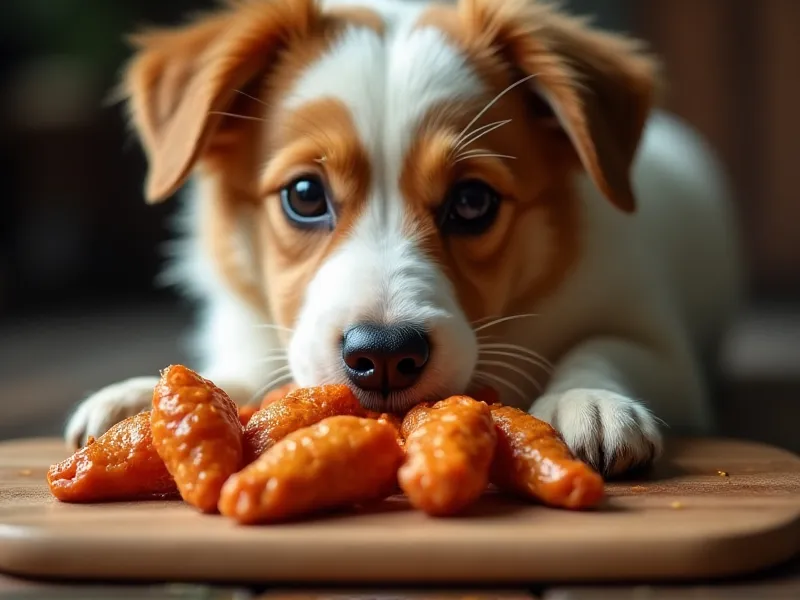
Table of Contents
- Can Dogs Eat Raw Chicken Wings? The Short Answer
- Potential “Benefits” of Raw Chicken Wings (and Why They’re Overstated)
- The Risks: Why Raw Chicken Wings Are a Concern for Dogs
- How Much Raw Chicken Wing Is “Safe” for Dogs? (Hint: Probably None)
- Healthier Alternatives to Raw Chicken Wings
- FAQ: Your Raw Chicken Wing Questions Answered
- Conclusion: Prioritize Safety, Consult Your Vet
- References
Can Dogs Eat Raw Chicken Wings? The Short Answer
No, raw chicken wings are not safe for dogs. While they may seem like a “natural” treat (after all, wolves eat raw meat!), domesticated dogs have different digestive systems and health needs. Raw chicken wings pose significant risks, including bacterial infections, choking hazards, and internal injuries from bones. Most veterinarians and pet health experts strongly advise against feeding raw chicken wings to dogs of any age or breed.
Potential “Benefits” of Raw Chicken Wings (and Why They’re Overstated)
Proponents of raw feeding (BARF diets, or “Biologically Appropriate Raw Food”) sometimes argue that raw chicken wings offer benefits like:
- Nutrient Density: Chicken is a good source of protein, vitamins (B6, B12), and minerals (selenium, phosphorus).
- Dental Health: Chewing on bones may help scrape plaque off teeth.
- Natural Fiber: The skin and connective tissue in wings contain small amounts of fiber.
However, these “benefits” are either overstated or can be achieved more safely through other means. For example:
- Protein and nutrients: Cooked, boneless chicken (without seasoning) provides the same nutrients without bacterial risk.
- Dental health: Veterinary-approved dental chews or raw meaty bones (from larger animals like beef, not poultry) are safer for plaque control (more on this later).
- Fiber: Dogs don’t need much fiber from meat—their fiber needs are better met through fruits, vegetables, or high-quality dog food.
In short, the risks of raw chicken wings far outweigh any minor benefits.
The Risks: Why Raw Chicken Wings Are a Concern for Dogs
Let’s break down the biggest dangers of feeding raw chicken wings to your dog.
Bacterial Contamination: Salmonella, E. Coli, and More
Raw chicken—including wings—is a common carrier of harmful bacteria like Salmonella and Campylobacter, and occasionally E. coli or Listeria. These pathogens can make your dog sick, and they can also spread to humans through contact with your dog’s saliva, feces, or food bowls (a risk known as “zoonosis”).
Symptoms of bacterial infection in dogs include:
- Vomiting
- Diarrhea (sometimes bloody)
- Lethargy
- Fever
- Loss of appetite
In severe cases, especially in puppies, senior dogs, or those with weakened immune systems, bacterial infections can lead to dehydration, organ failure, or even death.
The FDA warns that raw pet food (including raw chicken) is linked to hundreds of recalls annually due to bacterial contamination. Even “high-quality” raw chicken isn’t guaranteed to be safe—bacteria can live on the surface or inside the meat.
Bone Hazards: Choking, Perforation, and Blockages
Poultry bones (like chicken wings) are small, lightweight, and extremely brittle. When chewed, they can splinter into sharp fragments that:
- Choke your dog: Small bones can get stuck in the throat, blocking the airway.
- Perforate the digestive tract: Sharp splinters can tear the esophagus, stomach, or intestines, leading to internal bleeding or infection (peritonitis).
- Cause intestinal blockages: Bone fragments can get stuck in the intestines, requiring emergency surgery to remove.
Unlike bones from larger animals (e.g., beef marrow bones), chicken bones don’t “break down” easily in a dog’s stomach. Even if your dog seems to chew the wing thoroughly, tiny splinters can still cause harm.
Fat and Digestive Upset
Chicken wings are high in fat, especially the skin. Feeding fatty foods to dogs can trigger pancreatitis—a painful, potentially life-threatening condition where the pancreas becomes inflamed. Symptoms include severe abdominal pain, vomiting, and diarrhea. Pancreatitis is more common in overweight dogs, but any dog can develop it after eating high-fat foods.
How Much Raw Chicken Wing Is “Safe” for Dogs? (Hint: Probably None)
Even a small raw chicken wing can pose risks. There’s no “safe” amount because:
- A single bite could expose your dog to bacteria.
- A small bone fragment could splinter and cause internal damage.
- The fat content could still trigger digestive upset.
If you’re considering raw bones for dental health, vets often recommend larger, raw meaty bones (like beef knuckles or lamb shanks) under strict supervision. These bones are denser and less likely to splinter, but they still carry risks (e.g., tooth fractures). Always consult your vet before offering any raw bones.
Healthier Alternatives to Raw Chicken Wings
If you want to treat your dog to something tasty and safe, try these alternatives:
1. Cooked, Boneless Chicken
Plain, unseasoned, cooked chicken breast or thigh (without skin) is a great source of protein. It’s easy to digest and free of bacteria or bone hazards. Just avoid adding salt, garlic, onion, or spices—these can be toxic to dogs.
2. Veterinary-Approved Dental Chews
Products like Greenies, Kong Dental, or C.E.T. Chews are designed to reduce plaque and tartar without the risk of bones. They’re tested for safety and digestibility.
3. Raw Meaty Bones (Larger Animals)
If your vet approves, raw beef marrow bones or lamb shanks (supervised!) can help clean teeth. Choose bones larger than your dog’s mouth to prevent choking, and take them away once they’re small enough to swallow.
4. Freeze-Dried Chicken Treats
Freeze-dried chicken (without additives) is a low-fat, crunchy option that dogs love. Brands like Stella & Chewy’s or Primal make single-ingredient freeze-dried treats that are safe and convenient.
5. Fresh Fruits and Veggies
Carrots, apples (no seeds), or green beans make healthy, low-calorie snacks. They’re great for crunching and help keep teeth clean!
FAQ: Your Raw Chicken Wing Questions Answered
Q: Can puppies eat raw chicken wings?
A: Puppies have weaker immune systems and smaller airways, making them more vulnerable to bacterial infections and choking. Never feed raw chicken wings to puppies.
Q: My dog stole a raw chicken wing off the counter! What should I do?
A: Stay calm. Monitor your dog for 24–48 hours for signs of choking (gagging, pawing at mouth), vomiting, diarrhea, or lethargy. If any symptoms appear, contact your vet immediately. Even if they seem fine, it’s a good idea to mention it at your next checkup.
Q: Are cooked chicken wings safe for dogs?
A: No—cooked chicken bones are even more dangerous than raw ones. Cooking makes bones brittle and prone to splintering. Stick to boneless, cooked chicken only.
Q: I feed my dog a raw diet. Should I include chicken wings?
A: The American Veterinary Medical Association (AVMA) opposes raw feeding due to bacterial risks. If you choose a raw diet, work with a board-certified veterinary nutritionist to ensure it’s balanced and safe. They may recommend avoiding poultry bones entirely.
Conclusion: Prioritize Safety, Consult Your Vet
While raw chicken wings might seem like a “natural” treat, they’re simply not worth the risk. Bacterial infections, choking, and internal injuries are serious concerns that can lead to expensive vet bills or worse.
Instead, opt for safer alternatives like cooked boneless chicken, dental chews, or fresh fruits and veggies. And remember: Every dog is different! What works for one pup may not work for another. When in doubt, consult your veterinarian—they can help you choose treats that fit your dog’s age, breed, and health needs.
Your dog’s safety and health are always worth prioritizing. After all, those tail wags and wet nose kisses are too precious to risk over a chicken wing.
References
- American Veterinary Medical Association (AVMA). (2023). Raw Pet Food. avma.org/resources/pet-owners/petcare/raw-pet-food
- U.S. Food and Drug Administration (FDA). (2022). FDA Warns About Risks of Feeding Raw Food to Pets. fda.gov/animal-veterinary/animal-health-literacy/fda-warns-about-risks-feeding-raw-food-pets
- PetMD. (2023). Can Dogs Eat Chicken Bones? What You Need to Know. petmd.com/dog/nutrition/can-dogs-eat-chicken-bones
- American College of Veterinary Nutrition (ACVN). (2021). Raw Diets for Pets: A Scientific Review. acvn.org/raw-diets
- Centers for Disease Control and Prevention (CDC). (2023). Salmonella and Pets. cdc.gov/salmonella/pets.html