· 8 min read
Can Dogs Eat Chicken Wings? What Pet Parents Need to Know
It’s Sunday afternoon, and you’re settled in with a plate of your favorite chicken wings—crispy, saucy, and perfectly seasoned. Beside you, your dog sits like a statue, tail thumping a rapid rhythm against the floor. Their nose twitches, eyes lock onto your plate, and a soft whine escapes. “Just one tiny bite?” you think. “Surely a wing can’t hurt… right?”
If you’ve ever found yourself in this scenario, you’re not alone. Chicken wings are a beloved human snack, but when it comes to our furry friends, the answer isn’t as simple as “yes” or “no.” Let’s dive into the details: Are chicken wings safe for dogs? What are the risks? And are there healthier ways to share the chicken love with your pup?
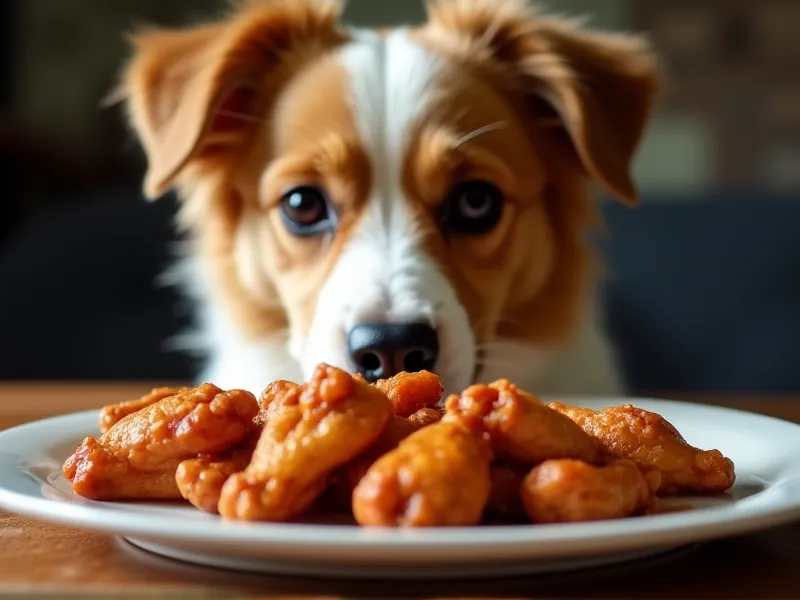
Table of Contents
- Can Dogs Eat Chicken Wings? The Short Answer
- The Benefits of Chicken for Dogs (When Prepared Safely)
- The Risks of Feeding Chicken Wings to Dogs
- Safe Guidelines (If You Choose to Share)
- Healthier Alternatives to Chicken Wings
- FAQ: Your Top Questions Answered
- Conclusion: Prioritize Safety, Always
Can Dogs Eat Chicken Wings? The Short Answer
Let’s cut to the chase: Dogs should not eat chicken wings—at least, not the typical wings we humans enjoy. Here’s why: Most chicken wings contain bones (cooked bones, which are dangerous), fatty skin, and added seasonings (like garlic, onion, or salt) that can harm dogs. While plain, boneless chicken meat is a healthy protein source for dogs, the wings themselves are a recipe for trouble.
Think of it this way: A chicken wing is more than just meat. It’s a package of risks wrapped in a tasty (to humans) shell. To keep your pup safe, it’s best to skip sharing wings and opt for safer chicken-based treats instead.
The Benefits of Chicken for Dogs (When Prepared Safely)
Before we dive into the risks, let’s clarify: Chicken itself is not the enemy. In fact, it’s one of the most common proteins in high-quality dog foods—and for good reason! When prepared correctly (plain, boneless, and fully cooked), chicken offers several benefits:
1. High-Quality Protein
Chicken is packed with lean protein, which is essential for your dog’s muscle growth, repair, and overall energy. It contains all the amino acids dogs need to thrive, making it a “complete protein” [1].
2. Essential Nutrients
Chicken is rich in B vitamins (like B6 and B12), which support brain function and energy metabolism, and minerals like selenium (important for immune health) and phosphorus (for strong bones) [2].
3. Easy to Digest
For dogs with sensitive stomachs, plain chicken is often recommended as a bland diet during digestive upsets. It’s gentle on the gut and less likely to trigger allergies than red meats [3].
The key here? Prepared safely. Chicken wings, unfortunately, rarely fit that bill.
The Risks of Feeding Chicken Wings to Dogs
Now, let’s unpack why chicken wings are risky. Even a small wing can lead to big problems for your pup:
1. Cooked Bones: A Choking and Perforation Hazard
The biggest danger of chicken wings is their bones—especially cooked ones. When bones are cooked, they lose moisture and become brittle. Instead of bending, they splinter into sharp shards that can:
- Choke your dog: Small bones can get stuck in the throat, blocking airflow.
- Puncture the digestive tract: Splinters can tear the esophagus, stomach, or intestines, leading to internal bleeding or infection.
- Cause intestinal blockages: Larger bone fragments can get stuck in the intestines, requiring surgery to remove [4].
Raw bones are sometimes debated as safer (since they’re softer and more flexible), but they carry their own risks: salmonella or E. coli contamination (which can sicken both dogs and humans) and the chance of bones still causing blockages [5].
2. Fatty Skin: A Ticket to Pancreatitis
Chicken wings are often covered in skin, which is high in fat. While a little fat is okay, too much can trigger pancreatitis—a painful, potentially life-threatening condition where the pancreas becomes inflamed. Symptoms include vomiting, diarrhea, lethargy, and loss of appetite [6].
Pancreatitis is more common in dogs who eat fatty foods like wings, bacon, or fried snacks. Even a single wing with skin can be too much for small dogs or those prone to pancreatitis.
3. Seasonings: Hidden Toxins
Most chicken wings we eat are loaded with seasonings: garlic, onion, salt, chili powder, or sauces like buffalo (which often contains garlic). These can be toxic to dogs:
- Garlic and onion: Both belong to the allium family and contain thiosulphate, which damages red blood cells in dogs, leading to anemia [7].
- Salt: Excess salt can cause sodium ion poisoning, with symptoms like vomiting, diarrhea, seizures, and even death [8].
- Spices: Chili powder or hot sauce can irritate your dog’s stomach, causing pain or diarrhea.
Even “mild” seasonings like lemon pepper or honey garlic pose risks. Your dog’s taste buds don’t need the extra flavor—and their body can’t handle the additives.
4. Choking on Skin or Cartilage
Even boneless wings (yes, they exist!) aren’t risk-free. The skin and cartilage can still get stuck in your dog’s throat, especially if they gulp their food. Small dogs are particularly vulnerable here.
Safe Guidelines (If You Choose to Share)
We get it: It’s hard to say no to those puppy eyes. If you must share a tiny piece of chicken with your dog (and we mean tiny), follow these strict rules to minimize risk:
1. Remove All Bones, Skin, and Seasonings
Only share the meat—no bones, skin, or sauce. Cook the chicken thoroughly (no pink, internal temp 165°F) to kill bacteria like salmonella.
2. Keep Portions Tiny
A “treat” should make up no more than 10% of your dog’s daily calories. For a 30-pound dog, that’s about 1-2 bites of plain chicken. Any more could lead to weight gain or stomach upset.
3. Monitor for Reactions
After sharing, watch your dog for 24 hours. If they vomit, diarrhea, cough (signs of choking), or act lethargic, call your vet immediately.
4. Avoid It Altogether for High-Risk Dogs
Skip chicken (even plain) if your dog has:
- A history of pancreatitis
- Digestive issues (like IBS)
- Allergies to poultry
- Small breed size (higher choking risk)
Healthier Alternatives to Chicken Wings
Instead of risking wings, treat your dog to these safe, tasty alternatives that capture the chicken flavor without the danger:
1. Plain, Boneless Chicken Breast
The gold standard! Cook a small piece of boneless, skinless chicken breast (no seasoning), chop it into bite-sized pieces, and serve as a treat. It’s high in protein, low in fat, and easy to digest.
2. Frozen Chicken Treats
Freeze small cubes of plain chicken broth (low-sodium) or cooked chicken in an ice tray for a cool, hydrating snack on hot days.
3. Lean Turkey Slices
Similar to chicken, plain turkey is a great protein source. Just avoid deli meats (high in salt and preservatives).
4. Veggie Crunchers
For a low-calorie option, try carrots, green beans, or cucumber slices. They’re crunchy, full of fiber, and most dogs love them.
5. Commercial Dog Treats
Look for high-quality dog treats made with real chicken (no by-products or additives). Brands like Blue Buffalo or Wellness offer chicken-based treats designed specifically for dogs.
FAQ: Your Top Questions Answered
Q: My dog stole a chicken wing! What should I do?
A: Stay calm. If the wing had bones, monitor your dog closely for 24-48 hours. Watch for choking (gagging, pawing at the mouth), vomiting, diarrhea, lethargy, or loss of appetite. If any of these occur, call your vet immediately—do NOT induce vomiting unless instructed to [9].
Q: Are raw chicken wings safer than cooked ones?
A: No. While raw bones are softer, they still pose risks: salmonella/E. coli contamination, bone blockages, or dental fractures. Most vets recommend avoiding raw bones altogether [5].
Q: Can puppies eat chicken wings?
A: Puppies have smaller throats, developing digestive systems, and higher energy needs—so wings are even riskier for them. Stick to puppy-safe treats like plain chicken breast or puppy-formulated kibble.
Q: What if I remove the bones—are boneless wings safe?
A: Boneless wings still have skin (high fat) and seasonings (toxic). Even plain, skinless boneless wings should be given only occasionally and in tiny portions.
Q: My dog has eaten chicken wings before and been fine. Does that mean it’s safe?
A: Luck doesn’t equal safety. Some dogs may pass a bone without issue, but others could suffer life-threatening injuries. It’s not worth the gamble!
Conclusion: Prioritize Safety, Always
At the end of the day, sharing food with your dog is a way to show love—but love means keeping them safe. Chicken wings, with their bones, fat, and seasonings, are simply too risky to justify as a treat.
Instead, opt for plain, boneless chicken breast or other dog-safe snacks. And when in doubt, consult your vet before introducing new foods—they know your dog’s unique needs best.
Your pup doesn’t need chicken wings to feel loved. A belly rub, a walk, or a safe, tasty treat will do the trick. Here’s to many happy, healthy snack times ahead!
References
[1] American Kennel Club (AKC). “Can Dogs Eat Chicken?” akc.org
[2] PetMD. “Chicken for Dogs: Benefits and Risks.” petmd.com
[3] VCA Hospitals. “Bland Diet for Dogs and Cats.” vcahospitals.com
[4] ASPCA. “Pets and Cooked Bones.” aspca.org
[5] Cornell University College of Veterinary Medicine. “Raw Food Diets for Dogs and Cats.” cornell.edu
[6] PetMD. “Pancreatitis in Dogs.” petmd.com
[7] ASPCA. “Onions, Garlic, Chives.” aspca.org
[8] AKC. “Can Dogs Eat Salt?” akc.org
[9] VCA Hospitals. “Foreign Body Ingestion in Dogs.” vcahospitals.com