· 8 min read
Can Dogs Eat Chicken Thigh Bones? The Surprising Truth Every Pet Parent Needs to Know
It’s a familiar scene: You’re cleaning up after dinner, and there it is—a leftover chicken thigh bone, glistening with a hint of juicy meat. Before you can toss it in the trash, your dog trots over, tail thumping, nose twitching, and gives you that look. You know the one: wide, hopeful eyes that seem to say, “Surely this delicious-smelling treasure is for me?”
Chicken bones are a universal dog magnet. They’re crunchy, meaty, and smell like a dream to our canine companions. But as a responsible pet parent, you pause. You’ve heard conflicting advice: “Bones are natural for dogs!” vs. “Chicken bones will splinter and kill them!” So… what’s the truth? Can dogs eat chicken thigh bones, or are they a hidden danger?
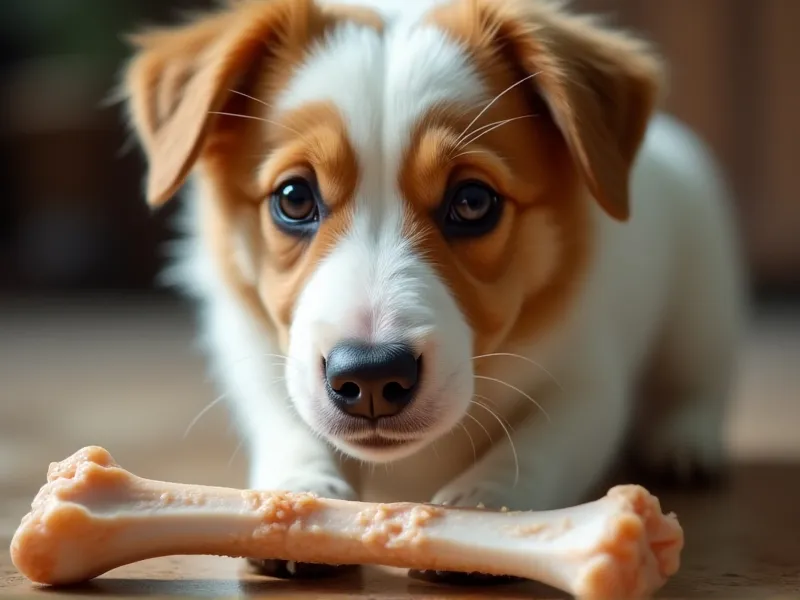
Table of Contents
- Can Dogs Eat Chicken Thigh Bones? The Short Answer
- Potential “Benefits” of Chicken Thigh Bones (and Why They’re Not Worth the Risk)
- The Real Risks: Why Chicken Thigh Bones Are Dangerous for Dogs
- Guidelines: If You Must Offer a Bone (Proceed with Extreme Caution)
- Healthier Alternatives to Chicken Thigh Bones
- FAQ: Your Chicken Thigh Bone Questions Answered
- Conclusion: Prioritizing Your Dog’s Safety Over Temptation
- References
Can Dogs Eat Chicken Thigh Bones? The Short Answer
Let’s cut to the chase: No, dogs should not eat chicken thigh bones—especially cooked ones.
While raw chicken bones are sometimes debated in raw feeding circles, the risks of feeding any chicken thigh bone (raw or cooked) far outweigh any potential benefits. Cooked bones, in particular, are brittle and prone to splintering, which can tear your dog’s throat, esophagus, or intestines. Even raw bones pose hazards like choking, dental fractures, or bacterial infections.
In short: That chicken thigh bone might look like a tasty treat, but it’s a gamble with your dog’s health.
Potential “Benefits” of Chicken Thigh Bones (and Why They’re Not Worth the Risk)
You might wonder: If chicken bones are so bad, why do dogs go crazy for them? And aren’t bones supposed to be “natural” for dogs? Let’s unpack the supposed “benefits” and why they’re overhyped.
1. Nutrients Like Calcium and Phosphorus
Raw chicken bones (especially with cartilage) contain calcium and phosphorus, which support bone health and muscle function. However, these nutrients are easily obtained from safer sources, like high-quality dog food, boneless chicken, or supplements recommended by your vet.
2. “Fiber” from Cartilage
The soft cartilage on chicken bones might offer a tiny amount of fiber, but again—this is negligible. Your dog’s diet should already include fiber from vegetables or commercial food, so risking a choking hazard for a scrap of cartilage isn’t worth it.
3. Mental Stimulation
Chewing is calming for dogs, and bones can keep them occupied. But there are dozens of safe, long-lasting chews (like rubber Kongs or bully sticks) that provide the same mental boost without the danger.
The bottom line: Any “benefit” of chicken thigh bones is minor and can be replaced with safer alternatives. The risks, however, are severe and potentially life-threatening.
The Real Risks: Why Chicken Thigh Bones Are Dangerous for Dogs
To understand why chicken thigh bones are off-limits, let’s break down the specific dangers—starting with the most critical.
Splintering: A Sharp Hazard to the Digestive Tract
Cooked chicken bones are the biggest culprit here. When you cook a chicken bone, heat removes moisture, making it dry, brittle, and prone to splintering into sharp shards. Unlike raw bones (which are more flexible), cooked bones can snap into tiny, needle-like pieces when chewed.
These splinters can:
- Tear the lining of your dog’s mouth, throat, or esophagus (causing pain or bleeding).
- Puncture the stomach or intestines, leading to infections like peritonitis (a life-threatening condition requiring emergency surgery).
- Get stuck in the digestive tract, causing blockages that may require surgery to remove.
Choking: A Life-Threatening Emergency
Chicken thigh bones are small enough to lodge in a dog’s throat, especially if your pup tries to swallow them whole (common with excited chewers). Even if they chew the bone into smaller pieces, fragments can get stuck in the trachea (windpipe), cutting off oxygen.
Signs of choking include:
- Pawing at the mouth.
- Gagging, retching, or difficulty breathing.
- Bluish gums (a sign of oxygen deprivation).
If you suspect choking, act fast: Perform the Heimlich maneuver for dogs (if trained) and rush to the vet immediately.
Bacterial Contamination (Raw Bones)
Raw chicken bones carry harmful bacteria like Salmonella or E. coli, which can sicken both dogs and humans. While some dogs have strong stomach acids that kill bacteria, puppies, senior dogs, or those with weakened immune systems (e.g., due to illness) are at higher risk of vomiting, diarrhea, or sepsis.
Humans are also at risk: Handling raw bones or cleaning up after your dog can spread bacteria, leading to food poisoning.
Dental Damage and Blockages
Even raw chicken bones can cause problems. Dogs with strong jaws (like Pit Bulls or German Shepherds) may crack or fracture teeth while gnawing on bones. A broken tooth is painful and can lead to infections if left untreated.
Additionally, bone fragments (even small ones) can clump together in the intestines, forming a blockage. Symptoms include vomiting, loss of appetite, and lethargy—and blockages often require surgery to resolve.
Guidelines: If You Must Offer a Bone (Proceed with Extreme Caution)
We strongly advise against feeding chicken thigh bones, but if you’re set on giving your dog a bone (e.g., as part of a raw diet), follow these strict guidelines to minimize risk:
- Never feed cooked bones. Only consider raw, and even then, consult your vet first.
- Choose large, meaty bones. Skip chicken—opt for beef marrow bones, lamb shanks, or knucklebones. These are thicker and less likely to splinter.
- Supervise constantly. Never leave your dog alone with a bone. If they start swallowing large chunks, take it away immediately.
- Limit chew time. 10–15 minutes is enough. Remove the bone once it becomes small enough to swallow whole.
- Avoid bones for puppies, seniors, or dogs with health issues. Puppies have smaller airways, seniors may have dental problems, and dogs with pancreatitis or digestive disorders are at higher risk.
Healthier Alternatives to Chicken Thigh Bones
Your dog doesn’t need chicken thigh bones to be happy. Here are safer, more nutritious alternatives they’ll love:
Boneless, Cooked Chicken Meat
Skip the bone and offer plain, cooked chicken breast or thigh (no skin, seasoning, or bones). It’s high in protein, low in fat (if you remove the skin), and easy to digest. A few small pieces make a great training treat or meal topper.
Raw Meaty Bones from Larger Animals
If you’re comfortable with raw feeding, larger bones (like beef marrow bones or lamb necks) are safer than chicken. They’re thick, flexible, and designed to be chewed, not swallowed. Always source bones from a reputable butcher and freeze them first to kill surface bacteria.
Commercial Dental Chews and Treats
Brands like Greenies, Nylabones, or Himalayan Yak Chews are designed to clean teeth, reduce plaque, and satisfy chewing urges—without the risk of splintering. Look for products approved by the Veterinary Oral Health Council (VOHC) for added safety.
Homemade Bone Broth (No Bones!)
Simmer beef or turkey bones (large, raw ones) in water for hours to make a nutrient-rich broth. Strain out the bones before serving, then pour the broth over your dog’s food. It’s packed with collagen, glucosamine, and minerals—plus, most dogs go crazy for the flavor!
FAQ: Your Chicken Thigh Bone Questions Answered
Q: My dog already ate a cooked chicken thigh bone. What should I do?
A: Stay calm, but monitor them closely for 24–48 hours. Watch for signs of trouble: choking, vomiting (especially with blood), diarrhea, lethargy, or refusal to eat. If you notice any of these, call your vet immediately. In severe cases, surgery may be needed to remove splinters or blockages.
Q: Are raw chicken bones safer than cooked ones?
A: Raw bones are less likely to splinter, but they’re not risk-free. They can still cause dental fractures, blockages, or bacterial infections. Most vets recommend avoiding raw chicken bones altogether.
Q: Can puppies eat chicken thigh bones?
A: No. Puppies have smaller airways, developing teeth, and immature digestive systems, making them more prone to choking or blockages. Stick to puppy-safe treats like soft training bites or boneless chicken.
Q: What about other small bones, like turkey or pork?
A: All cooked bones—turkey, pork, chicken, or fish—pose the same splintering risk. Raw pork bones may also carry Trichinella (a parasite), so they’re best avoided too.
Q: My dog has eaten chicken bones before and was fine. Does that mean it’s safe?
A: Luck doesn’t equal safety. Some dogs may pass small bone fragments without issue, but others aren’t so lucky. Even one splinter can cause life-threatening damage. It’s not worth the gamble.
Conclusion: Prioritizing Your Dog’s Safety Over Temptation
At the end of the day, that chicken thigh bone isn’t worth risking your dog’s health. While they may beg with all their might, cooked bones are a ticking time bomb of splinters, and raw bones come with their own set of dangers.
Instead, opt for safer alternatives: boneless chicken, dental chews, or homemade broth. And when in doubt, consult your vet—they can help you choose treats that fit your dog’s age, breed, and health needs.
Your dog’s happiness matters, but their safety matters more. Skip the bone, and keep those puppy tails wagging for years to come!
References
- American Kennel Club (AKC). “Can Dogs Eat Bones?” akc.org/expert-advice/nutrition/can-dogs-eat-bones
- American Veterinary Medical Association (AVMA). “Pet Food Safety: Bones.” avma.org/resources/pet-owners/nutrition/pet-food-safety-bones
- PetMD. “Are Chicken Bones Safe for Dogs?” petmd.com/dog/nutrition/can-dogs-eat-chicken-bones
- Banfield Pet Hospital. “Raw Food Diets for Dogs: Risks and Benefits.” banfield.com/pet-healthcare/additional-resources/raw-food-diets-for-dogs