· 8 min read
Can Dogs Eat Chicken Tenders? A Pet Parent’s Guide to Safe Snacking
You’re curled up on the couch, enjoying a plate of crispy, golden chicken tenders. Across the room, your dog sits, tail thumping, eyes locked on your food. That irresistible “please share” stare tugs at your heart—but before you toss them a bite, you pause. Are chicken tenders safe for dogs?
Chicken is a staple in many dog foods, so it’s natural to assume tenders are fair game. But here’s the catch: chicken tenders are processed—breaded, seasoned, and often packed with additives that make them a far cry from the plain, cooked chicken in your pup’s kibble. Let’s break down whether these popular snacks are a safe treat, the risks to watch for, and healthier alternatives your dog will love.
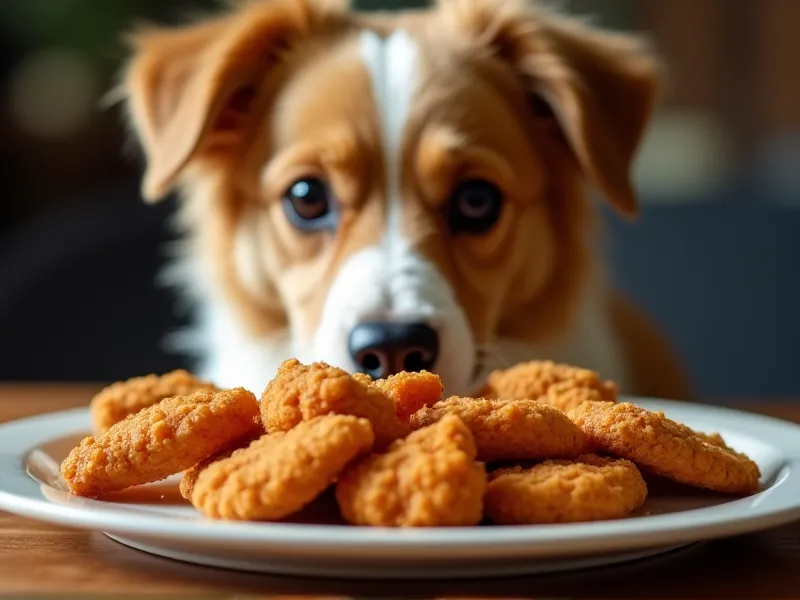
Table of Contents
- Can Dogs Eat Chicken Tenders? The Short Answer
- The Benefits of Chicken (for Dogs): What’s Good About the Meat?
- The Risks of Chicken Tenders: Why Processed = Problematic
- Sodium Overload: A Hidden Danger
- Sugary Breading and Sauces: Not So Sweet for Dogs
- Toxic Seasonings: Onion, Garlic, and More
- Breading and Digestion: Stomach Upset and Pancreatitis Risk
- Choking Hazards: Small Pieces, Big Problems
- How Much Chicken Tender is Safe for Your Dog? Guidelines by Size
- Healthier Alternatives to Chicken Tenders: Treats Your Dog Will Love
- FAQ: Your Chicken Tender Questions, Answered
- Conclusion: Tender Love (in Moderation)
- References
Can Dogs Eat Chicken Tenders? The Short Answer
Yes, dogs can eat chicken tenders occasionally, but they should never be a regular part of their diet.
The key here is “occasionally” and “in moderation.” Plain, unseasoned chicken is a fantastic source of protein for dogs, but chicken tenders are typically coated in breading, fried in oil, and seasoned with salt, spices, or sauces—all of which can harm your pup. Think of them as a “sometimes” treat, not a meal replacement or daily snack.
The Benefits of Chicken (for Dogs): What’s Good About the Meat?
Before we dive into the risks, let’s clarify: chicken itself is excellent for dogs. It’s why so many commercial dog foods list it as the first ingredient! Here’s why chicken is a nutritional win:
- Lean Protein: Chicken is packed with high-quality protein, which supports muscle growth, repair, and overall energy. It’s especially great for active dogs or those recovering from illness.
- Essential Nutrients: Chicken provides B vitamins (like B6 and B12) for brain health, selenium for immune support, and phosphorus for strong bones.
- Easy to Digest: Compared to red meats, chicken is gentle on sensitive stomachs, making it a go-to for dogs with food allergies or digestive issues.
The problem? Chicken tenders aren’t just chicken. The breading, seasonings, and cooking methods turn this healthy protein into a risky snack.
The Risks of Chicken Tenders: Why Processed = Problematic
Let’s break down the biggest dangers hiding in that crispy chicken tender:
Sodium Overload: A Hidden Danger
Most chicken tenders are loaded with salt. A single fast-food chicken tender can contain 200–300 mg of sodium—and that’s before adding dipping sauces. For dogs, too much sodium can lead to:
- Dehydration (excessive thirst, dry gums)
- Electrolyte imbalances
- High blood pressure
- Kidney strain (especially in senior dogs or those with preexisting kidney issues)
The ASPCA notes that dogs need only about 100 mg of sodium per 100 calories of food. A small tender could easily exceed their daily limit, especially for small breeds.
Sugary Breading and Sauces: Not So Sweet for Dogs
Breading often contains sugar (to help it crisp up) or high-fructose corn syrup. Even “honey-glazed” or “sweet BBQ” tenders add extra sugar, which dogs don’t need. Too much sugar can cause:
- Upset stomach (diarrhea, gas)
- Weight gain and obesity
- Dental decay
- In rare cases, pancreatitis (a painful inflammation of the pancreas)
Avoid dipping sauces entirely—ketchup, honey mustard, and ranch are packed with sugar, salt, and additives that spell trouble for your pup.
Toxic Seasonings: Onion, Garlic, and More
Many chicken tenders are seasoned with onion powder, garlic powder, or other spices. These are toxic to dogs. Onions and garlic contain thiosulphate, which damages red blood cells and can lead to anemia (symptoms include weakness, pale gums, and lethargy). Even small amounts, over time, can be harmful.
Other risky seasonings: paprika (may irritate the stomach), chili powder (spicy foods can cause vomiting), or artificial flavors (linked to allergic reactions in some dogs).
Breading and Digestion: Stomach Upset and Pancreatitis Risk
The breading on chicken tenders is often fried in oil or butter, making it high in fat. Fatty foods are a leading cause of pancreatitis in dogs—a serious condition where the pancreas becomes inflamed, causing severe abdominal pain, vomiting, and even organ failure.
Even if your dog doesn’t develop pancreatitis, the breading can cause:
- Bloating
- Diarrhea
- Constipation (from processed carbs)
- Gas
Choking Hazards: Small Pieces, Big Problems
Chicken tenders are small and chewy, which makes them a choking risk—especially for small dogs or pups who gulp their food. If a piece gets stuck in their throat, it can block their airway. Always supervise your dog if they’re eating a tender, and break it into tiny, bite-sized pieces.
How Much Chicken Tender is Safe for Your Dog? Guidelines by Size
If you decide to share a bite (we get it—those puppy eyes are tough!), stick to these rules:
- Occasional Only: Treat chicken tenders as a once-in-a-blue-moon snack, not a weekly treat.
- Tiny Portions: A “bite” should be tiny. For example:
- Small dogs (under 20 lbs): 1–2 crumbs (yes, crumbs) of de-breaded, unseasoned chicken.
- Medium dogs (20–50 lbs): A piece the size of your thumbnail (no breading, no seasoning).
- Large dogs (50+ lbs): A piece the size of a dime (still de-breaded and plain).
- No Breading, No Seasoning: If possible, peel off the breading and check for hidden seasonings. Most tenders are cooked with salt or spices, so even the chicken itself may not be safe—err on the side of caution.
- Limit to 10% of Calories: Treats of any kind should make up no more than 10% of your dog’s daily calories. A single tender could exceed this for small breeds!
Healthier Alternatives to Chicken Tenders: Treats Your Dog Will Love
Skip the processed tenders and opt for these dog-safe alternatives instead:
1. Plain, Cooked Chicken Breast
The gold standard! Boil, bake, or grill chicken breast (no skin, bones, or seasoning). Slice into small pieces and serve as a treat. It’s packed with protein and easy to digest.
2. Homemade “Tenders”
Make your own dog-friendly version: Dip thin chicken strips in egg, coat with whole-grain flour (no salt), and bake at 350°F for 15–20 minutes. Let cool, then serve in tiny portions.
3. Freeze-Dried Chicken Treats
These are available at pet stores and are 100% chicken (no additives). They’re crunchy, low-calorie, and perfect for training.
4. Dehydrated Chicken Strips
Dehydrate chicken breast in the oven (200°F for 2–3 hours) for a chewy, long-lasting treat. No added anything!
5. Canned Chicken (in Water)
Look for plain, low-sodium canned chicken (no salt, broth, or seasonings). Mix a spoonful into your dog’s kibble for extra flavor.
FAQ: Your Chicken Tender Questions, Answered
Q: Can dogs eat breaded chicken tenders?
A: It’s best to avoid breaded tenders. The breading is high in fat, salt, and sugar, and may contain toxic seasonings. If you must share, peel off the breading first—and even then, only a tiny piece of the chicken.
Q: My dog stole a whole chicken tender! What should I do?
A: Don’t panic, but monitor them closely for 24 hours. Watch for vomiting, diarrhea, lethargy, or loss of appetite. If any symptoms appear, contact your vet—especially if the tender was seasoned with onion/garlic or high in fat.
Q: Are frozen chicken tenders safer than fast-food ones?
A: No. Frozen tenders often have the same issues: breading, salt, and seasonings. Some even contain preservatives like BHA/BHT, which are linked to health risks in dogs.
Q: Can puppies eat chicken tenders?
A: Puppies have sensitive tummies and developing organs, so it’s better to skip tenders. Stick to puppy-safe treats like plain, cooked chicken or commercial puppy treats.
Q: Is grilled chicken better than breaded for dogs?
A: Grilled chicken (no seasoning, no skin) is far better than breaded tenders. Just make sure it’s plain—no BBQ sauce, salt, or spices!
Conclusion: Tender Love (in Moderation)
Chicken tenders aren’t toxic to dogs, but they’re far from ideal. The breading, salt, sugar, and seasonings turn a healthy protein into a risky snack. Save them for rare, tiny bites (if you must!), and opt for plain, cooked chicken or dog-safe treats instead.
When in doubt, ask your vet—they’ll help you choose treats that fit your dog’s age, size, and health needs. After all, the best way to show your pup love is by keeping them happy, healthy, and full of tail wags.
References
- American Society for the Prevention of Cruelty to Animals (ASPCA). “People Foods to Avoid Feeding Your Pets.” aspca.org/pet-care/animal-poison-control/people-foods-avoid-feeding-pets
- American Veterinary Medical Association (AVMA). “Feeding Your Pet: Human Food.” avma.org/resources/pet-owners/nutrition/feeding-your-pet-human-food
- PetMD. “Pancreatitis in Dogs: Symptoms, Causes, and Treatment.” petmd.com/dog/conditions/digestive/c_dg_pancreatitis
- Cummings School of Veterinary Medicine at Tufts University. “Onion and Garlic Toxicity in Dogs and Cats.” tuftscatnip.tufts.edu/onion-garlic-toxicity-dogs-cats