· 10 min read
Can Dogs Eat Chicken Soup? A Warm Guide to Safety, Benefits, and Risks for Your Pup
It’s a chilly afternoon, and you’re curled up on the couch with a bowl of homemade chicken soup—steam curling upward, the scent of carrots, celery, and tender chicken filling the room. At your feet, your dog sits, tail thumping gently against the floor, their nose twitching as they eye your bowl. “Just a little taste?” you wonder. After all, chicken is a staple in many dog foods, and soup sounds so comforting. But is chicken soup actually safe for dogs?
If you’ve ever found yourself asking this question, you’re not alone. Pet parents everywhere want to share the little joys of life with their furry friends, and warm, savory soups feel like the ultimate comfort food to pass along. But before you ladle a spoonful into your dog’s bowl, it’s important to separate fact from fiction. In this guide, we’ll break down whether chicken soup is safe for dogs, its potential benefits, hidden risks, and how to serve it (if at all) responsibly.
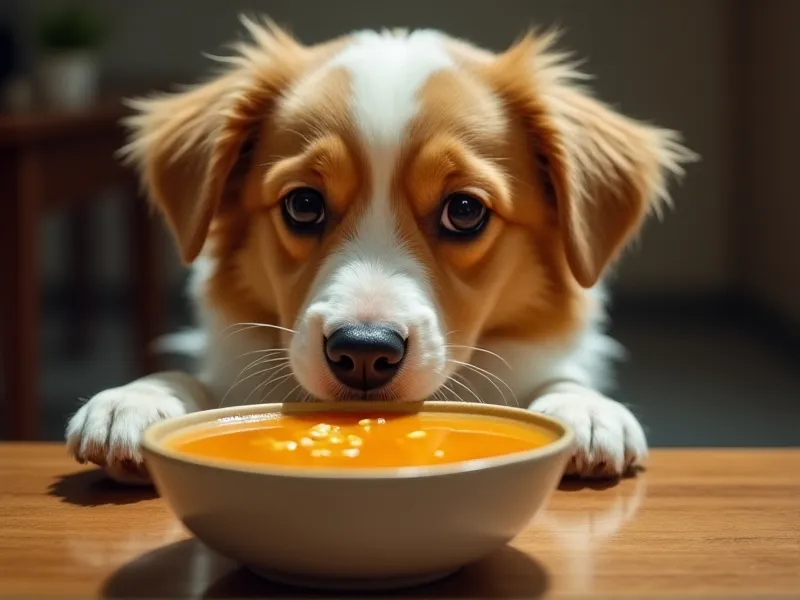
Table of Contents
- Can Dogs Eat Chicken Soup? The Short Answer
- The Potential Benefits of Chicken Soup for Dogs
- Nutrient-Packed Protein
- Hydration and Electrolytes
- Gentle Fiber from Veggies
- Potassium and Vitamins
- The Risks: What Makes Chicken Soup Unsafe for Dogs?
- Toxic Ingredients (Onions, Garlic, and More)
- High Sodium and Added Sugars
- Fatty Broth and Pancreatitis Risk
- Choking Hazards (Bones, Large Veggies, Noodles)
- Safe Guidelines: How to Serve Chicken Soup to Your Dog (If You Choose To)
- Opt for Homemade (Skip the Store-Bought!)
- Stick to Simple, Dog-Friendly Ingredients
- Watch the Portion Size
- Avoid Seasonings and Additives
- Healthier Alternatives to Chicken Soup
- Low-Sodium Bone Broth
- Plain Cooked Chicken + Veggies
- Pumpkin for Fiber
- Sweet Potato Mash
- FAQ: Your Chicken Soup Questions, Answered
- Conclusion: Warmth in Moderation
Can Dogs Eat Chicken Soup? The Short Answer
Yes, dogs can eat chicken soup—but only if it’s made the right way.
Plain, homemade chicken soup with lean chicken, dog-safe veggies (like carrots and celery), and low-sodium broth is generally safe for most healthy dogs. In fact, it can even offer some nutritional benefits, especially for dogs feeling under the weather or needing a hydration boost.
However, store-bought soups or soups seasoned with ingredients like onions, garlic, salt, sugar, or spices are not safe. These additives can cause serious health issues, from upset stomachs to life-threatening toxicity. The key is to keep it simple, skip the extras, and always prioritize your dog’s unique needs.
The Potential Benefits of Chicken Soup for Dogs
When prepared correctly, chicken soup can be more than just a tasty treat—it can offer some surprising benefits for your pup. Let’s break down why this cozy dish might be a hit with your dog (in moderation, of course!).
1. Nutrient-Packed Protein from Chicken
Chicken is a lean, high-quality protein that’s easy for dogs to digest—a reason it’s a main ingredient in many commercial dog foods. In soup, cooked chicken provides essential amino acids that support muscle health, immune function, and healthy skin and coat. For dogs recovering from illness or surgery, small amounts of tender, shredded chicken can help them regain strength without upsetting their stomach.
2. Hydration and Electrolytes (Perfect for Sick Pups!)
If your dog is under the weather—say, they have a mild cold, upset stomach, or are refusing to drink water—warm, low-sodium chicken soup can be a lifesaver. The broth helps keep them hydrated, while electrolytes like potassium (from veggies) and sodium (in small amounts) can replenish what they might be losing. Just be sure the broth is low-sodium (more on that later!) to avoid overloading their system.
3. Gentle Fiber from Veggies
Carrots, celery, and even small amounts of green beans are common in chicken soup—and they’re great for dogs! These veggies are rich in fiber, which supports healthy digestion by keeping things moving in their gut. Fiber also helps dogs feel full, making soup a satisfying (and low-calorie) treat for pups watching their weight.
4. Vitamins and Minerals for Overall Health
Carrots are packed with beta-carotene (which converts to vitamin A, supporting eye health and immune function), while celery offers vitamins K and C, plus antioxidants. Even a small bowl of soup can add a boost of these nutrients to your dog’s diet, especially if they’re picky eaters who turn up their nose at raw veggies.
The Risks: What Makes Chicken Soup Unsafe for Dogs?
While homemade, plain chicken soup can be safe, many soups (especially store-bought or “human-style” recipes) come with hidden risks. Let’s dive into the most common dangers to watch for.
1. Toxic Ingredients: Onions, Garlic, and Chives
The biggest red flag in chicken soup is onions, garlic, or chives. These ingredients belong to the Allium family, and they contain compounds called thiosulfates, which are toxic to dogs. Even small amounts can damage a dog’s red blood cells, leading to a condition called hemolytic anemia (where red blood cells break down, unable to carry oxygen). Symptoms include weakness, lethargy, pale gums, and even organ failure.
ASPCA warns that all forms of Alliums are toxic—raw, cooked, powdered, or dehydrated. So if your soup includes onion powder, garlic salt, or even a “hint” of onion, it’s off-limits for your pup.
2. High Sodium and Added Sugars
Most store-bought soups are loaded with salt to enhance flavor. While humans can tolerate higher sodium levels, dogs have much smaller bodies and more sensitive kidneys. Too much salt can lead to sodium ion poisoning, causing symptoms like excessive thirst, vomiting, diarrhea, tremors, seizures, or even kidney damage.
Added sugars (found in some “creamy” soups or sweetened broths) are also a problem. Dogs don’t need sugar in their diet, and excess sugar can lead to obesity, dental issues, or even diabetes over time.
3. Fatty Broth and Pancreatitis Risk
If your soup uses a fatty broth (like the skimmed-off fat from a roast chicken), it could trigger pancreatitis in dogs. The pancreas helps digest fats, but a sudden influx of high-fat foods can cause it to become inflamed—a painful, potentially life-threatening condition. Symptoms include vomiting, diarrhea, abdominal pain, and loss of appetite.
Even if your dog isn’t prone to pancreatitis, fatty broth can lead to upset stomachs, gas, or diarrhea. Stick to lean, skimmed broth instead.
4. Choking Hazards: Bones, Large Veggies, or Noodles
Chicken bones are a major no-no in soup (or any dog food). Cooked bones are brittle and can splinter, getting stuck in your dog’s throat, esophagus, or intestines. This can cause choking, tears, or blockages—requiring emergency surgery.
Large chunks of veggies (like whole carrots or celery stalks) or long noodles can also pose choking risks, especially for small dogs. Always chop veggies into bite-sized pieces and avoid noodles unless they’re soft, short, and served in moderation.
Safe Guidelines: How to Serve Chicken Soup to Your Dog (If You Choose To)
If you want to share a warm bowl with your pup, follow these tips to keep it safe and enjoyable:
1. Opt for Homemade (Skip the Store-Bought!)
Store-bought soups are almost always seasoned with salt, onions, garlic, or preservatives—all of which are risky for dogs. Instead, make a dog-friendly batch at home using simple ingredients:
- Lean, boneless chicken breast (cooked and shredded)
- Low-sodium chicken broth (no onions/garlic)
- Dog-safe veggies: carrots (chopped small), celery (diced), or green beans (trimmed)
- No added salt, sugar, or spices
2. Stick to Simple, Dog-Friendly Ingredients
Keep it basic! Avoid:
- Onions, garlic, chives, or leeks
- Salt, pepper, or herbs like rosemary (in large amounts)
- Cream, butter, or oil (high fat)
- Noodles (unless soft and short, like small egg noodles, and in tiny portions)
- Bones (always remove before serving)
3. Watch the Portion Size
Soup should be a treat, not a meal replacement. A general rule:
- Small dogs (under 20 lbs): 1–2 tablespoons
- Medium dogs (20–50 lbs): ¼–½ cup
- Large dogs (50+ lbs): ½–1 cup
Serve it warm (not hot!) to avoid burning their mouth, and mix it with their regular food if you want to add flavor without overdoing it.
4. Consult Your Vet First (Especially for Dogs with Health Issues)
If your dog has kidney disease, diabetes, pancreatitis, or food allergies, chicken soup might not be safe. For example, dogs with kidney issues need very low-sodium diets, while diabetic dogs should avoid carbs like carrots. Always check with your vet before introducing new foods, especially if your pup has health conditions.
Healthier Alternatives to Chicken Soup
If you want to treat your dog to something warm and nutritious without the risks of soup, try these safer alternatives:
1. Low-Sodium Bone Broth
Bone broth is a nutrient-dense option made by simmering chicken, beef, or turkey bones (with meat removed) in water for hours. It’s rich in collagen (supports joint health), amino acids, and minerals like calcium and magnesium. Look for unsalted, unseasoned bone broth (or make your own!), and serve it warm as a treat or mixed into their kibble.
2. Plain Cooked Chicken + Veggies
Skip the broth altogether and serve your dog a mix of shredded, cooked chicken and diced veggies (carrots, green beans, or pumpkin). This combo offers protein, fiber, and vitamins without the risk of excess sodium or fat.
3. Pumpkin (Canned, Unsweetened)
Pumpkin is a superfood for dogs! It’s high in fiber (great for digestion), low in calories, and packed with beta-carotene. Mix a spoonful into their food or serve it warm as a standalone treat.
4. Sweet Potato Mash
Cooked, mashed sweet potato is another nutrient-rich option. It’s loaded with vitamins A and C, fiber, and antioxidants. Just be sure to serve it plain (no butter, sugar, or cinnamon!).
FAQ: Your Chicken Soup Questions, Answered
Q: Can dogs eat chicken noodle soup?
A: It depends. Plain, homemade chicken noodle soup with soft, short noodles (no onions/garlic, low sodium) is safe in tiny portions. But store-bought versions often have high salt, onion powder, or garlic, which are toxic. Noodles are also high in carbs, so limit them to avoid weight gain.
Q: Is onion in chicken soup really that dangerous for dogs?
A: Yes! Even small amounts of onion (raw, cooked, or powdered) can damage a dog’s red blood cells. Symptoms may take 2–5 days to appear, so it’s better to avoid it entirely.
Q: Can puppies eat chicken soup?
A: Puppies have sensitive stomachs, so it’s best to wait until they’re at least 6 months old (and consult your vet first). Stick to small portions of plain, low-sodium soup with no veggies if they’re still on a limited diet.
Q: My dog ate a bowl of my chicken soup—should I panic?
A: If the soup had onions, garlic, or high salt, call your vet immediately. If it was plain (no toxic ingredients), monitor them for signs of upset stomach (vomiting, diarrhea) and offer plenty of water. Most dogs will be fine, but better safe than sorry!
Q: Can dogs have cream of chicken soup?
A: No. Creamy soups are high in fat and often contain onions, garlic, or added sugar—all risky for dogs. Stick to broth-based soups instead.
Conclusion: Warmth in Moderation
Sharing a bowl of chicken soup with your dog can be a sweet, bonding moment—if you do it safely. Plain, homemade soup with lean chicken, dog-friendly veggies, and low-sodium broth can offer hydration, protein, and nutrients, making it a great treat for healthy dogs. But store-bought soups, toxic ingredients (onions, garlic), and excess salt or fat pose serious risks.
As with any human food, moderation is key. When in doubt, opt for safer alternatives like bone broth or plain cooked chicken, and always consult your vet before introducing new foods. After all, the best part of sharing comfort food is knowing your pup is happy, healthy, and feeling the love—one warm, safe bite at a time.
References
- American Society for the Prevention of Cruelty to Animals (ASPCA). “Toxic and Non-Toxic Plants: Onions.” aspca.org
- American Veterinary Medical Association (AVMA). “Nutrition for Dogs.” avma.org
- Pet Poison Helpline. “Allium Toxicity in Dogs and Cats.” petpoisonhelpline.com
- VCA Hospitals. “Homemade Diets for Dogs.” vcahospitals.com