· 7 min read
Can Dogs Eat Chicken Pot Pies? A Pet Parent’s Guide to Sharing the Comfort Food Classic
It’s a chilly evening, and you’re curled up with a steaming bowl of chicken pot pie—flaky crust, savory chicken, and tender veggies. Across the room, your dog sits, tail thumping, those big, soulful eyes locked on your spoon. “Just a tiny bite?” you wonder. After all, chicken is good for dogs, right? And veggies like carrots and peas seem harmless. But before you slide a piece their way, let’s dig into the real question: Can dogs eat chicken pot pies safely?
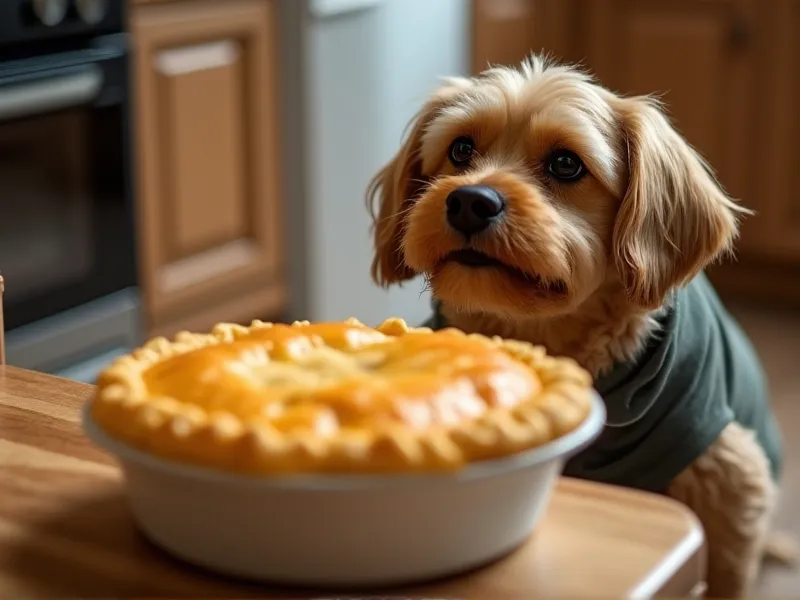
Table of Contents
- Can Dogs Eat Chicken Pot Pies? The Short Answer
- Potential Benefits of Chicken Pot Pies for Dogs
- Risks of Feeding Chicken Pot Pies to Dogs
- How Much Chicken Pot Pie Can Dogs Safely Eat?
- Healthier Alternatives to Chicken Pot Pies
- FAQ About Dogs and Chicken Pot Pies
- Conclusion: Prioritize Safety and Moderation
Can Dogs Eat Chicken Pot Pies? The Short Answer
The answer is… maybe, but with extreme caution. Chicken pot pies aren’t inherently toxic to dogs, but they’re rarely a “safe” or healthy treat. Most store-bought or restaurant versions are loaded with ingredients that can harm your pup, like excessive fat, salt, onions, garlic, or added sugars. Even homemade pot pies may pose risks if they include unsafe seasonings or too much rich dairy.
If you do share a bite, it should be an occasional, tiny portion of a carefully prepared pot pie (no toxic ingredients, low in fat/salt) and never a regular part of their diet. When in doubt, skip it—and opt for safer alternatives instead.
Potential Benefits of Chicken Pot Pies for Dogs
At first glance, chicken pot pies seem like a nutrient-packed meal. Let’s break down the potential upsides—if the pie is made with dog-friendly ingredients:
1. Lean Protein from Chicken
Chicken is a staple in many high-quality dog foods for a reason: it’s a lean, easily digestible protein that supports muscle growth, repair, and overall energy. Cooked, boneless, skinless chicken (without added seasonings) is safe for dogs and provides essential amino acids.
2. Nutrient-Rich Vegetables
Many pot pies include veggies like carrots, peas, green beans, or potatoes (cooked). These offer:
- Fiber: Supports healthy digestion and keeps your dog feeling full.
- Vitamins: Carrots are rich in vitamin A (good for vision and skin), peas have vitamin C (immune support), and sweet potatoes (if used) provide vitamin B6.
- Minerals: Potassium (from potatoes, carrots) helps regulate blood pressure and muscle function.
3. Whole Grains (In Theory)
If the crust is made with whole wheat flour, it might add a small amount of fiber and B vitamins. However, most pot pie crusts are made with refined white flour, butter, and sugar—so this “benefit” is often negligible.
Risks of Feeding Chicken Pot Pies to Dogs
The risks of chicken pot pies far outweigh the benefits for most dogs. Here’s why they’re often problematic:
1. Toxic Ingredients: Onions and Garlic
Many pot pie recipes (especially savory, “homestyle” versions) include onions, garlic, or leeks to boost flavor. These belong to the Allium family, which is highly toxic to dogs. Even small amounts can damage red blood cells, leading to anemia, weakness, vomiting, or organ failure. According to the American Veterinary Medical Association (AVMA), onions and garlic are among the top human foods toxic to pets.
2. High Fat Content
Butter, oil, heavy cream, or chicken fat are common in pot pie fillings and crusts. Dogs can’t process large amounts of fat well—this can trigger pancreatitis, a painful and potentially life-threatening inflammation of the pancreas. Symptoms include vomiting, diarrhea, lethargy, and loss of appetite. The American Kennel Club (AKC) notes that fatty foods are a leading cause of pancreatitis in dogs.
3. Excess Salt and Seasonings
Store-bought pot pies are often loaded with salt to enhance flavor. A single serving can contain 500–1000mg of sodium—way more than a dog’s daily needs (the National Research Council recommends no more than 100mg sodium per kg of body weight daily for adult dogs). Too much salt causes thirst, bloating, or even sodium ion poisoning (symptoms: seizures, tremors, kidney damage).
Other seasonings like pepper, paprika, or nutmeg can also irritate your dog’s stomach or, in rare cases, be toxic.
4. Sugar and Empty Calories
Some crusts include sugar (to make them flakier) or sweetened fillings (like apples or honey-glazed veggies). Dogs don’t need sugar, and excess can lead to obesity, dental issues, or even diabetes over time.
5. Choking and Digestive Risks
The flaky crust is a common choking hazard, especially for small dogs or those who gulp food. Hard, undercooked vegetables (like carrots or potatoes) or large chunks of chicken can also get stuck in their throat.
Additionally, the rich, fatty filling can cause stomach upset, including diarrhea, vomiting, or gas—even in dogs with ironclad tummies.
How Much Chicken Pot Pie Can Dogs Safely Eat?
If you’ve made a dog-specific pot pie (no onions/garlic, low fat/salt, simple ingredients), here’s how much to share:
- Small dogs (under 20 lbs): 1–2 teaspoons (about the size of a dime).
- Medium dogs (20–50 lbs): 1–2 tablespoons.
- Large dogs (50+ lbs): 2–3 tablespoons.
This should be a once-in-a-blue-moon treat—no more than once a month. Never replace a meal with pot pie, and always check the ingredients first:
✅ Safe ingredients: Cooked chicken (boneless/skinless), carrots, peas, green beans, sweet potatoes (cooked), plain flour crust (no butter/sugar), a dash of olive oil.
❌ Avoid: Onions, garlic, leeks, chives, salt, pepper, butter, cream, cheese, bacon, mushrooms (some are toxic), raisins, or excessive sugar.
Healthier Alternatives to Chicken Pot Pies
Instead of sharing your pot pie, try these dog-safe “comfort food” alternatives that taste great and support their health:
1. Homemade “Doggy Pot Pie”
Whip up a pup-approved version with:
- Base: Cooked, shredded chicken (no skin/bones).
- Veggies: Steamed carrots, peas, and a mashed sweet potato (no added salt).
- Binder: A splash of low-sodium chicken broth (no onions/garlic).
- Optional crust: Skip the crust, or top with a tiny bit of whole wheat flour dough (baked plain, no butter).
2. Chicken and Veggie Stir-Fry
Sauté diced chicken with carrots, green beans, and zucchini in a little olive oil. Serve warm as a topper for their regular kibble.
3. Frozen Chicken-Veggie Bites
Mix cooked chicken, mashed peas, and a spoonful of plain yogurt (lactose-free if needed). Freeze in ice cube trays for a cool, protein-packed snack.
4. Commercial Dog Treats
Look for dog treats labeled “chicken and vegetable” with simple ingredients (e.g., Blue Buffalo’s Wilderness Trail Treats or Merrick’s Grain-Free Grammy’s Pot Pie). These are balanced for dogs and avoid harmful additives.
FAQ About Dogs and Chicken Pot Pies
Q: Can dogs eat chicken pot pie crust?
A: It’s best to avoid it. Crust is high in fat, carbs, and often sugar or salt. The flaky texture can also pose a choking risk, especially for small dogs.
Q: What if my dog accidentally ate a lot of chicken pot pie?
A: Monitor them closely for 24 hours. Watch for vomiting, diarrhea, lethargy, loss of appetite, or abdominal pain (signs of pancreatitis or onion toxicity). If symptoms appear, contact your vet immediately.
Q: Is homemade chicken pot pie safer than store-bought?
A: Yes—if you control the ingredients. Store-bought pies often hide onion powder, garlic, or excessive salt. But even homemade versions need to skip toxic veggies and rich additives.
Q: Can puppies eat chicken pot pie?
A: No. Puppies have sensitive digestive systems and are more prone to pancreatitis. Stick to their puppy food, which is formulated for their nutritional needs.
Q: Are there any pot pies made specifically for dogs?
A: Some brands (like The Farmer’s Dog or Ollie) offer “human-grade” dog meals with chicken and veggies, but they’re not technically “pot pies.” These are safer than human versions, as they’re balanced for dogs.
Conclusion: Prioritize Safety and Moderation
Sharing a warm meal with your dog is a sweet gesture, but chicken pot pies are rarely worth the risk. Most are high in fat, salt, and toxic ingredients that can lead to pancreatitis, anemia, or worse.
If you must share a bite, opt for a tiny amount of a homemade, dog-safe version (no onions/garlic, low fat) and only occasionally. When in doubt, stick to the alternatives above—or better yet, ask your vet for treat recommendations tailored to your dog’s age, size, and health.
After all, the best way to show your love is to keep them happy, healthy, and wagging for years to come.
References:
- American Veterinary Medical Association (AVMA). “Toxic and Non-Toxic Plants and Foods.” avma.org/resources/pet-owners/petcare/toxic-plants
- American Kennel Club (AKC). “Pancreatitis in Dogs.” akc.org/expert-advice/health/pancreatitis-in-dogs
- PetMD. “Human Foods Dogs Can and Can’t Eat.” petmd.com/dog/nutrition/human-foods-dogs-can-and-cant-eat
- National Research Council. “Nutrient Requirements of Dogs and Cats.” National Academies Press, 2006.