· 9 min read
Can Dogs Eat Chicken Nuggets? The Surprising Truth Every Pet Parent Should Know
It’s a familiar scene: You’re curled up on the couch, box of golden chicken nuggets in hand, when your dog trots over. Their tail wags furiously, nose twitching at the savory aroma, and those big, pleading eyes lock onto yours. “Just one tiny bite won’t hurt, right?” you think. After all, chicken is a staple in many dog foods—so how bad could a nugget be?
If you’ve ever found yourself asking, “Can dogs eat chicken nuggets?”, you’re not alone. Chicken nuggets are a beloved human snack, but when it comes to our furry friends, the answer isn’t as simple as “yes” or “no.” In this post, we’ll break down the risks, the (very limited) potential benefits, and what you should feed your pup instead. Let’s dive in.
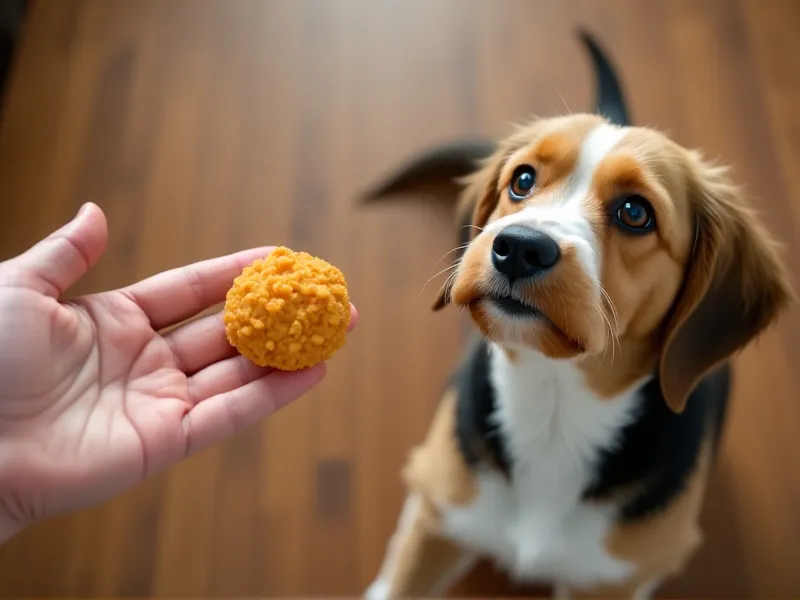
Table of Contents
- Can Dogs Eat Chicken Nuggets? The Short Answer
- The Potential “Benefits”—But Let’s Be Real
- The Risks: Why Chicken Nuggets Are a Concern for Dogs
- High Sodium: A Hidden Danger
- Added Sugars: Unnecessary and Unhealthy
- Unhealthy Fats: A Recipe for Pancreatitis
- Breading and Choking Hazards
- Additives and Preservatives: What’s in That Nugget?
- Stomach Upset: From Diarrhea to Vomiting
- How Much Is “Safe”? Guidelines for Pet Parents
- Healthier Alternatives to Chicken Nuggets
- Homemade “Doggy Nuggets” (Simple Recipe!)
- Plain Cooked Chicken: The Gold Standard
- Other Dog-Friendly Treats
- FAQ: Your Burning Questions Answered
- Conclusion: Love Them Enough to Say “No” (Mostly)
- References
Can Dogs Eat Chicken Nuggets? The Short Answer
Technically, a small, plain chicken nugget (without sauces, seasonings, or extra toppings) is unlikely to poison your dog in one sitting—if your dog is healthy and not allergic to chicken. But here’s the catch: Chicken nuggets are not a nutritionally appropriate food for dogs, and even occasional feeding can pose hidden risks.
Think of it this way: A chicken nugget is to a dog what a candy bar is to a human. It might taste good, but it’s full of empty calories, unhealthy additives, and ingredients that can cause long-term harm. So while “one bite” might not land your pup in the ER, making chicken nuggets a regular treat is a bad idea.
The Potential “Benefits”—But Let’s Be Real
Let’s start with the elephant in the room: Are there any benefits to feeding your dog chicken nuggets? The short answer is… not really. But we’ll play devil’s advocate for a second.
Chicken itself is an excellent source of protein for dogs. It’s lean, easy to digest, and packed with amino acids that support muscle growth, energy, and a shiny coat. In theory, a nugget does contain chicken—but that’s where the positives end.
Most commercial chicken nuggets are heavily processed. The “chicken” in them is often a mix of ground meat, skin, and byproducts (not the high-quality chicken you’d serve your dog). By the time you add breading, oil, salt, and preservatives, the tiny nutritional value of the chicken is overshadowed by the unhealthy extras.
So, while your dog might love the taste, there’s no nutritional benefit to feeding them nuggets. You’re better off skipping the processed stuff and sticking to plain, cooked chicken instead.
The Risks: Why Chicken Nuggets Are a Concern for Dogs
Now, let’s get to the important part: Why chicken nuggets are more of a risk than a reward for your pup. From hidden sodium to choking hazards, here’s what you need to watch out for.
1. High Sodium: A Silent Threat to Your Dog’s Health
Dogs need sodium to survive—just like humans—but their daily requirements are way lower than ours. According to the Association of American Feed Control Officials (AAFCO), adult dogs need about 0.2% sodium in their diet (roughly 100 mg of sodium per 1,000 calories). For a 30-pound dog, that’s only about 200–300 mg of sodium per day.
Now, let’s compare that to a chicken nugget: A single fast-food chicken nugget can contain 100–200 mg of sodium. That means one nugget could make up half (or more!) of your small dog’s daily sodium intake. Feed them a handful, and you’re looking at sodium levels that can lead to:
- Dehydration (excessive thirst and urination)
- Electrolyte imbalances
- High blood pressure (hypertension)
- In severe cases, salt toxicity (symptoms include vomiting, diarrhea, seizures, and even death).
2. Added Sugars: Unnecessary and Harmful
You might not think of chicken nuggets as “sweet,” but many brands (especially kid-friendly ones) add sugar to their coatings or sauces to enhance flavor. Even a small amount of sugar can be problematic for dogs:
- Obesity: Extra sugar turns to fat, increasing the risk of obesity—a leading cause of diabetes, joint pain, and heart disease in dogs.
- Dental issues: Sugar feeds harmful bacteria in your dog’s mouth, leading to cavities and gum disease.
- Energy spikes and crashes: Dogs don’t process sugar well, so a sugary treat can leave them hyperactive one minute and lethargic the next.
3. Unhealthy Fats: A Recipe for Pancreatitis
Most chicken nuggets are fried in oil (often vegetable or canola oil) or coated in fatty breading. This makes them high in unhealthy fats, including saturated and trans fats.
Why does this matter? Dogs have sensitive digestive systems, and a sudden influx of fat can trigger pancreatitis—a painful, potentially life-threatening condition where the pancreas becomes inflamed. Symptoms of pancreatitis include vomiting, diarrhea, abdominal pain, and loss of appetite. Even mild cases require veterinary care, and severe cases can lead to organ failure.
4. Breading and Choking Hazards
The crispy breading on nuggets might be delicious to us, but it’s a nightmare for dogs—especially small breeds or those who gulp their food. Breading is dry, crumbly, and can easily get stuck in your dog’s throat, leading to choking.
Even if they swallow it, the breading is often made with refined flour, which offers no nutritional value and can cause digestive upset (like gas or bloating) in dogs with sensitive stomachs.
5. Additives and Preservatives: What’s Really in That Nugget?
Commercial chicken nuggets are loaded with additives to make them taste better, last longer, or look more appealing. Common culprits include:
- MSG (monosodium glutamate): A flavor enhancer that can cause headaches, nausea, or allergic reactions in some dogs.
- Artificial colors (e.g., Yellow 5, Red 40): Linked to hyperactivity and allergic reactions in pets.
- Preservatives (e.g., BHA, BHT): These chemicals extend shelf life but are suspected of causing cancer in long-term studies (though research in dogs is limited).
Your dog’s body isn’t designed to process these additives, and over time, they can build up and cause chronic health issues.
6. Stomach Upset: From Diarrhea to Vomiting
Even if your dog avoids the worst-case scenarios (like pancreatitis or choking), chicken nuggets can still cause short-term discomfort. The combination of salt, fat, and unfamiliar ingredients can irritate their gut, leading to:
- Vomiting
- Diarrhea
- Gas
- Loss of appetite
This is especially true for puppies, senior dogs, or dogs with pre-existing conditions like IBS or food allergies.
How Much Is “Safe”? Guidelines for Pet Parents
If you must share a bite (we get it—those puppy eyes are hard to resist!), follow these rules to minimize risk:
Portion Size: Tiny Bites Only
- Small dogs (under 20 lbs): ½ of a plain, unseasoned nugget (no sauce!) at most.
- Medium dogs (20–50 lbs): 1 small, plain nugget.
- Large dogs (50+ lbs): 1–2 small, plain nuggets.
Note: Even these portions are pushing it. If your dog has health issues (kidney disease, pancreatitis, diabetes), skip the nugget entirely.
Frequency: Rarely, If Ever
Chicken nuggets should be a once-in-a-blue-moon treat—not a weekly snack. Aim for no more than once every few months, and only if your dog is otherwise healthy.
Always Check the Ingredients
If you’re tempted to share, read the label first. Avoid nuggets with:
- Added sugars
- Heavy seasonings (garlic, onion, paprika—these are toxic to dogs!)
- Sauces (ketchup, BBQ, honey mustard—all high in sugar/salt)
Healthier Alternatives to Chicken Nuggets
Instead of risking it with nuggets, treat your pup to these dog-friendly alternatives that are just as tasty (and way better for them):
1. Homemade “Doggy Nuggets” (Easy Recipe!)
Skip the fast-food version and make these simple, healthy nuggets at home:
Ingredients:
- 1 cup ground chicken (lean)
- ¼ cup rolled oats (or whole wheat flour, for binding)
- 1 egg (to hold it together)
- A pinch of parsley (optional, for flavor)
Instructions:
- Preheat oven to 350°F (175°C).
- Mix all ingredients in a bowl until combined.
- Roll into small balls (about 1-inch wide) and flatten slightly.
- Bake for 15–20 minutes until golden and cooked through.
- Let cool, then serve!
These are low in salt, sugar-free, and packed with real chicken protein. Store leftovers in the fridge for up to 3 days.
2. Plain, Cooked Chicken
The simplest option: Boil, bake, or grill a plain chicken breast (no salt, seasonings, or oil). Cut into bite-sized pieces and serve as a treat. It’s high in protein, easy to digest, and loved by most dogs.
3. Other Dog-Safe Snacks
- Frozen chicken cubes: Freeze cooked chicken in small cubes for a cool summer treat.
- Carrot sticks: Crunchy, low-calorie, and great for dental health.
- Blueberries: Packed with antioxidants (just a few at a time—they’re high in sugar).
FAQ: Your Burning Questions Answered
Q: Can puppies eat chicken nuggets?
A: Puppies have sensitive digestive systems and are still growing, so avoid nuggets entirely. Their bodies need nutrient-dense food, not processed snacks. Stick to puppy-safe treats like plain chicken or carrots.
Q: My dog stole a whole box of nuggets! What should I do?
A: Stay calm, but act fast. Contact your vet immediately. Symptoms of overindulgence (vomiting, diarrhea, lethargy) can start within hours, and pancreatitis or salt toxicity may require emergency care. Bring the nugget box (to show ingredients/sodium content) to the vet.
Q: Are “healthy” chicken nuggets (like organic or air-fried) safer for dogs?
A: “Healthier” nuggets (organic, air-fried, or low-sodium) are slightly better than fast-food versions, but they’re still processed. They often still contain breading, salt, or additives. It’s better to make your own doggy nuggets (see recipe above) or stick to plain chicken.
Conclusion: Love Them Enough to Say “No” (Mostly)
At the end of the day, chicken nuggets are a human snack—not a dog food. While a tiny, occasional bite might not harm your pup, the risks (sodium, fat, choking, additives) far outweigh any momentary joy.
Your dog deserves treats that nourish them, not just taste good. So next time those puppy eyes beg for a nugget, reach for a piece of plain chicken or a homemade doggy treat instead. They’ll wag just as hard, and you’ll both sleep better knowing you’re keeping them healthy.
And if you’re ever unsure about a food, always check with your vet. They know your dog’s unique needs and can guide you toward the best choices.
References
- American Kennel Club (AKC). “Can Dogs Eat Chicken?” akc.org
- ASPCA. “Toxic and Non-Toxic Foods for Dogs.” aspca.org
- VCA Hospitals. “Pancreatitis in Dogs.” vcahospitals.com
- Association of American Feed Control Officials (AAFCO). “Dog Food Nutrient Profiles.” aafco.org
- PetMD. “Sodium Toxicity in Dogs.” petmd.com