· 9 min read
Can Dogs Eat Chicken Necks? A Pet Parent’s Guide to Safety, Benefits, and Risks
It’s a familiar scene: You’re prepping dinner, rinsing chicken necks for your weekend stock, when your pup trots over, tail wagging, nose twitching at the raw, meaty scent. Those big, hopeful eyes seem to say, “Can I have a bite?” If you’ve ever paused, wondering whether chicken necks are safe for dogs, you’re not alone.
Chicken necks are a polarizing topic in the pet world. Some swear by them as a natural, nutrient-packed treat, while others warn of choking hazards and splintered bones. The truth? Like many human foods, the answer isn’t a simple “yes” or “no.” It depends on your dog’s size, chewing habits, health, and how you prepare the necks.
In this guide, we’ll cut through the confusion to help you decide if chicken necks have a place in your dog’s diet. We’ll cover the benefits, break down the risks, share safe serving guidelines, and even suggest healthier alternatives. Let’s dive in!
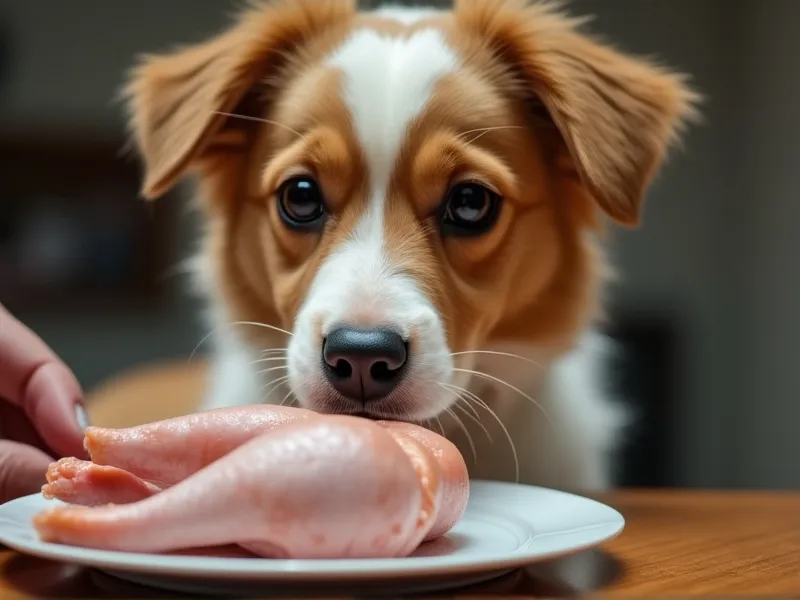
Table of Contents
- Can Dogs Eat Chicken Necks? The Short Answer
- The Benefits of Chicken Necks for Dogs
- Potential Risks to Consider
- How Much Chicken Neck Is Safe for Dogs?
- Healthier Alternatives to Chicken Necks
- FAQ: Your Chicken Neck Questions Answered
- Conclusion: Moderation and Vet Guidance Are Key
Can Dogs Eat Chicken Necks? The Short Answer
Yes, dogs can eat chicken necks—but with important caveats. When served raw (not cooked), unseasoned, and in moderation, chicken necks can be a nutritious, teeth-cleaning treat for many dogs. However, they’re not suitable for every pup. Small dogs, aggressive gulpers, and dogs with dental issues or digestive sensitivities may face choking or health risks.
The key is to weigh the benefits against the risks, consider your dog’s individual needs, and always consult your vet first.
The Benefits of Chicken Necks for Dogs
Chicken necks are more than just a leftover scrap—they’re packed with nutrients and perks that can support your dog’s health, when served correctly. Here’s why some pet parents swear by them:
1. High-Quality Protein
Protein is the backbone of a dog’s diet, supporting muscle growth, repair, and overall energy. Chicken necks are rich in lean, animal-based protein (about 20-25% protein by weight), making them a great addition to a balanced diet. Unlike plant-based proteins, animal protein contains all the essential amino acids your dog needs.
2. Joint-Supporting Nutrients
Chicken necks are loaded with cartilage, tendons, and connective tissue—all rich in glucosamine and chondroitin. These compounds are natural anti-inflammatories that support joint health, making chicken necks a popular choice for senior dogs or those with arthritis. One study in the Journal of the American Veterinary Medical Association even noted that glucosamine from natural sources can improve mobility in dogs with joint issues.
3. Dental Health Boost
Chewing on raw chicken necks acts like a natural toothbrush! The gnawing action scrapes away plaque and tartar from your dog’s teeth, reducing bad breath and lowering the risk of gum disease. Veterinarians often recommend chew toys for dental health, but chicken necks offer a tasty, edible alternative.
4. Essential Minerals: Potassium and More
Chicken necks contain key minerals like potassium, which supports heart health and muscle function, and phosphorus, which aids in energy production and bone strength. They also have small amounts of iron, zinc, and magnesium—all vital for your dog’s overall wellbeing.
5. Fiber for Digestive Health
The connective tissue and cartilage in chicken necks provide a small amount of fiber, which helps regulate digestion and keep your dog’s gut moving smoothly. This is especially beneficial for dogs prone to constipation, though it’s no replacement for a fiber-rich diet (think: pumpkin or sweet potatoes).
Potential Risks to Consider
While chicken necks have benefits, they’re not risk-free. Here’s what to watch out for before serving them to your pup:
1. Choking Hazard
Chicken necks are small and cylindrical, making them a choking risk—especially for:
- Small dogs (e.g., Chihuahuas, Yorkies): A chicken neck may be too large to chew safely.
- Gulpers: Dogs who scarf food without chewing are more likely to choke or gag.
- Dogs with dental issues: If your dog has missing teeth or jaw pain, they may struggle to break down the neck.
Solution: Always supervise your dog while they chew a chicken neck. If they try to swallow it whole, take it away immediately. For small dogs, consider cutting the neck into smaller pieces (if raw) or avoiding it altogether.
2. Cooked Bones = Splinter Risk
Never feed cooked chicken necks to your dog. Cooking dries out bones, making them brittle and prone to splintering. Sharp bone fragments can tear your dog’s throat, esophagus, or intestines, leading to internal bleeding or blockages—both life-threatening emergencies.
Raw bones, on the other hand, are softer and more flexible, bending rather than breaking. Most vets agree that raw chicken necks are safer than cooked, but they’re not risk-free (more on that below).
3. Bacterial Contamination (Raw Feeding Risk)
Raw chicken necks can harbor harmful bacteria like Salmonella or E. coli, which can sicken both your dog and your family. Dogs have stronger stomach acids than humans, so they’re less likely to get sick from these bacteria, but it’s not impossible—especially for puppies, seniors, or immunocompromised dogs.
Solution: Handle raw chicken necks with care: wash your hands after touching them, clean surfaces thoroughly, and avoid feeding them to dogs with weak immune systems.
4. Digestive Upset or Pancreatitis
While chicken necks are low in fat, overfeeding can still cause stomach issues. Too much can lead to diarrhea, vomiting, or even pancreatitis—a painful inflammation of the pancreas—especially in dogs with sensitive stomachs or a history of pancreatitis.
5. Toxic Seasonings
Plain, unseasoned chicken necks are safe, but never feed necks cooked with salt, sugar, garlic, onion, or other spices. Garlic and onion are toxic to dogs (they damage red blood cells), while sugar and salt can lead to obesity, diabetes, or electrolyte imbalances.
How Much Chicken Neck Is Safe for Dogs?
If you and your vet decide chicken necks are right for your dog, follow these guidelines to keep portions safe:
General Rule: Treat, Not a Meal
Chicken necks should make up no more than 10% of your dog’s daily calories. They’re a treat, not a substitute for balanced dog food.
Portion Sizes by Dog Size
- Small dogs (under 20 lbs): ½ to 1 small chicken neck per week (e.g., a neck from a Cornish hen).
- Medium dogs (20-50 lbs): 1 to 1.5 standard chicken necks per week.
- Large dogs (50+ lbs): 1.5 to 2 chicken necks per week.
Best Practices for Serving
- Serve raw, not cooked: Raw necks are softer and less likely to splinter.
- Freeze briefly: Chilling the neck for 30 minutes can make it firmer, slowing down eager chewers.
- Avoid if…: Your dog has pancreatitis, dental disease, or a history of choking. Puppies under 6 months (wait until adult teeth come in) and senior dogs with weak jaws may also need to skip them.
Healthier Alternatives to Chicken Necks
If chicken necks feel too risky, try these safer, nutrient-packed alternatives:
1. Raw Turkey Necks
Turkey necks are larger and meatier than chicken necks, making them better for medium to large dogs. They offer the same joint and dental benefits but are less likely to be swallowed whole by bigger pups.
2. Bully Sticks
Bully sticks (dried beef pizzles) are long-lasting, high in protein, and low in fat. They’re a great dental chew and pose minimal choking risk (choose appropriately sized sticks for your dog).
3. VOHC-Approved Dental Chews
Look for chews with the Veterinary Oral Health Council (VOHC) seal, like Greenies or Pedigree Dentastix. These are designed to reduce plaque and tartar and are tested for safety.
4. Fresh Vegetables
Carrots, celery, and green beans are low-calorie, crunchy, and safe for dogs. They’re great for dental health and make a perfect training treat.
5. Frozen Pumpkin Cubes
Pumpkin is rich in fiber and beta-carotene. Freeze chunks for a cooling, digestive-friendly snack (avoid canned pumpkin with added sugar).
FAQ: Your Chicken Neck Questions Answered
Q: Can puppies eat chicken necks?
A: Wait until your puppy is at least 6 months old, when their adult teeth are fully grown. Puppies have softer jaws and may struggle to chew necks safely.
Q: My dog ate a cooked chicken neck—what should I do?
A: Stay calm. Monitor for signs of choking (gagging, pawing at mouth), vomiting, diarrhea, or lethargy. If symptoms appear, call your vet immediately—splintered bones can cause internal damage.
Q: Are raw chicken necks safe from salmonella?
A: Raw necks carry a small salmonella risk. To reduce it, handle them with gloves, wash surfaces thoroughly, and avoid feeding to immunocompromised dogs or households with young kids.
Q: Can senior dogs eat chicken necks?
A: Yes, if they have strong jaws and no dental issues. The glucosamine in necks may even help with age-related joint stiffness. Supervise closely to ensure they chew slowly.
Q: How do I know if my dog is choking on a chicken neck?
A: Signs include frantic pawing at the mouth, gagging, difficulty breathing, or blue gums. If choking, perform the Heimlich maneuver for dogs (consult your vet for a tutorial) and call emergency services.
Conclusion: Moderation and Vet Guidance Are Key
Chicken necks can be a tasty, nutrient-dense treat for dogs—when served safely. They offer protein, joint support, and dental benefits, but pose choking and bacterial risks that can’t be ignored.
Before adding necks to your dog’s diet, chat with your vet. They’ll help you weigh the pros and cons based on your dog’s size, health, and habits. And remember: moderation is key. Even “safe” treats should never replace a balanced diet.
At the end of the day, your dog’s safety comes first. Whether you opt for chicken necks, turkey necks, or veggies, the best treat is one that keeps your pup happy, healthy, and wagging for years to come.
Sources
- American Society for the Prevention of Cruelty to Animals (ASPCA). “People Foods to Avoid Feeding Your Pets.”
- American Veterinary Medical Association (AVMA). “Raw Pet Food.”
- Whole Dog Journal. “The Truth About Raw Bones.”
- Journal of the American Veterinary Medical Association. “Effects of Dietary Glucosamine on Canine Joint Health.”
Disclaimer: This article is for informational purposes only and not a substitute for professional veterinary advice.