· 8 min read
Can Dogs Eat Cooked Chicken Livers? A Pet Parent’s Guide to Safe Treats
Picture this: You’re sautéing a pan of chicken livers for dinner, the rich, savory aroma filling the kitchen. At your feet, your dog sits, tail thumping, nose twitching, and those big, soulful eyes locked on your every move. “Just a little taste?” they seem to beg. It’s a moment every pet parent knows well—wanting to spoil your fur baby with a delicious snack, but pausing to wonder: Is this safe?
Chicken livers are a staple in many human diets, prized for their nutrient density and flavor. But when it comes to our dogs, we need to be extra careful. Can dogs eat cooked chicken livers? The short answer is yes—but with important caveats. When fed in moderation and prepared safely, cooked chicken livers can be a nutritious treat for your pup. However, overindulgence or improper preparation can lead to health risks.
In this guide, we’ll break down everything you need to know: the benefits of chicken livers, the potential risks, how much to feed, healthier alternatives, and expert advice to keep your dog happy and healthy. Let’s dive in!
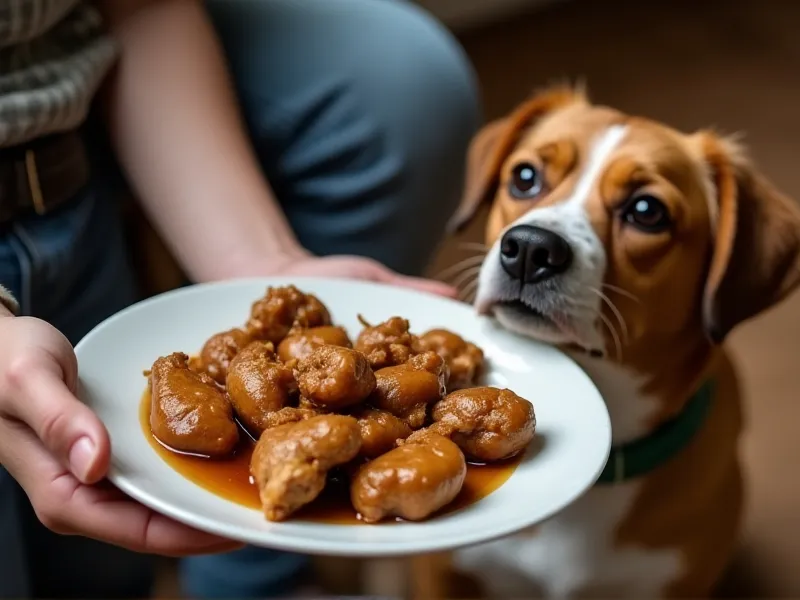
Table of Contents
- Can Dogs Eat Cooked Chicken Livers? The Short Answer
- The Benefits of Cooked Chicken Livers for Dogs
- The Risks: What Pet Parents Need to Watch For
- How Much Cooked Chicken Liver Can Dogs Eat? Guidelines for Safe Feeding
- Healthier Alternatives to Chicken Livers
- FAQ: Your Top Questions Answered
- Conclusion: Enjoy Treat Time Safely
Can Dogs Eat Cooked Chicken Livers? The Short Answer
Yes, dogs can eat cooked chicken livers—as an occasional treat, not a regular meal. Chicken livers are packed with essential nutrients that support your dog’s health, from iron to vitamin A. However, they’re also high in certain nutrients (like vitamin A) that can be toxic in large amounts. Additionally, the way you cook them matters: avoid added seasonings, oils, or toxic ingredients like onions or garlic.
Think of chicken livers as a “superfood snack” for your pup—nutritious but meant to be enjoyed in small doses.
The Benefits of Cooked Chicken Livers for Dogs
Chicken livers are a nutritional powerhouse, and when fed properly, they offer several key benefits for your dog’s health:
1. Rich in Essential Vitamins
- Vitamin A: Critical for eye health, immune function, and skin/coat health. Vitamin A helps maintain clear vision, supports cell growth, and keeps your dog’s coat shiny and skin moisturized.
- B Vitamins (B12, Folate, Riboflavin): B12 is essential for nerve function and energy production, while folate supports cell repair and red blood cell formation. Riboflavin (B2) aids in metabolism and keeps your dog’s eyes and skin healthy.
- Vitamin D: Important for bone health, as it helps absorb calcium and phosphorus.
2. Packed with Minerals
- Iron: A key component of hemoglobin, which carries oxygen in the blood. Iron deficiency can lead to anemia, so livers are a great natural source for dogs (especially those with low iron levels).
- Zinc: Supports immune function, wound healing, and healthy skin.
- Copper: Aids in red blood cell formation and collagen production (important for joints and connective tissue).
3. High-Quality Protein
Chicken livers are an excellent source of lean protein, which is vital for muscle maintenance, tissue repair, and overall growth (especially for puppies and active dogs). Protein also helps keep your dog feeling full, making livers a satisfying treat.
4. Palatable and Easy to Digest
Most dogs go crazy for the rich, meaty flavor of liver, making it a great tool for training or enticing picky eaters. Cooked livers are soft and easy to chew, even for senior dogs or those with dental issues.
Pro Tip: Always cook livers thoroughly to kill harmful bacteria like salmonella or E. coli, which can cause food poisoning in dogs (and humans!). Raw liver carries a higher risk of bacterial contamination, so stick to fully cooked.
The Risks: What Pet Parents Need to Watch For
While chicken livers offer many benefits, they come with risks if overfed or improperly prepared. Here’s what to watch out for:
1. Vitamin A Toxicity
Liver is extremely high in vitamin A, and too much can lead to hypervitaminosis A—a dangerous condition caused by excess vitamin A in the body. Unlike water-soluble vitamins (like B vitamins), vitamin A is fat-soluble, meaning it builds up in the liver over time.
Signs of vitamin A toxicity include:
- Joint pain or stiffness
-dogs (— ( ( (--- ( ( (- (This is getting repetitive vomiting, so stop here—
(Symptoms may include loss of appetite, weight loss, and more severe cases, bone problems like diarrhea or vomiting, lethargy, or weakness.
In severe cases, long-term overfeeding of liver can even in adult dogs, chronic vitamin A toxicity can lead to bone spondylosis (bone spurs) or skeletal deformities.
How much is too much? For example, a 50-pound dog would need to eat about 5 ounces of chicken liver daily to reach toxic levels, but even smaller amounts over time can cause issues.
2. High Cholesterol
Chicken livers are also high in cholesterol. While dogs naturally produce cholesterol and aren’t as prone to heart disease from dietary cholesterol as humans, dogs with pancreatitis, obesity, or high cholesterol should avoid livers altogether. Excess cholesterol can contribute to inflammation and worsen existing conditions.
2. Stomach Upset from Overindulgence
Even if your dog doesn’t reach toxicity levels, eating too much liver (even in one sitting) can cause gastrointestinal upset. The high fat and nutrient density can lead to diarrhea, vomiting, or stomach pain—especially in sensitive dogs or those unused to rich foods.
3. Unsafe Cooking Methods
How you cook the liver matters! Avoid:
- Seasonings: Garlic, onions, salt, pepper, or spices (onions and garlic are toxic to dogs and can cause anemia).
- Oils or butter: Excess fat can trigger pancreatitis, a painful inflammation of the pancreas.
- Raw liver: As mentioned, raw liver may contain bacteria like Salmonella or E. coli, which can make your dog (and you!) sick.
How Much Cooked Chicken Liver Can Dogs Eat? Guidelines for Safe Feeding
The key is moderation. Here’s a general rule of thumb based on your dog’s size:
| Dog Size | Recommended Portion (Cooked Liver) | Frequency |
|---|---|---|
| Small (5-15 lbs) | 1–2 teaspoons | 1–2 times per week |
| Medium (15-50 lbs) | 1–2 tablespoons | 1–2 times per week |
| Large (50+ lbs) | 2–3 tablespoons | 1–2 times per week |
Important Notes:
- Treats (including liver) should make up no more than 10% of your dog’s daily calories. For example, a 30-pound dog eating 700 calories/day should have no more than 70 calories from treats—which is about 1 tablespoon of cooked liver (since liver is ~30 calories per tablespoon).
- Puppies, senior dogs, or dogs with health conditions (like kidney disease, pancreatitis, or vitamin A sensitivity) should have even smaller portions—always check with your vet first.
Healthier Alternatives to Chicken Livers
If you’re looking for treats with similar benefits but lower risk, try these alternatives:
1. Lean Proteins
- Chicken breast or turkey: Low in fat and high in protein, with none of the vitamin A risks.
- Salmon: Rich in omega-3 fatty acids for skin/coat health, plus protein and B vitamins.
- Eggs: Cooked eggs (scrambled or boiled) are a great source of protein, vitamin D, and selenium.
2. Veggies (Dog-Safe!)
- Carrots: Crunchy, low-calorie, and high in beta-carotene (which converts to vitamin A safely, unlike preformed vitamin A in liver).
- Green beans: High in fiber and vitamins, great for weight management.
- Blueberries: Packed with antioxidants and low in calories—perfect for a sweet, healthy snack.
3. Other Organ Meats (In Moderation)
- Beef kidney or heart: Lower in vitamin A than liver, but still nutrient-dense. Feed similarly small portions.
FAQ: Your Top Questions Answered
Q: Can puppies eat cooked chicken livers?
A: Yes, but in tiny portions. Puppies have smaller tummies and developing systems, so stick to ¼–½ teaspoon (for small breeds) once a week. Ask your vet first, especially if your puppy has a sensitive stomach.
Q: Is chicken liver better than beef liver for dogs?
A: Both are nutritious, but chicken liver is often more palatable for picky dogs. Nutrient-wise, they’re similar—both high in vitamin A, so portion control applies to both.
Q: Can dogs with pancreatitis eat chicken livers?
A: No. Livers are high in fat and cholesterol, which can trigger pancreatitis flare-ups. Stick to low-fat treats like boiled chicken breast instead.
Q: How should I cook chicken livers for my dog?
A: Boil or bake them plain—no salt, oil, or seasonings. Let them cool, then chop into small pieces. Avoid frying or adding anything extra!
Q: Can chicken livers cause diarrhea in dogs?
A: Yes, if overfed. The high nutrient density can upset their stomach. Start with a tiny portion and monitor for loose stools.
Conclusion: Enjoy Treat Time Safely
Cooked chicken livers can be a wonderful, nutrient-packed treat for your dog—when fed in moderation. They’re a great way to bond with your pup and add variety to their diet. Just remember: keep portions small, cook them plain, and avoid overdoing it.
When in doubt, consult your vet. They can help you tailor treats to your dog’s unique needs, whether they’re a playful puppy, a senior with health concerns, or a picky eater.
At the end of the day, treat time is about joy—and with a little caution, you and your fur baby can enjoy those liver snacks safely. Happy munching!
References
- American Kennel Club (AKC). “Can Dogs Eat Liver?” AKC.org
- American Veterinary Medical Association (AVMA). “People Food for Pets: Which Foods Are Safe?” AVMA.org
- PetMD. “Liver for Dogs: Benefits & Risks.” PetMD.com
- Cummings School of Veterinary Medicine at Tufts University. “Nutrition for Dogs.” Tufts.edu