· 9 min read
Can Dogs Eat Chicken Livers and Gizzards? A Pet Parent’s Guide to Safe, Nutritious Treats
You’re standing at the kitchen counter, leftover chicken scraps in hand, when you feel a wet nose nudge your palm. Your dog, ever the opportunist, sits up straight, ears perked, tail thumping a rapid rhythm against the cabinet. In front of you: a small bowl of chicken livers and gizzards, leftovers from last night’s dinner. You pause. You want to share—after all, they’re your partner in crime, and these bits look like a tasty snack. But is it safe? Can dogs eat chicken livers and gizzards, or are they better left off the menu?
If you’ve ever asked yourself this question, you’re not alone. Organ meats like livers and gizzards are often hailed as “superfoods” for humans, but what about our furry friends? Let’s dive into the details: the benefits, the risks, how much to feed, and even healthier alternatives. By the end, you’ll know exactly whether to toss your pup a piece (or not).
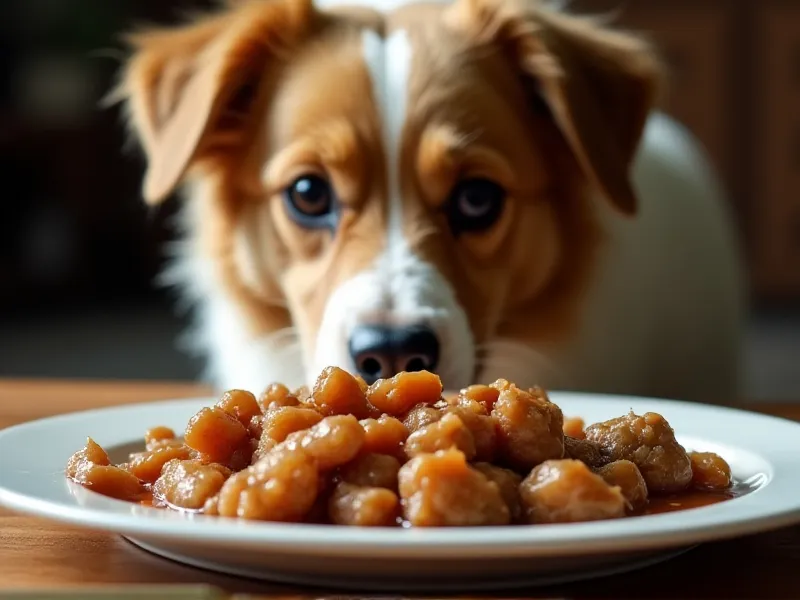
Table of Contents
- Can Dogs Eat Chicken Livers and Gizzards? The Short Answer
- What Are Chicken Livers and Gizzards, Anyway?
- The Benefits of Chicken Livers for Dogs
- The Benefits of Chicken Gizzards for Dogs
- The Risks of Feeding Chicken Livers and Gizzards
- How Much Chicken Liver and Gizzard Can Dogs Eat?
- How to Safely Prepare Chicken Livers and Gizzards for Dogs
- Healthier Alternatives to Chicken Livers and Gizzards
- FAQ: Your Top Questions Answered
- Conclusion: Moderation is Key
Can Dogs Eat Chicken Livers and Gizzards? The Short Answer
Yes, dogs can eat chicken livers and gizzards—but only in moderation. These organ meats are packed with nutrients that can support your dog’s health, from iron to fiber. However, they’re also rich in certain compounds (like vitamin A) that can be harmful in large amounts. Think of them as a “sometimes treat,” not a daily staple. When prepared safely and fed in the right portions, chicken livers and gizzards can be a delicious, healthy addition to your dog’s diet.
What Are Chicken Livers and Gizzards, Anyway?
Before we dive into the “why” behind feeding (or limiting) these foods, let’s clarify what they are:
- Chicken livers: These are the soft, reddish-brown organs responsible for filtering toxins and storing nutrients in chickens. They’re a byproduct of poultry processing and are prized in many human cuisines for their rich, meaty flavor.
- Chicken gizzards: A gizzard is a muscular part of the chicken’s digestive tract, used to grind up food (since birds don’t have teeth). It’s tough, chewy, and full of connective tissue—think of it as nature’s “dog chew” in organ form!
The Benefits of Chicken Livers for Dogs
Chicken livers are nutritional powerhouses. Here’s why they can be a great occasional treat:
1. Iron: Supports Healthy Blood
Livers are loaded with iron, a mineral that helps red blood cells carry oxygen throughout the body. Iron deficiency in dogs can lead to fatigue, weakness, and anemia—especially in growing puppies, pregnant dogs, or senior pups. A small serving of liver can give their iron levels a boost.
2. Vitamin A: For Vision and Immunity
Vitamin A is crucial for eye health (hello, bright, clear vision!), skin health, and a strong immune system. Livers are one of the best natural sources of this vitamin, making them a great way to support your dog’s overall wellness.
3. B Vitamins: Energy and Brain Health
Livers are rich in B vitamins, including B12, folate, and niacin. These vitamins help convert food into energy, support brain function, and keep the nervous system running smoothly. A B-vitamin boost can help your dog stay active and alert.
4. Zinc: Skin, Coat, and Immunity
Zinc is essential for healthy skin, a shiny coat, and a robust immune system. Dogs with zinc deficiencies may develop flaky skin, hair loss, or frequent infections. Liver provides a natural, bioavailable source of this mineral.
The Benefits of Chicken Gizzards for Dogs
Gizzards are often overlooked, but they’re just as nutrient-dense—with some unique perks:
1. Fiber: Aids Digestion
Gizzards contain natural fiber, which helps keep your dog’s digestive system regular. Fiber can prevent constipation and support a healthy gut microbiome, which is linked to overall health (even mood!).
2. Lean Protein: Muscle Support
Gizzards are high in protein (about 20g per 100g serving!) but low in fat, making them a great choice for dogs watching their weight. Protein is essential for building and repairing muscles, especially in active or working dogs.
3. Potassium: Heart and Muscle Health
Potassium is a mineral that regulates heart rate, muscle function, and fluid balance. Gizzards are a good source of potassium, which helps keep your dog’s heart strong and muscles moving smoothly.
4. Glucosamine: Joint Support
Gizzards contain glucosamine, a compound that supports joint health by maintaining cartilage. This is especially beneficial for senior dogs or breeds prone to joint issues (like Labradors or German Shepherds).
The Risks of Feeding Chicken Livers and Gizzards
While livers and gizzards have benefits, they’re not without risks—especially when overfed. Here’s what to watch out for:
1. Vitamin A Toxicity (From Livers)
Livers are extremely high in vitamin A. While vitamin A is essential, too much can lead to toxicity, known as hypervitaminosis A. Symptoms include:
- Joint pain or stiffness (from calcium deposits in bones)
- Loss of appetite
- Vomiting or diarrhea
- Lethargy
- Dry, flaky skin
Chronic overfeeding can even cause permanent damage to bones and organs. This is rare in dogs, but it’s a risk if livers become a staple in their diet.
2. High Cholesterol (From Livers)
Livers are also high in cholesterol. Dogs process cholesterol differently than humans, so it’s less of a concern for most healthy pups. However, overweight dogs, senior dogs, or those with heart disease may need to avoid high-cholesterol treats.
3. Stomach Upset
Livers are rich and fatty, which can upset sensitive stomachs. Feeding too much at once may cause vomiting, diarrhea, or pancreatitis (in severe cases, especially in dogs prone to the condition). Gizzards, while lean, can also cause digestive issues if overfed—thanks to their high fiber content.
4. Choking Hazard
Gizzards are tough and chewy, which is great for dental health (they act like a natural toothbrush!) but risky if not prepared properly. Large chunks can get stuck in your dog’s throat, especially in small breeds or dogs who gulp their food.
5. Raw Meat Risks
Some pet parents feed raw livers or gizzards, but raw meat carries risks of bacterial contamination (like Salmonella or E. coli). These bacteria can make your dog sick—and may also spread to humans in your household. Cooking eliminates this risk.
How Much Chicken Liver and Gizzard Can Dogs Eat?
The key is moderation. As a general rule, organ meats (including livers and gizzards) should make up no more than 5-10% of your dog’s daily calories. Here’s a rough guide based on your dog’s size:
| Dog Size | Chicken Liver (Cooked) | Chicken Gizzards (Cooked) | Frequency |
|---|---|---|---|
| Small (5-20 lbs) | 1-2 teaspoons | 1-2 small pieces (1-2 oz) | 2-3x per week |
| Medium (20-50 lbs) | 1-2 tablespoons | 2-3 pieces (2-4 oz) | 2-3x per week |
| Large (50+ lbs) | 2-3 tablespoons | 3-4 pieces (4-6 oz) | 2-3x per week |
Pro tip: Always adjust portions based on your dog’s activity level, age, and health. A senior dog or couch potato may need less; a working dog or puppy may need slightly more (but still within the 5-10% rule).
How to Prepare Chicken Livers and Gizzards for Dogs
Preparation is key to keeping these treats safe:
1. Cook Thoroughly
Never feed raw livers or gizzards. Cook them by boiling, steaming, or baking—avoid frying (too greasy!) or adding seasonings (onion, garlic, salt, and spices are toxic to dogs).
2. Cut Into Bite-Sized Pieces
Gizzards are tough, so slice them into small, manageable pieces to prevent choking. Livers are soft but can still be cut into chunks to avoid overeating in one bite.
3. Avoid Seasonings
Skip the salt, pepper, garlic, or onion powder. These can irritate your dog’s stomach or, in the case of garlic and onion, cause anemia.
4. Store Safely
Cooked livers and gizzards can be stored in the fridge for 3-4 days or frozen for up to 3 months. Thaw frozen portions completely before feeding.
Healthier Alternatives to Chicken Livers and Gizzards
If you’re looking to mix up your dog’s treats (or want to avoid livers/gizzards altogether), try these nutrient-packed alternatives:
1. Beef Liver
Beef liver is similar to chicken liver but with slightly less vitamin A (still feed in moderation!). It’s rich in iron, B vitamins, and zinc.
2. Turkey Gizzards
Turkey gizzards are leaner than chicken gizzards and offer the same fiber, protein, and glucosamine benefits.
3. Lean Meats (Chicken Breast, Turkey)
Plain, cooked chicken or turkey breast is low in fat, high in protein, and easy on the stomach—great for sensitive dogs.
4. Veggies (Carrots, Sweet Potatoes)
Carrots and sweet potatoes are low-calorie, high-fiber, and packed with vitamins (like vitamin A and beta-carotene). They’re great for crunching and dental health.
5. Fish (Salmon, Sardines)
Cooked salmon or sardines (in water, no salt) are rich in omega-3 fatty acids, which support skin, coat, and joint health.
FAQ: Your Top Questions Answered
Q: Can puppies eat chicken livers and gizzards?
A: Yes! Puppies can have small amounts of cooked liver and gizzards as an occasional treat. They’re rich in iron and protein, which support growth. Stick to 5% of their daily calories (even smaller portions than adult dogs).
Q: Is raw chicken liver or gizzard safe for dogs?
A: Raw meat carries bacterial risks (Salmonella, E. coli), so cooked is safer. If you feed raw, source high-quality, human-grade meat and consult your vet first (especially for puppies or immunocompromised dogs).
Q: How often can I feed my dog chicken livers and gizzards?
A: 2-3 times per week at most. Daily feeding increases the risk of vitamin A toxicity or stomach upset.
Q: My dog ate too many chicken livers—what should I do?
A: Watch for symptoms like vomiting, diarrhea, or lethargy. If they appear, contact your vet. In severe cases, vitamin A toxicity may require treatment.
Q: Can dogs with liver disease eat chicken livers?
A: No. Livers are high in protein and nutrients that may strain a diseased liver. Always consult your vet before feeding organ meats to dogs with health conditions.
Conclusion: Moderation is Key
Chicken livers and gizzards can be a delicious, nutrient-dense treat for your dog—when fed in moderation. They’re packed with iron, fiber, and vitamins that support everything from digestion to joint health. But remember: too much of a good thing can be harmful, especially when it comes to vitamin A and rich organ meats.
Stick to small portions (5-10% of their diet), cook them thoroughly, and skip the seasonings. And as always, if you have questions about your dog’s specific needs (age, health, breed), check in with your vet.
With a little caution, you and your pup can enjoy sharing these tasty scraps—one wag at a time!
References
- American Kennel Club (AKC). “Can Dogs Eat Chicken Liver?” akc.org
- PetMD. “Liver Disease in Dogs.” petmd.com
- Coates, J. (2020). “Organ Meats for Dogs: Benefits and Risks.” pethealthnetwork.com
- Veterinary Centers of America (VCA). “Hypervitaminosis A in Dogs.” vcahospitals.com