· 8 min read
Can Dogs Eat Cooked Chicken Liver? A Pet Parent’s Guide to This Nutrient-Packed Treat
It’s a familiar scene: You’re searing a pan of chicken liver for your weekend breakfast, and your dog trots over, nose twitching, tail thumping a rapid rhythm against the floor. Those big, hopeful eyes seem to say, “Share the love?” You pause, wondering: Is chicken liver safe for dogs? After all, liver is often hailed as a “superfood” for humans—rich in vitamins, minerals, and protein. But when it comes to our furry friends, not all human foods translate well.
If you’ve ever asked yourself, “Can dogs eat cooked chicken liver?” you’re in the right place. In this guide, we’ll break down the benefits, risks, and best practices for feeding your pup this tasty treat. Spoiler: When prepared correctly and served in moderation, cooked chicken liver can be a healthy addition to your dog’s diet. Let’s dig in!
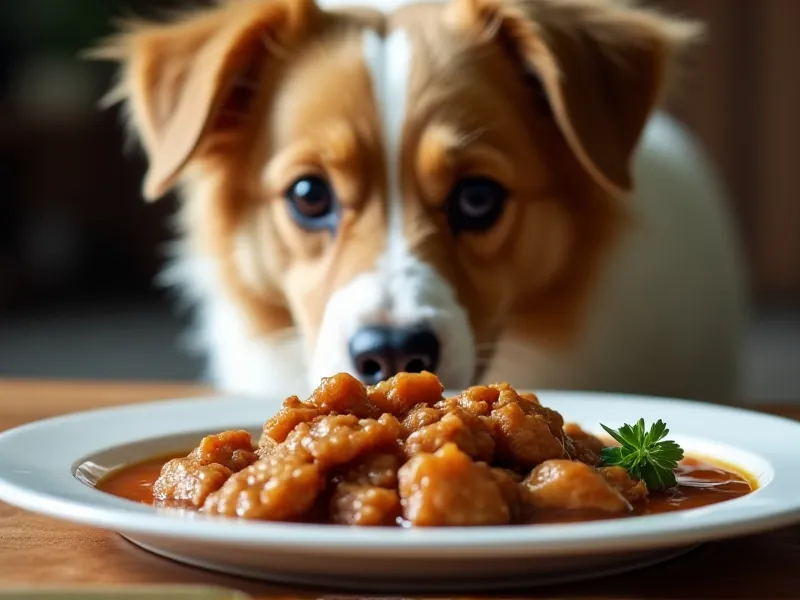
Table of Contents
- Can Dogs Eat Cooked Chicken Liver? The Short Answer
- The Benefits of Cooked Chicken Liver for Dogs
- Potential Risks to Watch For
- How Much Cooked Chicken Liver Can Dogs Eat? Guidelines for Safe Feeding
- Healthier Alternatives (When Liver Isn’t the Best Choice)
- FAQ: Your Top Questions Answered
- Conclusion: Moderation is Key
Can Dogs Eat Cooked Chicken Liver? The Short Answer
Yes, dogs can eat cooked chicken liver—but only in moderation.
Chicken liver is a nutrient-dense food loaded with vitamins and minerals that support your dog’s health, from shiny coats to strong immune systems. However, it’s not without risks: Overfeeding can lead to nutrient imbalances (like vitamin A toxicity) or stomach upset. The key is to treat it as an occasional snack, not a staple of their diet.
The Benefits of Cooked Chicken Liver for Dogs
Liver is often called “nature’s multivitamin,” and for good reason. Here’s why cooked chicken liver can be a healthy treat for your pup when served responsibly:
1. Packed with Essential Vitamins
Chicken liver is a powerhouse of vitamins that dogs need to thrive:
- Vitamin A: Critical for eye health (think night vision and preventing dry eyes), skin health, and immune function.
- B Vitamins (B12, B6, Folate): B12 supports energy production and nerve function; B6 aids in brain development and hormone regulation; folate helps with cell repair and red blood cell formation.
- Vitamin D: Important for bone health and calcium absorption (though liver has less D than fatty fish, it still contributes).
2. Rich in Minerals
Liver is also a great source of minerals your dog’s body needs:
- Iron: Essential for red blood cell production, preventing anemia, and maintaining energy levels.
- Zinc: Supports immune function, wound healing, and healthy skin/coat.
- Copper: Aids in iron absorption and collagen production (for joints and connective tissue).
3. High-Quality Protein
Protein is the building block of your dog’s muscles, organs, and tissues. Chicken liver is a complete protein, meaning it contains all the amino acids your dog needs to stay strong and active.
4. Palatable for Picky Eaters
Let’s face it: Some dogs turn up their noses at “healthy” treats. But liver? Its rich, meaty flavor is a hit with even the fussiest pups. This makes it a great tool for training, hiding medication, or enticing dogs who need to gain weight or recover from illness.
Potential Risks to Watch For
While cooked chicken liver has perks, it’s not a free-for-all. Here are the risks to keep in mind:
1. Vitamin A Toxicity (Hypervitaminosis A)
Vitamin A is fat-soluble, meaning your dog’s body stores excess in the liver. Over time, too much can lead to toxicity, which causes:
- Joint pain or stiffness (due to bone and cartilage damage)
- Loss of appetite
- Vomiting or diarrhea
- Dry, flaky skin
- In severe cases, bone deformities or organ damage
Chicken liver has high vitamin A levels: A 3-ounce serving contains about 12,000 IU of vitamin A—more than the daily recommended amount for a 50-pound dog (which is around 5,000 IU for adult dogs). This is why moderation is non-negotiable.
2. Stomach Upset
Liver is rich and fatty, which can shock your dog’s digestive system if introduced too quickly or in large amounts. Symptoms of stomach upset include:
- Diarrhea
- Vomiting
- Gas or bloating
This is especially true for dogs with sensitive stomachs or those not used to rich foods.
3. Cooking and Seasoning Risks
How you prepare the liver matters! Avoid:
- Seasonings: Garlic, onions, salt, pepper, or spices (these are toxic to dogs—garlic and onions can cause anemia, while salt leads to sodium poisoning).
- Raw Liver: Raw liver may contain harmful bacteria like Salmonella or E. coli, which can sicken both your dog and your family. Cooked liver is safer.
- Added Fats: Frying liver in oil or butter adds unnecessary calories and can trigger pancreatitis in prone dogs (e.g., overweight or senior dogs).
4. High Cholesterol (Rarely a Concern)
Liver is high in cholesterol, but most dogs process it well. Unless your dog has a specific condition like hyperlipidemia (high blood lipids) or heart disease, cholesterol from liver is unlikely to cause issues. Always check with your vet if your dog has health concerns.
How Much Cooked Chicken Liver Can Dogs Eat? Guidelines for Safe Feeding
The golden rule: Treat chicken liver as a snack, not a meal. Aim for no more than 5-10% of your dog’s daily calories from treats (liver included). Here’s a rough guide based on weight:
| Dog Size | Weight Range | Safe Portion of Cooked Chicken Liver (2-3x/week) |
|---|---|---|
| Toy (e.g., Chihuahua) | Under 10 lbs | 1–2 teaspoons |
| Small (e.g., Beagle) | 10–25 lbs | 1–2 tablespoons |
| Medium (e.g., Cocker Spaniel) | 25–50 lbs | 2–3 tablespoons |
| Large (e.g., Labrador) | 50–100 lbs | ¼–½ cup |
| Giant (e.g., Great Dane) | Over 100 lbs | ½–¾ cup |
Pro Tips for Feeding:
- Start Small: Introduce liver gradually (e.g., a tiny piece the first day) to avoid stomach upset.
- Cook Plain: Boil, bake, or steam liver—no oil, salt, or seasonings. Let it cool before serving.
- Freeze for Freshness: Cook a batch, portion into ice cube trays, and freeze. Pop one out as a cool treat on hot days!
Healthier Alternatives (When Liver Isn’t the Best Choice)
If your dog can’t have liver (e.g., due to vitamin A sensitivity) or you want to mix up their treats, try these nutrient-rich alternatives:
1. Lean Proteins
- Chicken/Turkey Breast: Cooked, unseasoned, and diced. High in protein, low in fat.
- Salmon: Cooked (no bones!) for omega-3s (supports skin/coat and joint health).
- Eggs: Scrambled or hard-boiled (no salt). A great source of protein and biotin.
2. Organ Meats (in Moderation)
- Beef Kidney: Lower in vitamin A than liver, rich in iron and B vitamins.
- Pork Heart: Lean, high in taurine (supports heart health) and protein.
3. Vegetables
- Carrots: Crunchy, low-calorie, and high in beta-carotene (which converts to vitamin A safely, as the body regulates it).
- Sweet Potatoes: Baked or steamed, a good source of fiber, vitamins A and C.
- Green Beans: Fresh or steamed, high in fiber and low in calories (great for weight management).
FAQ: Your Top Questions Answered
Q: Can puppies eat cooked chicken liver?
A: Yes, but in very small portions. Puppies have sensitive tummies and are still growing, so start with ¼–½ teaspoon (for small breeds) or 1 teaspoon (large breeds) once a week. Check with your vet first, especially if your puppy has a sensitive digestive system.
Q: Is raw chicken liver safer than cooked?
A: No—raw liver carries a higher risk of bacterial contamination (Salmonella, E. coli) and parasites. Cooking kills harmful pathogens, making it safer for your dog and your family.
Q: My dog ate a whole plate of cooked liver! Should I panic?
A: Probably not, but monitor for symptoms like vomiting, diarrhea, or lethargy. A one-time large serving may cause stomach upset, but vitamin A toxicity develops over weeks/months of overfeeding. If symptoms persist, call your vet.
Q: Can dogs with liver disease eat chicken liver?
A: No. Dogs with liver disease have trouble processing nutrients, and liver is high in protein and vitamins that could strain their already compromised liver. Always consult your vet before feeding liver to dogs with health conditions.
Q: How often can I feed my dog chicken liver?
A: 2–3 times per week at most. This prevents vitamin A buildup and keeps their diet balanced.
Conclusion: Moderation is Key
Cooked chicken liver can be a delicious, nutrient-packed treat for your dog—when served smartly. Its vitamins and minerals support everything from their eyes to their energy levels, but overdoing it can lead to health issues like vitamin A toxicity or stomach upset.
As a pet parent, the best approach is to treat liver as an occasional snack (not a meal), cook it plain, and stick to portion sizes based on your dog’s weight. And when in doubt? Ask your vet—they know your dog’s unique health needs and can tailor advice to their age, breed, and conditions.
With a little moderation and care, you and your pup can enjoy sharing the occasional liver treat—because nothing makes their tail wag faster than a tasty, healthy snack from you.
Happy feeding, and here’s to many more tail thumps!
References
- American Society for the Prevention of Cruelty to Animals (ASPCA). “People Foods to Avoid Feeding Your Pets.” aspca.org
- American Veterinary Medical Association (AVMA). “Nutrition: What’s Best for Your Pet.” avma.org
- Tufts Cummings School of Veterinary Medicine. “Can Dogs Eat Liver?” vetnutrition.tufts.edu
- PetMD. “Liver for Dogs: Benefits and Risks.” petmd.com