· 8 min read
Can Dogs Eat Chicken Leg Bones? What Every Pet Parent Needs to Know
It’s a familiar scene: You’re cleaning up after a family dinner, and a chicken leg bone accidentally slips off the plate. Before you can blink, your dog—let’s call him Buddy—springs into action, snatching the bone and trotting off to enjoy his “prize.” Panic sets in. Is this harmless, or a recipe for disaster? As a pet parent, you want to treat your pup, but you also need to keep them safe. So, can dogs eat chicken leg bones? Let’s dig into the facts.
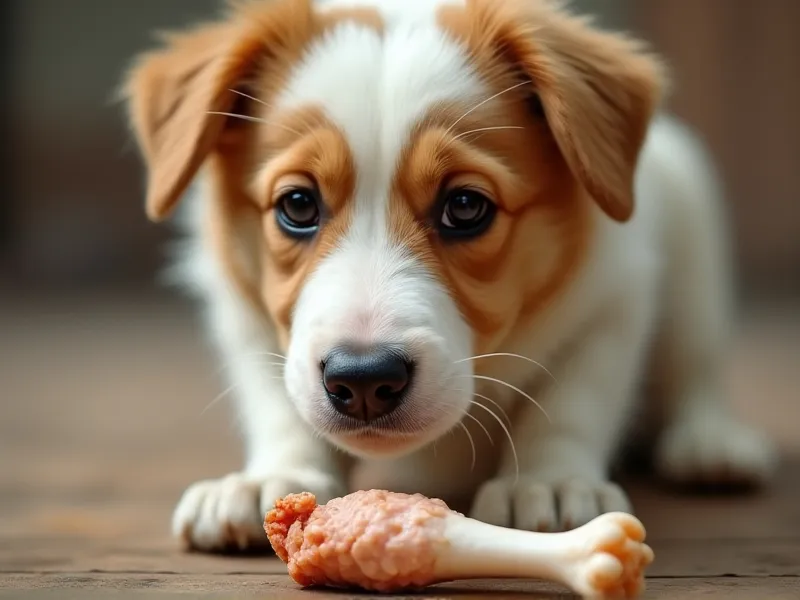
Table of Contents
- Can Dogs Eat Chicken Leg Bones? The Short Answer
- The Risks of Chicken Leg Bones for Dogs: Why They’re Dangerous
- Are There Any Benefits to Chicken Leg Bones?
- What to Do If Your Dog Accidentally Eats a Chicken Leg Bone
- Healthier Alternatives to Chicken Leg Bones
- FAQ: Your Chicken Leg Bone Questions Answered
- Conclusion: Prioritize Safety Over Treats
- References
Can Dogs Eat Chicken Leg Bones? The Short Answer
No, dogs should not eat chicken leg bones—cooked or raw. While it’s tempting to share table scraps or think bones are a “natural” treat, chicken leg bones pose serious risks to your dog’s health. The dangers far outweigh any potential benefits, and even small pieces can lead to life-threatening emergencies. Let’s break down why.
The Risks of Chicken Leg Bones for Dogs: Why They’re Dangerous
To understand why chicken leg bones are unsafe, we need to look at their structure and how dogs process them. Chicken bones are small, hollow, and brittle—especially when cooked. Here’s what makes them so risky:
Cooked vs. Raw: Which Is Riskier?
You might have heard rumors that “raw chicken bones are safe” because they’re softer. While it’s true that raw bones are less likely to splinter than cooked ones, they’re not risk-free.
-
Cooked bones: When chicken bones are cooked (boiled, baked, or fried), they lose moisture and become hard and brittle. This makes them prone to shattering into sharp, needle-like fragments when chewed. These splinters can tear the mouth, throat, esophagus, stomach, or intestines—leading to bleeding, infection, or perforation (a hole in the digestive tract).
-
Raw bones: Raw chicken leg bones are more flexible, but they can still break into smaller pieces. Dogs may swallow large chunks that get stuck in the throat or block the intestines. Additionally, raw bones (and raw meat) can harbor harmful bacteria like Salmonella or E. coli, which can sicken both dogs and humans.
Choking Hazard
Chicken leg bones are small and cylindrical, making them easy for dogs to gulp down whole—especially if they’re excited or hungry. A bone can lodge in the throat, blocking the airway and causing choking. Signs of choking include pawing at the mouth, gagging, wheezing, or inability to breathe. This is a medical emergency that requires immediate action.
Splintering and Internal Injuries
As mentioned, cooked chicken bones splinter easily. Even a small splinter can cause:
- Oral injuries: Cuts to the gums, tongue, or cheeks, leading to pain or infection.
- Esophageal tears: Sharp fragments can scratch or puncture the esophagus (the tube connecting the mouth to the stomach), causing difficulty swallowing, drooling, or vomiting blood.
- Gastrointestinal perforation: Splinters that reach the stomach or intestines can tear the delicate tissue, leading to peritonitis (a life-threatening infection of the abdominal cavity).
Intestinal Blockages
Dogs may swallow bone fragments that are too large to pass through the digestive tract. These fragments can get stuck in the intestines, causing a blockage. Symptoms include vomiting, diarrhea (sometimes with blood), loss of appetite, lethargy, or abdominal pain. Intestinal blockages often require surgery to remove and can be fatal if left untreated.
Bacterial Infections
Raw chicken leg bones (and raw chicken meat) can carry bacteria like Salmonella, Campylobacter, or E. coli. Dogs with weak immune systems (puppies, seniors, or those with health conditions) are especially at risk. Symptoms of bacterial infection include diarrhea, vomiting, fever, or lethargy. Humans can also get sick from handling contaminated bones or cleaning up after an infected dog.
Are There Any Benefits to Chicken Leg Bones?
You might wonder, “If bones are so bad, why do some people feed them?” Proponents of raw diets (BARF diets) argue that bones provide nutrients like calcium, phosphorus, and collagen. While it’s true that bones contain these minerals, the risks of chicken leg bones far outweigh any potential benefits.
- Calcium and phosphorus: Dogs need these minerals for strong bones and teeth, but they should get them from balanced dog food. Most commercial dog foods are formulated to meet these needs without the danger of bones.
- Collagen: Collagen supports joint health, but safer sources include boneless cooked chicken, fish, or supplements recommended by your vet.
In short, there’s no nutritional need to feed your dog chicken leg bones. The risks of injury or illness are simply too high.
What to Do If Your Dog Accidentally Eats a Chicken Leg Bone
Mistakes happen! If your dog snatches a chicken leg bone before you can stop them, stay calm and follow these steps:
- Do NOT induce vomiting: Trying to make your dog throw up can cause splinters to tear the esophagus on the way back up. This worsens the risk of injury.
- Monitor for symptoms: Watch for signs of trouble over the next 24–48 hours, including:
- Gagging, coughing, or difficulty breathing (choking)
- Vomiting (especially with blood)
- Diarrhea (with or without blood)
- Lethargy or loss of appetite
- Abdominal pain (hunching, reluctance to move)
- Excessive drooling
- Contact your vet immediately: Even if your dog seems fine, call your vet. They may want to examine your dog or recommend monitoring at home. In severe cases, they may perform X-rays to check for blockages or splinters.
When in doubt, always call your vet. They can guide you based on your dog’s size, breed, and the amount of bone eaten.
Healthier Alternatives to Chicken Leg Bones
If your dog loves to chew, there are plenty of safe, tasty alternatives to chicken leg bones:
1. Boneless Cooked Chicken
A small piece of plain, cooked chicken (no seasoning, bones, or skin) is a great treat. It’s high in protein and low in fat—perfect for training or rewarding good behavior.
2. Raw Meaty Bones (Large and Non-Splintering)
If you want to offer bones (with your vet’s approval), choose large, raw bones that can’t be swallowed whole. Examples include:
- Beef marrow bones (large enough that your dog can’t fit the whole bone in their mouth)
- Pork knuckles
- Lamb shanks
Always supervise your dog with these bones to prevent choking or breaking off small pieces. Discard the bone when it becomes small enough to swallow.
3. Dental Chews
Vet-recommended dental chews (like Greenies or Pedigree Dentastix) help clean teeth, freshen breath, and satisfy chewing urges. Look for options sized for your dog’s breed.
4. Vegetables and Fruits
Crunchy veggies like carrots, celery, or sweet potatoes are low-calorie, high-fiber treats. Apples (without seeds) or blueberries are also safe and tasty.
5. Rubber Chew Toys
Toys like Kongs or Nylabones are durable and designed for heavy chewers. Stuff them with peanut butter (no xylitol!) or dog-safe yogurt for extra fun.
FAQ: Your Chicken Leg Bone Questions Answered
Q: Are raw chicken leg bones safer than cooked ones?
A: No. While raw bones are less brittle, they can still break into small pieces, cause blockages, or carry bacteria. Most vets advise against feeding any chicken bones—raw or cooked.
Q: My dog ate a tiny piece of cooked chicken leg bone. Should I panic?
A: Stay calm. Small pieces may pass through without issue, but monitor for symptoms (vomiting, diarrhea, lethargy). Call your vet to be safe, especially if your dog is small, a puppy, or has health issues.
Q: Can puppies eat chicken leg bones?
A: Puppies have smaller airways and developing digestive systems, making them more at risk for choking or blockages. Never feed puppies chicken leg bones.
Q: What if my dog has eaten chicken leg bones before and been fine?
A: Luck doesn’t equal safety. Just because your dog didn’t get sick once doesn’t mean it’s safe to keep feeding bones. Each exposure increases the risk of injury.
Q: Are chicken wings or drumsticks safer than leg bones?
A: No. All chicken bones (wings, drumsticks, thighs) are small and hollow, posing the same risks as leg bones.
Conclusion: Prioritize Safety Over Treats
When it comes to chicken leg bones, the answer is clear: they’re not worth the risk. While it’s natural to want to share with your furry friend, their health and safety should always come first.
If you’re unsure about a treat, ask your vet. They can recommend safe, nutritious options that keep your dog happy and healthy. Remember, a few minutes of caution can prevent a lifetime of regret.
Your dog’s wagging tail and healthy smile are worth it!
References
- American Veterinary Medical Association (AVMA). “Feeding Your Pet: Bones.” avma.org/resources/pet-owners/nutrition/feeding-your-pet-bones
- American Society for the Prevention of Cruelty to Animals (ASPCA). “People Foods to Avoid Feeding Your Pets.” aspca.org/pet-care/animal-poison-control/people-foods-avoid-feeding-your-pets
- PetMD. “Can Dogs Eat Chicken Bones?” petmd.com/dog/nutrition/can-dogs-eat-chicken-bones
- Coates, J. (2020). “Should Dogs Eat Bones?” VCA Animal Hospitals. vcahospitals.com/know-your-pet/should-dogs-eat-bones