· 9 min read
Can Dogs Eat Chicken Gizzards Raw? A Pet Parent’s Guide to Safety & Nutrition
Picture this: You’re standing at the kitchen counter, rinsing fresh chicken gizzards for tonight’s stir-fry, when your dog saunters over. Their tail thumps a rapid rhythm against the cabinets, nose twitching at the earthy, meaty scent. “Just a tiny piece?” you think. After all, gizzards are a humble, nutrient-dense organ meat—could they be a healthy snack for your pup?
If you’ve ever wondered whether raw chicken gizzards are safe (or beneficial) for dogs, you’re not alone. Raw feeding has surged in popularity among pet parents, with proponents praising its “natural” benefits. But as with any pet food trend, it’s crucial to separate fact from fiction.
In this guide, we’ll break down everything you need to know: Are raw chicken gizzards safe for dogs? What nutrients do they offer? What risks should you watch for? And how can you incorporate them (if at all) into your dog’s diet responsibly? Let’s dive in.
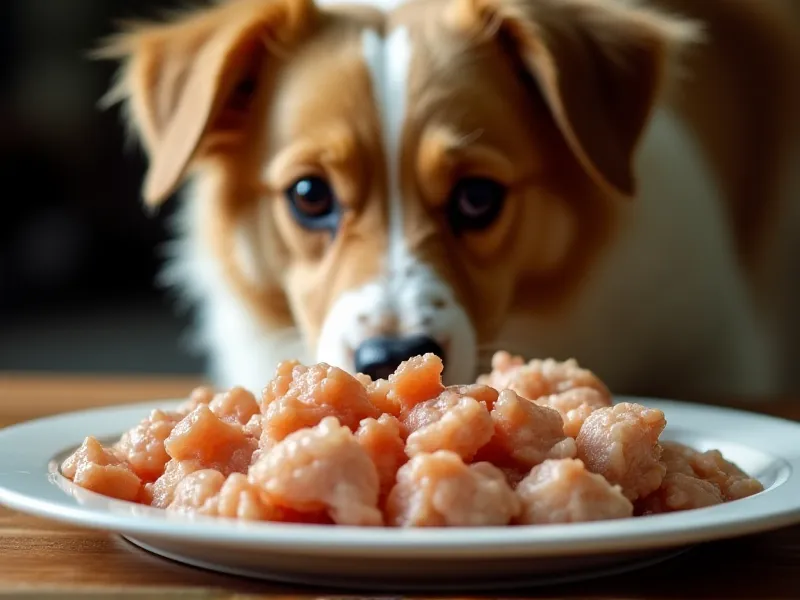
Table of Contents
- Can Dogs Eat Raw Chicken Gizzards? The Short Answer
- The Nutritional Benefits of Chicken Gizzards for Dogs
- Potential Risks of Feeding Raw Chicken Gizzards to Dogs
- How Much Raw Chicken Gizzard Can Dogs Safely Eat? Guidelines by Size
- Healthier Alternatives to Raw Chicken Gizzards
- Frequently Asked Questions (FAQ) About Dogs and Chicken Gizzards
- Conclusion: Prioritizing Your Dog’s Safety and Health
Can Dogs Eat Raw Chicken Gizzards? The Short Answer
Yes, dogs can eat raw chicken gizzards—but with significant caveats.
Chicken gizzards are a nutrient-rich organ meat, packed with protein, iron, and other key nutrients. In small, occasional amounts, they can be a healthy addition to your dog’s diet. However, raw gizzards carry risks, including bacterial contamination (like Salmonella or E. coli) and choking hazards, that pet parents must address to keep their dogs safe.
The decision to feed raw gizzards should never be taken lightly. It requires careful sourcing, preparation, and moderation. For many dogs, cooked gizzards may be a safer alternative. Always consult your vet before introducing raw foods, especially if your dog has health issues, a compromised immune system, or is very young/old.
The Nutritional Benefits of Chicken Gizzards for Dogs
Chicken gizzards are often overlooked, but they’re a nutritional powerhouse. Here’s why they might deserve a spot in your dog’s treat rotation (when prepared safely):
1. High-Quality Protein for Muscle Health
Gizzards are 90% protein (on average), making them an excellent source of lean, animal-based protein. Protein is critical for dogs: it supports muscle growth and repair, fuels energy, and helps maintain healthy skin and coat. Unlike processed treats with fillers, gizzards offer protein without added sugars or artificial ingredients.
2. Iron: Essential for Oxygen Transport
Iron is a mineral that helps red blood cells carry oxygen throughout the body. A deficiency can lead to fatigue, weakness, or anemia—especially in active dogs or those recovering from illness. Chicken gizzards are rich in heme iron (the most absorbable form), making them a natural way to boost your dog’s iron levels.
3. Zinc: A Boost for Immunity & Skin Health
Zinc is vital for immune function, wound healing, and healthy skin/coat. Dogs with zinc deficiencies may develop dull fur, flaky skin, or frequent infections. Gizzards contain zinc in a form that’s easy for dogs to absorb, supporting their overall resilience.
4. Fiber: Gentle Support for Digestion
Chicken gizzards contain small amounts of insoluble fiber, which aids digestion by promoting regular bowel movements. This can be helpful for dogs prone to constipation, though it’s important not to overdo it (too much fiber can cause diarrhea).
5. Potassium: For Heart & Muscle Function
Potassium is an electrolyte that helps regulate heart rhythm, muscle contractions, and fluid balance. Gizzards provide a modest amount of potassium, supporting your dog’s cardiovascular and muscular health.
Bonus: Low in Fat & Calories
Compared to fatty meats like bacon or sausage, gizzards are low in fat (about 2-3% fat) and calories (roughly 25-30 calories per average gizzard). This makes them a great treat option for dogs watching their weight or with pancreatitis (though always check with your vet first).
Potential Risks of Feeding Raw Chicken Gizzards to Dogs
While gizzards offer nutritional perks, raw feeding comes with non-negotiable risks. Here’s what to watch for:
1. Bacterial Contamination: Salmonella, E. Coli, & More
Raw chicken—including gizzards—often harbors harmful bacteria like Salmonella, Campylobacter, or E. coli. These pathogens can make dogs sick (symptoms: vomiting, diarrhea, fever, lethargy) and pose a zoonotic risk (meaning they can spread to humans via contact with your dog’s saliva, feces, or food prep surfaces).
The CDC warns that pets can carry Salmonella without showing symptoms, making them silent carriers. This is especially dangerous for households with young children, elderly adults, or immunocompromised individuals.
2. Choking Hazard
Chicken gizzards are dense, muscular organs with a tough texture. If fed whole or in large chunks, they can pose a choking risk—especially for small dogs, brachycephalic breeds (like Bulldogs or Pugs), or dogs who gulp their food. Even larger dogs can struggle if the gizzard isn’t properly sized.
3. Digestive Upset
Introducing raw gizzards (or any new food) too quickly can trigger stomach upset in dogs. Symptoms may include diarrhea, vomiting, or gas, especially if your dog isn’t used to raw foods or has a sensitive stomach.
4. Nutritional Imbalance (If Overfed)
While gizzards are nutrient-dense, they’re not a complete meal. Feeding too many can unbalance your dog’s diet, leading to deficiencies in other nutrients (like calcium, which is critical for bone health). Gizzards should never replace your dog’s regular, balanced dog food.
How Much Raw Chicken Gizzard Can Dogs Safely Eat? Guidelines by Size
If you decide to feed raw gizzards (with your vet’s approval), moderation is key. As a general rule, treats—including gizzards—should make up no more than 10% of your dog’s daily calorie intake. Here’s a rough guide based on size:
| Dog Size | Weight Range | Recommended Raw Gizzards per Week (as treats) |
|---|---|---|
| Small (e.g., Chihuahua, Pug) | 5-20 lbs | 1-2 small gizzards (sliced into bite-sized pieces) |
| Medium (e.g., Beagle, Cocker Spaniel) | 20-50 lbs | 2-3 gizzards (cut into 1-inch chunks) |
| Large (e.g., Labrador, German Shepherd) | 50-90 lbs | 3-4 gizzards (cut into 1.5-inch chunks) |
| Extra-Large (e.g., Great Dane, Mastiff) | 90+ lbs | 4-5 gizzards (monitor for choking) |
Pro Tips for Safe Feeding:
- Source carefully: Choose human-grade, organic, or antibiotic-free gizzards when possible. Avoid gizzards from conventionally raised chickens, which may have higher bacteria levels or residues.
- Thaw safely: Thaw frozen gizzards in the refrigerator (not on the counter) to prevent bacterial growth.
- Chop into small pieces: Slice gizzards into bite-sized chunks (no larger than 1 inch for small dogs) to reduce choking risk.
- Introduce slowly: Start with a tiny piece (e.g., 1 teaspoon) and monitor for 24 hours. If no upset, gradually increase.
- Practice hygiene: Wash hands, cutting boards, and utensils thoroughly after handling raw gizzards. Disinfect surfaces with a pet-safe cleaner.
- Store properly: Keep raw gizzards refrigerated (3-4 days) or frozen (up to 6 months). Discard any that smell off or have a slimy texture.
Healthier Alternatives to Raw Chicken Gizzards
If the risks of raw gizzards make you nervous, don’t worry—there are safer ways to let your dog enjoy this nutrient-dense food (or similar options):
1. Cooked Chicken Gizzards
Cooking gizzards eliminates most bacteria (like Salmonella) while preserving key nutrients. Simply boil, bake, or steam them (no salt, spices, or oil!) until tender (about 15-20 minutes). Let them cool, then chop into pieces. Cooked gizzards are gentler on sensitive stomachs and safer for puppies, seniors, or immunocompromised dogs.
2. Lean Cooked Chicken Breast
If gizzards aren’t available, lean cooked chicken breast is a classic, low-risk treat. It’s high in protein, low in fat, and easy to digest. Avoid seasoning or bones.
3. Other Organ Meats (In Moderation)
Organ meats like liver, kidney, or heart are also nutrient-rich, but they’re high in vitamins (e.g., vitamin A in liver) that can be toxic in excess. Feed liver no more than once weekly (1-2 teaspoons for small dogs, 1-2 tablespoons for large dogs).
4. Fresh Vegetables
For a low-calorie, fiber-rich alternative, try carrots, green beans, or pumpkin (plain, canned). These are safe, affordable, and great for dogs watching their weight.
Frequently Asked Questions (FAQ) About Dogs and Chicken Gizzards
Q: Can puppies eat raw chicken gizzards?
A: Puppies have developing immune systems and sensitive digestive tracts, making them more vulnerable to bacterial infections and choking. It’s safer to avoid raw gizzards until they’re older (6+ months) and consult your vet first. Cooked gizzards, in tiny amounts, may be okay for some puppies—always ask your vet.
Q: My dog has a sensitive stomach. Are raw gizzards a good option?
A: Probably not. Raw foods can be harder to digest and may trigger diarrhea or vomiting in dogs with sensitivities. Cooked gizzards (plain, no additives) are gentler and may be better tolerated. Start with a tiny portion and monitor closely.
Q: How do I clean raw chicken gizzards before feeding them to my dog?
A: Rinse gizzards under cold water to remove excess blood or debris, then pat dry with paper towels. Trim off any visible fat or connective tissue (this can reduce digestive upset). Avoid using soap or chemicals—they can leave residues harmful to dogs.
Q: Are chicken gizzards good for dogs with anemia?
A: Gizzards are high in iron, which can help support dogs with iron-deficiency anemia. However, anemia has many causes (e.g., parasites, chronic disease), so never use gizzards as a substitute for veterinary treatment. Always work with your vet to address the root cause.
Q: Can dogs eat chicken gizzards every day?
A: No. Gizzards are a treat, not a staple. Feeding them daily can lead to nutritional imbalances (e.g., too much iron or protein) and increase bacteria exposure. Stick to the 10% rule (treats = 10% of daily calories) and limit to 2-3 times per week.
Conclusion: Prioritizing Your Dog’s Safety and Health
Chicken gizzards can be a tasty, nutrient-packed treat for dogs—but raw feeding requires caution. While they offer protein, iron, and other key nutrients, raw gizzards carry risks like bacterial contamination and choking that can’t be ignored.
If you choose to feed raw gizzards, source high-quality meat, chop it into small pieces, practice strict hygiene, and limit portions. For most pet parents, cooked gizzards are a safer, more practical option.
As always, every dog is unique. What works for one may not work for another—especially dogs with health issues, allergies, or special dietary needs. When in doubt, consult your vet. They can help you decide if gizzards (raw or cooked) fit into your dog’s diet and provide personalized feeding guidelines.
At the end of the day, our goal as pet parents is to keep our dogs happy, healthy, and safe. With a little knowledge and moderation, you can treat your pup to the occasional gizzard—without compromising their well-being.
Sources:
- American Kennel Club (AKC). “Can Dogs Eat Chicken Gizzards?” (2023).
- American College of Veterinary Nutrition (ACVN). “Raw Food Diets for Dogs and Cats: Risks and Benefits.” (2022).
- Centers for Disease Control and Prevention (CDC). “Salmonella and Pets.” (2023).
- PetMD. “Chicken Gizzards for Dogs: Benefits and Risks.” (2023).