· 8 min read
Can Dogs Eat Chicken Gizzards? A Pet Parent’s Guide to Safe, Nutritious Treats
It’s a familiar scene: You’re cleaning up after a family dinner, and there they are—those rubbery, slightly chewy chicken gizzards you picked up from the butcher. Your dog, tail wagging, nose twitching, is giving you the “please share” stare. You pause, wondering: Are these odd little organs safe for dogs? Could they even be good for them?
If you’ve ever asked, “Can dogs eat chicken gizzards?” you’re not alone. These underrated cuts are packed with nutrients, but like any human food, they come with dos and don’ts. In this guide, we’ll break down whether chicken gizzards are a go, their benefits, risks, portion tips, and even healthier alternatives. Let’s dive in!
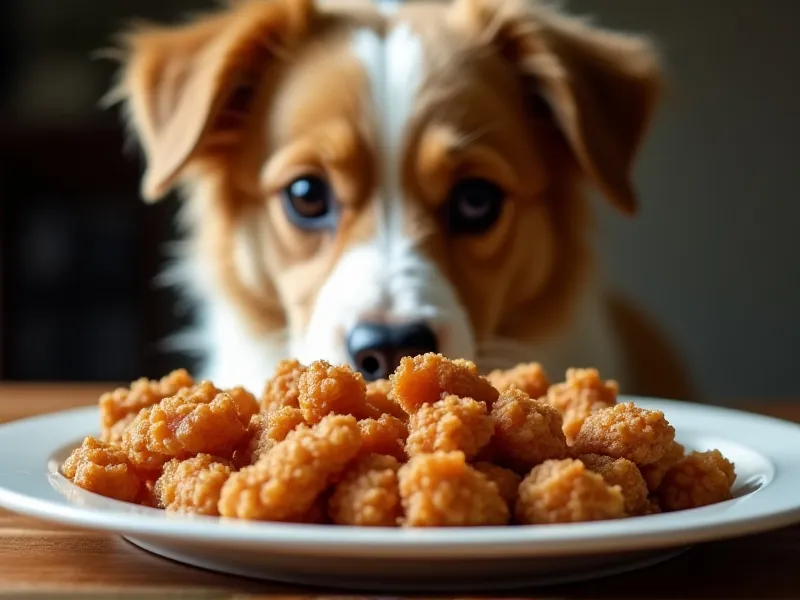
Table of Contents
- Can Dogs Eat Chicken Gizzards? The Short Answer
- The Nutritional Perks: Why Chicken Gizzards Might Be a Great Treat
- Potential Risks: What to Watch Out For
- How Much Chicken Gizzard Can Dogs Safely Eat? A Portion Guide
- Healthier Alternatives to Chicken Gizzards (If Needed)
- Frequently Asked Questions About Dogs and Chicken Gizzards
- Final Thoughts: Moderation is Key
Can Dogs Eat Chicken Gizzards? The Short Answer
Yes, dogs can eat chicken gizzards—in moderation, and when prepared properly.
Chicken gizzards are the muscular part of a chicken’s digestive tract, and they’re a staple in many human diets (think gumbo, stir-fries, or soul food). For dogs, they’re low in fat, high in protein, and packed with vitamins and minerals. But here’s the catch: They must be plain, cooked, and served in small portions. Seasonings, sauces, or raw preparation can turn this healthy snack into a hazard.
In short: Chicken gizzards aren’t toxic to dogs, but they’re not a free-for-all. Let’s break down why they might be a great addition to your pup’s treat rotation—and when to proceed with caution.
The Nutritional Perks: Why Chicken Gizzards Might Be a Great Treat
Chicken gizzards are a nutrient-dense superfood for dogs, offering a range of vitamins, minerals, and other goodies. Here’s what makes them stand out:
1. High-Quality Protein for Muscle Health
Gizzards are loaded with protein—about 20 grams per 100 grams of cooked meat. Protein is essential for dogs: It supports muscle growth, repairs tissues, and keeps their coat shiny and skin healthy. For active dogs, seniors, or even puppies (in moderation), this protein boost can be a great complement to their regular kibble.
2. B Vitamins for Energy and Brain Function
Chicken gizzards are rich in B vitamins, including:
- Vitamin B12: Critical for nerve function, red blood cell production, and energy metabolism. A deficiency can lead to fatigue or weakness in dogs.
- Niacin (B3): Supports digestion and skin health.
- Riboflavin (B2): Aids in converting food into energy and maintains healthy eyes and coat.
These vitamins work together to keep your dog alert, active, and thriving.
3. Iron and Zinc for Immune Support
Iron is vital for transporting oxygen in the blood (hello, healthy energy levels!), and zinc boosts the immune system, helping your dog fight off infections. Gizzards are a natural source of both—perfect for dogs who need a little extra support, like recovering pups or those with anemia (always consult your vet first for medical conditions).
4. Fiber for Digestive Health
Gizzards have a tough, chewy texture thanks to connective tissue and muscle fibers. This isn’t just satisfying for dogs who love to chew—it also acts as dietary fiber. Fiber supports gut health by promoting regular bowel movements and feeding beneficial gut bacteria. For dogs prone to constipation, a small piece of gizzard (cooked and chopped!) might help keep things moving.
5. Potassium for Heart and Muscle Function
Potassium is an electrolyte that regulates heart rhythm, muscle contractions, and fluid balance. Gizzards contain a decent amount of this mineral, which is especially important for active dogs or those with heart conditions (again, check with your vet).
Pro Tip: Gizzards are also low in calories (about 130 calories per 100 grams) and fat (less than 3 grams per 100 grams), making them a great treat for dogs watching their weight.
Potential Risks: What to Watch Out For
While chicken gizzards have plenty of benefits, they’re not risk-free. Here’s what to avoid to keep your dog safe:
1. Seasonings and Additives Are Toxic
The biggest risk with chicken gizzards isn’t the gizzard itself—it’s how they’re prepared. Many human recipes for gizzards include:
- Salt: Excess salt can cause sodium ion poisoning in dogs, leading to vomiting, diarrhea, seizures, or even death.
- Garlic/Onion: These are toxic to dogs, damaging red blood cells and causing anemia.
- Spices (cumin, paprika, etc.): Can irritate your dog’s stomach, leading to nausea or diarrhea.
- Sugar or Sauces: Added sugars contribute empty calories and can lead to obesity or diabetes.
Rule of thumb: Only feed your dog plain gizzards—boiled, baked, or steamed with no added ingredients.
2. Raw Gizzards Pose Bacterial Risks
Feeding raw chicken gizzards (or any raw meat) is controversial. Proponents of raw diets argue it’s “natural,” but the FDA and veterinarians warn of risks like Salmonella or E. coli contamination. These bacteria can make your dog sick (vomiting, diarrhea) and spread to humans via pet bowls or kisses.
Cooking gizzards kills harmful bacteria, making them safer for both you and your pup.
3. Choking or Intestinal Blockage
Gizzards are tough, even when cooked. If fed whole or in large chunks, they can pose a choking hazard—especially for small dogs or dogs who gulp their food. Additionally, undigested pieces could cause intestinal blockages, which require emergency surgery.
Fix: Always chop cooked gizzards into bite-sized pieces (no bigger than a pea for toy breeds, nickel-sized for medium dogs).
4. Overfeeding Leads to Stomach Upset
Too much of a good thing can backfire. Gizzards are high in protein and fiber, which, in excess, can cause:
- Bloating
- Diarrhea
- Gas
- Upset stomach
Dogs have sensitive digestive systems, and sudden changes in diet (like a pile of gizzards) can throw things off. Stick to small portions as an occasional treat, not a meal replacement.
How Much Chicken Gizzard Can Dogs Safely Eat? A Portion Guide
The key to feeding chicken gizzards is moderation. As a general rule, treats should make up no more than 10% of your dog’s daily calories. For gizzards, that translates to:
| Dog Size | Weekly Portion (Cooked, Chopped) |
|---|---|
| Toy (5-10 lbs) | 1-2 small pieces (1-2 tbsp) |
| Small (10-25 lbs) | 2-3 pieces (2-3 tbsp) |
| Medium (25-50 lbs) | 3-4 pieces (¼ cup) |
| Large (50-100+ lbs) | 4-6 pieces (½ cup) |
Example: A 30-pound dog eating 600 calories daily should have no more than 60 calories from treats. Since 100 grams of cooked gizzards is ~130 calories, ¼ cup (about 50 grams) is ~65 calories—right at the limit.
Frequency: Aim for 1-2 times per week, not daily. This prevents overloading their system with protein or fiber.
Healthier Alternatives to Chicken Gizzards (If Needed)
If your dog doesn’t like gizzards, or you want to mix up their treats, try these alternatives:
1. Chicken Breast (Skinless, Cooked)
Leaner than gizzards and easier to digest, chicken breast is a classic dog treat. It’s high in protein and low in fat—great for pups with pancreatitis or sensitive stomachs.
2. Turkey Gizzards
Similar to chicken gizzards but slightly lower in fat. They offer the same nutrients (B vitamins, iron) with a milder flavor.
3. Liver (In Moderation)
Liver is a nutrient powerhouse (iron, vitamin A, zinc) but high in vitamin A, which can be toxic in excess. Limit to 1-2 small pieces weekly for medium dogs.
4. Carrots or Green Beans
For low-calorie, crunchy treats, try raw carrots or steamed green beans. They’re high in fiber and vitamins, and most dogs love the texture.
5. Commercial Dog Treats
Look for treats with simple, whole-food ingredients (e.g., “chicken” as the first ingredient, no added sugars or preservatives). Brands like Blue Buffalo or Wellness make great options.
Frequently Asked Questions About Dogs and Chicken Gizzards
Q: Can puppies eat chicken gizzards?
A: Yes, but in tiny portions. Puppies have developing digestive systems, so start with 1-2 small, chopped pieces once a week. Avoid overfeeding, as excess protein can strain their kidneys.
Q: Are chicken gizzards good for dogs with allergies?
A: If your dog is allergic to chicken, no—gizzards are still chicken. If they’re allergic to other proteins (e.g., beef), gizzards might be a safe alternative (check with your vet first).
Q: Can dogs eat frozen chicken gizzards?
A: Yes, but thaw and cook them first. Frozen raw gizzards carry the same bacterial risks as fresh raw ones. Cooked, frozen gizzards can be a refreshing summer treat—just thaw and chop!
Q: My dog has pancreatitis. Can they eat chicken gizzards?
A: Gizzards are low in fat, which is good for pancreatitis (a condition where the pancreas becomes inflamed, often triggered by high-fat foods). However, always ask your vet before introducing new foods—every dog’s case is different.
Q: How do I prepare chicken gizzards for my dog?
A: Boil or bake them in plain water (no salt, oil, or seasonings). Simmer for 20-30 minutes until tender, then let cool. Chop into bite-sized pieces and store in the fridge for up to 3 days, or freeze for a month.
Final Thoughts: Moderation is Key
So, can dogs eat chicken gizzards? Yes—when prepared safely and fed in moderation. These nutrient-dense organs are a great way to add variety to your dog’s diet, boost their protein intake, and satisfy their love for chewy treats.
Remember: Always cook gizzards plain, chop them small, and limit portions to 10% of their daily calories. If your dog has health issues (allergies, pancreatitis, kidney disease), check with your vet first. And as with any new food, start slow—watch for signs of upset stomach (vomiting, diarrhea) and adjust accordingly.
At the end of the day, your dog’s health is a team effort. With a little prep and common sense, chicken gizzards can be a tail-wagging addition to their treat jar. Happy snacking!
References
- American Kennel Club (AKC). “Can Dogs Eat Chicken? What You Need to Know.” akc.org
- PetMD. “Organ Meats for Dogs: Are They Safe?” petmd.com
- Journal of Animal Science. “Nutrient Composition of Poultry By-Products.” academic.oup.com/jas
- FDA. “Raw Pet Food: The Risks and Rewards.” fda.gov