· 8 min read
Can Dogs Eat Chicken Giblets? A Pet Parent’s Guide to Safety & Nutrition
It’s a familiar scene: You’re tidying up after a home-cooked meal, and there they are—those little, meaty bits left in the chicken cavity: the giblets. Your dog, ever the opportunist, is parked at your feet, tail wagging, nose twitching, as if to say, “Share the goods?” If you’ve ever wondered whether those giblets are safe (or even healthy) for your pup, you’re not alone.
Chicken giblets are a common kitchen scrap, and many pet parents want to know if they can treat their dogs to this protein-packed snack. After all, dogs are natural scavengers, and the idea of giving them a “taste of the wild” with organ meats feels intuitive. But before you toss Fido a handful, it’s important to separate fact from fiction. Are giblets a nutritious addition to their diet, or a hidden hazard?
In this guide, we’ll break down everything you need to know: what giblets are, their potential benefits, risks to watch for, how much to feed, and even healthier alternatives. Let’s dive in!
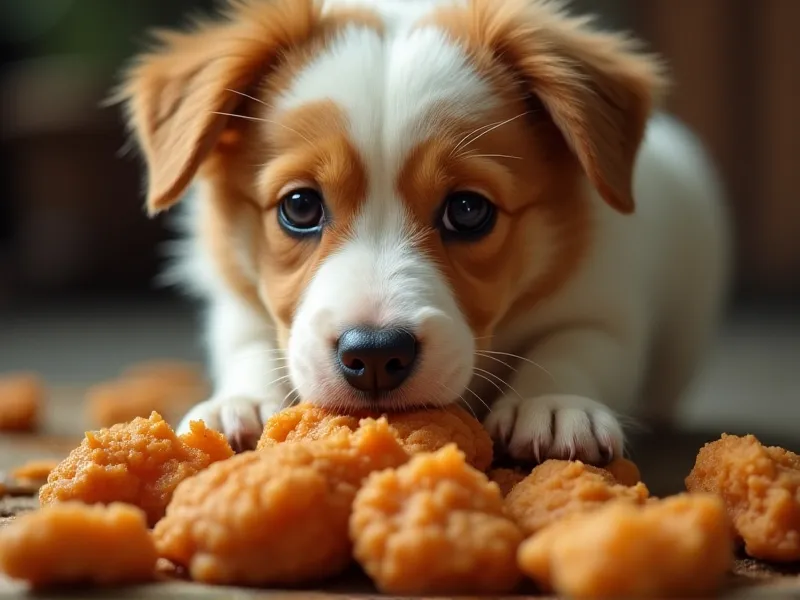
Table of Contents
- Can Dogs Eat Chicken Giblets? The Short Answer
- What Are Chicken Giblets, Exactly?
- Nutritional Benefits of Chicken Giblets for Dogs
- Potential Risks of Feeding Chicken Giblets to Dogs
- How Much Chicken Giblets Can Dogs Safely Eat?
- Healthier Alternatives to Chicken Giblets (If Needed)
- FAQ: Your Questions Answered
- Conclusion: Moderation is Key
- References
Can Dogs Eat Chicken Giblets? The Short Answer
Yes, dogs can eat chicken giblets—in moderation. When cooked plain (no salt, spices, or additives) and served in small amounts, giblets like the liver, heart, and gizzard can be a nutritious, protein-rich treat for most dogs. However, there are caveats: overfeeding, raw preparation, or seasoned giblets can pose risks. Let’s unpack the details.
What Are Chicken Giblets, Exactly?
First, let’s clarify: “Giblets” refer to the edible internal organs and parts of a chicken, typically found packaged inside the bird’s cavity. The most common giblets include:
- Liver: A soft, dark-red organ rich in vitamins and minerals.
- Heart: A lean, muscular organ (technically a muscle, not an organ, but often grouped with giblets).
- Gizzard: A tough, muscular part of the digestive tract (think: nature’s “food processor” for chickens).
- Kidneys (less common in store-bought packs): Small, bean-shaped organs.
Note: Some giblet packs may include the chicken neck, but we’ll focus on liver, heart, and gizzard here—necks often contain small bones, which can be a choking hazard or cause intestinal blockages, so they’re best avoided.
Nutritional Benefits of Chicken Giblets for Dogs
Giblets are more than just scraps—they’re nutrient powerhouses. Here’s why they might make a healthy addition to your dog’s diet (in moderation):
1. Protein: The Building Block of Health
Giblets are loaded with high-quality protein. The heart and gizzard, in particular, are lean sources of muscle meat, providing essential amino acids that support muscle growth, repair, and overall energy. Protein is vital for dogs of all ages, from playful puppies to senior pups maintaining muscle mass.
2. Vitamins: A Boost for Immunity & Vision
- Vitamin A: Liver is exceptionally rich in vitamin A (retinol), which supports eye health, skin integrity, and immune function. Just a small amount can meet your dog’s daily needs!
- B Vitamins: Giblets (especially liver) are packed with B vitamins like B12, folate, and riboflavin. These support brain function, energy metabolism, and red blood cell production.
- Vitamin K: Found in small amounts, vitamin K helps with blood clotting—a critical bodily function.
3. Minerals: For Strong Bones & More
- Iron: Liver is a top source of heme iron (the most absorbable form), which prevents anemia and keeps red blood cells healthy.
- Zinc: Supports skin health, immune function, and wound healing.
- Potassium: An electrolyte that helps regulate heart rate, muscle function, and fluid balance (found in heart and liver).
- Selenium: A powerful antioxidant that protects cells from damage.
4. Taurine: A Heart-Healthy Amino Acid
Chicken heart is a fantastic source of taurine, an amino acid essential for dogs. Taurine supports heart function, vision, and brain health—especially important for breeds prone to taurine deficiency (e.g., Cocker Spaniels, Golden Retrievers).
5. Fiber (From Gizzards)
The gizzard is tough and fibrous, which can act as a natural “toothbrush” for dogs, helping clean teeth and support digestion. The fiber here is gentle and can aid in regular bowel movements.
Potential Risks of Feeding Chicken Giblets to Dogs
While giblets offer benefits, they’re not without risks—especially if fed improperly or in excess. Here’s what to watch for:
1. Vitamin A Toxicity (From Too Much Liver)
Liver is incredibly high in vitamin A. While vitamin A is essential, overconsumption can lead to toxicity, known as hypervitaminosis A. Symptoms include:
- Joint pain or stiffness
- Decreased appetite
- Vomiting or diarrhea
- Weight loss
- Bone abnormalities (in severe cases)
Dogs with pre-existing conditions like arthritis may be more sensitive. Key takeaway: Liver should be fed sparingly—think “occasional treat,” not daily fare.
2. Fat Content: A Risk for Pancreatitis
While heart and gizzard are lean, some giblet mixes (or poorly trimmed giblets) may contain fat. High-fat foods can trigger pancreatitis in dogs—an inflammation of the pancreas that causes severe abdominal pain, vomiting, and diarrhea. Small dogs, overweight dogs, and breeds prone to pancreatitis (e.g., Miniature Schnauzers) are most at risk.
3. Choking Hazards
Gizzards are tough and chewy. For small dogs or dogs who gulp food, large chunks of gizzard could pose a choking risk. Always chop giblets into bite-sized pieces, especially for toy breeds.
4. Raw Giblets: Bacterial Risks
Feeding raw giblets (or any raw meat) increases the risk of bacterial contamination, like Salmonella or E. coli. These bacteria can sicken your dog and your family (via cross-contamination). The FDA and veterinarians generally recommend cooking meat to 165°F (74°C) to kill pathogens.
5. Seasonings & Additives: Hidden Dangers
Giblets cooked with garlic, onions, salt, pepper, or other spices are toxic to dogs. Onions and garlic contain thiosulfate, which damages red blood cells, while excess salt can cause sodium ion poisoning (symptoms: vomiting, diarrhea, seizures). Always feed plain, unseasoned giblets.
6. Stomach Upset from New Foods
If your dog isn’t used to giblets, introducing them suddenly can cause diarrhea or vomiting. Start with a tiny portion and monitor for 24 hours before offering more.
How Much Chicken Giblets Can Dogs Safely Eat?
The golden rule: Treats (including giblets) should make up no more than 10% of your dog’s daily calories. Exceeding this can unbalance their diet and lead to weight gain or nutrient imbalances.
Here’s a rough guideline based on your dog’s size (cooked, plain giblets):
- Small dogs (under 20 lbs): 1–2 teaspoons per day (e.g., a tiny piece of liver or heart).
- Medium dogs (20–50 lbs): 1–2 tablespoons per day (mix of heart, gizzard, and a tiny sliver of liver).
- Large dogs (50+ lbs): 2–3 tablespoons per day (again, limit liver to a small portion).
Pro tip: Liver is so nutrient-dense that even a little goes a long way. For example, a 50-lb dog only needs ~500 IU of vitamin A daily—one teaspoon of chicken liver can provide over 10,000 IU! Stick to liver once or twice a week at most.
Healthier Alternatives to Chicken Giblets (If Needed)
If your dog has a sensitivity to giblets, or you’d prefer lower-risk treats, these alternatives are just as tasty and nutritious:
1. Plain, Cooked Chicken Breast
Lean, low-fat, and high in protein—no risk of vitamin A overload. Great for dogs with pancreatitis or sensitive stomachs.
2. Turkey (Dark Meat)
Similar to chicken giblets but lower in vitamin A. Turkey heart is also a good taurine source.
3. Green Beans or Carrots
Crunchy, low-calorie, and high in fiber. Perfect for weight management or as a snack between meals.
4. Sweet Potato
Cooked, plain sweet potato offers vitamins A and C, fiber, and antioxidants—gentle on tummies.
5. Pumpkin (Plain, Canned)
Rich in fiber and beta-carotene (a safe precursor to vitamin A). Helps with digestion!
FAQ: Your Questions Answered
Q: Can dogs eat raw chicken giblets?
A: It’s not recommended. Raw giblets may contain harmful bacteria like Salmonella, which can sicken your dog and your family. Cook giblets thoroughly to 165°F (74°C) to kill pathogens.
Q: Can puppies eat chicken giblets?
A: Yes, but in tiny amounts. Puppies have sensitive tummies, so start with a pea-sized piece of cooked, mashed giblet. Avoid liver until they’re older (due to vitamin A).
Q: Are chicken giblets good for dogs with sensitive stomachs?
A: It depends. Some dogs tolerate giblets well, but others may get diarrhea. Introduce slowly, and if issues persist, try a leaner option like chicken breast.
Q: Can dogs eat giblets from other animals (e.g., turkey, duck)?
A: Turkey giblets are safe (follow the same guidelines as chicken), but duck giblets are higher in fat—proceed with caution. Avoid giblets from wild game (e.g., goose) unless sourced from a trusted, parasite-free supplier.
Q: Is giblet gravy safe for dogs?
A: No—gravy often contains onions, garlic, salt, or fat. Even “plain” gravy can be high in sodium, which is harmful. Stick to dry giblets instead.
Conclusion: Moderation is Key
So, can dogs eat chicken giblets? Absolutely—when fed plain, cooked, and in small amounts, they’re a nutrient-dense treat that most dogs love. The liver, heart, and gizzard offer protein, vitamins, and minerals that support your pup’s health, but overdoing it (especially with liver) can lead to issues like vitamin A toxicity or pancreatitis.
As with any new food, start small, monitor your dog for reactions, and when in doubt, check with your vet—especially if your dog has health conditions like pancreatitis, kidney disease, or food allergies.
At the end of the day, giblets are a fun way to share a little “human food” with your pup, but they shouldn’t replace a balanced dog food diet. With a little common sense and moderation, you and your four-legged friend can enjoy those leftover giblets guilt-free!
References
- American Kennel Club (AKC). “Can Dogs Eat Chicken Liver?” akc.org
- PetMD. “Liver Toxicity in Dogs.” petmd.com
- ASPCA. “People Foods to Avoid Feeding Your Pets.” aspca.org
- Cummings School of Veterinary Medicine at Tufts University. “Taurine Deficiency in Dogs.” tuftscvm.org
- FDA. “Raw Pet Food: A Risk to You and Your Pet.” fda.gov