· 8 min read
Can Dogs Eat Chicken Food? What Pet Parents Need to Know
You’re mid-bite into a crispy chicken sandwich, and suddenly, you feel a wet nose nuzzling your hand. Looking down, you meet your dog’s eyes—wide, hopeful, and very focused on your meal. “Just a little taste?” they seem to beg. If you’re a dog parent, this scenario is all too familiar. Chicken is a staple in many human diets, so it’s natural to wonder if sharing is safe. But before you toss them a bite, let’s get the facts straight: Can dogs eat chicken food?
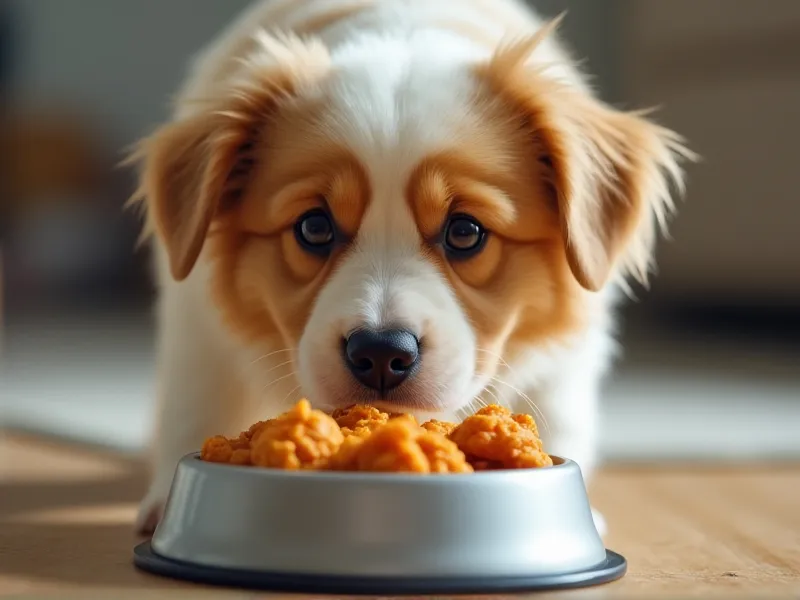
Table of Contents
- Can Dogs Eat Chicken? The Short Answer
- The Benefits of Chicken for Dogs
- Potential Risks to Watch For
- How Much Chicken Can Dogs Safely Eat?
- Healthier Alternatives to Processed Chicken “Food”
- FAQ: Your Chicken Questions Answered
- Conclusion: Moderation is Key
- References
Can Dogs Eat Chicken? The Short Answer
Yes—plain, cooked chicken is generally safe and even beneficial for dogs. In fact, chicken is a common ingredient in high-quality dog foods because it’s a lean, protein-rich source of nutrition. However, the keyword here is plain and cooked. Processed chicken products (like nuggets, deli meat, or breaded tenders), seasoned chicken, or raw chicken can pose serious risks to your pup.
Think of it this way: Your dog’s digestive system is built to handle certain foods, but it’s not a garbage disposal. Let’s break down why chicken can be a great treat (when prepared right) and when it’s better to say “no.”
The Benefits of Chicken for Dogs
Chicken isn’t just a tasty snack for your dog—it’s packed with nutrients that support their overall health. Here’s why it might be a smart addition to their diet (in moderation, of course):
1. High-Quality Protein for Muscle & Tissue Health
Protein is the building block of life, and chicken delivers it in spades. Cooked chicken breast is lean (about 31 grams of protein per 100 grams) and easy for dogs to digest, making it ideal for supporting muscle growth, repair, and maintenance. This is especially important for active dogs, puppies, or senior dogs who need to preserve muscle mass.
2. Essential Vitamins & Minerals
Chicken is rich in B vitamins (like B6 and niacin), which help convert food into energy and support brain function. It also contains phosphorus (critical for strong bones and teeth), selenium (an antioxidant that boosts immune health), and potassium—a mineral that regulates heart rhythm and muscle function.
3. Gentle on Sensitive Stomachs
If your dog has a sensitive digestive system or is recovering from an illness, plain boiled chicken and rice is a classic “bland diet” recommended by vets. It’s easy to digest, low in fat, and less likely to irritate their gut than rich or processed foods.
4. A Tasty Training Tool
Let’s be real: Dogs love chicken. Its savory flavor makes it a perfect high-value treat for training. Whether you’re teaching “sit” or “stay,” a small piece of cooked chicken can motivate even the most stubborn pup. Just remember: Treats should make up no more than 10% of their daily calories!
Potential Risks to Watch For
While plain, cooked chicken is safe, not all “chicken food” is created equal. Here are the biggest risks to avoid:
1. Chicken Bones: A Choking Hazard
This is non-negotiable: Never feed your dog chicken bones—cooked or raw. Cooked bones are especially dangerous because they become brittle and can splinter into sharp shards. These shards can lodge in your dog’s throat (causing choking), tear their esophagus, or block their intestines—all of which require emergency vet care. Even raw bones pose a risk of splintering or causing blockages, despite myths that “raw bones are safe.”
2. Seasonings & Additives
That garlic butter or BBQ sauce on your chicken? Toxic to dogs. Onions, garlic, salt, pepper, and spices like paprika can irritate their stomachs or, in large amounts, cause anemia (onion/garlic) or sodium poisoning (excess salt). Avoid sharing seasoned, marinated, or breaded chicken—stick to plain cooked meat.
3. Raw Chicken: Bacterial Risks
Raw chicken may contain harmful bacteria like Salmonella or Campylobacter, which can make both you and your dog sick. Dogs have stronger stomach acid than humans, but they’re not immune to foodborne illness. Symptoms include vomiting, diarrhea, fever, or lethargy. If you feed a raw diet, consult your vet first to ensure it’s balanced and safe.
4. Processed Chicken Products
Chicken nuggets, deli meat, chicken fries, or canned chicken (with added salt) are loaded with sodium, preservatives, sugar, and unhealthy fats. For example, a single chicken nugget can contain 300+ mg of sodium—way more than a small dog needs in a day (the recommended sodium intake for dogs is about 100 mg per 10 lbs of body weight). Over time, high-sodium foods can lead to hypertension (high blood pressure) or kidney damage.
5. Chicken Skin: High Fat = Pancreatitis Risk
Chicken skin is tasty, but it’s also high in fat. Feeding too much fat can trigger pancreatitis—a painful inflammation of the pancreas. Symptoms include vomiting, diarrhea, abdominal pain, and loss of appetite. Pancreatitis can be life-threatening, so it’s best to trim the skin before sharing chicken with your dog.
How Much Chicken Can Dogs Safely Eat?
The golden rule: Chicken should be a treat, not a meal replacement. As a general guideline, treats (including chicken) should make up no more than 10% of your dog’s daily calorie intake. The exact amount depends on their size, age, and activity level.
Here’s a rough estimate to help you:
- Small dogs (under 20 lbs): 1–2 ounces of cooked chicken per day (about the size of a ping-pong ball).
- Medium dogs (20–50 lbs): 2–4 ounces (about the size of a golf ball).
- Large dogs (50+ lbs): 4–6 ounces (about the size of a tennis ball).
Pro tip: If you’re unsure, check with your vet. They can help you calculate your dog’s daily calorie needs and adjust treat portions accordingly. For example, a senior dog with kidney issues may need less protein, while a working dog (like a border collie) can handle more.
Healthier Alternatives to Processed Chicken “Food”
If you want to share chicken with your dog, skip the fast-food nuggets or deli meat. Opt for these safer, more nutritious options instead:
1. Plain Cooked Chicken Breast
The gold standard! Boil, bake, or grill chicken breast (no oil, salt, or seasoning) and dice it into small pieces. Serve as a treat or mix into their regular kibble for extra flavor.
2. Deboned, Skinless Chicken Thighs
Thighs are slightly higher in fat than breasts, but still safe in moderation. Remove the skin and bones, then cook thoroughly.
3. Homemade Chicken Jerky
For a long-lasting treat, slice chicken breast into thin strips, bake at 200°F for 2–3 hours until dry, and store in an airtight container. No additives, just pure chicken!
4. Canned Chicken (Unsalted)
Look for canned chicken labeled “no salt added” and packed in water (not oil). Drain well and serve in small amounts—great for adding moisture to dry kibble.
5. Rotisserie Chicken (Plain, No Seasoning)
Some grocery stores sell plain rotisserie chicken (no garlic, onion, or spices). Remove the skin and bones, and you’ve got a quick, dog-friendly snack.
FAQ: Your Chicken Questions Answered
Q: Can dogs eat raw chicken?
A: It’s not recommended. Raw chicken may contain harmful bacteria like Salmonella, which can cause illness in dogs and humans. If you’re considering a raw diet, work with a vet to ensure it’s balanced and safe.
Q: What if my dog accidentally ate a chicken bone?
A: Stay calm, but monitor them closely. Signs of trouble include choking, gagging, vomiting, diarrhea, lethargy, or refusal to eat. If you notice any of these, contact your vet immediately—don’t wait for symptoms to worsen.
Q: Is chicken broth safe for dogs?
A: Yes, but only if it’s low-sodium and free of onions/garlic. A splash of plain chicken broth can make dry kibble more appealing, especially for picky eaters or senior dogs.
Q: Can dogs eat chicken liver?
A: In small amounts, yes! Chicken liver is rich in iron and vitamins, but it’s also high in vitamin A. Too much can cause vitamin A toxicity, so limit it to 1–2 small pieces per week.
Q: Are chicken feet safe for dogs?
A: Cooked, dried chicken feet (from a reputable source) can be a chewy treat, but they’re high in fat and may splinter. Avoid if your dog is a aggressive chewer or prone to pancreatitis.
Conclusion: Moderation is Key
So, can dogs eat chicken food? The answer is a resounding “yes”—as long as it’s plain, cooked, and served in moderation. Chicken is a nutrient-dense treat that can support your dog’s health, but processed, seasoned, or bone-in chicken poses risks.
Remember: Every dog is different. If your dog has allergies, diabetes, or kidney issues, consult your vet before adding chicken to their diet. And when in doubt, stick to their regular dog food—formulated to meet all their nutritional needs.
At the end of the day, sharing a small piece of your plain cooked chicken with your pup is a sweet way to bond. Just keep those puppy eyes in check… they’re hard to resist!
References
- American Society for the Prevention of Cruelty to Animals (ASPCA). “People Foods to Avoid Feeding Your Pets.” aspca.org/pet-care/animal-poison-control/people-foods-avoid-feeding-your-pets
- American Kennel Club (AKC). “Can Dogs Eat Chicken?” akc.org/expert-advice/nutrition/can-dogs-eat-chicken/
- Tufts University Cummings School of Veterinary Medicine. “Feeding Your Dog: Commercial vs. Homemade Diets.” tuftscvm.org/for-pet-owners/nutrition/feeding-your-dog
- Veterinary Centers of America (VCA). “Salmonellosis in Dogs.” vca.com/vet-perks/salmonellosis-in-dogs