· 8 min read
Can Dogs Eat Chicken Feed? What Pet Parents Need to Know
“Drop it!” you shout, sprinting across the yard. There, in your golden retriever’s jaws, is a half-chewed scoop of chicken feed—your flock’s breakfast, now your dog’s unexpected snack. If you’re a backyard chicken keeper and dog parent, this scenario might feel all too familiar. Chicken feed is designed for birds, but that doesn’t stop our curious pups from sneaking a taste. But is it safe? Can dogs eat chicken feed, or is it a hidden hazard?
In this guide, we’ll break down the facts: what’s in chicken feed, the potential pros and cons, how much (if any) is safe, and healthier alternatives to keep your dog happy and healthy. Let’s dive in.
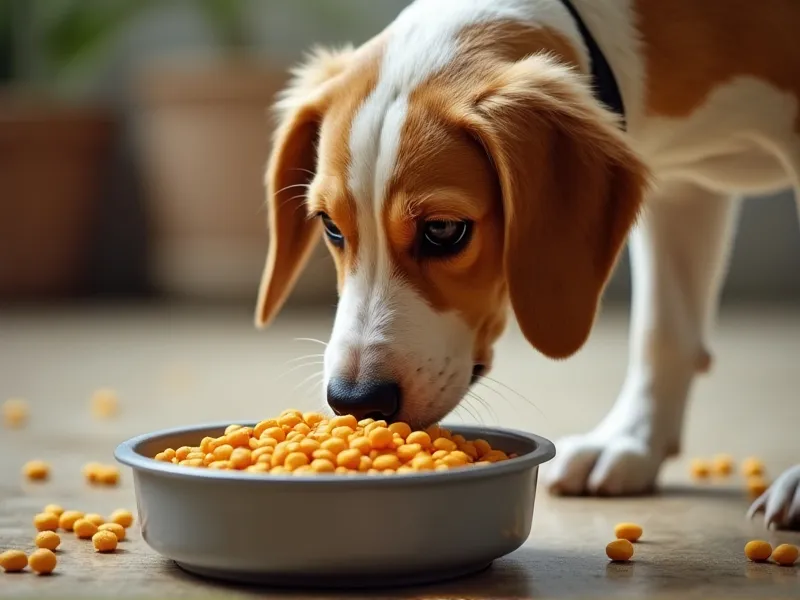
Table of Contents
- Can Dogs Eat Chicken Feed? The Short Answer
- What’s in Chicken Feed, Anyway?
- Potential Benefits of Chicken Feed for Dogs
- Risks of Feeding Chicken Feed to Dogs
- How Much Chicken Feed Is Safe for Dogs?
- Healthier Alternatives to Chicken Feed
- FAQ: Your Chicken Feed Questions Answered
- Conclusion: Prioritize Your Dog’s Safety
Can Dogs Eat Chicken Feed? The Short Answer
No, dogs should not eat chicken feed regularly—but small, accidental amounts are rarely toxic.
Chicken feed is formulated to meet the nutritional needs of chickens, not dogs. While it may contain some nutrients your dog needs (like protein or fiber), it also carries risks, including stomach upset, choking hazards, and even toxicity (especially medicated feed). Think of it like human junk food: not immediately deadly, but definitely not something to add to their diet.
What’s in Chicken Feed, Anyway?
To understand if chicken feed is safe for dogs, let’s start with the ingredients. Most commercial chicken feed includes a mix of:
- Grains: Corn, wheat, barley, or oats (for energy).
- Protein sources: Soybean meal, fish meal, or dried insects (to support egg-laying or growth).
- Vitamins/minerals: Calcium (oyster shells), phosphorus, vitamin A, and B vitamins (critical for bird health).
- Additives: Molasses (for sweetness and palatability), probiotics, or medications (in “medicated” feed for chicks or sick flocks).
The exact recipe varies by brand and type (e.g., starter feed for chicks, layer feed for hens, or “all-flock” feed). Some organic or specialty feeds may also include herbs, garlic, or flaxseed.
While these ingredients aren’t inherently toxic to dogs, they’re balanced for birds, not mammals. Dogs have different nutritional needs—for example, chickens require more calcium for eggshells, while dogs need specific ratios of protein, fat, and amino acids (like taurine) to thrive.
Potential Benefits of Chicken Feed for Dogs
Let’s start with the positives: In small doses, chicken feed might offer a few nutritional perks. But before you start serving it as a treat, remember: these benefits are far better obtained from dog-safe foods.
1. Protein
Chicken feed often includes protein-rich ingredients like soybean meal, fish meal, or even dried mealworms. Protein is essential for dogs (it supports muscle growth, immune function, and healthy skin/coat). However, dogs need animal-based proteins (like chicken, beef, or fish) to get all the amino acids they require. Plant-based proteins (like soy) are less bioavailable for dogs, meaning their bodies can’t use them as efficiently.
2. Fiber
Grains like wheat, oats, and barley add fiber to chicken feed. Fiber helps regulate digestion in dogs, but most commercial dog foods already include fiber (from sources like sweet potatoes or pumpkin). Too much fiber from chicken feed can actually backfire (more on that later!).
3. Potassium
Some chicken feeds include potassium-rich ingredients like alfalfa or kelp. Potassium is vital for heart health, muscle function, and electrolyte balance in dogs. But again, dogs get plenty of potassium from their regular diet (bananas, spinach, and white potatoes are great natural sources).
Risks of Feeding Chicken Feed to Dogs
Now, the downsides. While small amounts of chicken feed are unlikely to send your dog to the ER, regular or large servings can pose serious risks. Here’s what to watch for:
1. Sugar Overload from Molasses
Many chicken feeds (especially layer feed) include molasses to make it more palatable for birds. Molasses is a sugar byproduct, and too much sugar is bad news for dogs:
- Obesity: Extra sugar turns to fat, increasing the risk of diabetes and joint issues.
- Dental decay: Sugar feeds harmful bacteria in your dog’s mouth, leading to cavities and gum disease.
- Energy spikes and crashes: Just like kids, dogs can get hyper from sugar, followed by a grumpy slump.
2. Stomach Upset and Digestive Issues
Chicken feed is high in grains and fiber—ingredients that can upset a dog’s sensitive stomach. Signs of trouble include:
- Vomiting or diarrhea (especially if your dog eats a large amount).
- Gas or bloating (from undigested grains).
- Pancreatitis risk: Some feeds contain added fats (like sunflower oil) to boost calories for birds. Fatty foods can trigger pancreatitis in dogs, a painful and potentially life-threatening condition.
3. Choking or Intestinal Blockages
Chicken feed comes in pellets, crumbles, or mash. Pellets are hard and round—perfect for chickens, but a choking hazard for small dogs or dogs who gulp their food. If a pellet gets stuck in your dog’s throat, it could block their airway. Even if they swallow it whole, large pellets might lodge in the intestines, causing a blockage (a medical emergency requiring surgery).
4. Toxic Ingredients in Medicated Feed
Medicated chicken feed is the biggest risk. Many feeds for chicks or sick flocks contain drugs like:
- Ionophores (e.g., monensin): Used to prevent coccidiosis (a parasitic infection in chickens). These drugs are highly toxic to dogs—even small amounts can cause muscle damage, heart failure, or death.
- Antibiotics: Low-dose antibiotics in feed (to promote growth) can disrupt your dog’s gut microbiome, leading to diarrhea or antibiotic resistance over time.
The ASPCA warns that ionophores like monensin are “extremely toxic to dogs,” with symptoms including weakness, tremors, and vomiting within hours of ingestion. If your dog eats medicated feed, contact your vet immediately.
How Much Chicken Feed Is Safe for Dogs?
The short answer: Almost none. Chicken feed isn’t designed for dogs, so there’s no “safe” serving size. However, if your dog sneaks a few pellets (think: less than a tablespoon), they’ll likely be fine. Monitor them for 24 hours for signs of stomach upset (vomiting, diarrhea) or choking.
If they eat more than that—say, a whole cup—call your vet. This is especially critical if the feed is medicated, or if your dog is small, elderly, or has health issues (like pancreatitis or diabetes).
Healthier Alternatives to Chicken Feed
Instead of letting your dog snack on chicken feed, try these dog-safe options that offer better nutrition and fewer risks:
1. Cooked Chicken
Skip the feed and go straight to the source! Cooked, boneless chicken is a lean protein that dogs love. It’s rich in amino acids, iron, and B vitamins—perfect for training treats or meal toppers.
2. Fresh Veggies
Carrots, green beans, or cucumber slices are low-calorie, high-fiber snacks that satisfy crunch cravings. Plus, they’re packed with vitamins (like vitamin A in carrots) to support your dog’s immune system.
3. Plain Cooked Grains
If your dog likes the “grainy” texture of chicken feed, try cooked brown rice or quinoa. These are easy to digest and add fiber to their diet (just avoid seasoning!).
4. Commercial Dog Treats
Look for treats with simple, whole-food ingredients (e.g., “chicken and sweet potato” instead of a long list of chemicals). Brands like Blue Buffalo or Zuke’s make great options for training or snack time.
5. Pumpkin
Canned pumpkin (not pie filling!) is a fiber superstar. It soothes upset stomachs and helps with both diarrhea and constipation. Serve 1–2 tablespoons (depending on your dog’s size) as a treat.
FAQ: Your Chicken Feed Questions Answered
Q: My dog ate medicated chicken feed. What should I do?
A: Call your vet or an emergency animal clinic right away. Medicated feeds may contain ionophores (like monensin) or antibiotics that are toxic to dogs. Symptoms can appear within hours, so don’t wait to see if they “feel better.”
Q: Is organic chicken feed safer for dogs?
A: Not necessarily. Organic feed may skip synthetic pesticides or antibiotics, but it still contains molasses, grains, and pellets that can cause stomach upset or choking. It’s still not a dog-safe food.
Q: Can puppies eat chicken feed?
A: Puppies have smaller stomachs and developing immune systems, so chicken feed is even riskier for them. A few pellets might cause diarrhea, while medicated feed could be life-threatening. Stick to puppy-formulated food and treats.
Q: My dog keeps stealing chicken feed. How do I stop them?
A: Store chicken feed in a sealed, dog-proof container (like a metal bin with a locking lid). Feed your chickens in a secure coop or run, and keep your dog supervised when they’re in the yard. If they’re food-driven, try redirecting with a dog toy or treat when they approach the feed.
Conclusion: Prioritize Your Dog’s Safety
At the end of the day, chicken feed is for chickens—not dogs. While a stray pellet or two is unlikely to harm your pup, regular snacks or large amounts can lead to stomach issues, choking, or even toxicity (especially with medicated feed).
When in doubt, stick to foods designed for dogs: high-quality kibble, lean proteins, and fresh veggies. And if your dog does sneak a big helping of chicken feed? Don’t panic—but do call your vet to be safe.
Your dog’s health is worth the extra effort. After all, they’d do the same for you (even if that means stealing your chicken feed).
References
- American Society for the Prevention of Cruelty to Animals (ASPCA). “Toxic and Non-Toxic Plants.” aspca.org
- PetMD. “Ionophore Toxicity in Dogs.” petmd.com
- Veterinary Centers of America (VCA). “Pancreatitis in Dogs.” vcaanimalhospitals.com
- The Merck Veterinary Manual. “Nutritional Requirements of Dogs.” merckvetmanual.com