· 8 min read
Can Dogs Eat Chicken Curry? What Pet Parents Need to Know
Picture this: It’s a cozy weeknight, and you’re savoring a warm bowl of chicken curry—aromatic, spicy, and full of flavor. Your furry sidekick plops down beside you, those big, soulful eyes locked on your spoon. “Just a tiny bite won’t hurt, right?” you think. After all, chicken is a staple in many dog foods, so how bad could a little curry be?
If you’ve ever asked yourself, “Can dogs eat chicken curry?” you’re not alone. Many pet parents want to share their favorite foods with their pups, but it’s crucial to separate fact from fiction when it comes to their health. In this guide, we’ll break down whether chicken curry is safe for dogs, the potential benefits and risks, and healthier alternatives to satisfy their begging (without the worry).
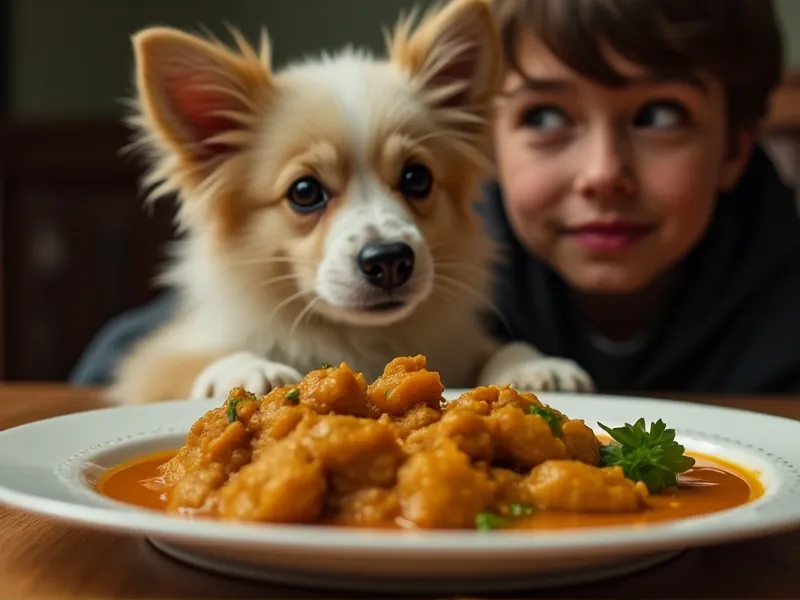
Table of Contents
- Can Dogs Eat Chicken Curry? The Short Answer
- Potential Benefits of Chicken Curry (Yes, There Are a Few!)
- The Risks: Why Most Chicken Curry Isn’t Safe for Dogs
- Guidelines: If You Must Share, Here’s How
- Healthier Alternatives to Chicken Curry
- FAQ: Your Chicken Curry Questions Answered
- Conclusion: Prioritize Your Pup’s Health
Can Dogs Eat Chicken Curry? The Short Answer
No, most chicken curry is not safe for dogs—but the answer isn’t entirely black and white. It depends on the ingredients.
Chicken itself is a fantastic source of protein for dogs, and some mild, dog-friendly veggies (like carrots or spinach) in curry can offer nutrients. However, the spices, additives, and common ingredients in most curries (think onions, garlic, chili peppers, salt, and sugar) are dangerous or unhealthy for dogs.
In short: A plain, homemade “curry” with cooked chicken, a splash of water, and a few dog-safe veggies might be okay as an occasional tiny treat. But store-bought, restaurant, or heavily spiced curries? Skip them. Your dog’s stomach (and health) will thank you.
Potential Benefits of Chicken Curry (Yes, There Are a Few!)
Before we dive into the risks, let’s acknowledge why you might be tempted to share curry with your pup. When stripped of harmful ingredients, some components of chicken curry can offer mild benefits:
1. Protein from Chicken
Chicken is a lean, high-quality protein that supports muscle growth, immune function, and healthy skin/coat in dogs. It’s a common ingredient in commercial dog foods for a reason! Cooked, boneless chicken is gentle on most dogs’ stomachs, making it a go-to for sick pups or as a treat.
2. Fiber from Veggies
Many curries include veggies like spinach, carrots, bell peppers, or cauliflower. These are packed with fiber, which aids digestion and keeps your dog’s gut healthy. Carrots, for example, are low in calories and high in beta-carotene (which converts to vitamin A, supporting eye health).
3. Potassium and Vitamins
Veggies like sweet potatoes (sometimes in curries) or green beans are rich in potassium, an electrolyte that helps regulate heart function and muscle health. Bell peppers add vitamin C, which boosts immunity, while spinach offers iron and antioxidants.
But here’s the catch: These benefits only apply if the veggies are steamed or boiled, not cooked in oil, spices, or sauces. Most curries smother veggies in harmful additives, so the pros are usually overshadowed by the cons.
The Risks: Why Most Chicken Curry Isn’t Safe for Dogs
Now, let’s get real: The average chicken curry is a minefield of ingredients that can harm your dog. Here’s what to watch out for:
1. Onions and Garlic: Toxic to Dogs
Onions, garlic, leeks, and chives (all part of the Allium family) are the biggest red flag. They contain compounds that damage a dog’s red blood cells, leading to hemolytic anemia—a condition where the body can’t carry oxygen properly. Symptoms include weakness, lethargy, pale gums, and even organ failure.
Unfortunately, these ingredients are ubiquitous in curries, from store-bought pastes to homemade recipes. Even small amounts (like a spoonful of onion-infused curry sauce) can be toxic to small dogs.
2. Chili Peppers and Spices
Curry gets its heat from chili peppers, cayenne, or paprika. Spicy foods irritate a dog’s digestive tract, causing burning sensations, vomiting, diarrhea, or abdominal pain. Some dogs may even paw at their mouths or experience excessive drooling.
Turmeric (a common curry spice) is generally safe in small amounts (it has anti-inflammatory properties), but curries often contain large doses, which can cause stomach upset. Plus, turmeric is rarely the only spice—most curries mix it with onion or garlic powder.
3. Salt and Sodium
Curries are often high in salt, whether from soy sauce, broth, or added salt. Dogs need very little sodium (about 0.25 grams per 100 calories of food), and excess salt can lead to sodium ion poisoning. Symptoms include extreme thirst, urination, vomiting, diarrhea, seizures, or even death in severe cases.
4. Sugar and Sweeteners
Many curries (especially Thai or Indian varieties) include sugar, honey, or sweetened coconut milk to balance spice. Sugar contributes to obesity, dental decay, and even diabetes in dogs. Artificial sweeteners like xylitol (rare in curries, but possible) are extremely toxic and can cause liver failure.
5. Dairy (Coconut Milk, Cream, Yogurt)
Coconut milk is a staple in some curries (e.g., Thai coconut curry). While small amounts of coconut milk are generally safe for dogs (and even offer healthy fats), large portions can lead to diarrhea or upset stomach, especially in lactose-intolerant dogs. Heavy cream or yogurt in curries adds excess fat, which raises the risk of pancreatitis—a painful, potentially life-threatening inflammation of the pancreas.
6. Bones and Fat
If the curry includes chicken bones (even small ones), they’re a choking hazard and can splinter, tearing your dog’s throat or intestines. Additionally, fatty curry sauces or fried chicken pieces can trigger pancreatitis, as dogs’ bodies struggle to digest high-fat foods.
Guidelines: If You Must Share, Here’s How
We strongly recommend avoiding chicken curry for dogs. But if you’re set on sharing a tiny bite (and the curry is homemade with no harmful ingredients), follow these rules:
1. Check the Ingredients First
No onions, garlic, chili, salt, sugar, or dairy. The curry should be:
- Cooked chicken (boneless, skinless, no fat)
- Steamed veggies (carrots, spinach, cauliflower—no spices)
- A splash of water or low-sodium broth (no salt)
2. Stick to a Tiny Portion
Think: A bite-sized piece of chicken and a flake of veggies. For a 50-pound dog, that’s about the size of a dime. For a Chihuahua? Even smaller. Curry should never replace a meal—treat it like a rare, occasional snack.
3. Monitor for Reactions
After sharing, watch for signs of trouble: vomiting, diarrhea, lethargy, drooling, or loss of appetite. If you see any of these, contact your vet immediately.
4. Avoid It Altogether for Puppies, Seniors, or Sick Dogs
Puppies have sensitive stomachs, seniors may have underlying health issues, and dogs with diabetes, kidney disease, or pancreatitis should never have curry. When in doubt, skip it.
Healthier Alternatives to Chicken Curry
Instead of risking curry, try these safe, delicious treats that let you share the love (without the worry):
1. Plain Cooked Chicken
Boil or bake boneless, skinless chicken breast, then chop it into small pieces. Serve plain or mix with a spoonful of plain rice for a gentle, protein-packed snack.
2. Steamed Veggie Medley
Steam carrots, green beans, or sweet potato (no salt or butter) and offer a few pieces. These are low-calorie, high-fiber, and perfect for crunchy chewers.
3. Dog-Friendly “Curry” (Yes, It’s a Thing!)
Make your own dog-safe version: Simmer cooked chicken, a handful of chopped carrots/spinach, and a splash of low-sodium chicken broth in a pan. No spices, oil, or salt—just warm, savory goodness. Let it cool, then serve a tiny spoonful as a special treat.
4. Frozen Chicken Broth Cubes
Freeze low-sodium chicken broth in ice cube trays for a refreshing summer treat. Add a tiny piece of chicken or carrot for extra flair.
FAQ: Your Chicken Curry Questions Answered
Q: My dog stole a bite of my chicken curry! Should I panic?
A: Stay calm, but monitor them closely. If the curry had onions/garlic, call your vet immediately—even a small amount can be toxic. If it was mild (no onions/garlic, low spice), watch for vomiting/diarrhea. Most dogs will be okay, but better safe than sorry.
Q: Can dogs have curry powder?
A: No. Curry powder typically contains onion powder, garlic powder, or chili, all of which are harmful. Even “mild” curry powder is risky.
Q: What about coconut curry? Is coconut milk safe?
A: Coconut milk is safe in very small amounts (e.g., a teaspoon for a large dog), but most coconut curries include spices, sugar, or salt. Stick to plain coconut milk (no additives) if you want to share a tiny sip, but it’s not necessary for their diet.
Q: Is turmeric in curry safe for dogs?
A: Turmeric itself is safe in small doses (it’s sometimes used in dog supplements for inflammation). But curry turmeric is mixed with other spices, so it’s not worth the risk. If you want to give turmeric, ask your vet for a dog-specific supplement.
Conclusion: Prioritize Your Pup’s Health
Sharing food with your dog is a sweet way to bond, but chicken curry is rarely worth the risk. The spices, onions, garlic, and additives in most curries can cause serious harm, while the benefits are minimal and easily found in safer foods.
When in doubt, stick to plain chicken, veggies, or dog-friendly treats. And if you ever have questions about a new food, consult your vet—they know your dog’s health best.
Your pup loves you unconditionally, whether you share curry or not. Give them a belly rub and a safe treat instead—they’ll be just as happy (and healthier, too!).
Sources:
- American Society for the Prevention of Cruelty to Animals (ASPCA). “People Foods to Avoid Feeding Your Pets.” aspca.org/pet-care/animal-poison-control/people-foods-avoid-feeding-your-pets
- American Kennel Club (AKC). “Can Dogs Eat Chicken? What You Need to Know.” akc.org/expert-advice/nutrition/can-dogs-eat-chicken/
- PetMD. “Onion Poisoning in Dogs.” petmd.com/dog/conditions/toxicity/poisoning-onions-dogs