· 9 min read
Can Dogs Eat Chicken Broth? A Pet Parent’s Guide to Safe, Tasty Treats
It’s a cozy Sunday afternoon, and you’re curled up with a mug of warm chicken broth, savoring its rich, savory aroma. At your feet, your dog sits, tail thumping a steady rhythm, those big, pleading eyes locked on your cup. “Just a little sip?” you wonder. “Is chicken broth safe for dogs?”
If you’ve ever found yourself in this scenario, you’re not alone. Chicken broth is a staple in many homes, prized for its comfort and versatility. But when it comes to sharing human foods with our furry friends, caution is key. Let’s dive into everything you need to know about chicken broth and dogs—from benefits to risks, portion guidelines, and healthier alternatives.
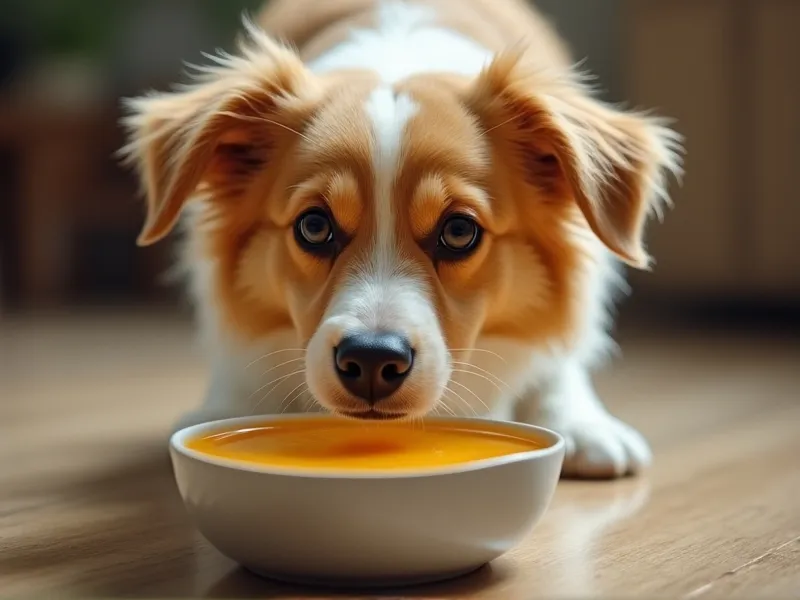
Table of Contents
- Can Dogs Eat Chicken Broth? The Short Answer
- The Surprising Benefits of Chicken Broth for Dogs
- Potential Risks: What to Watch For
- How Much Chicken Broth Is Safe for Dogs?
- Healthier Alternatives to Store-Bought Broth
- FAQ: Your Chicken Broth Questions Answered
- Conclusion: Enjoy Moderation, Consult Your Vet
Can Dogs Eat Chicken Broth? The Short Answer
Yes, dogs can eat chicken broth—but with important caveats. Plain, unsalted, unseasoned chicken broth (free of onions, garlic, or other toxic ingredients) is generally safe and even beneficial for most dogs. However, not all chicken broth is created equal. Many store-bought varieties are loaded with salt, sugar, preservatives, or spices that can harm your pup.
Think of it this way: Chicken broth can be a healthy “supplement” to your dog’s diet, but it’s not a meal replacement. The key is to choose plain broth and avoid anything with added extras. Let’s break down why this matters.
The Surprising Benefits of Chicken Broth for Dogs
When prepared safely, chicken broth offers several perks for your canine companion. Here’s why it might just become a new staple in your pet care routine:
1. Hydration Support for Picky or Sick Dogs
Dogs need plenty of water to stay healthy, but some pups are picky drinkers. Others—like those recovering from illness, surgery, or dental issues—may refuse to drink enough. Warm chicken broth can entice them to lap up fluids, preventing dehydration. Its savory flavor is often more appealing than plain water, making it a lifesaver for dogs who need a little encouragement to stay hydrated.
2. Nutrient Boost (Including Protein and Collagen)
Chicken broth is more than just “flavored water”—it’s packed with nutrients, especially if it’s made from simmered chicken bones, meat, and connective tissue. Here’s what your dog might gain:
- Protein: Chicken broth contains small amounts of protein from the chicken, which supports muscle health and energy.
- Collagen: Simmering bones and cartilage releases collagen, a protein that supports joint health, skin elasticity, and gut lining integrity. This is especially beneficial for senior dogs or those with joint issues like arthritis.
- Electrolytes: Broth naturally contains electrolytes like potassium, sodium, and chloride, which help regulate your dog’s fluid balance and muscle function (more on this later—but balance is key!).
3. Soothing for Upset Stomachs
If your dog has a mild upset stomach (think: occasional diarrhea or nausea), plain chicken broth can be gentler on their gut than regular food. Its warm, liquid consistency is easy to digest, and the nutrients may help calm inflammation. Always check with your vet first, though—severe stomach issues require professional care.
4. A Tasty Topper for Kibble
Let’s face it: Some dogs get bored with plain kibble. Adding a splash of chicken broth can turn a ho-hum meal into something exciting, encouraging picky eaters to finish their food. It’s a simple, low-calorie way to make mealtime more enjoyable—no need for expensive “gravies” or treats!
Potential Risks to Watch For
While chicken broth can be beneficial, it’s not without risks. Many store-bought broths are designed for human taste buds, not canine health, so they often include ingredients that are harmful to dogs. Here’s what to avoid:
1. High Sodium Content
Salt is the biggest culprit in store-bought broths. Most brands add salt to enhance flavor, with some containing up to 800mg of sodium per cup—that’s more than half the daily recommended sodium intake for a 30-pound dog! Too much sodium can lead to:
- Dehydration
- Increased thirst and urination
- Electrolyte imbalances
- In severe cases, sodium ion poisoning (symptoms include vomiting, diarrhea, tremors, seizures, or even death).
Tip: Always check the label for “low sodium” or “no salt added” options. Even better: Opt for unsalted broth.
2. Toxic Ingredients: Onions, Garlic, and More
Onions, garlic, leeks, and chives (all part of the allium family) are toxic to dogs, even in small amounts. They damage red blood cells, leading to anemia, weakness, and organ damage. Many store-bought broths (especially “homestyle” or “soup base” varieties) include these ingredients for flavor.
Other risky additives:
- Sugar: Some broths add sugar to balance saltiness. Extra sugar can lead to obesity, dental issues, or diabetes in dogs.
- Artificial preservatives/flavors: Ingredients like MSG, artificial colors, or “natural flavors” (which can hide alliums) may irritate your dog’s stomach.
- Bones: Broth made with bones (or broth that still has bone fragments) poses a choking hazard or can splinter, causing intestinal blockages or tears.
3. Stomach Upset from Overindulgence
Even plain chicken broth can cause issues if given in excess. Too much liquid can dilute stomach acids, leading to diarrhea or an upset stomach. This is especially true for dogs with sensitive digestive systems or those unused to new foods.
How Much Chicken Broth Is Safe for Dogs?
The golden rule: Moderation is key. Chicken broth should be a treat or supplement, not a main part of your dog’s diet. The amount depends on your dog’s size, age, and overall health. Here’s a general guideline:
| Dog Size | Daily Serving of Chicken Broth |
|---|---|
| Small (5-20 lbs) | 1-2 tablespoons |
| Medium (20-50 lbs) | 2-4 tablespoons |
| Large (50+ lbs) | ¼ to ½ cup |
Pro tips:
- Introduce broth slowly to avoid stomach upset. Start with a tiny amount and monitor your dog for 24 hours.
- Avoid giving broth right before or after exercise—wait 30-60 minutes to prevent bloat (especially in deep-chested breeds like Great Danes or Boxers).
- For senior dogs or those with health conditions (e.g., kidney disease), ask your vet first—excess sodium can worsen issues like high blood pressure.
Healthier Alternatives to Store-Bought Broth
Store-bought broth can be convenient, but homemade is often safer and more nutritious. Here are three alternatives to try:
1. Homemade Chicken Broth (The Gold Standard)
Making your own broth is easy and ensures no hidden toxins. Here’s a simple recipe:
Ingredients:
- 1-2 lbs boneless, skinless chicken breasts or thighs (on the bone is okay, but strain thoroughly to remove bones)
- 4 cups water
- Optional: Dog-safe veggies like carrots, celery, or parsley (no onions/garlic!)
Instructions:
- Place chicken and water in a pot. Bring to a boil, then reduce heat and simmer for 30-45 minutes.
- Remove chicken (shred and add to your dog’s food later for extra protein!).
- Strain the broth to remove any bone fragments or veggies (if using).
- Let cool, then store in the fridge for up to 3 days or freeze in ice cube trays for single-serve portions.
2. Low-Sodium, Unseasoned Store-Bought Broth
If homemade isn’t an option, look for broth labeled “unsalted,” “no salt added,” and “unseasoned.” Brands like Swanson’s Unsalted Chicken Broth or Pacific Foods Organic Low-Sodium Chicken Broth are safer bets (always double-check the ingredient list for onions/garlic!).
3. Bone Broth (For Extra Nutrients)
Bone broth is similar to chicken broth but simmered longer (6-24 hours) with bones, which releases more collagen, glucosamine, and minerals. It’s great for joint health! Just ensure it’s strained thoroughly to remove bone fragments, and avoid seasoning. You can buy pre-made bone broth for dogs (e.g., The Honest Kitchen’s Bone Broth) or make your own with raw, meaty bones (never cooked bones—they splinter!).
FAQ: Your Chicken Broth Questions Answered
Q: Can puppies eat chicken broth?
A: Yes, in small amounts! Puppies have sensitive tummies, so start with 1-2 teaspoons (for tiny breeds) to 1 tablespoon (for larger puppies). Ensure the broth is plain and unsalted—avoid any additives. Always check with your vet before introducing new foods to puppies, especially if they’re on a specialized diet.
Q: Is chicken broth good for dogs with kidney disease?
A: It depends. Dogs with kidney disease need to limit sodium, as their kidneys can’t filter excess salt effectively. Plain, unsalted broth may be safe in tiny amounts, but always consult your vet first. They can help you determine if it fits into your dog’s treatment plan.
Q: My dog accidentally drank broth with onions—what should I do?
A: Onions are toxic to dogs, even in small quantities. If your dog ingested broth with onions or garlic, contact your vet or an emergency animal hospital immediately. Symptoms of allium toxicity (anemia) can take 2-5 days to appear, so don’t wait for signs like weakness, lethargy, or pale gums.
Q: Can chicken broth help my dog with constipation?
A: It might! The extra moisture from broth can soften stools, making them easier to pass. For mild constipation, try mixing 1-2 tablespoons of plain broth into your dog’s food. If constipation persists for more than 48 hours, consult your vet—it could signal an underlying issue.
Q: Is bone broth better than chicken broth for dogs?
A: Bone broth and chicken broth are similar, but bone broth has more collagen, glucosamine, and minerals (thanks to long simmering with bones). Both are safe when plain and unsalted, but bone broth may offer extra joint benefits. Choose based on your dog’s needs!
Conclusion: Enjoy Moderation, Consult Your Vet
Chicken broth can be a warm, nourishing treat for your dog—when served plain, unsalted, and free of harmful additives like onions or garlic. It’s a great way to boost hydration, entice picky eaters, or soothe an upset stomach. Just remember: moderation is key, and not all broths are created equal. Always check labels, avoid salt and seasonings, and when in doubt, opt for homemade.
Every dog is unique, so if your pup has health issues (like kidney disease or allergies) or you’re unsure about serving sizes, reach out to your vet. They can help you tailor treats to your dog’s specific needs.
So, the next time your dog gives you that “please share” look over your soup bowl, you can feel confident offering a tiny, safe sip of plain chicken broth. After all, sharing the simple joys (in moderation!) is part of what makes life with a dog so wonderful.
References:
- American Society for the Prevention of Cruelty to Animals (ASPCA). “People Foods to Avoid Feeding Your Pets.” aspca.org
- American Kennel Club (AKC). “Can Dogs Eat Chicken Broth?” akc.org
- VCA Hospitals. “Onion and Garlic Poisoning in Dogs.” vcahospitals.com
- PetMD. “Bone Broth for Dogs: Benefits, Risks, and How to Make It.” petmd.com