· 7 min read
Can Dogs Eat Chicken Bouillon? What Pet Parents Need to Know
It’s a rainy evening, and you’re whipping up a pot of your famous chicken noodle soup. The rich, savory scent of chicken bouillon fills the air, and your dog—ever the kitchen companion—plops down at your feet, tail thumping, eyes locked on the simmering pot. “Just a little taste?” you wonder, tempted to share the warmth with your hungry pup. But before you ladle a spoonful into their bowl, you pause: Is chicken bouillon safe for dogs?
If you’ve ever asked yourself this question, you’re not alone. Chicken bouillon is a pantry staple for many, prized for adding depth to soups, stews, and gravies. But when it comes to our four-legged friends, not all human foods are created equal. In this guide, we’ll break down the facts: the potential benefits, the hidden risks, and whether this flavorful broth has a place in your dog’s diet. Let’s dive in!
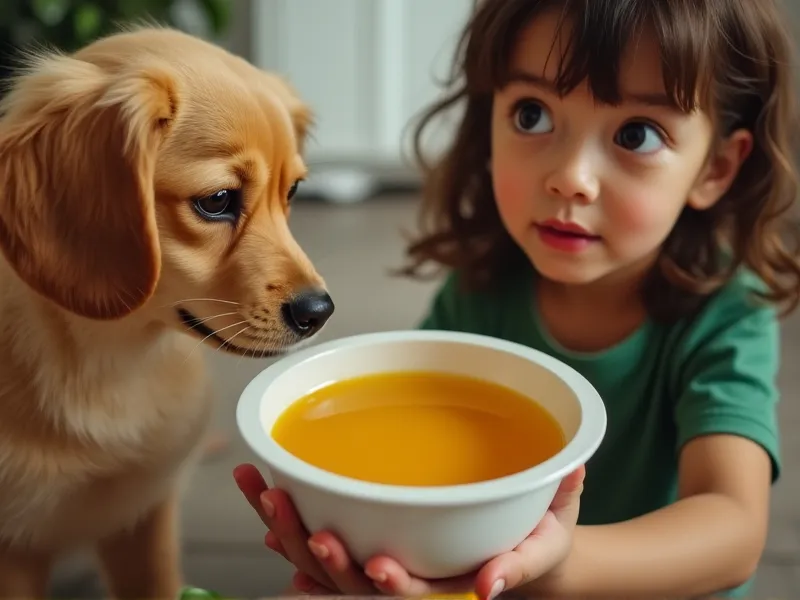
Table of Contents
- Can Dogs Eat Chicken Bouillon? The Short Answer
- The (Small) Upsides: What Might Chicken Bouillon Offer?
- The Risks: Why Chicken Bouillon Can Be Harmful
- Guidelines: If You Choose to Share, Do It Safely
- Healthier Alternatives to Chicken Bouillon
- FAQ: Your Most Pressing Questions Answered
- Conclusion: Prioritize Your Pup’s Health
- References
Can Dogs Eat Chicken Bouillon? The Short Answer
Yes, but with extreme caution—and only in very specific circumstances. Plain, low-sodium chicken bouillon (free of toxic additives like garlic or onion) might be safe for dogs in tiny, occasional amounts. However, most store-bought bouillons are packed with hidden dangers: high sodium, artificial flavors, preservatives, and even toxic ingredients like garlic or onion powder. For the average dog, the risks far outweigh any minor benefits.
The (Small) Upsides: What Might Chicken Bouillon Offer?
At first glance, chicken bouillon seems harmless—after all, it’s just “chicken flavor,” right? Let’s explore the potential (but limited) perks:
1. Hydration Support
If your dog is under the weather or refusing water, a tiny splash of warm, low-sodium bouillon might entice them to drink. The savory taste can make hydration more appealing, which is helpful for dogs recovering from illness or heat exhaustion.
2. Trace Nutrients
Chicken-based bouillon may contain small amounts of protein, B vitamins (like B12, which supports energy and brain health), and electrolytes such as potassium. These nutrients are essential for dogs, but the key word here is trace—you’d need to feed far more bouillon than is safe to see any meaningful benefit.
3. Encouraging Picky Eaters
Some pet parents use a drop of bouillon to “spice up” dry kibble for a picky pup. While this might work in the short term, it’s not a long-term solution—and there are safer ways to entice your dog to eat (more on that later!).
The Risks: Why Chicken Bouillon Can Be Harmful
Now, let’s get real: The dangers of chicken bouillon for dogs are significant. Here’s what to watch out for:
1. High Sodium: A Major Threat
Sodium is the biggest concern. Most store-bought bouillon cubes or powders are loaded with salt to enhance flavor. For example, a single standard bouillon cube can contain 1,000–2,000 mg of sodium—that’s nearly half the daily recommended sodium intake for an average adult human! For dogs, whose bodies are much smaller, this is dangerous.
Dogs need only about 100 mg of sodium per kilogram of body weight per day (VCA Hospitals). A 10-pound (4.5kg) dog, for instance, should have no more than 450 mg of sodium daily. Feeding even half a bouillon cube could push them over that limit, leading to:
- Excessive thirst and urination
- Sodium ion poisoning (symptoms: vomiting, diarrhea, tremors, seizures, even death in severe cases)
- Long-term kidney strain or high blood pressure
2. Toxic Additives: Garlic and Onion Powder
Many bouillons include garlic or onion powder to boost flavor. These ingredients are highly toxic to dogs, even in small amounts. Both contain N-propyl disulfide, a compound that damages red blood cells, leading to anemia (ASPCA). Symptoms of onion/garlic toxicity include weakness, lethargy, pale gums, and dark urine—and it can take days for symptoms to appear.
3. Added Sugars and Artificial Ingredients
Some low-sodium bouillons replace salt with sugar to maintain taste. Dogs don’t need sugar in their diet, and excess can lead to obesity, dental issues, or even diabetes. Artificial flavors, colors, and preservatives (like MSG) are also common and may trigger allergies or stomach upset.
4. Choking Hazard (for Cubes or Granules)
Undissolved bouillon cubes or dry granules pose a choking risk, especially for small dogs. Even if dissolved, the thick, rich texture might cause gagging or stomach irritation in sensitive pups.
Guidelines: If You Choose to Share, Do It Safely
If you still want to share a tiny taste of bouillon with your dog (e.g., to hydrate a sick pet or as a rare treat), follow these rules to minimize risk:
1. Read the Label Carefully
Check for:
- No onion or garlic powder (even “natural flavors” might hide these—call the manufacturer if unsure).
- Low sodium (aim for <100 mg sodium per serving).
- No added sugars, artificial preservatives, or MSG.
2. Stick to Tiny Portions
A “tiny portion” means:
- For small dogs (under 20 lbs): 1–2 teaspoons of diluted bouillon (mix with ¼ cup water).
- For medium/large dogs (20–80+ lbs): 1–2 tablespoons of diluted bouillon.
- Never feed it daily—think of it as a once-in-a-blue-moon treat, not a regular part of their diet.
3. Dilute, Dilute, Dilute
Bouillon is concentrated, so always mix it with water to reduce sodium and richness. A 1:4 ratio (1 part bouillon to 4 parts water) is a good rule of thumb.
4. Monitor for Reactions
After feeding, watch for signs of upset: vomiting, diarrhea, excessive thirst, or restlessness. If you notice any, contact your vet immediately.
Healthier Alternatives to Chicken Bouillon
Instead of risking store-bought bouillon, try these dog-safe options that are both nutritious and delicious:
1. Homemade Chicken Broth
Skip the bouillon and make your own! It’s easy:
- Simmer 1–2 lbs of boneless, skinless chicken (breast or thighs) in 4 cups of water.
- Add dog-safe veggies (carrots, celery, parsley) for extra nutrients.
- Do not add salt, onion, or garlic.
- Simmer for 1–2 hours, strain, and let cool. Store in the fridge for up to 3 days or freeze in ice cube trays for treats.
2. Bone Broth
Bone broth is a nutritional powerhouse for dogs. Simmer chicken, beef, or turkey bones (with meat) in water for 12–24 hours to extract collagen, glucosamine, and minerals. It supports joint health, gut health, and hydration. Look for store-bought bone broth labeled “dog-safe” (no onions/garlic) or make your own.
3. Plain Cooked Chicken
Skip the broth entirely and offer a bite of plain, cooked chicken. It’s high in protein, low in sodium, and dogs love it!
4. Dog-Specific Broths
Brands like The Honest Kitchen or Blue Buffalo make broths designed for dogs—no toxic ingredients, balanced sodium, and added nutrients like glucosamine. These are pricier than human bouillon but worth it for peace of mind.
FAQ: Your Most Pressing Questions Answered
Q: Can puppies eat chicken bouillon?
A: Puppies have sensitive kidneys and developing digestive systems—it’s best to avoid bouillon entirely. Stick to their puppy food and plain water.
Q: My dog ate a whole bouillon cube! What should I do?
A: Stay calm, but act fast. A full cube could cause sodium poisoning, especially in small dogs. Contact your vet or the ASPCA Animal Poison Control Center (888-426-4435) immediately. Watch for symptoms like vomiting, diarrhea, or excessive thirst.
Q: Is “low-sodium” bouillon safe?
A: It’s safer than regular, but not risk-free. Even low-sodium versions may have onion/garlic or hidden sugars. Always check labels and dilute heavily.
Q: Can I use bouillon to help my dog take medication?
A: Maybe, but ask your vet first. They might recommend a safer option, like mixing meds with a tiny bit of plain yogurt or peanut butter (xylitol-free, of course!).
Conclusion: Prioritize Your Pup’s Health
Chicken bouillon isn’t always toxic to dogs, but it’s rarely a good idea. The high sodium, hidden toxins, and artificial ingredients make it a risky choice for most pups. Instead of sharing your soup’s broth, opt for homemade chicken broth, bone broth, or plain cooked chicken—your dog will love the taste, and you’ll love the peace of mind.
Remember: When in doubt, ask your vet. They know your dog’s health history and can guide you on safe treats. After all, our dogs deserve food that nourishes them—not puts them at risk. Here’s to many happy, healthy meals (and treats!) with your fur baby.
References
- American Society for the Prevention of Cruelty to Animals (ASPCA). “Onions, Garlic, Chives, and Leeks.” aspca.org/pet-care/animal-poison-control/onions-garlic-chives-and-leeks
- VCA Hospitals. “Sodium Toxicity in Dogs.” vcahospitals.com/know-your-pet/sodium-toxicity-in-dogs
- American Kennel Club (AKC). “Can Dogs Eat Chicken Broth?” akc.org/expert-advice/nutrition/can-dogs-eat-chicken-broth
- PetMD. “Bone Broth for Dogs: Benefits and How to Make It.” petmd.com/dog/nutrition/bone-broth-dogs-benefits-and-how-make-it