· 8 min read
Can Dogs Eat Chicken Bones? The Surprising Truth Every Pet Parent Needs to Know
It’s a moment many dog owners have faced: You’re enjoying a family dinner, and a chicken bone accidentally falls to the floor. Before you can react, your pup snatches it up, tail wagging, and swallows it in seconds. Panic sets in—did I just put my dog in danger? Or maybe you’ve wondered, as you trim meat from a bone, if sharing a little “treat” could help keep their teeth clean or add nutrients to their diet.
Chicken bones are a hot topic in the pet world, and for good reason. While they might seem like a natural, protein-packed snack (after all, wolves eat bones in the wild!), the reality is far more complicated. In this guide, we’ll cut through the confusion, answer the big question—can dogs eat chicken bones?—and give you the facts you need to keep your furry friend safe and healthy.
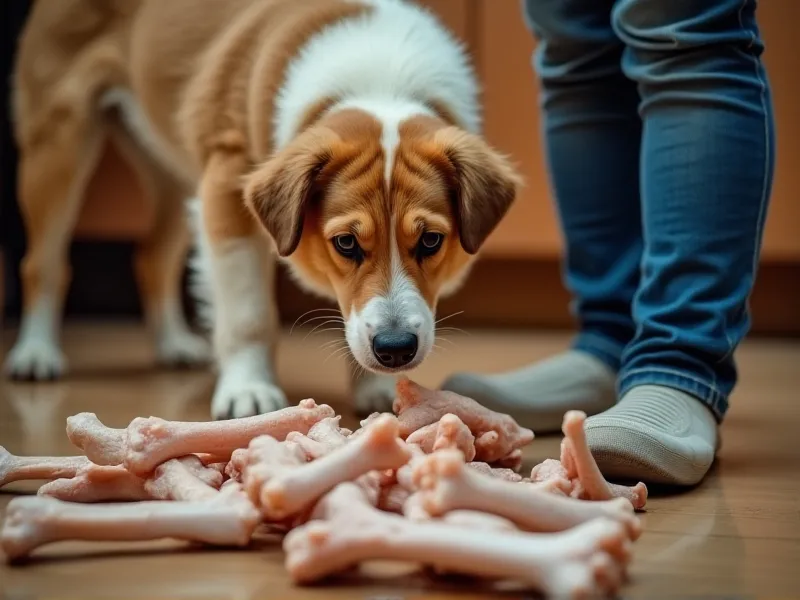
Table of Contents
- Can Dogs Eat Chicken Bones? The Short Answer
- The Science Behind Chicken Bones: Why Cooked vs. Raw Matters
- Potential “Benefits” of Chicken Bones (Spoiler: They’re Limited)
- The Real Risks: Why Chicken Bones Are Dangerous for Dogs
- If Your Dog Ate a Chicken Bone: What to Do Next
- Safe Alternatives to Chicken Bones for Dogs
- FAQ: Your Top Chicken Bone Questions Answered
- Conclusion: Prioritizing Your Dog’s Safety
Can Dogs Eat Chicken Bones? The Short Answer
No, dogs should not eat chicken bones—cooked or raw.
While raw chicken bones are softer and less likely to splinter than cooked ones, they still pose significant risks, including choking, intestinal blockages, and bacterial infections. Cooked chicken bones, however, are extremely dangerous: the cooking process dries them out, making them brittle and prone to shattering into sharp fragments that can tear your dog’s mouth, throat, or digestive tract.
Veterinarians and animal welfare organizations like the ASPCA and AVMA universally advise against feeding chicken bones to dogs. The minimal potential benefits (like trace nutrients) are far outweighed by the life-threatening risks.
The Science Behind Chicken Bones: Why Cooked vs. Raw Matters
To understand why chicken bones are risky, let’s start with biology. Raw chicken bones are flexible and contain collagen, a protein that keeps them pliable. When a dog chews a raw bone, it’s more likely to crumble into small, soft pieces that can pass through the digestive system (though not always safely—more on that later).
Cooking changes everything. Heat breaks down collagen, turning bones hard, dry, and brittle. Imagine bending a dry twig versus a fresh one: the dry twig snaps into sharp shards, while the fresh one bends. Cooked chicken bones behave like that dry twig—when chewed, they splinter into jagged pieces that can pierce tissue or get stuck in your dog’s throat, esophagus, stomach, or intestines.
Even small, “soft” cooked bones (like those from chicken wings or drumsticks) are risky. A 2016 study in the Journal of the American Veterinary Medical Association found that bone ingestion is a leading cause of gastrointestinal obstruction in dogs, with chicken bones being one of the most common culprits.
Potential “Benefits” of Chicken Bones (Spoiler: They’re Limited)
You might have heard claims that chicken bones are a “natural” source of nutrients or help clean dogs’ teeth. Let’s break down these ideas:
Nutrients: Minimal and Unnecessary
Raw chicken bones do contain small amounts of nutrients like calcium, phosphorus, and marrow (which has fat, vitamins A and K, and iron). However, these nutrients are already abundant in high-quality dog food. Most commercial kibble and wet food are formulated to meet all of your dog’s nutritional needs, so bones aren’t required.
Marrow, while tasty, is also high in fat—too much can lead to pancreatitis in dogs, especially small breeds or those prone to the condition.
Dental Health: A Myth
Some people believe bones scrape plaque off dogs’ teeth, but this is a risky way to achieve dental care. Hard bones can actually damage tooth enamel, crack teeth, or get wedged between teeth, leading to infection. Safer alternatives (like dental chews or brushing) are far more effective.
The Real Risks: Why Chicken Bones Are Dangerous for Dogs
The risks of chicken bones are serious and can be fatal. Here’s what you need to watch for:
1. Choking Hazard
Chicken bones, especially small ones (like from wings), can get stuck in your dog’s throat, blocking their airway. Signs of choking include pawing at the mouth, gagging, difficulty breathing, or blue-tinged gums. This is a medical emergency—act fast!
2. Oral and Throat Injuries
Sharp bone fragments can cut your dog’s tongue, gums, or the inside of their cheeks, causing pain, bleeding, or infection. In severe cases, fragments can get stuck in the throat, leading to swelling and difficulty swallowing.
3. Intestinal Perforation or Blockage
This is the most dangerous risk. Splintered bone fragments can tear the lining of the esophagus, stomach, or intestines (perforation), leading to internal bleeding, infection (peritonitis), or sepsis. Even if fragments don’t tear tissue, they can clump together and block the intestines, requiring emergency surgery.
Symptoms of intestinal issues include vomiting (especially if it contains blood), diarrhea, lethargy, loss of appetite, or straining to defecate.
4. Bacterial Infections (Raw Bones)
Raw chicken bones may harbor harmful bacteria like Salmonella or E. coli, which can sicken both dogs and humans. Dogs with weak immune systems (puppies, seniors, or those with chronic illnesses) are especially at risk.
If Your Dog Ate a Chicken Bone: What to Do Next
Don’t panic—but act quickly. Here’s a step-by-step guide:
1. Do NOT Induce Vomiting
You might think vomiting would help expel the bone, but forcing your dog to vomit can cause the bone to scrape or tear the esophagus on the way up. This increases the risk of injury.
2. Check for Immediate Signs of Distress
Watch for choking (gagging, pawing at mouth), difficulty breathing, or excessive drooling. If your dog is choking, perform the Heimlich maneuver for dogs (consult your vet or the ASPCA for instructions) and call emergency services.
3. Monitor for Symptoms
If your dog seems fine initially, monitor them closely for the next 24–48 hours. Look for:
- Vomiting (especially with blood)
- Diarrhea (bloody or black, tarry stools)
- Lethargy or weakness
- Loss of appetite
- Abdominal pain (hunched posture, reluctance to move)
- Straining to poop
4. Call Your Vet Immediately
Even if your dog seems okay, contact your vet. They may recommend bringing your dog in for an exam or X-rays to check for blockages. Early intervention is key to preventing serious complications.
Safe Alternatives to Chicken Bones for Dogs
If you want to treat your dog to a chewy snack or boost their dental health, try these vet-approved alternatives:
1. Boneless Cooked Chicken
Skip the bone and offer small pieces of plain, cooked chicken (no seasoning, skin, or fat). It’s a lean protein source and a favorite for most dogs.
2. Raw Meaty Bones (Large and Non-Splintering)
If you’re set on bones, opt for large, raw bones like beef marrow bones, lamb shanks, or pork knuckles. These are thick and less likely to splinter. Always supervise your dog while they chew, and remove the bone when it becomes small enough to swallow whole.
Note: Raw bones still carry bacterial risks—ask your vet if they’re right for your dog.
3. Dental Chews
Look for VOHC (Veterinary Oral Health Council)-approved chews like Greenies or Dentastix. These are designed to reduce plaque and tartar without the risk of bone fragments.
4. Fresh Fruits and Veggies
Carrots, apple slices (seedless!), sweet potato chunks, or cucumber make crunchy, low-calorie snacks. They’re great for dental health and packed with vitamins.
5. Kong Toys
Stuff a Kong with peanut butter (no xylitol!), plain yogurt, or canned pumpkin for a mentally stimulating, safe chew.
FAQ: Your Top Chicken Bone Questions Answered
Q: Are raw chicken bones safer than cooked ones?
A: Raw bones are softer, but they’re not “safe.” They can still splinter, cause blockages, or carry bacteria. Most vets recommend avoiding them.
Q: My dog ate a cooked chicken bone and seems fine—should I still worry?
A: Yes. Symptoms like blockages or perforations can take 24–48 hours to appear. Call your vet to be safe.
Q: Can puppies eat chicken bones?
A: Puppies have smaller, more delicate digestive systems, so they’re at higher risk of choking or blockages. Never give chicken bones to puppies.
Q: What about other bones, like turkey or pork?
A: Cooked bones of any kind (turkey, pork, beef) are risky. Raw turkey bones are similar to chicken bones—small and prone to splintering.
Q: Is it okay to feed my dog bones from my plate?
A: No. Even “small” bones (like from ribs or chicken wings) are dangerous. Keep all bones away from your dog’s reach.
Conclusion: Prioritizing Your Dog’s Safety
At the end of the day, the question “can dogs eat chicken bones?” has a clear answer: no. While it’s tempting to share table scraps or give in to those puppy-dog eyes, the risks of choking, infection, or internal injury are too great.
Instead, opt for safe treats like boneless chicken, dental chews, or fresh veggies. And when in doubt, always consult your vet—they know your dog’s unique needs best.
Your furry friend relies on you to keep them safe, and a little caution goes a long way. Here’s to many happy, healthy years together!
References
- American Society for the Prevention of Cruelty to Animals (ASPCA). “People Foods to Avoid Feeding Your Pets.” aspca.org
- American Veterinary Medical Association (AVMA). “Bone Ingestion in Dogs.” avma.org
- Journal of the American Veterinary Medical Association. “Gastrointestinal Foreign Bodies in Dogs: A Retrospective Study.” 2016.
- Tufts University Cummings School of Veterinary Medicine. “Can Dogs Eat Chicken Bones?” tuftscvm.org