· 9 min read
Can Dogs Eat Chicken and Dumplings? A Pet Parent’s Guide to Safe Treats
It’s a crisp autumn evening, and the aroma of homemade chicken and dumplings fills your kitchen. You’re curled up with a bowl, savoring the warm, savory broth and fluffy dumplings—when suddenly, you feel a wet nose nudge your hand. Looking down, you meet your dog’s soulful eyes, tail thumping against the floor. “Just a tiny bite?” you think. After all, chicken is a staple in many dog foods, and dumplings look harmless… right?
If you’ve ever found yourself asking, “Can dogs eat chicken and dumplings?” you’re not alone. As pet parents, we want to share the things we love with our furry friends, but it’s crucial to prioritize their health. In this guide, we’ll break down whether chicken and dumplings are safe for dogs, the potential benefits and risks, how much (if any) to feed, and healthier alternatives to keep tails wagging.
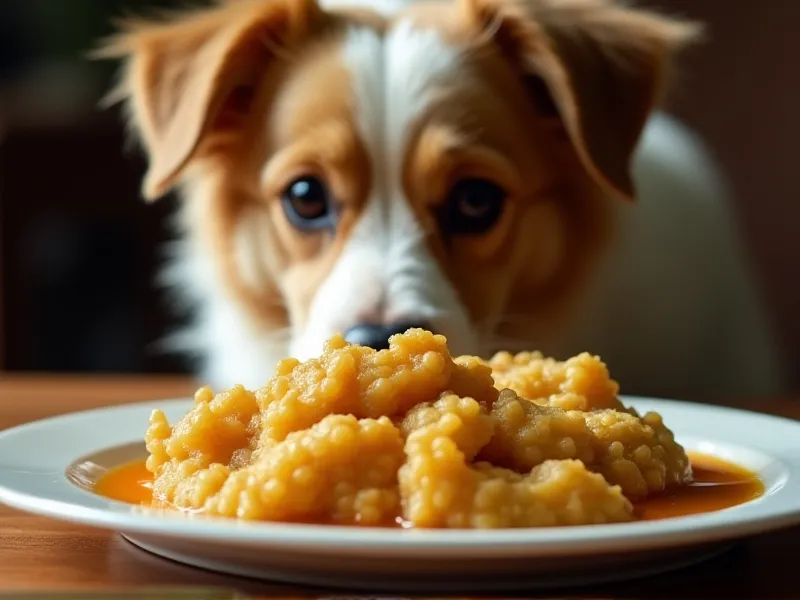
Table of Contents
- Can Dogs Eat Chicken and Dumplings? The Short Answer
- The Benefits: What’s Good in Chicken and Dumplings for Dogs?
- The Risks: What to Watch Out For
- Safe Serving Guidelines: How Much (If Any) Is Okay?
- Healthier Alternatives to Chicken and Dumplings
- Frequently Asked Questions (FAQ)
- Conclusion: Treat Smart, Keep Tails Happy
Can Dogs Eat Chicken and Dumplings? The Short Answer
Yes, dogs can eat chicken and dumplings in very specific circumstances—but it’s not a “one-size-fits-all” yes. The safety depends entirely on the ingredients and preparation.
Plain, homemade chicken and dumplings (without toxic additives like onions, garlic, or excessive salt) might be safe as an occasional treat. However, most store-bought or restaurant versions are loaded with ingredients that can harm dogs, like onions, garlic, high sodium, or fatty oils.
In short: Proceed with extreme caution. Always check the ingredients first, and when in doubt, skip sharing your bowl.
The Benefits: What’s Good in Chicken and Dumplings for Dogs?
Let’s start with the positives. When prepared safely, some components of chicken and dumplings can offer nutritional perks for your pup:
1. Lean Protein from Chicken
Chicken is a gold standard in dog nutrition for a reason! It’s:
- High in protein: Supports muscle growth, repair, and overall energy.
- Rich in vitamins: Provides B vitamins (like B6 and niacin) to boost metabolism and brain health.
- Gentle on tummies: Easily digestible, making it a go-to for dogs with sensitive stomachs (when plain and unseasoned).
If the chicken in your dumplings is plain (no salt, butter, or seasonings), it’s a solid source of nutrition for your dog.
2. Nutrients from Veggies (If Included)
Many homemade chicken and dumpling recipes add veggies like carrots, peas, or celery. These are dog-safe and packed with benefits:
- Fiber: Carrots and peas support healthy digestion and keep your dog feeling full.
- Potassium: Carrots are a great source of potassium, which helps regulate blood pressure and muscle function.
- Vitamins A & C: Boost immune health and vision (carrots are excellent for eye health!).
Just make sure veggies are cooked (raw carrots can be a choking hazard for small dogs) and free of added salt or butter.
3. Hydration from Broth (In Moderation)
A little bit of low-sodium chicken broth (without onions or garlic) can help keep your dog hydrated, especially if they’re picky about drinking water. Broth also adds flavor, making it a nice occasional treat—just don’t overdo it (more on sodium risks later!).
The Risks: What to Watch Out For
Now, the not-so-good news: Chicken and dumplings often contain ingredients that are dangerous or unhealthy for dogs. Here’s what to avoid:
1. Toxic Ingredients: Onions, Garlic, and Chives
The biggest red flag in chicken and dumplings is the allium family—onions, garlic, leeks, and chives. These are extremely toxic to dogs, even in small amounts.
Why? They contain compounds that damage a dog’s red blood cells, leading to anemia (low red blood cell count). Symptoms include weakness, lethargy, pale gums, and even organ failure. Onions are the most toxic, but garlic (often used in broths or seasonings) is risky too.
Store-bought and restaurant versions almost always include onions or garlic in the broth or dumpling dough. Even a “hint” of garlic powder can be harmful over time.
2. High Sodium Content
Broth, whether store-bought or homemade, is often loaded with salt. Dogs need only a tiny amount of sodium (about 100mg per 100 calories of food, according to the National Research Council). Excess sodium can cause:
- Dehydration
- Increased thirst and urination
- Kidney strain (over time)
- Salt toxicity (in severe cases, leading to vomiting, seizures, or even death).
A single cup of canned chicken broth can have 800mg+ of sodium—way more than your dog needs in a day!
3. Excess Fat and Grease
Dumplings are often made with butter, oil, or lard to make the dough fluffy. While a little fat is okay, too much can trigger:
- Pancreatitis: A painful inflammation of the pancreas, caused by high-fat foods. Symptoms include vomiting, diarrhea, and lethargy, and it can be life-threatening.
- Stomach upset: Fatty foods can lead to diarrhea or vomiting, especially in dogs unused to rich treats.
4. Choking Hazard from Dumplings
Dumplings are soft, chewy, and sometimes sticky—perfect for getting stuck in a dog’s throat. Small dogs, in particular, are at risk of choking on large or improperly chewed dumplings. Even larger dogs can struggle if they gulp their food!
5. Stomach Upset from Unfamiliar Carbs
Dumplings are typically made with white flour, which is a refined carb with little nutritional value for dogs. While a small bite won’t hurt, too much can cause:
- Bloating: Excess carbs can ferment in the gut, leading to gas and discomfort.
- Blood sugar spikes: Refined flour is digested quickly, which can be problematic for dogs with diabetes.
Safe Serving Guidelines: How Much (If Any) Is Okay?
If you must share chicken and dumplings with your dog (and the ingredients are safe!), follow these rules to minimize risk:
1. Check the Ingredients First—Always
Scan for red flags:
- ❌ Onions, garlic, chives, or leeks (any form: fresh, powdered, cooked).
- ❌ High sodium (look for “low-sodium” broth, but even then, check the label—aim for <100mg sodium per 100ml).
- ❌ Butter, oil, or fatty seasonings.
- ❌ Dairy (some recipes use milk in dumpling dough; many dogs are lactose intolerant).
If any of these are present, do not share.
2. Opt for Homemade (and Keep It Simple)
Store-bought or restaurant chicken and dumplings are almost always unsafe—they’re packed with salt, seasonings, and hidden alliums. If you want to share, make a dog-specific batch with:
- Plain boiled chicken (no salt, skin, or bones).
- Carrots, peas, or celery (cooked, no butter).
- Low-sodium chicken broth (no onions/garlic).
- Dumpling dough made with whole wheat flour (for fiber) and water (no milk or butter).
3. Serve Only as an Occasional Treat
Chicken and dumplings should never replace your dog’s regular, balanced dog food. Even safe versions are high in carbs and low in essential nutrients like taurine (critical for heart health). Limit treats to 10% of your dog’s daily calories (e.g., a 30lb dog needs ~700 calories/day, so treats should be <70 calories).
4. Portion Size Matters
- Small dogs (e.g., Chihuahua, Yorkie): 1–2 tiny bites of chicken and a tiny piece of dumpling (no bigger than a pea).
- Medium dogs (e.g., Beagle, Cocker Spaniel): A small spoonful of chicken and broth, plus a bite-sized piece of dumpling.
- Large dogs (e.g., Labrador, German Shepherd): A few bites of chicken, a small dumpling, and a splash of broth.
5. Monitor for Reactions
After feeding, watch for signs of trouble:
- Vomiting, diarrhea, or gas.
- Lethargy or weakness (possible anemia from alliums).
- Excessive thirst/urination (high sodium).
If you notice any of these, contact your vet immediately.
Healthier Alternatives to Chicken and Dumplings
Instead of risking it with chicken and dumplings, try these dog-safe treats that scratch the “warm, savory” itch:
1. Plain Boiled Chicken
The star of the show! Serve a few bite-sized pieces of unseasoned, boneless chicken as a high-protein treat. Add a splash of low-sodium chicken broth (no onions/garlic) for extra flavor.
2. Steamed Veggie Medley
Carrots, peas, green beans, or sweet potatoes (cooked, no butter) are packed with fiber, vitamins, and potassium. Dogs love the crunch (or softness, if steamed)!
3. Dog-Friendly “Dumpling” Bites
Make a batch of mini, dog-safe dumplings using:
- 1 cup whole wheat flour
- ¼ cup mashed pumpkin (fiber + vitamins)
- 2 tbsp low-sodium chicken broth
- 1 egg (binder)
Mix into a dough, roll into tiny balls, and boil in water for 10 minutes. Let cool, then serve 1–2 per small dog, 3–4 per large dog.
4. Frozen Broth Cubes
Freeze low-sodium chicken broth (no onions/garlic) in ice cube trays for a hydrating, summer treat. Add a tiny piece of chicken or carrot for extra fun!
Frequently Asked Questions (FAQ)
Q: My dog stole a bite of my chicken and dumplings—should I panic?
A: Stay calm! A tiny bite (e.g., a crumb of dumpling or a lick of broth) is unlikely to harm most dogs. But if the dish contained onions/garlic, or your dog ate a large amount, monitor for symptoms (lethargy, pale gums) and call your vet.
Q: Can dogs eat store-bought chicken and dumplings?
A: Almost always no. Store-bought versions are high in sodium, often contain onions/garlic, and use fatty ingredients. Read the label—if it lists “onion powder” or “garlic extract,” skip it.
Q: Are dumplings themselves bad for dogs?
A: Dumplings made with white flour, butter, or milk are not toxic, but they’re low in nutrition and high in empty carbs. They can also pose a choking risk. Stick to small, plain, whole-grain dumplings if you must share.
Q: Can puppies eat chicken and dumplings?
A: Puppies have sensitive digestive systems, so it’s best to avoid. Their tummies can’t handle rich foods, and their bodies are still developing—stick to puppy-formulated food and vet-approved treats.
Q: What if my dog ate chicken and dumplings with onions?
A: Onions are toxic! Even a small amount (e.g., 1/4 cup for a 20lb dog) can cause anemia. Call your vet immediately—they may induce vomiting or recommend activated charcoal to absorb toxins.
Conclusion: Treat Smart, Keep Tails Happy
Sharing food with our dogs is one of life’s little joys, but when it comes to chicken and dumplings, “better safe than sorry” is the rule. Most versions are loaded with ingredients that can harm your pup, from toxic onions to excessive salt.
If you want to treat your dog to something warm and savory, opt for plain boiled chicken, steamed veggies, or a homemade dog-safe dumpling. And when in doubt, always check with your vet—they know your dog’s unique needs best.
At the end of the day, the best treat is a happy, healthy pup. So next time you’re enjoying chicken and dumplings, give your dog a belly rub instead—they’ll love it just as much (and it’s 100% safe!).
Sources:
- American Society for the Prevention of Cruelty to Animals (ASPCA). Toxic and Non-Toxic Plants. aspca.org/pet-care/animal-poison-control/toxic-and-non-toxic-plants
- PetMD. Can Dogs Eat Chicken? What You Need to Know. petmd.com/dog/nutrition/can-dogs-eat-chicken
- American Kennel Club (AKC). Feeding Your Dog: What Human Foods Are Safe? akc.org/expert-advice/nutrition/human-foods-dogs-can-and-cant-eat/
- National Research Council. Nutrient Requirements of Dogs and Cats. National Academies Press, 2006.