· 9 min read
Can Dogs Eat Chicken? The Ultimate Guide for Pet Parents
It’s a familiar scene: You’re sitting down to dinner, fork halfway to your mouth, when you feel a pair of soulful eyes boring into you. Your dog, tail thumping like a metronome, sits perfectly still—perfectly—as if willing a piece of your grilled chicken to magically float into their bowl. You pause, wondering: Is this safe? Can dogs eat chicken?
If you’ve ever asked yourself this question, you’re not alone. Chicken is a staple in many human diets, and it’s also one of the most common ingredients in commercial dog food. But there’s a big difference between the chicken in your pup’s kibble and the seasoned, saucy piece on your plate.
In this guide, we’ll break down everything you need to know about feeding chicken to your dog: whether it’s safe, the surprising benefits it offers, the hidden risks to watch for, how much to serve, and even healthier alternatives. By the end, you’ll be equipped to share (or not share) that chicken with confidence—no more second-guessing those puppy eyes.
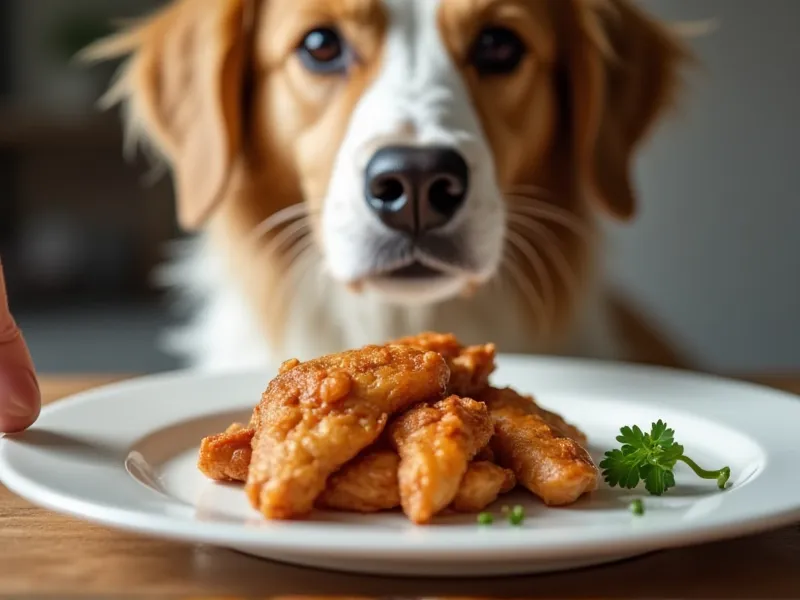
Table of Contents
- Can Dogs Eat Chicken? The Short Answer
- The Benefits of Chicken for Dogs: Why It’s a Pup Favorite
- Risks to Watch For: When Chicken Might Hurt Your Dog
- How Much Chicken Can Dogs Safely Eat? A Practical Guide
- Healthier Alternatives (and Complementary Treats)
- FAQ: Your Chicken Questions Answered
- Conclusion: Enjoy Chicken Responsibly
- References
Can Dogs Eat Chicken? The Short Answer
Yes, dogs can eat chicken—and in most cases, it’s a healthy, protein-packed treat! Plain, cooked chicken is a safe, nutritious addition to your dog’s diet, whether as a occasional snack, a meal topper, or even a temporary substitute if they’re feeling under the weather (think: bland diet for an upset stomach).
But here’s the catch: How you serve it matters. Raw chicken, seasoned chicken, chicken bones, or processed chicken products (like nuggets or deli meat) can pose serious risks. The key is to keep it simple: cooked, boneless, skinless, and unseasoned.
The Benefits of Chicken for Dogs: Why It’s a Pup Favorite
Chicken isn’t just a crowd-pleaser for humans—it’s a nutritional powerhouse for dogs, too. Here’s why it deserves a spot in your pup’s treat rotation:
1. High-Quality Protein: The Building Block of Health
Protein is essential for dogs. It supports muscle growth, repairs tissue, boosts the immune system, and keeps their coat shiny and skin healthy. Chicken is a “complete protein,” meaning it contains all the essential amino acids your dog’s body can’t produce on its own. In fact, many premium dog foods list chicken as the first ingredient because it’s so digestible and nutrient-dense.
2. Packed with Vitamins and Minerals
Chicken is rich in B vitamins (like B6 and niacin), which help convert food into energy and support brain function. It also contains minerals like selenium (an antioxidant that fights cell damage), zinc (for healthy skin and immune support), and potassium (which regulates heart and muscle function). Even better? These nutrients are easy for dogs to absorb, making chicken a “bioavailable” superfood.
3. Gentle on Sensitive Stomachs
If your dog has a sensitive gut or is recovering from an upset stomach, plain boiled chicken is often recommended by vets. It’s low in fat (when skinless), easy to digest, and less likely to trigger allergies compared to red meats like beef or lamb. Many “bland diets” for dogs combine boiled chicken with white rice to soothe tummies.
4. A Versatile, Low-Calorie Treat
Chicken is incredibly versatile. You can dice it, shred it, or freeze it into bite-sized pieces for a cool summer snack. And since it’s lean (again, skinless!), it’s a great low-calorie option for dogs watching their weight—much healthier than store-bought treats loaded with fillers.
Risks to Watch For: When Chicken Might Hurt Your Dog
While chicken is generally safe, there are pitfalls to avoid. Here are the biggest risks and how to steer clear of them:
1. Undercooked Chicken: A Salmonella Scare
Raw or undercooked chicken can harbor harmful bacteria like Salmonella or Campylobacter, which can make both dogs and humans sick. Symptoms in dogs include diarrhea, vomiting, fever, and lethargy. While some proponents of raw diets argue that dogs “naturally” eat raw meat, the American Veterinary Medical Association (AVMA) warns against raw feeding due to these bacterial risks. Always cook chicken thoroughly—no pink in the middle!
2. Chicken Bones: A Choking Hazard (and Worse)
This is non-negotiable: Never feed your dog chicken bones. Cooked bones are especially dangerous because they become brittle and can splinter, piercing your dog’s mouth, throat, or digestive tract. Even raw bones pose risks—they can get stuck in the esophagus (choking) or cause intestinal blockages. If you want to give your dog a bone, opt for large, raw recreational bones (like beef marrow bones) under supervision, but chicken bones are a hard pass.
3. Seasonings and Additives: Hidden Toxins
That garlic butter or lemon pepper on your chicken? Toxic to dogs. Onions, garlic, chives, and leeks contain compounds that damage red blood cells, leading to anemia. Salt, in excess, can cause sodium ion poisoning (symptoms: vomiting, diarrhea, seizures). Even “harmless” seasonings like paprika or chili powder can irritate your dog’s stomach. Stick to plain, unseasoned chicken—no exceptions.
4. Chicken Skin and Fat: A Recipe for Pancreatitis
Chicken skin is high in fat, and too much fat can trigger pancreatitis in dogs—a painful, potentially life-threatening condition where the pancreas becomes inflamed. Symptoms include severe vomiting, abdominal pain, and loss of appetite. While a tiny piece of skin won’t hurt, make a habit of removing it before feeding chicken to your dog.
5. Processed Chicken Products: Nuggets, Deli Meat, and More
Skip the chicken nuggets, deli slices, or canned chicken (unless it’s plain, no-salt-added). These often contain added sugars, preservatives, sodium, and other additives that are unhealthy for dogs. For example, deli chicken may have nitrates, and nuggets are usually breaded with flour (empty calories) and fried in oil (extra fat). Stick to fresh, unprocessed chicken instead.
6. Overfeeding: Weight Gain and Nutritional Imbalances
Chicken is healthy, but it’s not a complete diet. Feeding too much chicken (or any treat) can lead to obesity, especially if it replaces balanced dog food. Dogs need a mix of protein, fats, carbs, vitamins, and minerals to thrive—chicken alone won’t cut it. Aim to keep treats (including chicken) to 10% or less of your dog’s daily calorie intake.
How Much Chicken Can Dogs Safely Eat? A Practical Guide
The amount of chicken your dog can eat depends on their size, age, activity level, and overall health. Here’s a general rule of thumb:
The 10% Rule
Treats (including chicken) should make up no more than 10% of your dog’s daily calories. For example, if your dog needs 500 calories a day, chicken should contribute 50 calories or less.
Size-Based Guidelines
To make it easier, here’s a rough estimate for cooked, boneless, skinless chicken (adjust based on your dog’s needs):
- Small dogs (10–20 lbs): 1–2 ounces per day (about the size of a deck of cards)
- Medium dogs (30–50 lbs): 3–4 ounces per day (about the size of a smartphone)
- Large dogs (60–100+ lbs): 5–6 ounces per day (about the size of a small can of soda)
Key Tips for Serving
- Cook it thoroughly: Boil, bake, or grill chicken until it reaches an internal temperature of 165°F (74°C). No pink meat!
- Remove skin and bones: Skin adds unnecessary fat; bones are a choking hazard.
- Keep it plain: No salt, pepper, garlic, onion, or sauces.
- Introduce slowly: If your dog hasn’t had chicken before, start with a tiny piece to avoid stomach upset.
- Mix with balanced food: For a meal topper, mix shredded chicken with their regular kibble to keep their diet balanced.
Healthier Alternatives (and Complementary Treats)
Chicken is a great treat, but variety is the spice of life—for dogs, too! Here are some healthy alternatives and complementary snacks to mix things up:
Lean Proteins
- Turkey: Even leaner than chicken, turkey is a great low-fat option (just avoid deli turkey with added salt).
- Salmon: Rich in omega-3 fatty acids, which support joint health and a shiny coat (cooked, no bones).
- Lean beef: Choose sirloin or ground beef (90% lean or higher) for a protein boost.
Veggies (Low-Calorie Crunch)
- Carrots: Crunchy and high in vitamin A (great for eye health).
- Green beans: Low in calories, high in fiber—perfect for weight management.
- Sweet potatoes: Cooked, plain sweet potato is a great source of vitamins and fiber (avoid raw, which is hard to digest).
Fruits (Occasional Sweet Treats)
- Blueberries: Packed with antioxidants (freeze them for a summer snack!).
- Apples: Remove the core and seeds (which contain cyanide), then slice—high in fiber and vitamin C.
Avoid These “Alternatives”
Steer clear of processed meats (bacon, sausage), fatty cuts (pork belly), and toxic foods like grapes, raisins, avocado, and chocolate.
FAQ: Your Chicken Questions Answered
Got more questions? We’ve got answers!
Q: Can dogs eat raw chicken?
A: It’s not recommended. Raw chicken may contain Salmonella or Campylobacter, which can sicken dogs and humans. The AVMA and Centers for Disease Control (CDC) advise against raw feeding due to these risks.
Q: Can dogs eat chicken every day?
A: As a treat, yes—if it’s plain, cooked, and in moderation (10% of calories). But chicken alone isn’t a balanced diet. For everyday meals, stick to a vet-approved dog food that includes chicken as an ingredient.
Q: Is chicken better than beef for dogs?
A: It depends on your dog! Chicken is leaner and less likely to cause allergies, while beef is higher in iron and zinc. Both are great protein sources—choose based on your dog’s preferences and health needs.
Q: Can puppies eat chicken?
A: Yes! Puppies need extra protein for growth, and plain, cooked chicken is a safe, easy-to-digest option. Just keep portions small (adjust for their size) and avoid bones.
Q: My dog ate a chicken bone—what should I do?
A: Stay calm, but monitor for symptoms like choking, gagging, vomiting, diarrhea, or lethargy. If you notice any of these, contact your vet immediately. Even if they seem fine, it’s a good idea to call your vet for guidance—bones can splinter and cause internal damage later.
Conclusion: Enjoy Chicken Responsibly
So, can dogs eat chicken? Absolutely—when served safely! Plain, cooked, boneless chicken is a nutritious, delicious treat that most dogs go crazy for. It’s packed with protein, vitamins, and minerals, and it’s gentle on sensitive stomachs.
But remember: moderation is key. Avoid bones, skin, seasonings, and processed chicken products, and keep treats to 10% of your dog’s daily calories. And as always, if you have questions about your dog’s specific needs (like allergies or health conditions), consult your vet.
Next time those puppy eyes plead for a bite of chicken, you’ll know exactly what to do: smile, grab a plain, cooked piece, and watch your dog’s tail wag—safely.
References
- American Veterinary Medical Association (AVMA). (2023). Raw Pet Food. avma.org/resources/pet-owners/nutrition/raw-pet-food
- American Society for the Prevention of Cruelty to Animals (ASPCA). (2023). People Foods to Avoid Feeding Your Pets. aspca.org/pet-care/animal-poison-control/people-foods-avoid-feeding-your-pets
- American Kennel Club (AKC). (2023). Can Dogs Eat Chicken? akc.org/expert-advice/nutrition/can-dogs-eat-chicken/
- Centers for Disease Control and Prevention (CDC). (2022). Pets and Salmonella. cdc.gov/salmonella/pets.html
- PetMD. (2023). Chicken for Dogs: Benefits, Risks, and Serving Tips. petmd.com/dog/nutrition/can-dogs-eat-chicken