· 9 min read
Can Dogs Eat Chick-fil-A? What Pet Parents Need to Know
Picture this: You’re in the drive-thru, grabbing your go-to Chick-fil-A meal—a spicy chicken sandwich, waffle fries, maybe a side of mac and cheese. As you pull away, you glance in the rearview mirror to find your dog, Max, staring up at you with those big, soulful eyes. His tail thumps a rapid rhythm against the seat, and his nose twitches, zeroing in on the scent of your meal. You’re tempted to toss him a tiny bite—after all, sharing is caring, right? But then doubt creeps in: Is Chick-fil-A safe for dogs?
As pet parents, we’ve all been there. We want to spoil our pups, but their health and safety always come first. In this post, we’ll dive into whether dogs can eat Chick-fil-A, breaking down the potential benefits (yes, there are a few), the risks (spoiler: there are more), and what to do if your dog begs for a bite. We’ll also share healthier alternatives that will make those puppy eyes light up—without the worry.
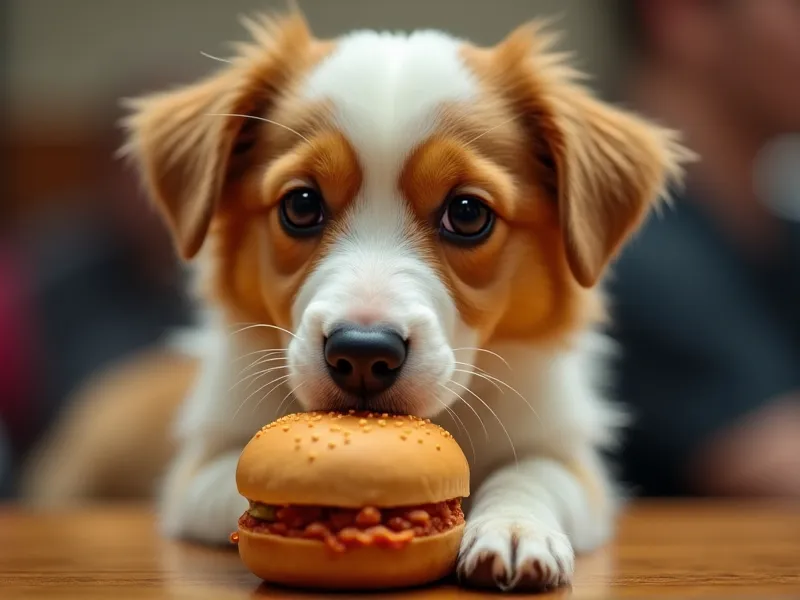
Table of Contents
- Can Dogs Eat Chick-fil-A? The Short Answer
- Potential “Benefits”: Are There Any Upsides?
- The Risks: Why Chick-fil-A Menu Items Are a Concern
- Sodium: A Hidden Danger
- Sugar: More Than Just a Sweet Treat
- Fat and Breading: A Recipe for Pancreatitis
- Sauces: Hidden Culprits
- Choking Hazards: Small Pieces and Bite-Sized Risks
- Safe Feeding Guidelines: If You Must Share
- Healthier Alternatives: Treats Your Dog Will Love (and That’s Good for Them)
- FAQ: Your Chick-fil-A and Dog Questions Answered
- Conclusion: Love Them Enough to Say “Not This Time”
- References
1. Can Dogs Eat Chick-fil-A? The Short Answer
Let’s cut to the chase: No, dogs should not eat Chick-fil-A as a regular treat, and most menu items are best avoided entirely.
While a tiny, occasional bite of plain, unseasoned grilled chicken might be safe for some dogs, the majority of Chick-fil-A’s menu is loaded with ingredients that can harm your pup, including excess salt, sugar, fat, and hidden additives. From the bun to the sauce to the fries, most components of a Chick-fil-A meal pose risks ranging from mild stomach upset to severe health issues like pancreatitis.
Think of it this way: Chick-fil-A is designed for human taste buds, not canine nutritional needs. Dogs thrive on balanced, species-appropriate diets, and fast food—even “healthier” options like grilled chicken—simply doesn’t fit the bill.
2. Potential “Benefits”: Are There Any Upsides?
Before we dive into the risks, let’s acknowledge the elephant in the room: Chicken is a staple in many high-quality dog foods, and for good reason. It’s a lean source of protein, which helps build muscle, support immune function, and keep your dog’s coat shiny. So, could a bite of Chick-fil-A’s grilled chicken offer any nutritional value?
In theory, yes—if the chicken is plain, unseasoned, and free of additives. Chick-fil-A’s grilled chicken (like the grilled chicken filet or grilled nuggets) is lower in fat than its fried counterparts and does contain protein, iron, and B vitamins (which support energy levels and brain health). However, these potential benefits are overshadowed by the downsides: Chick-fil-A’s grilled chicken is still seasoned with salt, and many menu items include hidden ingredients that negate any nutritional upside.
In short: The “benefits” are minimal, and the risks far outweigh them.
3. The Risks: Why Chick-fil-A Menu Items Are a Concern
To understand why Chick-fil-A isn’t ideal for dogs, let’s break down the most common menu items and their risks.
Sodium: A Hidden Danger
Sodium is essential for dogs—they need small amounts to regulate fluids and nerve function. But Chick-fil-A meals are loaded with salt, and excess sodium is toxic to dogs.
Consider this: A single Chick-fil-A grilled chicken sandwich contains about 1,350 mg of sodium. For context, the Association of American Feed Control Officials (AAFCO) recommends that adult dogs consume no more than 0.3% sodium in their daily diet (roughly 100–200 mg per 10 pounds of body weight). A 50-pound dog, for example, should have no more than 500–1,000 mg of sodium per day. One sandwich could exceed their entire daily limit!
Too much sodium can lead to:
- Dehydration (excessive thirst, dry gums)
- Electrolyte imbalances
- Vomiting, diarrhea, or lethargy
- In severe cases, sodium ion poisoning, which causes seizures, tremors, or even death.
Sugar: More Than Just a Sweet Treat
Sugar is everywhere in Chick-fil-A’s menu—from the bun (which often contains added sugar) to sauces like honey mustard, sweet and sour, or Polynesian. Even “savory” items like their biscuits or waffle fries may have hidden sugar to enhance flavor.
Dogs don’t need sugar in their diet, and excess sugar can lead to:
- Obesity (a leading cause of diabetes, joint pain, and heart disease in dogs)
- Dental issues (cavities, gum disease)
- Hyperactivity or energy crashes
- In rare cases, pancreatitis (inflammation of the pancreas, triggered by high sugar/fat).
Fat and Breading: A Recipe for Pancreatitis
Fried items like Chick-fil-A’s classic chicken sandwich, nuggets, or waffle fries are high in fat and coated in breading—two ingredients that spell trouble for dogs.
Dogs have sensitive digestive systems, and diets high in fat can trigger pancreatitis, a painful and potentially life-threatening condition where the pancreas becomes inflamed. Symptoms include vomiting, diarrhea, loss of appetite, and abdominal pain. Even a small amount of fried chicken or fries can put your dog at risk, especially if they’re overweight, have a history of pancreatitis, or are a breed prone to the condition (like Miniature Schnauzers or Cocker Spaniels).
Sauces: Hidden Culprits
Chick-fil-A’s sauces are a fan favorite, but they’re a nightmare for dogs. Let’s take a look at a few popular options:
- Honey Mustard: High in sugar (honey) and salt.
- Polynesian Sauce: Loaded with high-fructose corn syrup and salt.
- Barbecue Sauce: Often contains onion or garlic powder (both toxic to dogs in large amounts) and sugar.
- Ranch: High in fat and salt, plus dairy (some dogs are lactose intolerant).
Even a drizzle of sauce on a chicken bite can introduce unnecessary sugar, salt, or toxins into your dog’s system.
Choking Hazards: Small Pieces and Bite-Sized Risks
Chick-fil-A’s nuggets, fries, or even crumbs from a sandwich can pose choking risks, especially for small dogs or those who gulp their food without chewing. Hard, dry fries or crusty bread can also damage teeth or get stuck in your dog’s throat or digestive tract, leading to blockages (which may require surgery to remove).
4. Safe Feeding Guidelines: If You Must Share
We get it—sometimes, despite your best intentions, your dog manages to snag a bite (or you cave to those eyes). If you must share Chick-fil-A with your dog, follow these strict guidelines:
- Stick to plain, unseasoned grilled chicken only. Avoid fried, breaded, or sauced items. Check the ingredient list first: Chick-fil-A’s grilled chicken is seasoned with salt, so even this should be limited.
- Limit it to a tiny bite. For a 50-pound dog, that’s no more than 1–2 small pieces (about the size of a dime). For smaller dogs, even less.
- No buns, fries, or sauces. These add unnecessary sugar, salt, and fat.
- Monitor for reactions. Watch for vomiting, diarrhea, lethargy, or changes in behavior for 24 hours after feeding. If you notice any of these, contact your vet immediately.
- Only do this occasionally. Sharing Chick-fil-A should be a once-in-a-blue-moon exception, not a regular habit.
5. Healthier Alternatives: Treats Your Dog Will Love (and That’s Good for Them)
Instead of risking Chick-fil-A, try these dog-safe treats that are nutritious, delicious, and guaranteed to make your pup’s tail wag:
Plain Cooked Chicken Breast
Skip the salt, spices, and breading. Boil or bake a boneless, skinless chicken breast, chop it into small pieces, and store it in the fridge for a protein-packed treat. This is the gold standard for sharing human food with dogs!
Steamed Veggies
Carrots, green beans, or broccoli (steamed, not raw) are low in calories, high in fiber, and full of vitamins. Most dogs love the crunch, and they’re a great way to help your pup stay full without extra calories.
Apples (No Seeds!)
Apples are a sweet, crunchy treat rich in fiber and vitamin C. Just remove the seeds (they contain trace amounts of cyanide) and core, then slice into bite-sized pieces.
Plain White Rice
Cooked white rice is gentle on the stomach and can help soothe diarrhea or upset tummies. Mix in a tiny bit of plain chicken for extra flavor.
Dog-Safe Commercial Treats
When in doubt, opt for treats made specifically for dogs. Look for options with simple, whole-food ingredients (like chicken, sweet potato, or pumpkin) and no added sugar or salt.
6. FAQ: Your Chick-fil-A and Dog Questions Answered
Q: Can my dog eat Chick-fil-A waffle fries?
A: No. Waffle fries are fried in oil, high in salt, and coated in seasoning. They can cause stomach upset, pancreatitis, or obesity.
Q: What if my dog stole a Chick-fil-A sandwich?
A: Don’t panic, but monitor them closely for 24 hours. Symptoms like vomiting, diarrhea, lethargy, or abdominal pain could signal pancreatitis or sodium toxicity. Contact your vet immediately if you notice any of these.
Q: Are Chick-fil-A’s grilled nuggets safer than fried?
A: Grilled nuggets are lower in fat than fried, but they’re still seasoned with salt. A single grilled nugget (without sauce) is unlikely to harm a large dog, but it’s not a recommended treat.
Q: Is Chick-fil-A’s mac and cheese safe for dogs?
A: No. Mac and cheese is high in fat, salt, and dairy (many dogs are lactose intolerant). It can cause diarrhea, vomiting, or pancreatitis.
Q: Can dogs have Chick-fil-A sauce?
A: No. Most sauces contain sugar, salt, and sometimes onion/garlic powder—all of which are harmful to dogs.
7. Conclusion: Love Them Enough to Say “Not This Time”
At the end of the day, sharing a Chick-fil-A bite with your dog might seem harmless, but it’s just not worth the risk. Their bodies aren’t designed to process the salt, sugar, and fat in human fast food, and even a small amount can lead to big health issues.
Instead of sharing your meal, opt for one of the healthier alternatives we listed—your dog will love the attention, and you’ll love the peace of mind. And next time Max gives you those puppy eyes, try offering him a carrot stick or a slice of apple. We bet he’ll wag just as hard (if not harder!).
Remember: As pet parents, our job is to keep our pups happy and healthy. Sometimes, that means saying “no” to the begging—but trust us, your dog will forgive you. After all, a long walk, a game of fetch, or a belly rub will always mean more to them than a bite of fast food.
8. References
- American Kennel Club (AKC). “Human Foods Dogs Can and Can’t Eat.” AKC.org.
- ASPCA Animal Poison Control Center. “Toxic and Non-Toxic Plants and Foods.” ASPCA.org.
- VCA Animal Hospitals. “Pancreatitis in Dogs.” VCAHospitals.com.
- PetMD. “Sodium Ion Toxicity in Dogs.” PetMD.com.
- Chick-fil-A. “Nutrition & Allergen Information.” Chick-fil-A.com.