· 8 min read
Can Dogs Eat Chia Seeds? A Pet Parent’s Guide to Safe Snacking
It’s 7 AM, and you’re blending your morning smoothie—spinach, banana, almond milk, and a heaping spoonful of chia seeds. Your golden retriever, Max, sits by your feet, tail thumping, eyes locked on the blender. “Just a little taste?” you wonder. “Can dogs even eat chia seeds?”
If you’ve ever found yourself asking this question, you’re not alone. Chia seeds have exploded in popularity as a “superfood” for humans, lauded for their fiber, omega-3s, and protein. But when it comes to our four-legged friends, the rules aren’t always the same. Are chia seeds a healthy addition to your dog’s diet, or a hidden hazard? Let’s dive in.
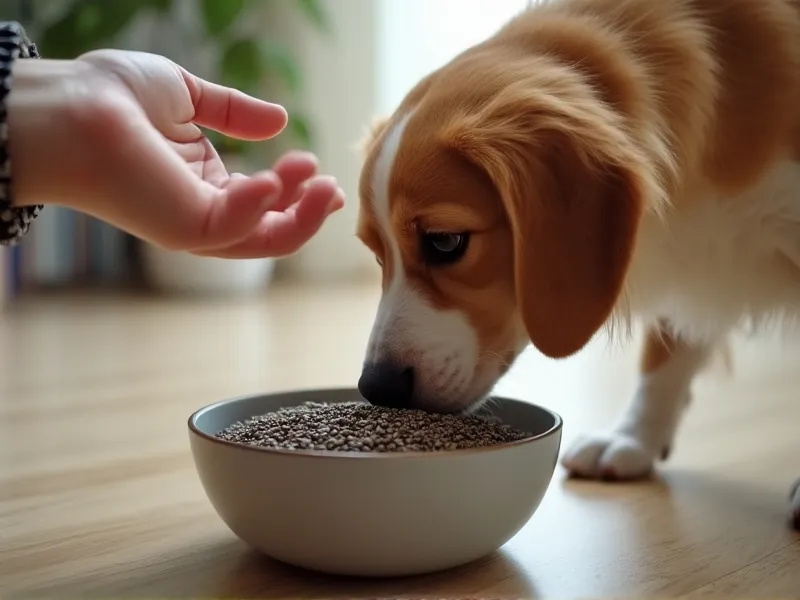
Table of Contents
- Can Dogs Eat Chia Seeds? The Short Answer
- The Nutritional Breakdown: Why Chia Seeds Might Benefit Your Dog
- Potential Risks: What to Watch Out For
- How Much Chia Seed is Safe for Dogs? A Feeding Guide
- Healthier Alternatives to Chia Seeds for Dogs
- FAQ: Your Chia Seed Questions Answered
- Conclusion: Moderation is Key
Can Dogs Eat Chia Seeds? The Short Answer
Yes, dogs can eat chia seeds—in moderation. These tiny black (or white) seeds are non-toxic to dogs and can even offer some nutritional benefits when fed properly. However, they’re not a “must-have” in your dog’s diet, and there are risks to be aware of (like choking or stomach upset) if overfed or served incorrectly.
Think of chia seeds as a supplement, not a staple. They’re best used to boost your dog’s existing balanced diet, not replace it. Always consult your vet before adding new foods, especially if your dog has health issues like diabetes, pancreatitis, or digestive sensitivities.
The Nutritional Breakdown: Why Chia Seeds Might Benefit Your Dog
Chia seeds are often called a “nutritional powerhouse,” and for good reason. Let’s break down their key nutrients and how they might support your dog’s health:
1. Omega-3 Fatty Acids: For Skin, Coat, and Joints
Chia seeds are one of the richest plant sources of alpha-linolenic acid (ALA), an omega-3 fatty acid. While dogs (like humans) can’t produce omega-3s on their own, ALA converts to eicosapentaenoic acid (EPA) and docosahexaenoic acid (DHA) in the body—nutrients known to reduce inflammation, support joint health, and promote a shiny coat.
A 2018 study in the Journal of Animal Physiology and Animal Nutrition noted that omega-3s from plant sources (like chia) can help alleviate dry, itchy skin in dogs and may even reduce symptoms of allergies.
2. Fiber: A Friend to Digestion
Chia seeds are packed with soluble and insoluble fiber (about 10 grams per 3-tablespoon serving for humans). Soluble fiber absorbs water, forming a gel-like substance that slows digestion and helps regulate blood sugar. Insoluble fiber adds bulk to stool, supporting regular bowel movements.
For dogs prone to constipation, a tiny amount of chia seed (soaked!) might help keep things moving. Just be cautious—too much fiber can backfire (more on that later).
3. Potassium: For Heart and Muscle Health
Potassium is an essential electrolyte that helps regulate heart rhythm, muscle function, and fluid balance. Chia seeds contain about 440 mg of potassium per ounce (for humans), which can support your dog’s cardiovascular health, especially as they age.
4. Antioxidants: Fighting Free Radicals
Chia seeds are rich in antioxidants like quercetin and kaempferol, which combat free radicals (unstable molecules that damage cells). Over time, this may support your dog’s immune system and reduce the risk of chronic diseases.
Potential Risks: What to Watch Out For
While chia seeds offer benefits, they’re not without risks—especially if fed incorrectly or in excess. Here’s what to keep in mind:
1. Choking Hazard (Dry Seeds)
Dry chia seeds are tiny and hard, and they can expand up to 10 times their size when exposed to liquid. If your dog eats dry chia seeds, they might swell in the throat or stomach, leading to choking or intestinal blockage (a life-threatening emergency).
Rule of thumb: Always soak chia seeds in water, broth, or dog-safe milk (like goat’s milk) for 10–15 minutes before feeding. They’ll turn into a gel, making them easier to swallow and digest.
2. Stomach Upset: Gas, Bloating, or Diarrhea
Too much fiber—even the “good” kind—can wreak havoc on your dog’s gut. Chia seeds are high in fiber, so overfeeding can lead to gas, bloating, diarrhea, or even constipation (ironically, if the seeds clump).
Start with a tiny amount and monitor your dog for 24–48 hours. Signs of trouble include excessive farting, loose stools, or discomfort (pacing, whining, or avoiding food).
3. Added Sugars or Toxins in Flavored Varieties
Plain, unflavored chia seeds are safe, but flavored versions (like chocolate, vanilla, or honey-sweetened) are not. These often contain added sugars, artificial sweeteners (like xylitol, which is toxic to dogs), or spices that can upset your dog’s stomach.
Always check the label: Look for “100% chia seeds” with no additives. If it has a flavor, put it back on the shelf.
4. Allergic Reactions (Rare, but Possible)
Food allergies in dogs are most common with proteins like chicken or beef, but some dogs may react to seeds. Signs of an allergic reaction include itching, red skin, hives, swelling (especially around the face), or vomiting. If you notice these, stop feeding chia seeds and contact your vet.
How Much Chia Seed is Safe for Dogs? A Feeding Guide
The key here is moderation. Chia seeds should make up no more than 1–2% of your dog’s daily calorie intake. Here’s a general guide based on your dog’s size:
| Dog Size | Daily Chia Seed Amount (Soaked) | Example Breed |
|---|---|---|
| Small (5–20 lbs) | ¼–½ teaspoon | Chihuahua, Pomeranian |
| Medium (20–50 lbs) | ½–1 teaspoon | Beagle, Cocker Spaniel |
| Large (50+ lbs) | 1–2 teaspoons | Labrador, German Shepherd |
Pro tips:
- Mix soaked chia seeds into your dog’s regular food (dry or wet) to avoid them eating it alone.
- Never feed chia seeds as a treat on an empty stomach—this increases the risk of stomach upset.
- If your dog is overweight, factor chia seeds into their daily calorie limit (ask your vet for guidance).
Healthier Alternatives to Chia Seeds for Dogs
If chia seeds aren’t your dog’s thing (or you’re worried about the risks), there are plenty of dog-safe alternatives that offer similar benefits:
1. Flaxseeds (Ground)
Like chia, flaxseeds are high in omega-3s (ALA) and fiber. They must be ground (not whole) to be digestible—whole flaxseeds pass through the gut undigested. Start with ¼ teaspoon (small dogs) to 1 teaspoon (large dogs) daily, mixed into food.
2. Pumpkin Seeds (Unsalted)
Pumpkin seeds are rich in fiber, zinc (supports immune health), and omega-3s. Roast them plain (no salt!) and grind or chop them. Feed 1–2 seeds (small dogs) to 1 tablespoon (large dogs) daily.
3. Hemp Seeds
Hemp seeds contain omega-3s, protein, and magnesium. They’re softer than chia, so less of a choking risk. Start with ¼ teaspoon (small dogs) to 1 teaspoon (large dogs) daily, sprinkled on food.
4. Fresh Pumpkin (Cooked)
For fiber, cooked, plain pumpkin (not pie filling!) is a safer bet than chia. It’s gentle on the stomach and helps with both diarrhea and constipation. Feed 1–2 tablespoons (small dogs) to ½ cup (large dogs) daily.
FAQ: Your Chia Seed Questions Answered
Q: Can puppies eat chia seeds?
A: Puppies have sensitive digestive systems, so it’s best to wait until they’re at least 6 months old (and on a adult diet) before introducing chia seeds. Always ask your vet first.
Q: My dog ate a whole bag of dry chia seeds—what should I do?
A: Contact your vet immediately. Dry chia seeds can expand in the stomach, causing blockage. Watch for signs like vomiting, lethargy, or loss of appetite.
Q: Are black and white chia seeds different for dogs?
A: No—they’re the same plant (Salvia hispanica) and have identical nutrition. The color difference is purely cosmetic.
Q: Can chia seeds help my dog lose weight?
A: Maybe! The fiber in chia seeds can help your dog feel full, reducing overeating. But they’re not a weight-loss “miracle”—combine with portion control and exercise, and consult your vet first.
Q: Are chia seeds safe for dogs with diabetes?
A: Chia seeds have a low glycemic index (they don’t spike blood sugar), but dogs with diabetes need strict diet control. Ask your vet before adding them, as even small amounts can affect insulin levels.
Conclusion: Moderation is Key
Chia seeds can be a healthy, nutrient-packed addition to your dog’s diet—when fed safely and in moderation. Soaked, plain chia seeds offer omega-3s, fiber, and antioxidants that support skin, digestion, and heart health. But they’re not essential, and risks like choking or stomach upset are real if you cut corners.
As with any new food, start small, monitor your dog, and consult your vet—especially if they have health issues. And remember: the best diet for your dog is a balanced, vet-approved one. Chia seeds are just a tiny (but tasty!) bonus.
So, next time Max begs for a bite of your smoothie? Soak a tiny spoonful of chia seeds, mix them into his dinner, and enjoy watching his tail wag—happy, healthy, and chia-fueled.
References
- American Society for the Prevention of Cruelty to Animals (ASPCA). (n.d.). Toxic and Non-Toxic Plants. aspca.org/pet-care/animal-poison-control/toxic-and-non-toxic-plants
- PetMD. (2021). Can Dogs Eat Chia Seeds? petmd.com/dog/nutrition/can-dogs-eat-chia-seeds
- Wefers, D., et al. (2018). Omega-3 Fatty Acids in Canine Nutrition: A Review. Journal of Animal Physiology and Animal Nutrition. doi.org/10.1111/jpn.12933