· 7 min read
Can Dogs Eat Chewing Gum? What Pet Parents Need to Know
You’re unwrapping a stick of minty gum, savoring the fresh burst, when suddenly—crunch! Your dog, ever the curious opportunist, has swiped the gum from your hand and swallowed it whole. Panic sets in: Is this an emergency? Can dogs even eat chewing gum?
If you’ve ever asked yourself this question, you’re not alone. Chewing gum is a common household item, and our dogs are masters at snatching “forbidden” treats. In this guide, we’ll break down the risks, debunk myths, and help you keep your pup safe. Spoiler: The answer isn’t as simple as “yes” or “no”—but the short version? Most chewing gum is unsafe for dogs, and some can even be deadly.
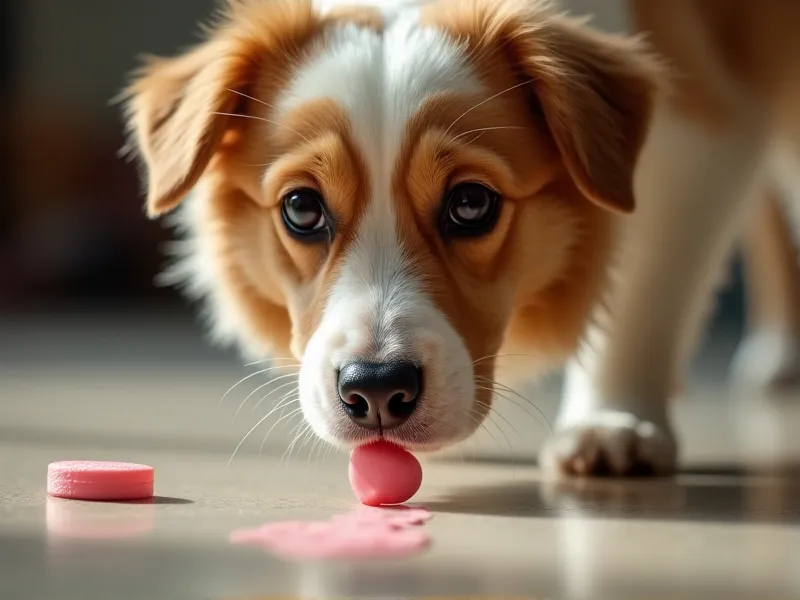
Table of Contents
- Can Dogs Eat Chewing Gum? The Short Answer
- Potential “Benefits” of Chewing Gum for Dogs (Spoiler: There Are None)
- The Real Risks: Why Chewing Gum Is Dangerous for Dogs
- How Much Chewing Gum Is Safe for Dogs?
- Healthier Alternatives to Chewing Gum
- FAQ: Your Chewing Gum Questions Answered
- Conclusion: Keep Gum Away, and Keep Your Pup Safe
- References
Can Dogs Eat Chewing Gum? The Short Answer
No, dogs should not eat chewing gum. While a tiny piece of plain, sugar-only gum (without additives) might not kill your dog, it offers zero nutritional value and poses serious risks. Worse, most modern gums—especially “sugar-free” varieties—contain xylitol, a sugar substitute that is extremely toxic to dogs. Even small amounts of xylitol can cause life-threatening hypoglycemia (low blood sugar), liver failure, or death.
In short: Chewing gum is not a treat for dogs. It’s a hazard. Let’s dig into why.
Potential “Benefits” of Chewing Gum for Dogs (Spoiler: There Are None)
You might wonder: Could chewing gum offer any perks? After all, some human foods (like carrots or blueberries) are safe and healthy for dogs. But chewing gum is not one of them. Let’s debunk the myths:
- “Fiber” or “nutrients”: Chewing gum’s main ingredients are gum base (indigestible), sweeteners, and flavorings. There’s no fiber, protein, vitamins, or minerals here—just empty calories.
- “Fresh breath”: Gum might mask bad breath in humans, but dogs have different oral needs. Gum won’t address the root cause of bad breath (like dental disease) and could cause choking.
- “Mental stimulation”: Dogs need chew toys for stimulation, but gum is not a safe alternative. It’s sticky, easy to swallow whole, and offers no benefits for their teeth or gums.
Save the gum for yourself. Your dog deserves better!
The Real Risks: Why Chewing Gum Is Dangerous for Dogs
Xylitol: The Hidden Toxin
Xylitol is the biggest threat. This sugar alcohol is found in sugar-free gums, mints, toothpaste, and even some peanut butters. It’s safe for humans but deadly for dogs. Here’s why:
When dogs ingest xylitol, their bodies mistake it for sugar and release a flood of insulin. This causes blood sugar to plummet (hypoglycemia) within 10–60 minutes. Symptoms include:
- Vomiting
- Weakness or lethargy
- Coordination problems (stumbling, seizures)
- Collapse
- Coma
In larger doses (0.5g per kg of body weight), xylitol can trigger liver failure, which often leads to death. For context: A single stick of sugar-free gum may contain 0.5–1g of xylitol. A 10-pound (4.5kg) dog would only need to eat one stick to risk hypoglycemia. A 20-pound dog could face liver failure from just 2–3 sticks.
Even “natural” or “organic” sugar-free gums often contain xylitol. Always check the label!
Sugar Overload: Empty Calories and Long-Term Harm
What if the gum is not sugar-free? Regular gum is loaded with sugar (up to 2–3 grams per stick). While sugar isn’t toxic to dogs, it’s far from healthy:
- Obesity: Extra sugar = extra calories. Over time, this can lead to weight gain and related issues like joint pain or diabetes.
- Dental disease: Sugar feeds harmful bacteria in your dog’s mouth, causing plaque, tartar, and tooth decay.
- Energy spikes and crashes: Dogs (especially small breeds) may get hyperactive, then lethargic, from sugar.
A single stick of regular gum won’t poison your dog, but it’s a bad habit to start.
Choking and Intestinal Blockages
Chewing gum is sticky and pliable—perfect for getting lodged in a dog’s throat. Small dogs, puppies, or dogs who gulp food are at high risk of choking.
If swallowed, the indigestible gum base can also cause intestinal blockages. Symptoms include:
- Vomiting (especially after eating)
- Loss of appetite
- Abdominal pain (your dog may whine or avoid being touched)
- Constipation or diarrhea
- Lethargy
Blockages often require surgery to remove and can be fatal if left untreated.
Stomach Upset and Digestive Issues
Even if gum doesn’t block your dog’s intestines, it can irritate their stomach. The artificial sweeteners, flavorings, or preservatives in gum may cause:
- Nausea
- Diarrhea
- Gas
- Stomach cramps
No dog deserves that discomfort—especially for a pointless “treat.”
How Much Chewing Gum Is Safe for Dogs?
None. Here’s the truth:
- If the gum contains xylitol: Any amount is dangerous. Even a crumb can harm small dogs.
- If the gum is sugar-only (no xylitol, no additives): A tiny piece (e.g., 1/4 of a stick) might not cause an emergency, but it’s still risky. Choking, blockages, and stomach upset are still possible.
The safest choice? Keep all gum out of your dog’s reach. Store it in closed cabinets, purses, or pockets—dogs are experts at raiding trash cans or countertops!
Healthier Alternatives to Chewing Gum
If your dog loves to chew, give them something safe and beneficial instead. Here are our top picks:
1. Fresh Fruits and Veggies (Dog-Safe!)
- Carrot sticks: Crunchy, low-calorie, and great for teeth.
- Apple slices (without seeds): High in fiber and vitamin C.
- Blueberries: Antioxidant-rich and perfect for small training treats.
- Cucumber: Hydrating and refreshing (no added sugar!).
2. Dental Chews
Brands like Greenies, Whimzees, or Virbac C.E.T. chews are designed to clean teeth, reduce plaque, and satisfy chewing urges. Look for veterinarian-recommended options.
3. Natural Chew Toys
- Bully sticks: High in protein and long-lasting (choose grass-fed, chemical-free options).
- Rubber toys (e.g., Kong): Stuff with peanut butter (xylitol-free!) or yogurt for mental stimulation.
- Rope toys: Great for teething puppies and interactive play.
4. Frozen Treats
Freeze plain yogurt (no xylitol!) or pumpkin puree in ice cube trays for a cool, chewy snack.
FAQ: Your Chewing Gum Questions Answered
Q: My dog ate sugar-free gum! What should I do?
A: Act fast! Call your vet or the Pet Poison Helpline (855-764-7661) immediately. Provide the gum’s brand and ingredients (if possible) and your dog’s weight. Xylitol toxicity is time-sensitive—treatment (like inducing vomiting or giving IV fluids) can save their life.
Q: Is sugar-free gum worse than regular gum for dogs?
A: Yes! Sugar-free gum often contains xylitol, which is toxic. Regular gum has sugar, which is bad but not deadly (unless your dog eats a huge amount).
Q: Can puppies eat chewing gum?
A: No. Puppies have smaller bodies and developing organs, making them more vulnerable to xylitol, choking, or blockages.
Q: Are there any gums safe for dogs?
A: No. There are no commercial gums made for dogs, and human gums are all risky. Stick to dog-specific chews instead.
Q: My dog ate a piece of gum yesterday and seems fine. Should I worry?
A: Maybe. Xylitol symptoms can appear within 10–60 minutes, but liver failure may take 12–24 hours. If you suspect xylitol exposure, call your vet even if your dog seems okay. For sugar-only gum, monitor for vomiting, diarrhea, or lethargy—contact your vet if symptoms appear.
Conclusion: Keep Gum Away, and Keep Your Pup Safe
Chewing gum is a human indulgence, not a dog treat. With xylitol lurking in most sugar-free varieties, choking hazards, and zero nutritional value, there’s no good reason to let your dog near it.
If your dog does ingest gum—especially sugar-free—don’t panic, but act quickly. Call your vet or the Pet Poison Helpline right away. When in doubt, it’s better to be safe than sorry.
For everyday chewing needs, opt for dog-safe alternatives like carrots, dental chews, or rubber toys. Your pup will thank you for keeping them healthy and happy!
References
- American Society for the Prevention of Cruelty to Animals (ASPCA). “Xylitol.” aspca.org/pet-care/animal-poison-control/toxic-and-non-toxic-plants/xylitol
- Pet Poison Helpline. “Xylitol Toxicity in Dogs.” petpoisonhelpline.com/poison/xylitol/
- American Veterinary Medical Association (AVMA). “Xylitol: A Sweetener That’s Toxic to Dogs.” avma.org/resources/pet-owners/pet-safety/xylitol-toxic-dogs
- VCA Animal Hospitals. “Gum and Candy Toxicity in Dogs.” vcahospitals.com/know-your-pet/gum-and-candy-toxicity-in-dogs