· 8 min read
Can Dogs Eat Cherry Pie? A Pet Parent’s Guide to Risks, Benefits, and Safer Alternatives
Picture this: It’s a cozy weekend morning, and you’ve just baked a cherry pie. The crust is golden, the filling is bubbling with sweet, ruby-red cherries, and the scent is enough to make anyone’s mouth water—including your dog’s. With their tail thumping and those irresistible puppy eyes locked on your slice, it’s hard not to wonder: Can dogs eat cherry pie?
As pet parents, we want to share life’s little joys with our furry friends, but when it comes to human food, “safe” and “tasty” don’t always go hand in hand. Cherry pie, a classic dessert loved by many, might seem harmless, but there’s more to the story than meets the eye. In this guide, we’ll break down whether cherry pie is safe for dogs, the potential risks and (surprising) benefits, how much (if any) you should share, and healthier alternatives to satisfy their sweet tooth. Let’s dive in!
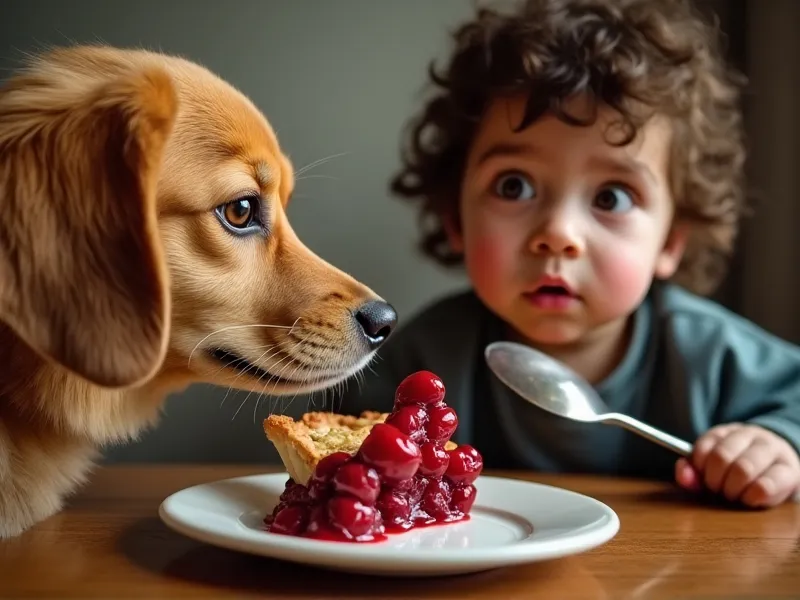
Table of Contents
- Can Dogs Eat Cherry Pie? The Short Answer
- The Breakdown: Benefits vs. Risks of Cherry Pie for Dogs
- How Much Cherry Pie Is Safe for Dogs? (Hint: Probably None)
- Healthier Alternatives to Cherry Pie for Dogs
- FAQ: Your Cherry Pie and Dog Questions Answered
- Conclusion: Prioritize Safety, But Don’t Deprive Them of Joy
- References
Can Dogs Eat Cherry Pie? The Short Answer
Let’s cut to the chase: No, dogs should not eat cherry pie. While fresh, pitted cherries can be a safe, occasional treat for dogs (in small amounts), cherry pie is a whole different story. The combination of sugar, spices, crust, and—most dangerously—cherry pits makes it a risky choice for your pup. Even a small slice can lead to stomach upset, choking, or more serious health issues. To keep your dog safe, it’s best to skip sharing your pie and opt for dog-friendly alternatives instead.
The Breakdown: Benefits vs. Risks of Cherry Pie for Dogs
To understand why cherry pie is off-limits, let’s separate the “good” (fresh cherries) from the “bad” (everything else in the pie).
Potential Benefits (Yes, There Are Some!)
First, let’s talk about fresh cherries—without the pits, sugar, or crust. Cherries themselves are packed with nutrients that can benefit dogs when given in moderation:
- Fiber: Cherries contain dietary fiber, which supports healthy digestion and can help regulate blood sugar levels.
- Vitamins & Antioxidants: They’re rich in vitamin A (good for eye health), vitamin C (boosts immune function), and antioxidants like anthocyanins, which fight inflammation and support heart health.
- Potassium: This mineral helps maintain healthy muscle function and blood pressure.
For example, a few pitted cherries on a hot day could even serve as a refreshing, low-calorie snack for your dog. But here’s the catch: Cherry pie isn’t just cherries. It’s a sugar-loaded, pit-studded, buttery mess—all of which negate these benefits.
The Risks: Why Cherry Pie Is a No-Go
Now, let’s unpack the dangers hiding in that slice of cherry pie. Even if you pick out the pits (which is tough to do perfectly!), the other ingredients pose serious risks:
1. Cherry Pits: A Hidden Poison Risk
Cherry pits (and the pits of other stone fruits like peaches, plums, and apricots) contain amygdalin, a compound that breaks down into cyanide when chewed or digested. Cyanide is toxic to dogs (and humans!) in large enough doses. While a single pit is unlikely to kill a dog, ingesting multiple pits can lead to cyanide poisoning, which causes symptoms like:
- Difficulty breathing
- Dilated pupils
- Bright red gums (from oxygen deprivation)
- Vomiting, diarrhea, or seizures
- In severe cases, coma or death
Even if your dog doesn’t chew the pit, swallowing it whole can cause choking or intestinal blockage—especially in small breeds. And let’s be real: Pies are loaded with cherries, so it’s nearly impossible to remove all the pits. One missed pit could spell trouble.
2. Sugar Overload: Obesity, Diabetes, and Dental Issues
Cherry pie filling is packed with added sugar—sometimes up to 20 grams of sugar per slice! Dogs don’t need sugar in their diet, and excess sugar can lead to:
- Obesity: Extra calories from sugar contribute to weight gain, which raises the risk of joint pain, heart disease, and diabetes.
- Dental Problems: Sugar feeds harmful bacteria in your dog’s mouth, leading to plaque, tartar, and tooth decay.
- Pancreatitis: High-sugar foods (and high-fat foods, like pie crust) can trigger pancreatitis, a painful inflammation of the pancreas that requires immediate veterinary care. Symptoms include vomiting, lethargy, and loss of appetite.
3. Pie Crust: Fat, Salt, and Choking Hazards
Pie crust is made with butter, shortening, flour, and often salt—none of which are good for dogs:
- High Fat Content: Butter and shortening are high in saturated fat, which can cause stomach upset (like diarrhea or vomiting) or, in severe cases, pancreatitis.
- Choking Risk: Crust is dry and crumbly, making it easy for dogs to inhale or choke on, especially small breeds or dogs who gulp their food.
- Empty Calories: Crust offers no nutritional value—just empty calories that contribute to weight gain.
4. Spices: Irritating to Sensitive Stomachs
Many cherry pie recipes include spices like cinnamon, nutmeg, or allspice. While small amounts of cinnamon are generally safe for dogs, larger doses can irritate their digestive tract, causing vomiting or diarrhea. Nutmeg, on the other hand, is toxic in large amounts and can lead to hallucinations, seizures, or liver damage. Since you can’t control how much spice is in a store-bought or homemade pie, it’s better to avoid it altogether.
How Much Cherry Pie Is Safe for Dogs? (Hint: Probably None)
The short answer: There’s no “safe” amount of cherry pie for dogs. Even a tiny slice can contain hidden pits, excess sugar, or spices that irritate their stomach. If your dog accidentally snatches a bite (we’ve all been there—curious pups!), monitor them closely for 24 hours. Watch for symptoms like vomiting, diarrhea, lethargy, or difficulty breathing. If you notice any of these, contact your vet immediately.
If your dog ate a cherry pit, don’t panic—but act fast. Call your vet or the Pet Poison Helpline (855-764-7661) right away. They may recommend inducing vomiting or monitoring for signs of cyanide poisoning, depending on your dog’s size and how many pits they ate.
Healthier Alternatives to Cherry Pie for Dogs
Just because cherry pie is off the table doesn’t mean your dog can’t enjoy a sweet, cherry-flavored treat! Here are some safer alternatives:
1. Fresh, Pitted Cherries
The best alternative is the simplest: fresh, pitted cherries. Remove the pit (and stem!) and offer 1–2 cherries for small dogs (like Chihuahuas or Yorkies) or 3–4 cherries for large dogs (like Labs or Goldens) as an occasional snack. Avoid canned cherries, which are packed with added sugar or syrup.
2. Frozen Cherry Treats
Blend pitted cherries with plain Greek yogurt (unsweetened, no xylitol!) and freeze in ice cube trays for a cool, summer snack. The yogurt adds protein, and the cherries provide fiber and vitamins.
3. Dog-Friendly “Pie” (No Crust!)
Get creative with a “pie” your dog can actually enjoy! Mix mashed banana (a natural sweetener) with pitted cherries and a dollop of peanut butter (xylitol-free!) in a ramekin. Microwave for 30 seconds to warm it up, then let it cool. It’s like a mini “cherry pie” without the sugar or crust!
4. Other Safe Fruits
If cherries aren’t in season, try these dog-friendly fruits instead:
- Blueberries (high in antioxidants)
- Sliced apples (no seeds—they contain small amounts of cyanide!)
- Watermelon (seedless, hydrating)
- Bananas (in moderation, for potassium)
FAQ: Your Cherry Pie and Dog Questions Answered
Q: Can dogs eat cherry pie filling (without the crust)?
A: No. Cherry pie filling is still loaded with sugar, and it’s nearly impossible to remove all the pits. Even a spoonful can cause stomach upset or expose your dog to cyanide from pits.
Q: What if my dog ate a cherry pit?
A: Contact your vet immediately. Even one pit can cause choking or intestinal blockage, and multiple pits pose a cyanide risk. Your vet may recommend inducing vomiting or monitoring for symptoms like difficulty breathing or lethargy.
Q: Is cherry pie crust bad for dogs?
A: Yes. The crust is high in fat (butter/shortening), sugar, and empty calories. It can also crumble and cause choking, especially in small dogs.
Q: Can dogs have maraschino cherries?
A: No. Maraschino cherries are soaked in sugar syrup and often contain preservatives, making them even worse than fresh cherries for dogs.
Q: Are there any cherries that are safe for dogs?
A: Only fresh, pitted cherries (no stems, no pits) in small amounts. Avoid all processed cherry products (pie, jam, candy, etc.).
Conclusion: Prioritize Safety, But Don’t Deprive Them of Joy
At the end of the day, sharing food with our dogs is about love—but love means keeping them safe. Cherry pie might smell amazing, but the risks (pits, sugar, crust) far outweigh any potential benefits. Instead, opt for fresh, pitted cherries or other dog-friendly fruits to treat your pup.
Remember: Every dog is different, so if you’re unsure about a new food, always check with your vet first. And when in doubt, err on the side of caution—your dog will thank you with tail wags and slobbery kisses, no pie required.
References
- American Society for the Prevention of Cruelty to Animals (ASPCA). “Toxic and Non-Toxic Plants: Cherry.” aspca.org/pet-care/animal-poison-control/toxic-and-non-toxic-plants/cherry
- Pet Poison Helpline. “Cyanide Poisoning in Pets.” petpoisonhelpline.com/poison/cyanide/
- VCA Animal Hospitals. “Fruits and Vegetables Dogs Can or Can’t Eat.” vcahospitals.com/know-your-pet/fruits-and-vegetables-dogs-can-or-cant-eat
- American Kennel Club (AKC). “Can Dogs Eat Cherries?” akc.org/expert-advice/nutrition/can-dogs-eat-cherries/