· 8 min read
Can Dogs Eat Cheez-Its? A Pet Parent’s Guide to Safe Snacking
Picture this: You’re curled up on the couch, mid-movie, crunching on a handful of Cheez-Its. Out of the corner of your eye, you spot your dog—tail wagging, head tilted, those irresistible puppy eyes locked onto your snack. “Just one little square won’t hurt, right?” you think. But before you toss them a cheesy bite, let’s pause. As pet parents, we want to share the things we love with our furry friends, but not all human snacks are safe for dogs. So, can dogs eat Cheez-Its? Let’s dive in and find out.
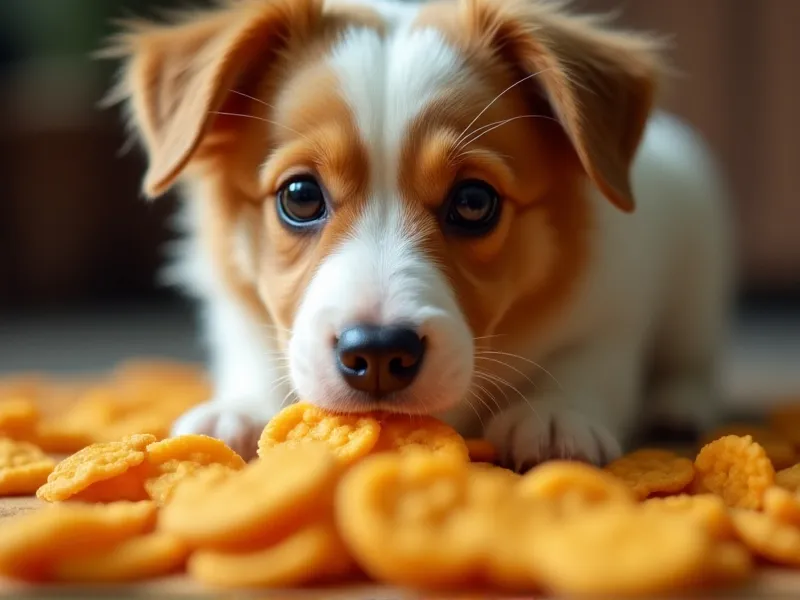
Table of Contents
- Can Dogs Eat Cheez-Its? The Short Answer
- What Are Cheez-Its, Anyway? A Quick Ingredient Breakdown
- Potential Benefits of Cheez-Its for Dogs (Yes, Even a Few!)
- The Risks: Why Cheez-Its Shouldn’t Be a Regular Treat
- How Much Is “Too Much”? Safe Serving Guidelines
- Healthier Alternatives to Cheez-Its for Your Pup
- FAQ: Your Cheez-It Questions, Answered
- Final Thoughts: Love Them, But Spare the Cheez-Its (Mostly)
- References
Can Dogs Eat Cheez-Its? The Short Answer
Yes, dogs can eat Cheez-Its occasionally and in very small amounts—but they’re not a healthy or recommended treat. Think of them like a potato chip for your pup: fine as a rare indulgence, but nowhere near as good for them as a carrot stick or a piece of plain cheese.
Dogs have different nutritional needs than humans, and Cheez-Its are packed with ingredients that don’t align with a balanced canine diet. Let’s break down why moderation is key, and when to skip them altogether.
What Are Cheez-Its, Anyway? A Quick Ingredient Breakdown
To understand if Cheez-Its are safe for dogs, let’s first look at what’s in them. The classic Cheez-It Original flavor lists these main ingredients (per the Sunshine Biscuits website):
- Enriched flour (wheat flour, niacin, reduced iron, thiamine mononitrate, riboflavin, folic acid)
- Cheddar cheese (milk, cheese cultures, salt, enzymes)
- Vegetable oil (soybean and/or palm oil)
- Salt
- Sugar
- Yeast
- Paprika extract (for color)
- Spices
At first glance, none of these ingredients are toxic to dogs (good news!). But “not toxic” doesn’t equal “good for them.” Let’s dig into the pros and cons.
Potential Benefits of Cheez-Its for Dogs (Yes, Even a Few!)
Let’s start with the positives—because even if they’re minimal, it’s helpful to know what (if anything) your dog might get from a stray Cheez-It.
1. A Tiny Boost of Protein (From Cheese)
Cheddar cheese is the star here, and it contains protein—an essential nutrient for dogs to build muscle, repair tissue, and support a healthy coat. However, Cheez-Its are mostly flour, so the protein content is low: a single Cheez-It has about 0.3 grams of protein. For context, a 10-pound dog needs roughly 25 grams of protein per day (per the National Research Council), so a Cheez-It isn’t moving the needle.
2. B Vitamins (From Enriched Flour)
The “enriched” part of the flour adds B vitamins like niacin, thiamine, and folic acid. These support energy metabolism and brain health in dogs, but again—your dog’s regular kibble or wet food is already fortified with the B vitamins they need. Cheez-Its are a very inefficient way to get them.
3. A “Fun” Treat (Mental Stimulation!)
Let’s not overlook the emotional benefit: sharing a tiny snack with your dog can feel like a bonding moment. The crunch and cheesy flavor might make them tail-wag-happy, and that’s not nothing! Just don’t confuse “fun” with “nutritious.”
The Risks: Why Cheez-Its Shouldn’t Be a Regular Treat
Now, the not-so-great news. While a single Cheez-It won’t harm most dogs, making them a habit can lead to health issues. Here’s what to watch out for:
1. High Sodium: A Hidden Danger
Cheez-Its are salty. One serving (about 27 crackers) has 230 mg of sodium. For a 20-pound dog, the maximum recommended sodium intake per day is 200 mg (for a healthy adult). That means just 2-3 Cheez-Its could push a small dog over their daily limit!
Too much sodium can cause:
- Thirst and excessive urination
- Dehydration
- Upset stomach (vomiting, diarrhea)
- In severe cases, salt poisoning (seizures, tremors, even death)—though this would require eating a lot of Cheez-Its (like an entire box).
Dogs with kidney disease, heart issues, or high blood pressure are especially sensitive to salt and should avoid Cheez-Its entirely.
2. Empty Calories = Weight Gain
Cheez-Its are calorie-dense and low in nutrients—what vets call “empty calories.” A single cracker has about 15 calories, and it’s easy to overdo it. For example:
- A 10-pound dog needs ~300 calories/day. Five Cheez-Its = 75 calories (25% of their daily intake!) with zero nutritional benefit.
- Over time, extra calories lead to obesity, which raises the risk of diabetes, joint pain, and heart disease.
3. Lactose Intolerance (Yes, Dogs Can Have It Too!)
Many adult dogs are lactose intolerant. Cheddar cheese is low in lactose compared to milk, but some dogs still struggle to digest it. Symptoms include gas, bloating, or diarrhea—unpleasant for both you and your pup.
4. Artificial Additives and Flavors
While Cheez-Its don’t use toxic additives, they do contain things like paprika extract (for color) and “spices” (which can vary). Some dogs may have mild allergic reactions to these, like itchy skin or an upset stomach.
5. Choking Hazard (Especially for Small Dogs)
Cheez-Its are small and crunchy, but if your dog gobbles them up without chewing, they could pose a choking risk—especially tiny breeds like Chihuahuas or Yorkies. Always supervise your dog when giving them any new treat.
How Much Is “Too Much”? Safe Serving Guidelines
If you decide to share a Cheez-It (or two) with your dog as a rare treat, follow these rules:
- Small dogs (under 20 lbs): 1-2 crackers, once in a blue moon.
- Medium dogs (20-50 lbs): 2-3 crackers, occasionally (like once a month).
- Large dogs (50+ lbs): 3-4 crackers, but only as a “just because” treat, not part of their routine.
Never feed Cheez-Its daily, and never substitute them for regular meals. If your dog has health issues (kidney disease, diabetes, obesity), skip them entirely—ask your vet for safe treat options instead.
Healthier Alternatives to Cheez-Its for Your Pup
Instead of reaching for the Cheez-Its, try these dog-friendly snacks that are tasty and good for them:
1. Plain, Unsalted Cheese
Skip the processed crackers and give your dog a tiny piece of cheddar, mozzarella, or Swiss. It has more protein, less salt, and no added sugars. Stick to 1-2 small cubes (about the size of a Cheez-It) per serving.
2. Fresh Fruits and Veggies
- Carrots: Crunchy, low-calorie, and full of fiber and vitamin A.
- Apple slices (no seeds!): Sweet, high in fiber, and safe for most dogs.
- Blueberries: Packed with antioxidants—great for brain health.
3. Whole-Grain Crackers (Read the Label!)
Look for crackers with no added salt, sugar, or artificial ingredients. Brands like Mary’s Gone Crackers (original flavor) or unsalted rice cakes are better options than Cheez-Its, but still feed sparingly.
4. Lean Meat Treats
A tiny piece of cooked chicken, turkey, or beef (no seasoning!) is a protein-rich treat your dog will love.
FAQ: Your Cheez-It Questions, Answered
Q: Can puppies eat Cheez-Its?
A: Puppies have sensitive tummies and developing organs, so it’s best to avoid Cheez-Its. Stick to puppy-safe treats recommended by your vet.
Q: My dog ate a whole box of Cheez-Its! What should I do?
A: Don’t panic, but monitor them closely. Symptoms of overindulgence include vomiting, diarrhea, excessive thirst, or restlessness. If you see these, call your vet—they may recommend inducing vomiting or giving IV fluids for dehydration.
Q: Are “Whole Grain” or “Reduced Fat” Cheez-Its better?
A: Slightly, but not by much. Whole grain versions have a tiny bit more fiber, and reduced-fat has fewer calories, but they’re still high in salt and processed. They’re not a “healthy” swap.
Q: Can dogs with allergies eat Cheez-Its?
A: Probably not. If your dog is allergic to wheat, dairy, or soy (common allergens), Cheez-Its could trigger a reaction (itchy skin, ear infections, etc.). Always check with your vet first.
Final Thoughts: Love Them, But Spare the Cheez-Its (Mostly)
At the end of the day, dogs don’t need Cheez-Its to be happy. They need love, playtime, and a balanced diet. A tiny cracker here and there won’t hurt, but your pup deserves treats that nourish them—like a crunchy carrot or a piece of plain cheese.
When in doubt, ask yourself: “Would I feed this to a toddler?” If the answer is “probably not,” your dog shouldn’t have it either. And if your dog has health issues, or you’re unsure about a specific food, always consult your vet. They know your pup’s needs best!
References
- American Kennel Club (AKC). “Can Dogs Eat Cheese?” akc.org/expert-advice/nutrition/can-dogs-eat-cheese
- PetMD. “Salt Toxicity in Dogs.” petmd.com/dog/nutrition/evr_dg_salt_toxicity_in_dogs
- ASPCA. “People Foods to Avoid Feeding Your Pets.” aspca.org/pet-care/animal-poison-control/people-foods-avoid-feeding-your-pets
- National Research Council. Nutrient Requirements of Dogs and Cats. nap.nationalacademies.org/catalog/10668/nutrient-requirements-of-dogs-and-cats
- Cheez-It. “Original Cheez-Its Ingredients.” cheezit.com/products/original
Disclaimer: This article is for informational purposes only and not a substitute for professional veterinary advice. Always consult your vet before introducing new foods to your dog’s diet.