· 9 min read
Can Dogs Eat Cheez Whiz? The Surprising Truth Every Pet Parent Should Know
We’ve all been there: you’re standing in the kitchen, spreading that bright orange, creamy Cheez Whiz on a cracker or sandwich, when your dog saunters over. Their tail wags furiously, nose twitching at the salty, cheesy aroma, and those big, soulful eyes lock onto yours. “Just a tiny bite?” they seem to beg. But before you cave to those puppy eyes, you pause: Is Cheez Whiz safe for dogs?
If you’ve ever wondered whether this pantry staple has a place in your dog’s diet, you’re not alone. Let’s dive into the details—from potential benefits (spoiler: they’re slim) to the very real risks, plus healthier alternatives that’ll keep your pup’s tail wagging and their body thriving.
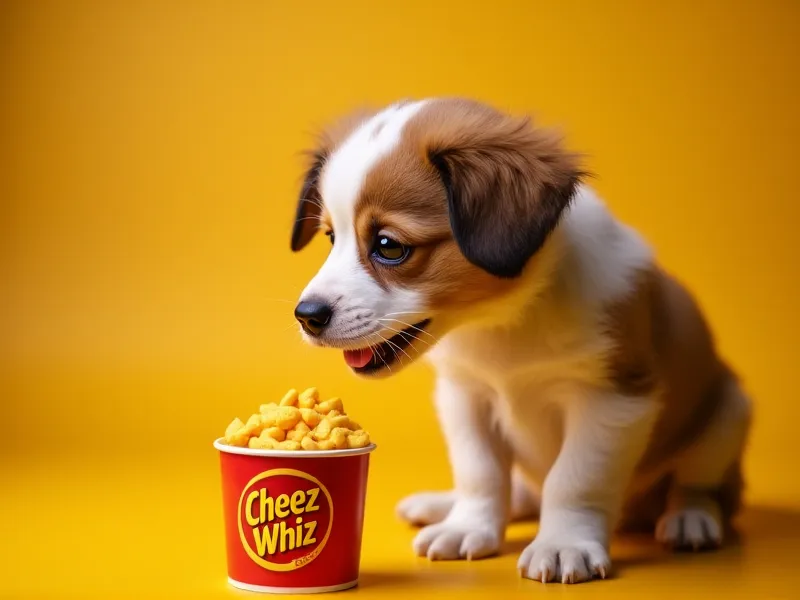
Table of Contents
- Can Dogs Eat Cheez Whiz? The Short Answer
- Potential “Benefits”: What Cheez Whiz Might Offer (But Probably Not)
- The Risks: Why Cheez Whiz Isn’t a Dog-Friendly Snack
- Safe Serving Guidelines: If You Absolutely Must Share
- Healthier Alternatives to Cheez Whiz for Your Pup
- FAQ: Your Cheez Whiz Questions Answered
- Conclusion: Prioritizing Your Dog’s Health
Can Dogs Eat Cheez Whiz? The Short Answer
Let’s cut to the chase: Cheez Whiz is not recommended for dogs.
It’s not immediately toxic (your dog won’t drop dead if they sneak a tiny lick), but it’s packed with ingredients that can harm your pup’s health over time—or even in large single servings. From sky-high sodium to added sugars and artificial additives, Cheez Whiz offers little nutritional value and plenty of risk.
Think of it like junk food for dogs:偶尔吃一口可能不会造成伤害,但它绝对不是你想要定期喂给毛茸茸的家庭成员的东西。
Potential “Benefits”: What Cheez Whiz Might Offer (But Probably Not)
At first glance, Cheez Whiz sounds like it could have some perks. After all, it’s “cheese,” right? Cheese is a source of protein and calcium—nutrients dogs need. But here’s the catch: Cheez Whiz is a processed cheese product, not real cheese. Its nutritional profile is a far cry from the natural stuff, and any “benefits” are overshadowed by its downsides.
Let’s break down what little Cheez Whiz might offer:
Calcium and Protein: Trace Amounts, But Not Worth It
Cheez Whiz does contain small amounts of calcium (from milk derivatives) and protein (from whey and cheese solids). For example, a 2-tablespoon serving has about 150mg of calcium and 3g of protein. That sounds decent, but consider this: A single cube of cheddar cheese (about 1 ounce) has 150mg of calcium and 7g of protein—with far less sodium and no added sugars. In other words, you’d get more nutrition from a tiny piece of real cheese than from a glob of Cheez Whiz.
Fiber and Potassium: Almost Nonexistent
The user mentioned “fiber” and “potassium” as potential benefits, but Cheez Whiz is nearly devoid of both. A 2-tbsp serving has 0g of fiber and only 35mg of potassium—less than 1% of what a medium-sized dog needs daily. You’d have to feed your dog cups of Cheez Whiz to hit meaningful levels of these nutrients, which would be dangerous (more on that later).
The Risks: Why Cheez Whiz Isn’t a Dog-Friendly Snack
Now, let’s talk about the real issue: Cheez Whiz’s risks far outweigh any minor “benefits.” Here’s what makes it a poor choice for your pup:
1. Sky-High Sodium: A Hidden Danger
Dogs need sodium to survive, but in tiny amounts. According to the National Research Council, a 30-pound dog only needs about 100mg of sodium per day to stay healthy.
How much sodium is in Cheez Whiz? A mere 2-tablespoon serving (about the amount on a sandwich) has 450mg of sodium—4.5 times what a 30-pound dog needs in a day!
Excess sodium can lead to:
- Salt poisoning (hypernatremia): Symptoms include extreme thirst, vomiting, diarrhea, lethargy, seizures, or even coma. In severe cases, it can be fatal.
- Kidney strain: Over time, high sodium intake forces the kidneys to work overtime, increasing the risk of kidney disease.
- High blood pressure: Just like in humans, excess sodium can raise blood pressure, leading to heart issues.
2. Added Sugars: Empty Calories and Long-Term Harm
Many Cheez Whiz varieties (especially “flavored” versions like “Jalapeño” or “Bacon”) contain added sugars. Even the original formula has about 1g of sugar per serving—small, but unnecessary.
Dogs have no biological need for sugar. Excess sugar in their diet can:
- Cause obesity: Sugary treats add empty calories, leading to weight gain and related issues like joint pain or diabetes.
- Promote dental disease: Sugar feeds harmful bacteria in your dog’s mouth, increasing the risk of cavities and gum disease.
3. Artificial Additives: Chemicals Your Dog Doesn’t Need
Flip the Cheez Whiz label, and you’ll find a laundry list of artificial ingredients:
- Artificial colors: Yellow 5 and Yellow 6 (tartrazine) are linked to hyperactivity in children and may cause allergic reactions in some dogs.
- Preservatives: BHA and BHT (butylated hydroxyanisole and butylated hydroxytoluene) are added to extend shelf life. The World Health Organization (WHO) has flagged these chemicals as “possible human carcinogens,” and their long-term effects on dogs are unknown.
- Flavor enhancers: Monosodium glutamate (MSG) is sometimes added to boost taste. While MSG isn’t proven toxic to dogs, it can cause stomach upset in sensitive pups.
4. Lactose Intolerance: Stomach Upset Waiting to Happen
Most adult dogs are lactose intolerant. They lack enough lactase, the enzyme needed to digest lactose (milk sugar). Cheez Whiz is made with dairy (milk, whey), so even a small amount can lead to:
- Gas and bloating
- Diarrhea
- Stomach cramps
Puppies have more lactase, but their developing digestive systems are still sensitive to dairy—so Cheez Whiz is a bad idea for them, too.
5. Choking Hazard: Thick, Sticky Texture
Cheez Whiz is thick and sticky, especially when cold. If your dog gobbles a glob too quickly, it could stick in their throat, causing choking. This is rare, but it’s an extra risk to consider—especially for small dogs or those who eat fast.
Safe Serving Guidelines: If You Absolutely Must Share
Let’s be real: Some pet parents will still want to share a tiny taste (we’ve all melted at those puppy eyes). If you insist on letting your dog try Cheez Whiz, follow these strict rules:
- Size matters: Stick to a pea-sized portion (about 1/8 teaspoon). That’s it! Any more, and you’re pushing sodium and sugar limits.
- Rarely, not regularly: Offer it once every few months at most. This isn’t a “weekly treat.”
- Avoid flavored varieties: Stick to the “original” formula (though even that isn’t great). Flavored versions have extra salt, sugar, or spices (like garlic or onion, which are toxic to dogs).
- Monitor for reactions: Watch for signs of stomach upset (vomiting, diarrhea), excessive thirst, or lethargy. If you see any, call your vet.
Pro tip: If you’re using Cheez Whiz to hide medication, ask your vet for safer alternatives (like a pill pocket or a tiny piece of cheese).
Healthier Alternatives to Cheez Whiz for Your Pup
Instead of Cheez Whiz, treat your dog to these nutrient-dense, dog-safe options. They’re packed with the good stuff (protein, fiber, potassium) without the junk:
1. Real Cheese: The Gold Standard
Swap Cheez Whiz for a small piece of low-sodium, natural cheese (e.g., mozzarella, cheddar, or Swiss). Cheese is rich in calcium and protein, and most dogs love it.
- Serving size: 1-2 small cubes (about 1/4 ounce) for small dogs; 1/2 ounce for medium dogs; 1 ounce for large dogs.
- Avoid: Blue cheese (high in fat and mold), processed cheeses (like American cheese, which is similar to Cheez Whiz), or cheese with added herbs/spices.
2. Plain Greek Yogurt: Probiotics + Protein
Plain, unsweetened Greek yogurt is a fantastic treat. It’s high in protein, calcium, and probiotics (good for gut health), and most dogs tolerate lactose in yogurt better than in cheese.
- Serving size: 1-2 tablespoons for small dogs; 3-4 tablespoons for medium/large dogs.
- Avoid: Flavored yogurts (added sugar!) or those with xylitol (a toxic sugar substitute).
3. Pumpkin: Fiber Powerhouse
Canned, plain pumpkin (not pumpkin pie filling!) is a fiber superstar. It’s great for digestion, low in calories, and rich in vitamins A and C.
- Serving size: 1-2 tablespoons for small dogs; 2-4 tablespoons for medium/large dogs.
- Bonus: Freeze it in ice cube trays for a cool summer treat!
4. Cooked Sweet Potato: Potassium + Fiber
Baked or boiled sweet potato (no butter, sugar, or salt!) is loaded with potassium, fiber, and beta-carotene (good for eyesight). It’s a low-fat, crunchy alternative to Cheez Whiz.
- Serving size: 1-2 small cubes for small dogs; 1/4 cup mashed for medium/large dogs.
5. Green Beans: Crunchy + Low-Cal
Fresh or frozen green beans (steamed, no salt) are a great low-calorie snack. They’re high in fiber, vitamins, and minerals, and dogs love to crunch them.
- Serving size: A handful for small dogs; 1/2 cup for medium/large dogs.
FAQ: Your Cheez Whiz Questions Answered
Is Cheez Whiz toxic to dogs?
No, Cheez Whiz isn’t toxic. But it’s unhealthy due to high sodium, sugar, and artificial ingredients. “Not toxic” doesn’t mean “safe.”
My dog ate a whole container of Cheez Whiz! What should I do?
Don’t panic, but act fast. A full container could cause salt poisoning. Call your vet immediately. Symptoms to watch for: extreme thirst, vomiting, diarrhea, seizures, or lethargy. Your vet may recommend inducing vomiting or giving IV fluids to flush out excess sodium.
Can puppies eat Cheez Whiz?
Worse for puppies! Their kidneys and digestive systems are still developing, so they’re more sensitive to sodium and artificial additives. Stick to puppy-safe treats (like plain yogurt or cooked chicken).
My dog is lactose intolerant—can they have Cheez Whiz?
Absolutely not. Lactose intolerant dogs struggle to digest dairy, and Cheez Whiz is dairy-based. It will likely cause gas, diarrhea, or stomach pain.
Is “low-sodium” Cheez Whiz better?
“Low-sodium” versions still have way more sodium than dogs need. For example, one brand’s “reduced sodium” Cheez Whiz has 300mg per 2 tbsp—still 3 times a 30-pound dog’s daily limit. Save your money.
Conclusion: Prioritizing Your Dog’s Health
At the end of the day, Cheez Whiz is a processed, nutrient-poor snack that belongs in your sandwich, not your dog’s bowl. While a tiny taste won’t hurt, it’s far better to treat your pup to whole, natural foods that fuel their body (and make their tail wag just as hard).
Remember: Your dog’s health depends on the choices you make. When in doubt, opt for simple, unprocessed treats—and always check with your vet before introducing new foods.
Here’s to many happy, healthy snack times with your favorite furry friend!
References
- American Kennel Club (AKC). “Human Foods Dogs Can and Can’t Eat.” akc.org
- ASPCA. “People Foods to Avoid Feeding Your Pets.” aspca.org
- PetMD. “Sodium Poisoning in Dogs.” petmd.com
- World Health Organization (WHO). “Evaluation of Certain Food Additives.” who.int
- National Research Council. “Nutrient Requirements of Dogs and Cats.” National Academies Press, 2006.