· 11 min read
Can Dogs Eat Cheez-Its? The Crunchy Truth Every Pet Parent Needs to Know
It’s 7 PM, and you’re settled in for the night: Netflix on, blanket draped, and a neon-orange bowl of Cheez-Its in hand. Just as you pop a crunchy square into your mouth, you feel a warm,毛茸茸 head rest on your lap. Those big, brown eyes lock onto yours, and a tiny paw taps your wrist—“Please?” it seems to say. We’ve all been there: our dogs, with their infinite charm, make saying “no” feel like a crime. But before you cave and share a Cheez-It, you pause. Is this salty, cheesy snack safe for your pup?
If you’ve ever asked, “Can dogs eat Cheez-Its?”, you’re not alone. These iconic crackers are a pantry staple for humans, but when it comes to our four-legged friends, the answer isn’t as simple as “yes” or “no.” In this post, we’ll break down the risks, the (minimal) potential benefits, and whether those cheesy squares belong in your dog’s treat jar. Spoiler: Your dog might want them, but their body will thank you for choosing smarter snacks.
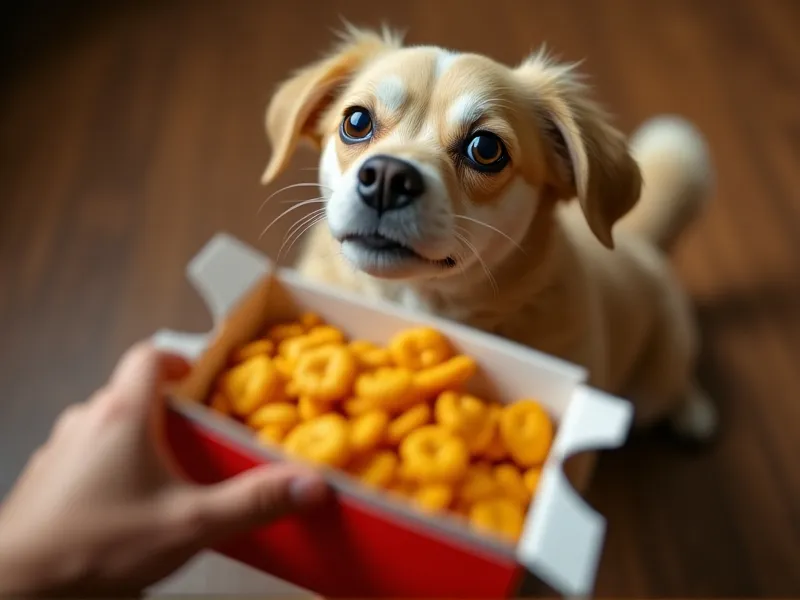
Table of Contents
- Can Dogs Eat Cheez-Its? The Short Answer
- What Are Cheez-Its, Anyway? A Look at the Ingredients
- Potential “Benefits” of Cheez-Its for Dogs (Spoiler: They’re Tiny)
- The Risks: Why Cheez-Its Are a Poor Choice for Dogs
- High Sodium: A Hidden Danger
- Added Sugar: Empty Calories and Long-Term Risks
- Artificial Additives: BHT, Flavors, and Preservatives
- Choking Hazards and Digestive Upset
- The Fat Factor: Pancreatitis in Dogs
- How Much Cheez-Its Can Dogs Safely Eat? (If Any)
- Healthier Alternatives to Cheez-Its
- FAQ: Your Cheez-It Questions, Answered
- Conclusion: Love Your Dog with Better Treats
- References
1. Can Dogs Eat Cheez-Its? The Short Answer
Let’s cut to the chase: Technically, Cheez-Its aren’t toxic to dogs. A single cracker isn’t likely to send your pup to the ER. But here’s the catch: “Not toxic” doesn’t mean “safe” or “healthy.” Cheez-Its are processed human snacks loaded with salt, sugar, and artificial ingredients—none of which belong in a dog’s diet. Think of them like junk food for humans:偶尔一口 won’t kill you, but making them a regular habit can lead to serious health issues.
In short: It’s best to avoid sharing Cheez-Its with your dog. If you must give a tiny taste (we get it—those eyes!), limit it to 1-2 crackers once in a blue moon and monitor for any adverse reactions. But trust us: Your dog will be just as happy (and healthier!) with a safer alternative.
2. What Are Cheez-Its, Anyway? A Look at the Ingredients
To understand why Cheez-Its aren’t ideal for dogs, let’s start with what’s actually in them. A quick scan of the nutrition label (we checked a classic box of Original Cheez-Its) reveals:
- Enriched flour: Refined wheat flour, stripped of most nutrients.
- Vegetable oil: Soybean or canola oil, high in omega-6 fatty acids (which can cause inflammation in excess).
- Cheese made with skim milk: The “cheese” here is processed—think more “cheese flavor” than real, nutrient-dense dairy.
- Salt: A whopping 230 mg of sodium per 30-cracker serving (that’s 10% of a human’s daily limit… and dogs need far less!).
- Sugar: Added sugar (or “dextrose”) to enhance flavor.
- Leavening agents: Baking soda and yeast.
- Artificial colors and flavors: Paprika extract (for color) and “natural flavor” (a vague term that could include additives).
- Preservatives: BHT (butylated hydroxytoluene), a chemical used to extend shelf life.
Notice anything missing? Nutrients like fiber, vitamins, or healthy fats that dogs actually need. Cheez-Its are designed to be tasty for humans, not nourishing for pets.
3. Potential “Benefits” of Cheez-Its for Dogs (Spoiler: They’re Tiny)
Is there any upside to sharing Cheez-Its with your dog? Let’s be generous and explore the silver linings—though they’re pretty thin:
- Trace protein from cheese: The processed cheese in Cheez-Its contains a small amount of protein, which dogs need for muscle health. But a single cracker has less than 1 gram of protein—you’d have to feed your dog 20+ to get even a meaningful amount (and by then, the salt would be dangerous).
- Minimal calcium: Dairy products have calcium, which supports bone health. But again, the tiny amount in Cheez-Its is overshadowed by the downsides.
- Mental stimulation (maybe?): The crunch and flavor might briefly entertain your dog, but there are far better ways to engage them (like puzzle toys or training with safe treats).
In short: The “benefits” are negligible. You’d get more nutrition from tossing your dog a single blueberry than a handful of Cheez-Its.
4. The Risks: Why Cheez-Its Are a Poor Choice for Dogs
Now, let’s dive into the real concern: the risks. Even small amounts of Cheez-Its can cause problems for your dog, from mild stomach upset to serious health emergencies. Here’s what to watch out for:
High Sodium: A Hidden Danger
Dogs need sodium to function—their bodies use it for nerve and muscle health—but they require far less than humans. According to the AKC, adult dogs need about 100 mg of sodium per 100 calories of food. A 30-pound dog eating 700 calories a day (average for their size) needs only ~700 mg of sodium total daily.
A single Cheez-It has about 7 mg of sodium. That sounds harmless, right? But if your dog snags 10 crackers (easy, if they get into the box), that’s 70 mg—10% of their daily limit. A whole sleeve? 40 crackers = 280 mg, nearly 40% of their daily sodium. And that’s on top of the sodium in their regular food.
Too much sodium can lead to sodium ion poisoning, a serious condition with symptoms like:
- Vomiting or diarrhea
- Excessive thirst and urination
- Lethargy or weakness
- Tremors or seizures (in severe cases)
Puppies, senior dogs, and dogs with kidney or heart disease are especially at risk. Even a “small” amount can tip the scales for these vulnerable pups.
Added Sugar: Empty Calories and Long-Term Risks
You might not think of Cheez-Its as “sweet,” but check the label: Original Cheez-Its have 1 gram of sugar per serving. That’s not a lot per cracker, but sugar adds up—and dogs don’t need any added sugar in their diet.
Dogs process sugar differently than humans. Too much can lead to:
- Obesity: Extra calories from sugar turn to fat, increasing the risk of joint pain, diabetes, and heart disease.
- Dental issues: Sugar feeds harmful bacteria in your dog’s mouth, leading to plaque, tartar, and tooth decay.
- Energy crashes: Just like humans, dogs can get a sugar “high” followed by a crash, leaving them irritable or lethargic.
Even “low-sugar” or “reduced-fat” Cheez-Its (like Cheez-It Snap’d) still contain added sugar and salt—they’re not a healthier option for dogs.
Artificial Additives: BHT, Flavors, and Preservatives
Cheez-Its rely on additives to stay fresh and tasty, and many of these chemicals are questionable for dogs:
- BHT (Butylated Hydroxytoluene): A preservative used to prevent oil from going rancid. The FDA says BHT is “generally recognized as safe” for humans, but studies in animals have linked high doses to liver and kidney damage, and even cancer in lab rats. While the amount in Cheez-Its is small, why risk it when there are additive-free treats?
- Artificial flavors: The “natural flavor” in Cheez-Its is often a blend of chemicals meant to mimic cheese. These can irritate sensitive stomachs, causing vomiting or diarrhea.
- Dyes: Some Cheez-It flavors (like White Cheddar or Jalapeño) use artificial colors. While not toxic, these offer no nutritional value and may trigger allergies in some dogs.
Choking Hazards and Digestive Upset
Cheez-Its are small, but their crunchy texture can pose a choking risk—especially for tiny dogs (think Chihuahuas, Yorkies) or dogs who gulp treats without chewing. Even if they don’t choke, the processed flour and oil can upset your dog’s stomach. Symptoms like gas, bloating, or soft stools are common after a Cheez-It binge.
The Fat Factor: Pancreatitis in Dogs
Cheez-Its are high in fat (about 8 grams per serving), thanks to the vegetable oil and cheese. While fat is part of a balanced dog diet, excess fat can trigger pancreatitis—a painful, potentially life-threatening condition where the pancreas becomes inflamed.
Pancreatitis symptoms include:
- Severe abdominal pain (your dog may hunch their back or resist being touched)
- Vomiting (often repeatedly)
- Loss of appetite
- Lethargy
If left untreated, pancreatitis can lead to organ failure. Dogs with a history of pancreatitis should never eat Cheez-Its, and even healthy dogs are at risk if they overindulge.
5. How Much Cheez-Its Can Dogs Safely Eat? (If Any)
Let’s be realistic: You might still be tempted to give your dog a tiny Cheez-It as a “once in a while” treat. So, is there a “safe” amount?
Veterinarians generally agree: The best amount is zero. But if you must share (we won’t judge—those puppy eyes are powerful), follow these rules:
- Stick to 1-2 crackers, max: And only if your dog is healthy (no kidney/heart issues, not overweight, etc.).
- Make it a rare treat: Once a month, not once a week.
- Monitor for reactions: Watch for vomiting, diarrhea, or hyperactivity for 24 hours after giving. If you see any of these, skip Cheez-Its entirely in the future.
For context: A 10-pound dog should eat no more than 200 calories of treats per day (10% of their total calories). A single Cheez-It is ~15 calories—so 2 crackers = 30 calories, which is manageable once in a blue moon. But again: Why waste those calories on empty junk when you could give them something nutritious?
6. Healthier Alternatives to Cheez-Its
The good news: There are plenty of tasty, safe treats your dog will love just as much (if not more!) than Cheez-Its. These options are low in salt, sugar-free, and packed with nutrients:
1. Plain, Unsalted Cheese
A small cube of cheddar, mozzarella, or cottage cheese is a great alternative. Cheese is high in protein and calcium, and most dogs go crazy for it. Just stick to 1-2 bites (dairy can cause diarrhea in lactose-intolerant dogs).
2. Fresh Veggies
- Baby carrots: Crunchy, low-cal, and full of fiber and vitamin A.
- Cucumber slices: Hydrating, low-sodium, and perfect for hot days.
- Green beans: Steamed or raw (no salt/butter!), a great source of iron and fiber.
3. Fruit (In Moderation)
- Apple slices: Remove seeds (they contain cyanide!) and core. Apples are high in fiber and vitamin C.
- Blueberries: Antioxidant-rich and low in sugar—great for training treats.
- Banana: A little higher in sugar, so limit to 1-2 slices as a rare treat.
4. Whole-Grain Snacks
- Unsalted rice cakes: Crunchy like Cheez-Its, but with no added salt or sugar.
- Plain popcorn: Air-popped, no butter or salt. A fun, low-calorie crunch.
5. Commercial Dog Treats
Look for brands with simple ingredients (e.g., “chicken” or “sweet potato” as the first ingredient). Avoid treats with added salt, sugar, or preservatives.
7. FAQ: Your Cheez-It Questions, Answered
Q: My dog ate a whole box of Cheez-Its! What should I do?
A: Don’t panic, but act fast. Contact your vet or an emergency animal clinic immediately. A whole box could cause sodium poisoning, pancreatitis, or choking (if they swallowed large pieces). Bring the Cheez-It box with you so the vet knows the ingredients and quantity.
Q: Are “healthier” Cheez-Its (like whole-grain or reduced-fat) safer for dogs?
A: No. These versions still contain salt, sugar, and additives. For example, whole-grain Cheez-Its have slightly more fiber, but they’re still high in sodium (210 mg per serving). Stick to the alternatives above instead.
Q: Can puppies eat Cheez-Its?
A: Puppies have sensitive digestive systems and developing organs, so Cheez-Its are even riskier for them. Skip the crackers and opt for puppy-safe treats like plain yogurt (unsweetened) or small pieces of cooked chicken.
Q: My dog has diabetes—are Cheez-Its off-limits?
A: Absolutely. The sugar in Cheez-Its can spike your dog’s blood sugar, which is dangerous for diabetic pups. Talk to your vet about low-sugar, high-fiber treat options.
8. Conclusion: Love Your Dog with Better Treats
At the end of the day, sharing a Cheez-It with your dog might seem harmless—but it’s a risk not worth taking. These crackers offer zero nutritional value and come with real dangers, from upset tummies to life-threatening conditions.
Instead of reaching for the Cheez-Its, grab a carrot, a cube of cheese, or a commercial dog treat with clean ingredients. Your dog won’t know the difference (they’ll just be happy for the attention!), and you’ll rest easy knowing you’re keeping them healthy.
Remember: Being a great pet parent means saying “no” to the things that feel good in the moment, and “yes” to the things that keep your dog happy and thriving for years to come. Those puppy eyes will forgive you—we promise.
9. References
- American Kennel Club (AKC). “Dog Nutrition: What’s in Your Dog’s Food?” akc.org
- ASPCA. “People Foods to Avoid Feeding Your Pets.” aspca.org
- Cummings School of Veterinary Medicine at Tufts University. “Sodium in Pet Diets: How Much Is Too Much?” tuftscvm.org
- Journal of the American Veterinary Medical Association (JAVMA). “Pancreatitis in Dogs: Risk Factors and Prevention.” avma.org
Disclaimer: This article is for informational purposes only and not a substitute for professional veterinary advice. Always consult your vet before introducing new foods to your dog’s diet.