· 9 min read
Can Dogs Eat Cheetos Puffs? The Surprising Truth Every Pet Parent Needs to Know
Picture this: You’re lounging on the couch, halfway through a bag of Cheetos Puffs, when your dog saunters over. Their tail wags furiously, and those big, soulful eyes lock onto your snack. “Just one little puff won’t hurt, right?” you think. After all, they’re so cute when they beg. But before you toss them a cheesy crunch, let’s get real: Are Cheetos Puffs safe for dogs?
As pet parents, we want to share the best with our furry friends—but not all human snacks are created equal. In this post, we’ll break down whether Cheetos Puffs belong in your dog’s bowl, the potential risks (spoiler: there are more than you might think), and healthier alternatives that’ll make both you and your pup happy. Let’s dive in!
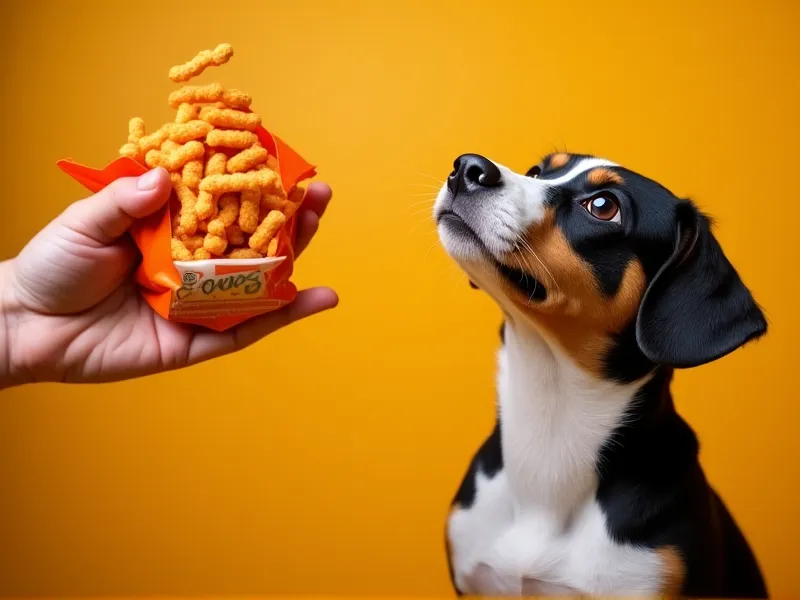
Table of Contents
- Can Dogs Eat Cheetos Puffs? The Short Answer
- Potential “Benefits” of Cheetos Puffs for Dogs: Separating Fact from Fiction
- The Risks of Feeding Cheetos Puffs to Dogs: Why They’re Not Worth the Risk
- If Your Dog Snacks on Cheetos Puffs: How Much (If Any) Is Safe?
- Healthier Alternatives to Cheetos Puffs: Treats Your Dog Will Love
- FAQ: Your Cheetos Puffs and Dogs Questions, Answered
- Conclusion: Keep Your Pup Happy (and Healthy!)
Can Dogs Eat Cheetos Puffs? The Short Answer
Let’s cut to the chase: Cheetos Puffs are not toxic to dogs, but they’re far from a healthy choice.
Unlike chocolate, grapes, or onions (which are known toxins for dogs), Cheetos Puffs don’t contain ingredients that will immediately poison your pet. However, their high sugar, salt, and artificial additive content make them a poor snack option. Think of them like junk food for humans—okay in tiny, rare amounts, but not something you’d feed daily (or ever, if you can help it).
In short: You don’t need to panic if your dog snatches a single Cheeto off the floor, but intentionally feeding them Cheetos Puffs is a bad idea. Let’s unpack why.
Potential “Benefits” of Cheetos Puffs for Dogs: Separating Fact from Fiction
You might be thinking, “But Cheetos have cornmeal—isn’t that a grain? Don’t grains have fiber or nutrients?” Let’s set the record straight: Any “benefits” of Cheetos Puffs for dogs are minimal, if they exist at all.
The (Very) Small Upsides:
- Trace fiber: Cheetos are made with cornmeal, which contains a tiny amount of dietary fiber. But a single Cheeto has less than 0.5 grams of fiber—your dog would need to eat dozens to get any meaningful benefit, which brings us straight to the risks (more on that later).
- Potassium: Cornmeal also has a smidge of potassium, an electrolyte that supports heart and muscle health. But again, the amount is negligible. A medium banana, for example, has 422mg of potassium—way more than a whole bag of Cheetos.
The Bottom Line:
There’s no nutritional reason to feed Cheetos Puffs to your dog. The “benefits” are so minimal they’re not worth the downsides. Your pup is better off getting fiber, potassium, and other nutrients from whole, dog-safe foods (we’ll share those later!).
The Risks of Feeding Cheetos Puffs to Dogs: Why They’re Not Worth the Risk
Now, let’s talk about the real concerns. Cheetos Puffs are loaded with ingredients that can harm your dog—even in small quantities. Here’s what you need to watch for:
1. High Sugar Content: A Recipe for Obesity and Diabetes
Most Cheetos Puffs contain added sugar (check the label—you might be surprised!). Dogs don’t need sugar in their diet, and excess sugar leads to:
- Obesity: Extra calories from sugar can pack on the pounds, increasing your dog’s risk of joint pain, heart disease, and other obesity-related issues.
- Diabetes: Just like in humans, chronic sugar intake can disrupt insulin regulation, leading to canine diabetes—a lifelong condition that requires careful management.
2. Too Much Salt: Sodium Poisoning and Kidney Strain
Cheetos are salty—and dogs are far more sensitive to sodium than humans. The average adult dog needs only 100-200mg of sodium per day (depending on size). A single serving of Cheetos Puffs (about 28g) has 250mg of sodium—more than a small dog’s entire daily limit.
Excess salt can cause:
- Thirst and dehydration: Your dog may drink excessively, leading to electrolyte imbalances.
- Sodium ion poisoning: In severe cases (like eating a whole bag), symptoms include vomiting, diarrhea, tremors, seizures, or even death.
- Kidney damage: Over time, high sodium intake strains the kidneys, increasing the risk of chronic kidney disease.
3. Artificial Ingredients: Upset Stomachs and Long-Term Risks
Cheetos Puffs are packed with artificial flavors, colors, and preservatives (like Yellow 6, Red 40, and BHA). While the FDA deems these “safe” for humans in small amounts, dogs’ digestive systems are more sensitive. These additives can cause:
- Stomach upset: Vomiting, diarrhea, or gas—especially in dogs with sensitive tummies.
- Allergic reactions: Some dogs may react to artificial colors with itching, rashes, or ear infections.
- Long-term unknowns: There’s limited research on how artificial additives affect dogs over time, but many vets caution against feeding processed foods with these ingredients regularly.
4. Choking Hazard: The Puffy, Crumbly Texture
Cheetos Puffs are light, airy, and prone to breaking into small, sharp pieces. This makes them a choking risk—especially for small dogs or puppies. If a piece gets stuck in your dog’s throat, it could block their airway, leading to a life-threatening emergency.
5. Empty Calories: Displacing Nutritious Food
Dogs have small stomachs, and every calorie counts. Feeding Cheetos Puffs fills them up with “empty calories”—no protein, vitamins, or minerals—leaving less room for their balanced dog food. Over time, this can lead to nutrient deficiencies.
If Your Dog Snacks on Cheetos Puffs: How Much (If Any) Is Safe?
So, what if your dog already got into the Cheetos? Here’s what to do:
Accidental Ingestion (1-2 Puffs):
If your dog stole a tiny bite, don’t panic. Monitor them for 24 hours for signs of stomach upset (vomiting, diarrhea) or excessive thirst. Most dogs will be fine—just keep the Cheetos out of reach next time!
Larger Amounts (A Handful or More):
If your dog ate several Cheetos (or a whole bag), contact your vet. Even if they seem fine, the high salt and sugar could cause issues like dehydration or pancreatitis (inflammation of the pancreas, triggered by fatty or sugary foods).
Never Intentionally Feed Cheetos Puffs:
There’s no “safe” amount to regularly feed your dog. Even a few puffs here and there add up to excess sugar, salt, and additives. Save the Cheetos for yourself, and treat your pup to something healthier.
Healthier Alternatives to Cheetos Puffs: Treats Your Dog Will Love
Instead of Cheetos, opt for these dog-safe snacks that are actually good for them. Your pup will wag their tail just as hard (if not harder!), and you’ll feel great knowing you’re supporting their health.
1. Carrot Sticks
- Why they’re great: Crunchy, low-calorie, and packed with vitamin A (supports eye health) and fiber (aids digestion).
- How to serve: Raw or steamed (cooled first). Avoid seasoned carrots—plain only!
2. Apple Slices (No Seeds!)
- Why they’re great: Sweet, crunchy, and full of fiber and vitamin C. The skin adds extra nutrients.
- How to serve: Remove seeds (they contain trace cyanide) and core. Slice into bite-sized pieces.
3. Air-Popped Popcorn (No Salt/Butter)
- Why they’re great: Light, crunchy, and low in calories. It’s a fun, shareable snack (just skip the butter and salt!).
- How to serve: Air-popped only—no microwave bags (they have added oils and salt).
4. Sweet Potato Chews
- Why they’re great: Chewy, naturally sweet, and rich in beta-carotene (vitamin A), fiber, and potassium.
- How to serve: Bake sliced sweet potato in the oven at 250°F for 2-3 hours until crispy. Let cool before serving.
5. Plain, Cooked Chicken or Turkey
- Why they’re great: High in protein, which supports muscle health. Dogs go crazy for this savory treat!
- How to serve: Boiled or baked, no seasoning. Shred into small pieces for training rewards.
FAQ: Your Cheetos Puffs and Dogs Questions, Answered
Q: My dog ate a whole bag of Cheetos Puffs! Should I rush to the vet?
A: It depends on your dog’s size and how they’re acting. Small dogs (under 20lbs) are at higher risk of sodium poisoning from a full bag. Watch for symptoms like vomiting, diarrhea, excessive thirst, lethargy, or tremors. If you see any of these, call your vet immediately. Even if they seem fine, it’s worth a quick check-in—your vet may recommend inducing vomiting or monitoring for pancreatitis.
Q: Are other Cheetos flavors (like Flamin’ Hot or Cheddar Jalapeño) worse than Puffs?
A: Yes! Spicy flavors (Flamin’ Hot, Jalapeño) add capsaicin, which can irritate your dog’s mouth, throat, and stomach, leading to pain or vomiting. Bold flavors also tend to have more salt and artificial additives. Stick to avoiding all Cheetos varieties.
Q: Can puppies eat Cheetos Puffs?
A: Puppies have even more sensitive digestive systems than adult dogs. Their kidneys and organs are still developing, so excess salt and sugar can be extra harmful. Skip the Cheetos—puppies need nutrient-dense foods to support growth.
Q: What if my dog begs for Cheetos? How do I say “no” without feeling guilty?
A: Dogs are masters at begging, but consistency is key! Keep a stash of dog-safe treats (like the ones listed above) handy. When they beg, offer them a carrot stick instead. Over time, they’ll learn that that’s the snack they get. Plus, seeing them enjoy a healthy treat is way more rewarding than caving to Cheetos!
Conclusion: Keep Your Pup Happy (and Healthy!)
At the end of the day, Cheetos Puffs are a human snack—not a dog treat. While they won’t kill your pup in a single bite, they offer zero nutritional value and come with real risks, from obesity to kidney strain.
Instead of sharing your Cheetos, reach for dog-safe alternatives like carrots, apples, or sweet potato chews. Your dog will love the crunch (and the attention!), and you’ll rest easy knowing you’re fueling their health.
And remember: When in doubt, consult your vet. They know your dog’s unique needs and can help you choose the best treats for their age, size, and health.
Here’s to many more snack times—with treats that make both you and your pup wag your tails!
References
- American Society for the Prevention of Cruelty to Animals (ASPCA). “People Foods to Avoid Feeding Your Pets.” aspca.org/pet-care/animal-poison-control/people-foods-avoid-feeding-your-pets
- PetMD. “Human Foods Dogs Can and Can’t Eat.” petmd.com/dog/nutrition/human-foods-dogs-can-and-cant-eat
- VCA Hospitals. “Sodium Ion Toxicosis in Dogs.” vcahospitals.com/know-your-pet/sodium-ion-toxicosis-in-dogs
- Cummings School of Veterinary Medicine at Tufts University. “Feeding Your Dog: Human Food.” tuftscvm.org/for-pet-owners/nutrition/feeding-your-dog-human-food